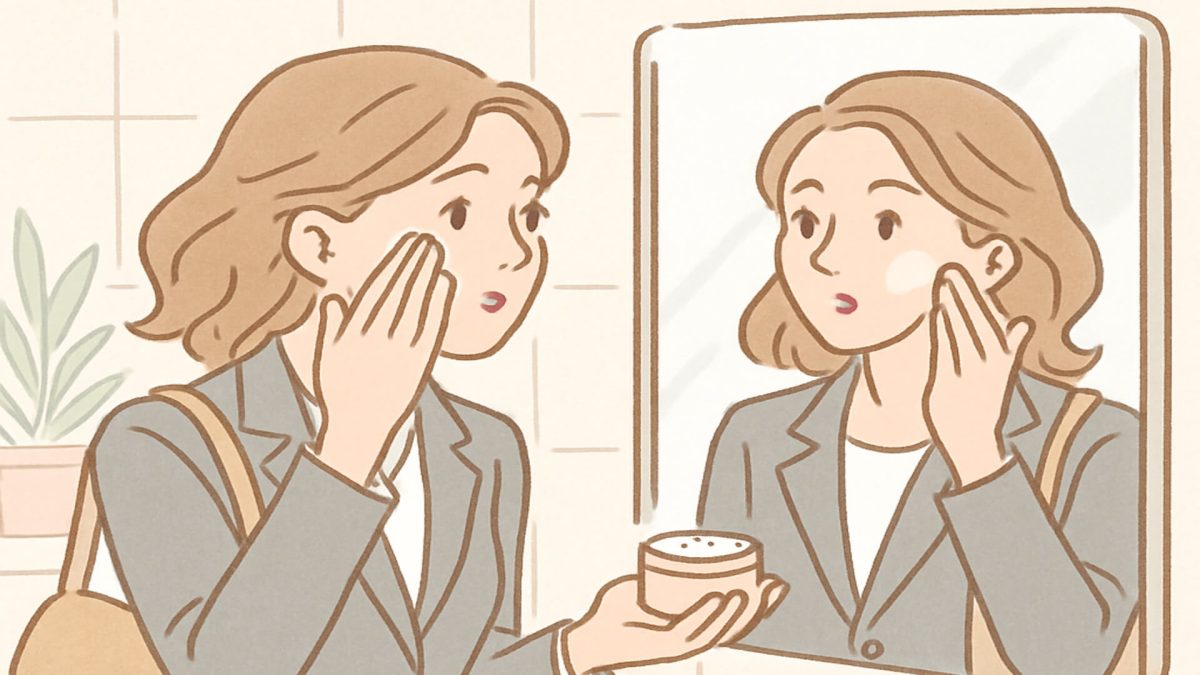
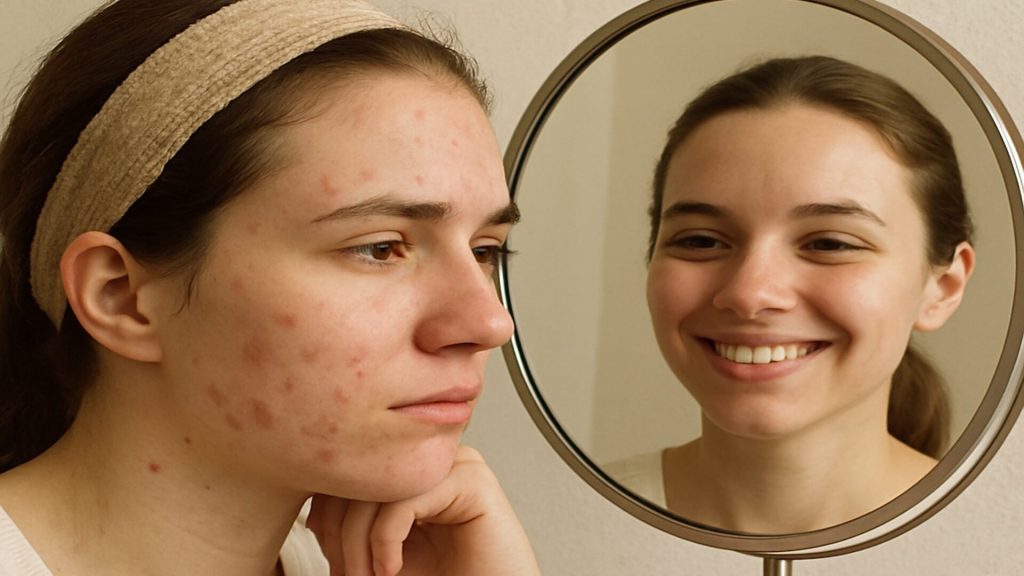
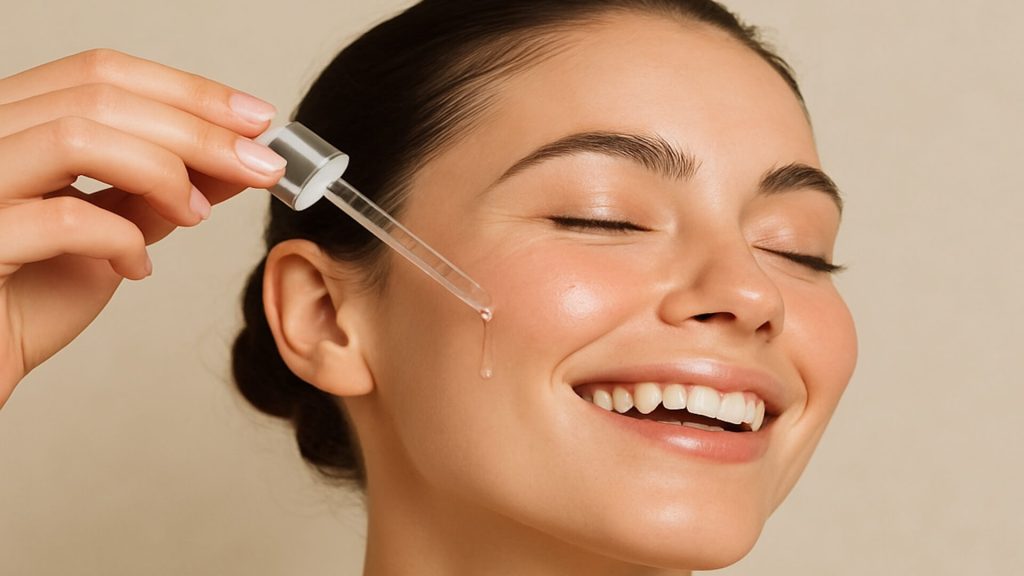
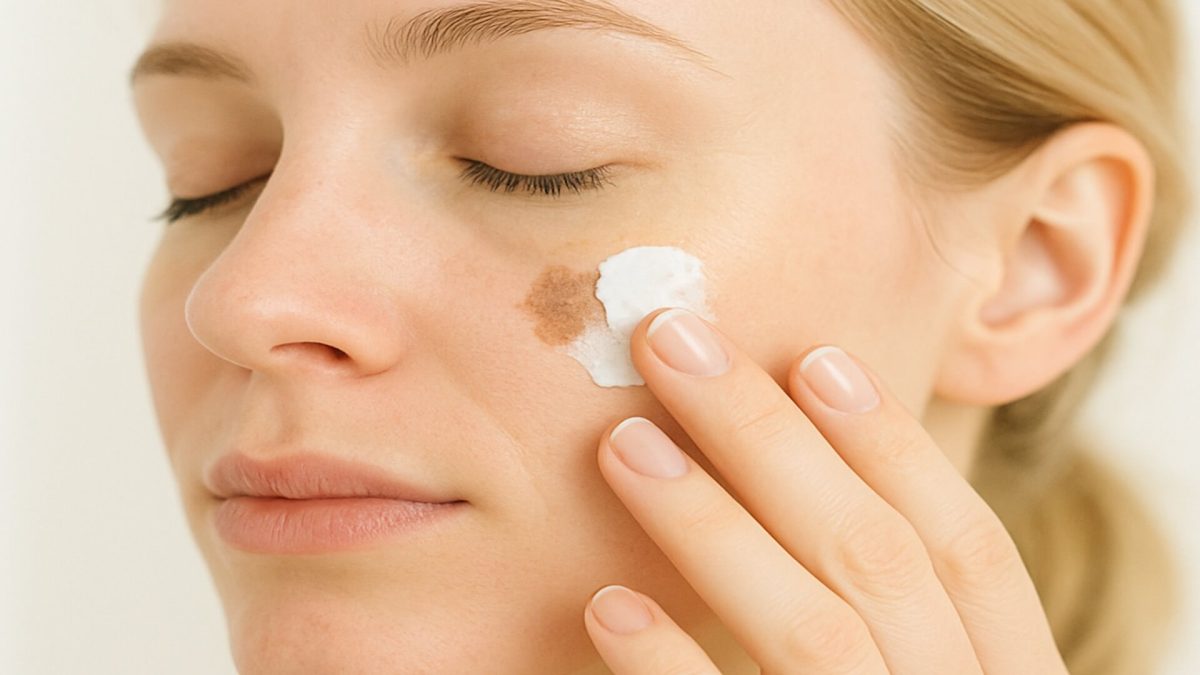
Small daily steps can still protect the skin barrier. Short routines keep comfort, clarity, and radiance on track while you manage work, family, and everything else.
In this article, we show essential steps, smart products, and safe ways to add new skincare. You will see how to stay consistent without spending extra time.
Why Routine Matters
The skin barrier faces light, pollutants, and microbes each day. A simple routine can support hydration and reduce concerns like dryness, acne, or early lines [1].
Daily care has shown short term gains in hydration and smoothness. Brief routines still help when the steps are well chosen and used consistently [1].
Tips & Time Savers
Choose multi taskers like moisturiser with SPF or a gentle exfoliating cleanser. Keep steps the same on most days to reduce decision fatigue.
Stay consistent. Simple daily routines improve hydration and visible lines in studies, even over short periods of use [1]. Small steps add up.
Adjust for seasons. Use a richer night cream in winter or a lighter gel in summer. Let your skin guide small changes for comfort.
Drink water to support skin hydration alongside topical care [3]. Eat a colourful, varied diet to back long term skin health [4].
Morning Routine
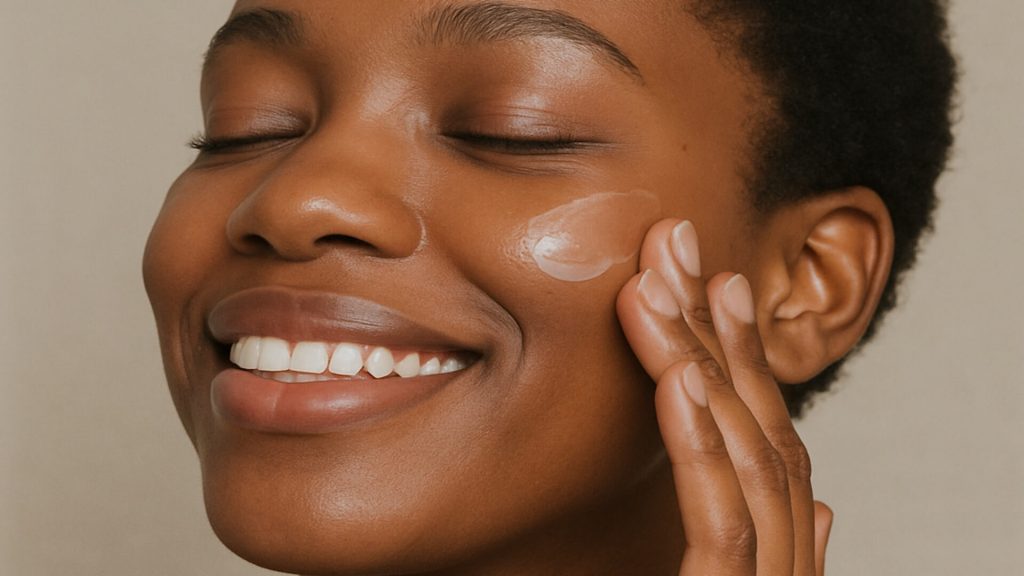
Cleanse if needed with a mild face wash. Apply vitamin C if desired. Moisturise, then finish with broad spectrum SPF for daily protection.
Night Routine
Double cleanse if you wear sunscreen or makeup. Apply a retinoid or gentle active for repair. Seal with a night cream for comfort and balance.
Adding New Products
Patch test first on a small area for one to two days. Introduce one item at a time, then increase use slowly so you can watch for any reaction [2].
Time Of Day & Core Steps
Time of day
Core step
Morning
Moisturiser with SPF to protect
Night
Cleanse, treatment, then moisturise
Table 1: Fast routine structure
Monderma’s Personalised Skincare
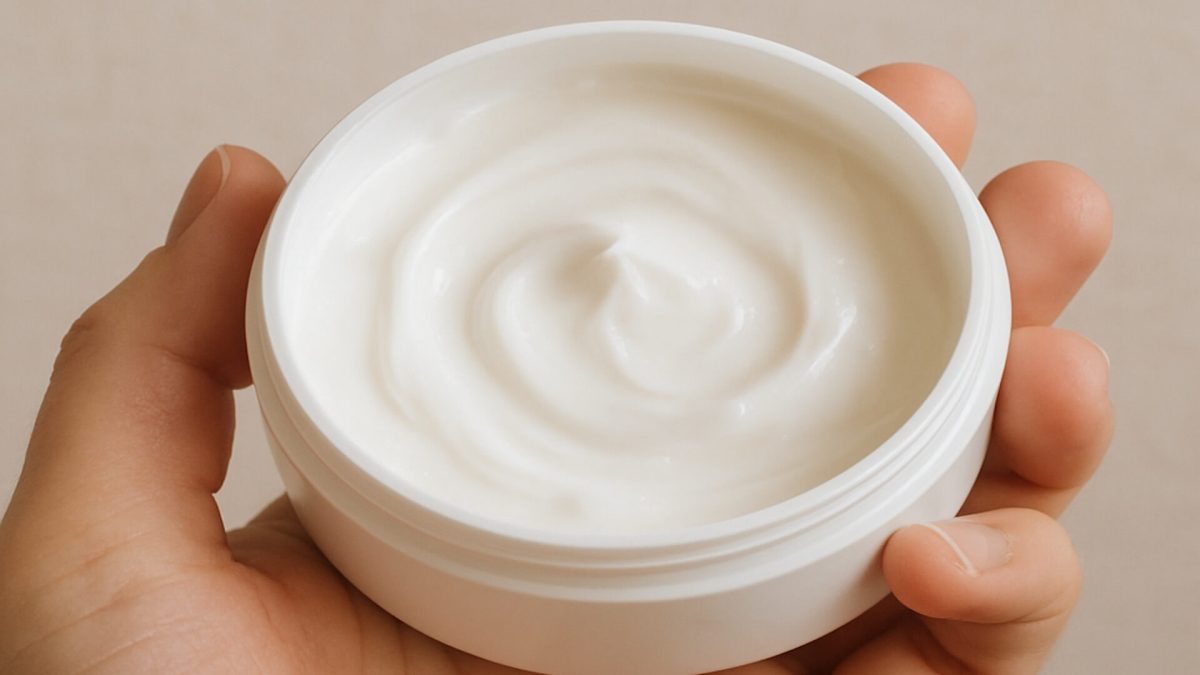
Monderma offers prescription skincare for acne, hyperpigmentation, rosacea, and ageing concerns. Nightly creams fit neatly into short evening routines.
Our clinicians tailor strengths and textures to your goals and tolerance. This keeps routines calm, consistent, and easy to follow.
Conclusion
Small, steady routines build results. Morning protection and simple night repair support hydration, clarity, and comfort while life stays busy.
By integrating pharmacist led care with evidence based formulations, Monderma supports long term skin resilience. Start your personalised skincare to receive recommendations for your skin.
Content is for informational purposes only. Monderma treatments are prescribed following consultation. Results and timeframes can vary. Use as directed by your prescriber.
References
Messaraa C, Robertson N, Walsh M, et al. Clinical evidences of benefits from an advanced skin care routine in comparison with a simple routine. J Cosmet Dermatol. 2020;19(8):1993 to 1999
Nilforoushzadeh MA, Amirkhani MA, Zarrintaj P, et al. Skin care and rejuvenation by cosmeceutical facial mask. J Cosmet Dermatol. 2018;17(5):693 to 702
Palma L, Marques L, Bujan MRL, Rocha E, Tavares L. Dietary water affects human skin hydration and biomechanics. Clin Cosmet Investig Dermatol. 2015;8:413 to 421
Schagen SK, Zampeli VA, Makrantonaki E, Zouboulis CC. Discovering the link between nutrition and skin aging. Dermatoendocrinol. 2012;4(3):298 to 307
Jojoba oil for skin is a versatile, gentle option. It supports comfort, clarity, and a smooth feel without heaviness, which helps daily routines stay consistent [1].
In this article, we outline how it hydrates, balances oil, cleanses without stripping, and soothes irritation. You will see safe, simple ways to use it day to day.
What Is Jojoba Oil?
Jojoba oil comes from cold pressed seeds. Its wax ester profile resembles natural sebum, so it blends with the lipid barrier to support balance and hydration [1].
It is stable, light, and easy to spread. This makes it useful across formulas, including options for acne, rosacea, dry skin, and uneven tone [1].
Hydration & Barrier Support
Jojoba oil reduces water loss and softens dry areas. The sebum like structure helps maintain a calm barrier while avoiding a greasy after feel [1].
Evidence suggests barrier comfort improves with use. This supports smoother texture and a more even surface over time in daily care [1].
Benefit
Details
Deep hydration
Lightweight layer helps limit water loss and supports a smooth feel [1]
Balanced finish
Comfort without heaviness suits many skin types, including combination [1,2]
Table 1: Hydration and barrier support
Oil Balance & Breakouts
It is non comedogenic and can help balance shine on oily or combination skin. This can support clearer looking pores with steady use [2,3].
For acne prone skin, gentle support reduces the need for harsh cleansers that may disrupt comfort and trigger rebound oil [1,3].
Cleansing & Makeup Removal
Jojoba oil can lift sunscreen and makeup while preserving moisture. It cleanses without tightness when used with a warm, damp cloth [4,5].
As a first cleanse, it pairs well with a mild face wash. This helps remove residue while keeping the barrier calm and comfortable [4,5].
Benefit
Details
Makeup removal
Dissolves makeup and sunscreen while keeping skin supple [4]
Gentle cleanse
Supports a clean feel without stripping daily moisture [5]
Table 2: Cleansing uses
Calming & Repair
Anti inflammatory activity may ease redness linked with rosacea and dry irritation. Antioxidant content can support a calmer look [1].
Early data suggests support for minor wound repair in models. Human response varies, so use alongside proven care and sun habits [6].
Ageing Concerns & Texture
Antioxidants, including vitamin E, help limit oxidative stress that affects tone and fine lines. Texture can feel smoother with routine use [1].
Paired with proven actives, jojoba oil can help comfort the skin so consistent use is easier to maintain over months [1].
How To Use
Apply a few drops on damp skin after cleansing. Follow with moisturiser if needed. In the morning, finish with sunscreen to protect gains [1,5].
As a cleanser, massage gently, then remove with a soft cloth and lukewarm water. Patch test first and adjust frequency to comfort [4].
Conclusion
Jojoba oil offers light hydration, balanced cleansing, and soothing comfort. Used well, it can support clarity and an even, soft skin feel across routines.
Monderma offers pharmacist led guidance and prescription formulas tailored to your skin, your goals, and your tolerance. To take the next step, begin personalised skincare.
Content is for informational purposes only. Monderma treatments are prescribed following consultation. Results and timeframes can vary. Use as directed by your prescriber.
References
Gad HA, et al. Jojoba oil review on chemistry, uses, and toxicity. Polymers. 2021;13(11):1711
Vantage Group Case Study. How jojoba oil rebalances skin microbiome to improve complexion. 2022
Proven Skincare. Is jojoba oil comedogenic. 2023
Healthline. Reasons to add jojoba oil to your skin care routine. 2018
Cleveland Clinic. How jojoba oil benefits your hair and skin. 2025
Dhingra D, et al. Jojoba oil hastens delayed wound healing in a preclinical model. Pharmaceutical Sciences. 2024
Keloid scars can feel tender, itchy, or tight. They may affect confidence, yet careful steps can improve comfort, softness, and the look of the skin.
In this article, we explain what keloids are, why they form, and which treatments help. You will see practical ways to care for skin and lower future risk.
What Are Keloid Scars?
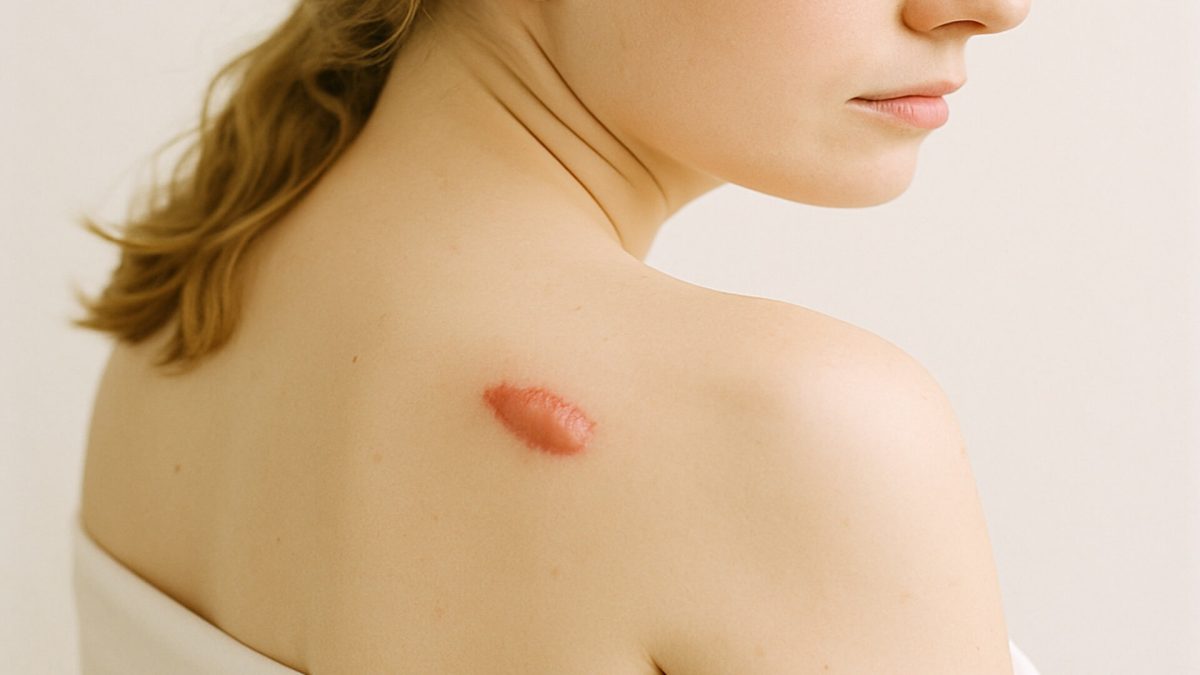
Keloids are raised scars that grow past the injury edge, unlike hypertrophic scars that stay within the wound [1]. They may appear weeks to months later.
Common sites include the chest, shoulders, earlobes, and cheeks where skin tension is higher [1,10]. Keloids can itch or hurt, and feel firm or shiny [4].
How Do Keloids Form?
After injury, collagen repairs tissue. In keloids, collagen is overproduced, creating thick, raised scars with extra vessels that look red [2].
Collagen synthesis in keloids is markedly higher than in normal skin or hypertrophic scars, which explains the persistent growth pattern [11].
Causes & Triggers
Genetics raise risk. Family history, and African, Asian, or Hispanic heritage increase likelihood, so prevention matters more in these groups [3].
Skin injuries such as cuts, acne, burns, and bites can trigger keloids. Slow healing and secondary intention also increase risk [4].
Piercings and tattoos add controlled trauma. Earlobe keloids after piercing are common, so discuss risk before any procedure [3].
Key Causes & Risks
Cause
Summary
Genetic factors
Higher risk with family history, and in African, Asian, or Hispanic groups [3]
Skin injuries
Cuts, burns, acne, or surgery, worse with slow healing [4]
Piercings or tattoos
Common trigger, especially earlobes in predisposed people [3]
Table 1: Common causes & triggers
Management Options
Most plans combine methods. The goal is to flatten, soften, and calm symptoms while lowering recurrence risk over time [5].
Silicone gels and sheets hydrate the scar, regulate collagen, and can improve pliability and height with steady use over months [13].
Laser treatment such as pulsed dye can reduce redness and thickness. Results improve when combined with steroid injections [7].
Steroid injections like triamcinolone flatten keloids by reducing inflammation and collagen. Recurrence can still occur, and thinning may happen [6,12].
Surgical removal carries high recurrence if used alone. Pairing excision with adjuvant therapy lowers the chance of regrowth [9].
Pressure therapy with silicone dressings helps maintain flatness after treatment or surgery when used consistently over time [13].
Options & What To Expect
Management option
Summary
Silicone gels or sheets
Hydrate tissue, regulate collagen, flatten with months of use [13]
Laser therapy
Pulsed dye improves colour and height, best with steroids [7]
Steroid injections
Flatten scars, but recurrence and side effects can occur [6,12]
Surgical excision
Remove scar, high recurrence unless paired with adjuvants [9]
Pressure therapy
Silicone dressings help prevent recurrence with consistency [13]
Table 2: Management options & aims
Prevention & Home Care
Use high SPF daily on scars to limit darkening and visibility across skin tones [4]. Keep routines simple, and reapply during sun time.
Avoid elective trauma if you are prone to keloids. Choose skilled clinicians, and share your history before any procedure [4].
Good wound care matters. Keep wounds clean and moist. Silicone based products can guide flatter healing when used early [7,13].
When To Seek Help
If keloids grow, itch, or hurt, see a dermatologist. Early, tailored care improves comfort and outcomes across skin types [5,8].
Conclusion
Keloids can be managed with patience and a plan. Silicone care, steroids, lasers, surgery, and pressure dressings each play a role over time.
By integrating pharmacist led care with evidence based formulations, Monderma supports clear, calm routines alongside medical care. Begin your personalised skincare plan when ready.
Content is for informational purposes only. Monderma treatments are prescribed following consultation. Results and timeframes can vary. Use as directed by your prescriber.
References
NHS. Keloid scars
American Academy of Dermatology. Keloid scars Causes
Vanderbilt. Genetic causes of keloids
British Association of Dermatologists. Keloid scars
Kim SW, Nakanishi J, Aoki M, et al. Management of keloid scars noninvasive and invasive interventions. Arch Plast Surg. 2021;48(1):45 to 54
Wong TS, Li JZ, Chen S, Chan JW, Gao W. The efficacy of triamcinolone acetonide in keloid treatment. Plast Reconstr Surg Glob Open. 2016;4(12):e1135
Stephanides S, Rai S, August PJ, Ferguson JE, Madan V. Pulsed dye laser alone or with intralesional corticosteroids for refractory keloids. Laser Ther. 2011;20(4):279 to 286
Northwestern Medicine. Pressure therapy
Gold MH, Rahman MS, Berman B, McGuire M. Assessing keloid recurrence after excision with adjuvant radiation. Scars Burns & Healing. 2020;6:2059513120963673
DermNet NZ. Keloid & hypertrophic scar
Clore JN, Cohen IK, Diegelmann RF. Types I and III collagen synthesis by keloid biopsies and fibroblasts. Biochim Biophys Acta. 1979;586(2):384 to 390
Morelli Coppola M, Salzillo R, Segreto F, Persichetti P. Triamcinolone acetonide intralesional injection for keloid scars. Clin Cosmet Investig Dermatol. 2018;11:387 to 396
Tsai YW, Chuang YH, Yu TH, Lin SH, Wang CI. Silicone gel sheeting and gel for prevention of hypertrophic scars & keloids. Wounds. 2017;29(6):154 to 159
A calm setting can make skincare feel easier and more effective. Thoughtful scent choices help the space feel restful, which supports steady routines and comfort.
In this article, we explain how scent influences mood, how to use essential oils safely, and how to shape a soothing space that complements daily skincare habits.
Aromatherapy Overview
Aromatherapy uses plant derived scents to support relaxation. When we smell a fragrance, signals reach areas linked with emotion and memory, which may shape mood [1,2].
Lavender, chamomile, and ylang ylang are common choices. Each may help reduce tension, support rest, or lift mood when used with care and consistency [2,3,4].
Essential Oils & Calming Benefits
Essential oil
Calming benefit
Lavender
May reduce anxiety and promote relaxation [2]
Chamomile
Can support calm and more restful sleep [3]
Ylang ylang
May lower perceived stress and lift mood [4]
Vanilla
Warm, comforting aroma for a cosy feel [8]
Sandalwood
Grounding scent that supports quiet focus [9]
Table 1: Essential oils & benefits
Scented Candles & Atmosphere
Scented candles add gentle light and fragrance to a room. Choosing pure scented candles with essential oils can avoid unwanted emissions and feel more natural [5].
A single candle near a bath or vanity can be enough. Keep the room ventilated, trim wicks, and follow safety advice on placement and burn time for comfort.
Using Essential Oils Safely
Essential oils are concentrated extracts. Dilute with a carrier oil, patch test first, and avoid the eye area. Stop use if irritation or sensitivity occurs [5].
Diffusers
A diffuser disperses scent into the room. A few drops of lavender in water can create a calm backdrop for evening skincare or quiet reading time [2].
Bath Rituals
Adding drops of essential oil to a warm bath can feel soothing. Lavender in an evening soak may support relaxation as part of a wind down routine [2].
DIY Beauty Products
Mixing small amounts into body oils or lotions can add aroma. A simple chamomile blend can feel comforting when used after cleansing and moisturising [3].
Personalising Your Space
Preferences differ, so test a few scents and note how you feel. Combine gentle lighting, soft music, and tidy surfaces to help aromas feel calm and inviting.
Small touches work best. A candle, a diffuser, and clean towels can shift the mood. Keep ventilation in mind, and choose scents that pair with the time of day.
Benefits Of A Calming Space
Calming scents may support better sleep quality when used with consistent habits, which can help evening routines feel smoother and unhurried [6].
Some aromatherapeutic scents have been linked with lower perceived anxiety in studies, which can support focus during simple skincare steps [2,7].
Conclusion
A few mindful choices can turn routine into ritual. Gentle scents, soft light, and clear surfaces help skincare feel quiet, consistent, and restorative.
For tailored treatment that complements your routine, Monderma provides pharmacist led care and evidence based formulas. Complete your personalised skincare online today.
Content is for informational purposes only. Monderma treatments are prescribed following consultation. Results and timeframes can vary. Use as directed by your prescriber.
References
Herz RS. Aromatherapy facts and fictions. Int J Neurosci. 2009;119(2):263 to 290
Donelli D, Antonelli M, Bellinazzi C, et al. Effects of lavender on anxiety. Phytomedicine. 2019;65:153099
Azelaic acid occurs in grains and is synthesised for skincare use. It has anti inflammatory, antibacterial, and antioxidant actions that suit acne, rosacea, and hyperpigmentation.
In this article, we outline how azelaic acid works, what results to expect, and how to use it. You will see ways to pair it with gentle care for clearer, brighter skin.
Benefits & Skin Goals
It tackles acne by limiting bacteria and calming inflammation, which helps prevent fresh blemishes and marks over time [1,2]. Redness often improves in sensitive skin [4,5].
Texture smooths as mild exfoliation clears pores [1]. Tyrosinase inhibition can lighten dark patches and even tone with steady use across weeks [3].
Azelaic acid is non comedogenic and suits many skin types. The gentle profile can reduce irritation when compared with stronger options [4].
Before & After Results
Condition or use
Measured outcome
Acne with 20 percent cream
Around 70 percent lesion reduction at twelve weeks [1]
Acne with 15 percent gel
About 70 percent lesion reduction at eight weeks [2]
Hyperpigmentation
Up to 50 percent improvement by sixteen to twenty four weeks [3]
Mild to moderate rosacea
Fewer inflammatory lesions and less erythema by eight to twelve weeks [4,5]
Table 1: Key outcomes from clinical studies
Purging & Tolerance
Mild purging can occur as turnover rises. This usually settles after a few weeks as the skin adjusts to regular use [5]. Start slowly and increase as tolerated.
How To Use
Cleanse with a gentle face wash. Apply a small amount of azelaic acid to clean, dry skin once daily, then increase to twice daily if comfortable.
Seal with moisturiser to support the barrier. Use daily sunscreen to protect gains in clarity and tone, since light can worsen marks [1,2].
Smart Pairings & Comparisons
Niacinamide pairs well for redness and tone support without extra irritation. Introduce actives gradually and balance with hydration.
Compared with salicylic acid or benzoyl peroxide, azelaic acid offers a calmer route. It supports clarity with antioxidant benefits and fewer dryness issues for many users [1,2].
Conclusion
Azelaic acid can reduce blemishes, fade marks, and calm redness when used consistently. Results build across weeks, with good tolerance for most skin types [1 to 5].
By integrating pharmacist led care with evidence based formulations, Monderma can tailor gentle routines around your goals. Start your personalised skincare plan.
Content is for informational purposes only. Monderma treatments are prescribed following consultation. Results and timeframes can vary. Use as directed by your prescriber.
References
Haider A, Shaw JC. Treatment of Acne Vulgaris. JAMA. 2004;292(6):726 to 735
Thiboutot D. Versatility of azelaic acid 15 percent gel in treatment of inflammatory acne vulgaris. J Drugs Dermatol. 2008;7(1):13 to 16
Sangha AM. Dermatological Conditions in Skin of Color Managing Post inflammatory Hyperpigmentation in Patients with Acne. J Clin Aesthet Dermatol. 2021;14(6 Suppl 1):S24 to S26
Bjerke R, Fyrand O, Zaumseil RP. Double blind Comparison of Azelaic Acid 20 percent Cream and its Vehicle in Treatment of Papulo pustular Rosacea. Acta Derm Venereol. 1999;79(5):366 to 368
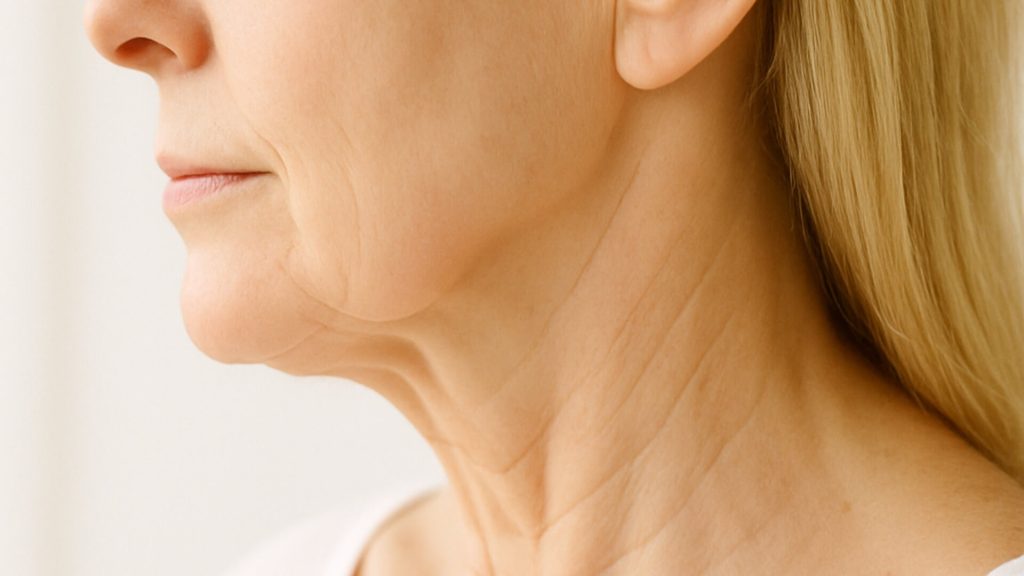
Neck skin is thinner and drier than the face. It moves often, so lines form sooner. Gentle, consistent care can soften texture and maintain comfort.
In this article, we outline causes, prevention, and proven options. Simple habits, targeted topicals, and in clinic treatments can work together for steady results.
Causes Of Neck Wrinkles
Ageing lowers collagen and elastin. This reduces firmness and elasticity. From early adulthood, fine lines and laxity slowly become more visible [1].
Sun exposure accelerates collagen loss and can trigger pigment change. National guidance places sun protection at the centre of healthy skin habits [2].
Repeated screen gazing, smoking, and low antioxidant intake add stress. These factors deepen creasing and may limit nutrient delivery to the skin.
Prevention Strategies
Apply broad spectrum SPF 30 to the neck daily. Reapply when outdoors. Regular use limits UV induced free radicals and photoageing signs over time [2].
Hydrate inside and out. Moisturisers improve softness and barrier comfort. A colourful, antioxidant rich diet can support tone, elasticity, and resilience.
Lift screens to eye level to reduce folding. Gentle stretches and posture awareness help lower repeated creasing during work and reading.
Treatments For Neckline Wrinkles
A combined plan works best. Use topical care for daily gains. Add procedures for deeper change. Keep habits steady for lasting, natural looking results.
Topical Treatments
Retinoids such as tretinoin support collagen and increase turnover. Studies show wrinkle improvement after eight to twelve weeks in photoaged skin [3].
Hyaluronic acid attracts water to plump lines and improve comfort [4]. Peptides may support collagen synthesis, texture, and firmness in the neck area [5].
Professional Treatments
Chemical peels such as TCA stimulate renewal and collagen. Planned series under clinical guidance can improve tone and texture safely [6].
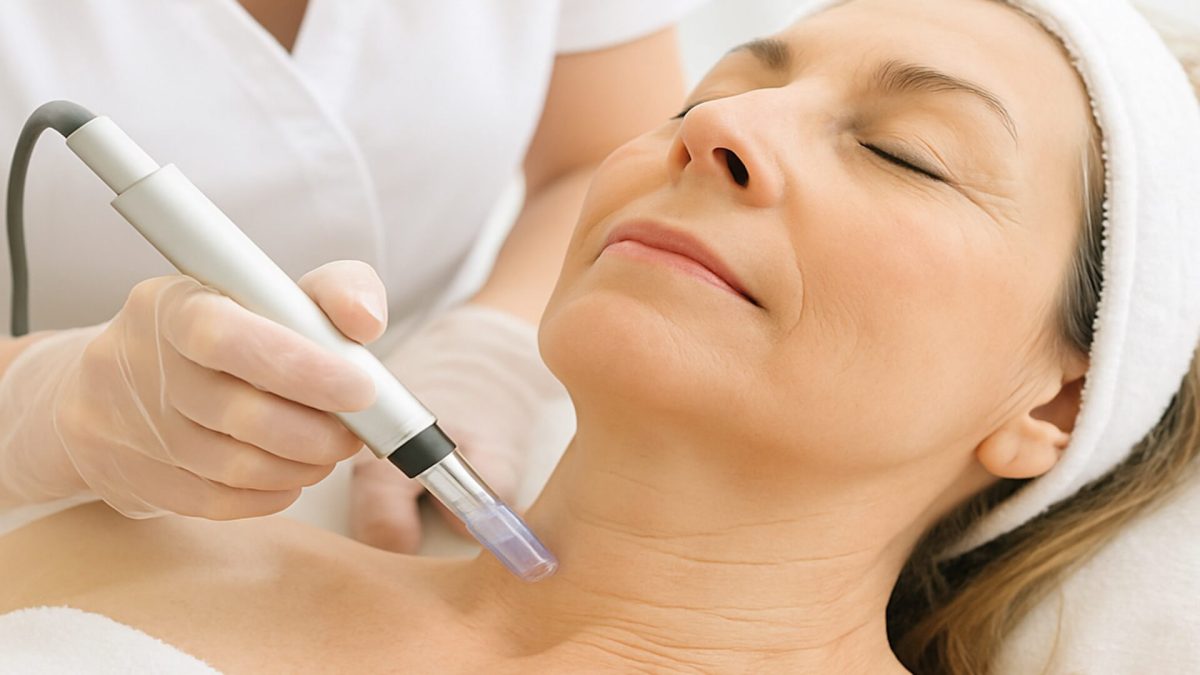
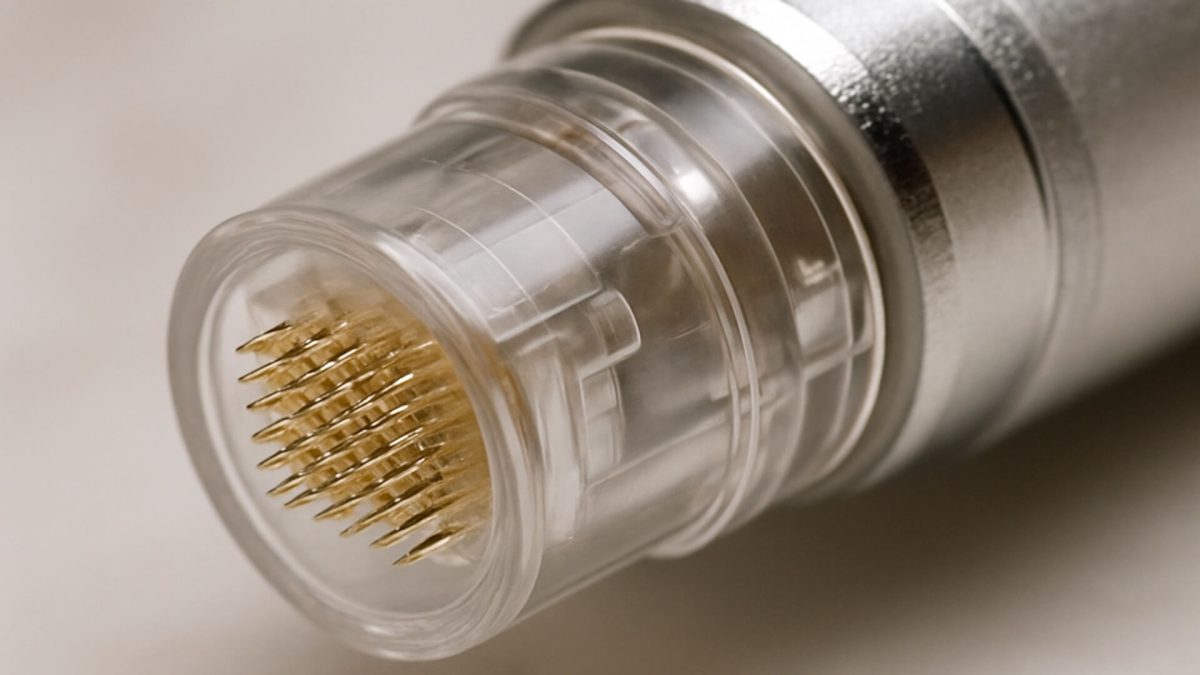
Microneedling creates controlled micro channels that drive collagen. Courses of four sessions show visible wrinkle reduction across studies [7].
Fractional CO2 lasers can tighten, reduce laxity, and refine lines on the neck with durable improvements under expert care [8].
Lifestyle Modifications
Regular exercise supports circulation to the skin. Seven to nine hours of sleep aids repair. Stress care helps limit cortisol related ageing signals [9].
Home Remedies For Neck Wrinkles
Coconut oil and aloe vera may hydrate. Egg whites may feel tightening. Evidence for lasting anti wrinkle effects is limited, so use alongside proven care.
Treatment Type
Summary
Topical treatments
Retinoids, hyaluronic acid, and peptides reduce lines by supporting collagen and hydration [1 to 5]
Professional treatments
Peels, microneedling, and lasers improve tone and elasticity with planned courses [6,7,8]
Lifestyle modifications
Exercise, sleep, and stress care support circulation and repair
Home remedies
Hydrate or briefly tighten, but lasting change lacks strong evidence
Table 1: Options for neckline wrinkles
Personalised Skincare With Monderma
Monderma offers prescription strength skincare that targets texture, tone, and resilience. Actives can include tretinoin, hyaluronic acid, and niacinamide.
GPhC registered prescribers tailor formulas to goals, routines, and sensitivities. This supports steady progress, safe use, and simple morning to night plans.
Conclusion & Next Steps
Daily protection and steady night care build visible gains. Planned procedures can deepen results while home routines keep comfort on track.
By integrating pharmacist led care with evidence based formulations, Monderma supports long term skin resilience. Begin your personalised skincare consultation for a plan that fits.
Content is for informational purposes only. Monderma treatments are prescribed following consultation. Results and timeframes can vary. Use as directed by your prescriber.
References
Reilly DM, Lozano MM. Skin collagen through the lifestages: importance for healthy ageing. Dermatol Pract Concept. 2021;11(1):e2021012
Lincolnshire NHS. Sun safety this Summer. Lincolnshire ICB. 2022
Sitohang IBS. Topical tretinoin for treating photoaging: a systematic review. Dermatology Reports. 2022
Oe M, Sakai S, Yoshida H, Okado N, Kaneda H, Masuda Y, Urushibata O. Oral hyaluronan relieves wrinkles: a double blinded, placebo controlled study over a twelve week period. Clin Cosmet Investig Dermatol. 2017;10:267 to 273
Dierckx S, et al. Collagen peptides affect collagen synthesis and the skin’s collagen content. Front Cell Dev Biol. 2024
Sitohang IBS, et al. Trichloroacetic Acid Peeling for Treating Photoaging. J Clin Aesthet Dermatol. 2021;14(8):S12 to S17
Ablon G. Safety and effectiveness of an automated microneedling device in improving the signs of aging skin. J Clin Aesthet Dermatol. 2018;11(8):29 to 34
Oram Y, et al. Neck rejuvenation with fractional CO2 laser: long term results. J Clin Aesthet Dermatol. 2008
Understanding the distinctions between a morning skincare routine and a night skincare routine helps readers make confident choices that support calm, healthy, radiant skin.
In this article, you will learn how each routine serves a unique purpose, which skincare products to prioritise at different times, and how simple habits build a balanced, resilient complexion.
Morning Routine: Protection & Prep
The morning skincare routine prioritises defence from ultraviolet light, pollution, and oxidative stress. A large share of visible skin ageing is linked with sun exposure [1].
A morning skincare routine order builds a protective barrier, reduces daytime damage, and prepares the skin for makeup so finish and wear remain consistent and comfortable.
Key Steps
Step
Key considerations
Cleanser
Use a gentle, low pH option to remove overnight sweat and oil without stripping natural lipids [8]
Toner
Choose hydrating humectants such as hyaluronic acid to support supple feel and absorption [3]
Serum
Select by concern. Hyaluronic acid supports hydration. Vitamin C may limit UV induced free radicals [4]
Moisturiser
Use a lightweight daytime texture to lock in water, sit well under makeup, and maintain softness [9]
Sunscreen
Use broad spectrum SPF 30 or higher. Reapply every two to three hours in direct sun for protection [2,5]
Table 1: Morning routine steps
Ultraviolet radiation induces DNA photodamage and reactive oxygen species that drive wrinkles and pigment changes [1,10]. Consistent sunscreen use reduces photoageing signs [2].
Night Routine: Repair & Renewal
Night supports repair while daily stressors are lower. Skin permeability can rise in the evening which may enhance absorption of active ingredients during sleep [7].
This is the best time to target fine lines and wrinkles, acne, or hyperpigmentation with treatments that are less suitable in daylight due to light or irritation risks.
Key Steps
Step
Key considerations
Makeup remover
Use for heavy makeup or water resistant sunscreen to avoid clogged pores and to allow later steps to work [8]
Cleanser
Double cleanse when needed. Start with oil based, then follow with water based to lift pollutants and sebum [8]
Toner
Hydrating toners add moisture and prepare the skin for treatments while supporting a calm barrier feel [3]
Treatment
Use retinol or AHAs for turnover or exfoliation. Retinol is best at night due to photosensitivity [6]
Serum
Night serums can be richer. Peptides may support collagen related goals alongside hydration support [6]
Moisturiser
Choose a heavier night cream to lock in water and support overnight comfort and barrier recovery [9]
Eye cream
Use humectants such as hyaluronic acid for thin periocular skin to support hydration and elasticity [3]
Table 2: Night routine steps
Topical retinoids such as tretinoin stimulate collagen synthesis and reduce collagen breakdown, improving wrinkles and texture over months [6]. Introduce slowly and patch test [11].
Key Differences & Timing
The morning skincare routine focuses on protection with lightweight textures, antioxidants, and sunscreen to counter environmental damage [1,3,5].
The night skincare routine emphasises repair with retinoids or exfoliating acids that can increase photosensitivity or irritation if used before sun exposure [6].
Practical Tips For Better Results
Consistency matters. Changes such as softer lines or reduced hyperpigmentation often require weeks to months of regular use [6]. Patch test new actives first to lower irritation risk [11].
Listen to your skin. Increase emollience in colder months or when dryness is present. Heavier night moisturisers can improve comfort and barrier feel [9].
Hydration may help when baseline intake is low. Water intake can support hydration, while elasticity and detox claims remain limited in evidence [12].
A varied diet with antioxidants, vitamins, and minerals supports overall skin health. Supplement effects on UV related ageing remain mixed in studies [6].
Personalised Care & Next Steps
Monderma offers tailored prescription skincare for acne, ageing skin, hyperpigmentation, and rosacea, using ingredients such as adapalene, azelaic acid, and tretinoin.
Our clinicians align treatments to your goals, routines, and lifestyle so morning and night steps fit smoothly and support steady progress without complexity.
Conclusion
Daily protection in the morning and focused renewal at night address the natural rhythm of the skin. Consistency, gentle adjustments, and sun habits build long term resilience.
By integrating pharmacist led care with evidence based formulations, Monderma supports long term skin resilience. Begin your consultation to receive personalised recommendations for your skin.
Content is for informational purposes only. Monderma treatments are prescribed following consultation. Results and timeframes can vary. Use as directed by your prescriber.
References
Flament F, Bazin R, Laquieze S, et al. Effect of the sun on visible clinical signs of aging. Clin Cosmet Investig Dermatol. 2013;6:221 to 232
Guan LL, Mohammad TF, Lim HW. Sunscreens and photoaging: a review of current literature. Am J Clin Dermatol. 2021;22(6):819 to 828
Papakonstantinou E, Roth M, Karakiulakis G. Hyaluronic acid: A key molecule in skin aging. Dermatoendocrinol. 2012;4(3):253 to 258
Telang PS. Vitamin C in dermatology. Indian Dermatol Online J. 2013;4(2):143 to 146
American Academy of Dermatology. Sunscreen FAQs. 2023
Mukherjee S, Date A, Patravale V, et al. Retinoids in the treatment of skin aging: An overview of clinical efficacy and safety. Clin Interv Aging. 2006;1(4):327 to 348
Khmaladze I, Leonardi M, Fabre S, et al. The skin interactome: A holistic genome microbiome exposome approach to understand and modulate skin health and aging. Clin Cosmet Investig Dermatol. 2020;13:1021 to 1040
Ananthapadmanabhan KP, Moore DJ, Subramanyan K, et al. Cleansing without compromise: The impact of cleansers on the skin barrier and the technology of mild cleansing. Dermatol Ther. 2004;17(Suppl 1):16 to 25
Lodén M. The clinical benefit of moisturizers. J Eur Acad Dermatol Venereol. 2005;19(6):672 to 688
Role of reactive oxygen species in ultraviolet induced photodamage and photocarcinogenesis. Front Cell Dev Biol. 2024
How to perform a patch test for skincare products. Medical News Today
Does dietary fluid intake affect skin hydration in healthy humansA systematic review and meta analysis. Nutr Res Rev. 2018
In dermatology, new treatments often offer significant advancements in managing skin conditions. Trifarotene is a fourth-generation retinoid that is gaining attention for its selective mechanism in treating acne and other skin concerns.
In this article, we explore how trifarotene works, compare it with other retinoids like tretinoin, and discuss the benefits it offers for those with acne and sensitive skin.
Mechanism Of Action
Trifarotene is a fourth-generation retinoid that selectively activates the retinoic acid receptor gamma (RAR-γ) [1,2]. This specificity distinguishes it from earlier retinoids, which affect multiple receptor subtypes, increasing the potential for side effects [1,2].
By binding specifically to RAR-γ, trifarotene promotes skin cell turnover and reduces inflammation, helping treat acne without the widespread effects typical of other retinoids [2,4]. Its targeted action minimizes systemic absorption, lowering the risk of side effects [3,4].
Trifarotene Vs Tretinoin
Tretinoin is a widely used retinoid for acne but has a broader mechanism of action, affecting multiple retinoic acid receptors (RAR-α, RAR-β, RAR-γ) [1,3]. While effective, this non-selective activity can cause skin irritation and peeling, making it less suitable for sensitive skin [1,2,3].
Trifarotene’s selective targeting of RAR-γ offers a more refined therapeutic profile. It is effective in reducing both inflammatory and non-inflammatory acne lesions while being better tolerated by those with sensitive skin [3,4]. However, direct comparative trials with tretinoin are still lacking [3,4].
Trifarotene has demonstrated significant efficacy in clinical trials for acne, with a lower incidence of adverse effects compared to tretinoin [3,4]. In phase III trials, trifarotene cream applied once daily showed success rates of 29.4% for facial acne and 42.3% for truncal acne, outperforming vehicle creams [3].
Its efficacy extends beyond acne treatment, as it may help reduce atrophic acne scars. A phase IV study demonstrated a 24% reduction in scar count after 24 weeks of trifarotene treatment [5]. Common side effects include mild erythema, scaling, and dryness [3,4].
Benefits Of Trifarotene
Targeted Skin Treatment
Trifarotene provides a targeted treatment for acne by focusing on RAR-γ receptors. This selective action confines its therapeutic effects to the skin, minimizing the risk of systemic side effects and improving adherence [2,4].
Comprehensive Acne Management
Trifarotene is effective for both inflammatory and non-inflammatory acne lesions, offering a comprehensive treatment approach. It reduces inflammation, promotes skin cell turnover, and addresses the root causes of acne [3,5].
Improved Tolerability
One of the key benefits of trifarotene is its improved tolerability. Unlike other retinoids, it causes fewer irritations, making it a more suitable option for long-term use, especially in patients with sensitive skin [1,2,3]. This enhanced tolerability encourages consistent use, leading to better treatment outcomes [5].
Conclusion
Trifarotene represents a significant advancement in acne treatment, offering targeted, effective, and well-tolerated therapy. Its selective action provides enhanced efficacy with minimal side effects, distinguishing it from traditional retinoids like tretinoin. Trifarotene’s unique profile makes it a suitable choice for individuals with sensitive skin or those who require a gentler approach.
For those seeking a tailored acne treatment, trifarotene cream offers a promising option. To explore how Monderma’s personalised treatments may enhance your skincare routine, consider completing our free consultation.
Content is for informational purposes only. Monderma treatments are prescribed following consultation. Results and timeframes can vary. Use as directed by your prescriber.
References
Balak DMW. Topical trifarotene: a new retinoid. British Journal of Dermatology. 2018;179(2):241-242.
Cosio T, Di Prete M, Gaziano R, et al. Trifarotene: A Current Review and Perspectives in Dermatology.Biomedicines. 2021;9(3):237.
Brumfiel CM, Patel MH, Bell KA, Cardis MA. Assessing the Safety and Efficacy of Trifarotene in the Treatment of Acne Vulgaris.Ther Clin Risk Manag. 2021;17:755–763.
Australian Prescriber. Trifarotene for Acne. Aust Prescr. 2021;44(3):101-102.
Schleicher S, Moore A, Rafal E, et al. Trifarotene Reduces Risk for Atrophic Acne Scars: Results from A Phase 4 Controlled Study.Dermatol Ther (Heidelb). 2023;13(12):3085-3096.
Alopecia areata is an autoimmune disease that leads to patchy hair loss. It affects people of all ages and ethnicities and can be emotionally challenging. Understanding its causes and treatment options is essential for managing this condition.
In this article, we explore the genetic, immune, and environmental factors behind alopecia areata, its symptoms, and available treatments to promote hair regrowth.
Causes Of Alopecia Areata
Genetic Factors
Alopecia areata has a significant genetic component, with a higher prevalence in those with a family history of autoimmune diseases. Ongoing research is uncovering more hereditary aspects of the condition [2,5].
Immune System Involvement
Alopecia areata occurs when the immune system attacks hair follicles. T-lymphocytes and cytokines disrupt the hair growth cycle, and understanding these immune pathways has led to emerging therapies like JAK inhibitors [3,6].
Environmental Triggers
Stress and viral infections can trigger or exacerbate alopecia areata. While lifestyle factors help manage symptoms, the evidence for specific environmental triggers is still limited [2,3,4].
Symptoms Of Alopecia Areata
The main symptom is sudden, round or oval patches of hair loss, commonly on the scalp. It can also affect the beard, eyebrows, and eyelashes. In severe cases, complete baldness or body-wide hair loss may occur. Nail pitting and changes in texture often accompany hair loss [2,3,7].
Diagnosis Of Alopecia Areata
Diagnosis is based on clinical examination, with scalp biopsies or blood tests sometimes used to rule out other conditions. Early diagnosis helps ensure effective treatment and better outcomes [3].
Treatment Options For Alopecia Areata
There is no cure for alopecia areata, but several treatments can promote hair regrowth. These include topical corticosteroids, immunotherapy, minoxidil, and emerging options such as JAK inhibitors. While JAK inhibitors show promise, long-term safety remains uncertain [6].
Treatment Options Overview
Treatment
Description & Use
Benefits
Key Considerations
Topical corticosteroids
Potent steroids for patchy AA
Speeds recovery in patchy AA
Not effective for extensive AA, folliculitis [3]
Intralesional steroids
Injection into affected patches
Local regrowth
Multiple injections, skin atrophy [3]
Systemic corticosteroids
Oral/IV for severe AA
Rapid regrowth in some cases
Relapse common, side effects [3]
Topical immunotherapy
DPCP/SADBE for resistant AA
Moderate regrowth
20–30% success rate, dermatitis [3]
Minoxidil
Topical adjunct
Limited benefit
Not first-line, evidence limited [3]
JAK inhibitors
Immune pathway therapy
Some regrowth in trials
Research phase, safety unproven [5,6,7]
Table 1: Key Treatment Options for Alopecia Areata
Living With Alopecia Areata
Remission is possible in up to half of cases, especially with limited patchy scalp loss. However, relapses are common. Long-term monitoring and psychological support are essential for quality of life [1,3,4].
Prevalence & Burden Of Alopecia Areata
Alopecia areata affects around 2% of the global population. The condition is linked to higher rates of depression and anxiety, making psychosocial support crucial for managing its impact [1,4].
Conclusion
Alopecia areata remains a challenging autoimmune disease, but modern treatments address immune mechanisms and provide hope for regrowth. Psychological support is vital for coping with the emotional impact, and ongoing research and patient education are essential for improving outcomes.
Explore how Monderma’s personalised treatments may support your overall skincare needs through our free online consultation.
Content is for informational purposes only. Monderma treatments are prescribed following consultation. Results and timeframes can vary. Use as directed by your prescriber.
References
Harries M, Macbeth AE, Holmes S, et al. The epidemiology of alopecia areata: a population-based cohort study in UK primary care. Br J Dermatol. 2022;186(2):257-265.
Alopecia areata – Symptoms, diagnosis and treatment. BMJ Best Practice. Updated September 22, 2022.
Pratt CH, King LE Jr, Messenger AG, Christiano AM, Sundberg JP. Alopecia areata. Nat Rev Dis Primers. 2017 Mar 16;3:17011.
Eicken K, Ruge IF, Lindeblom A, Halling A, Egeberg A, Thyssen JP. Patient characteristics and disease burden of alopecia areata in the Danish Skin Cohort. BMJ Open 2022;12:e053137.
Familial patterns of alopecia areata: A systematic review and meta-analysis. J Dermatol Sci. 2023;112(3):215-222.
Janus Kinase Inhibitors for Alopecia Areata: A Systematic Review and Meta-analysis. JAMA Netw Open. 2023;6(5):e236264.
Baricitinib for treating severe alopecia areata. NICE. 2023.
Understanding the shelf life of skincare is essential because expired formulas may irritate the skin or lose their intended benefits, especially when used daily.
In this article, we outline how shelf life works, what affects product stability, and how to recognise when it is time to remove products from your routine.
Why Shelf Life Matters
Skincare shelf life describes how long a product stays effective and safe, and each formula behaves differently depending on its ingredients and packaging [1,2].
Expired items may become contaminated or lose potency, and this is especially important for sunscreen and prescribed topical treatment where efficacy matters most [1,5].
Factors That Affect Stability
Products degrade over time as preservatives weaken, which increases the chance of bacterial growth when containers are exposed to air or moisture [2,3].
Active ingredients such as vitamin C oxidise quickly when exposed to light, which reduces their impact even if the product still looks usable [4].
Shelf Life Influences
Factor
Impact
Ingredients
Natural formulas degrade faster
Packaging
Pumps limit air and light
Storage
Heat reduces stability
Product type
Sunscreens lose potency
Table 1: Key factors affecting product longevity
How To Spot Expired Skincare
Checking the expiration date helps identify when items are no longer safe, and products with a PAO symbol show how long they can be used after opening [1,2].
Changes in smell, colour, or consistency often indicate instability, as oxidised vitamin C may darken and creams may separate or become grainy [4].
Typical Shelf Lives
Some product categories stay stable longer than others, with sunscreens requiring particular care because expired formulas may fail to protect the skin [5].
Moisturisers, cleansers, and serums each vary depending on actives, water content, and packaging style.
Product
Typical shelf life
Moisturisers
Six to twelve months
Sunscreens
One to three years
Cleansers
About twelve months
Serums
Six to twelve months
Masks
Six to eight months
Table 2: Common shelf life ranges after opening
Storage Tips For Freshness
Cool, dry conditions help keep products stable, and sealing containers tightly limits exposure to air and moisture, which protects sensitive actives [2].
Using clean tools and avoiding double dipping helps prevent contamination, especially in jar packaging that contacts the skin more directly.
When To Discard Old Products
If a cream becomes runny or a serum develops an unusual scent, it may be safer to discard it even if the date has not passed.
Any product that causes new irritation should be removed from use, as chemical changes can sensitise the skin and disrupt your routine.
Monderma Support For Skin Health
Monderma provides personalised prescription skincare for acne, ageing skin, hyperpigmentation, and rosacea, offering fresh formulations designed for safety and effectiveness.
These products are prepared in controlled conditions and renewed regularly, supporting a consistent approach to clarity, balance, and long term skin resilience.
Conclusion
Understanding shelf life helps maintain safe and effective skincare, and recognising changes in texture or smell allows you to adjust your routine with confidence.
Readers seeking tailored support can explore our personalised skincare consultation, offering guidance that complements fresh and reliable daily skincare habits.
Content is for informational purposes only. Monderma treatments are prescribed following consultation. Results and timeframes can vary. Use as directed by your prescriber.
References
MHRA. Medicines Packaging And Labelling
Donald S. Orth. Cosmetic Microbiology
Herrera AG. Microbiological Analysis Of Cosmetics
Telang PS. Vitamin C In Dermatology
Brinker TJ, et al. Skin Cancer Prevention Intervention
Erythromycin is an established antibiotic used to treat several skin related infections, including acne and rosacea, particularly when first line options are not appropriate [1 to 5].
In this article, we outline how erythromycin works, how it is used, and what people can expect from its dosage, side effects, and wider clinical applications.
How Erythromycin Works
Erythromycin belongs to the macrolide group and slows bacterial growth by affecting protein synthesis, which supports recovery in certain skin conditions [1].
It is available as oral tablets, liquid preparations, and limited topical forms, with oral treatment remaining the most common approach for acne and rosacea [1 to 3].
Uses In Skin Conditions
Doctors may prescribe erythromycin for infections such as cellulitis or impetigo when penicillins are unsuitable, including during pregnancy [1,5].
It may also help acne when tetracyclines cannot be used, with regimens sometimes continued for several weeks under supervision [8].
Erythromycin & Rosacea Care
Erythromycin can be an alternative option for rosacea in cases where tolerance or pregnancy limits other choices, offering a route for symptom control [2,6].
People may notice gradual improvement over a number of weeks, depending on the severity of symptoms and consistency of use.
Ophthalmic Use & Safety
Erythromycin ophthalmic ointment treats bacterial eye infections and is also used to reduce the risk of neonatal conjunctivitis [7].
The ointment is applied directly to the lower eyelid pouch, ensuring clean application without contact between the tube and skin [9].
Dosage & Administration
Adult oral dosing often ranges from 250 mg to 500 mg every few hours, with a maximum of 4 g daily under specialist guidance [1].
Paediatric dosing is calculated by weight, and liquid formulations allow easier administration for younger patients.
Consistency & Missed Doses
Missed doses can usually be taken when remembered unless the next dose is due soon, in which case the schedule should continue without doubling.
Completing the full course supports treatment success and reduces the risk of bacterial resistance, even if symptoms improve early.
Erythromycin In Pregnancy
Clinicians may consider erythromycin safe for use during pregnancy when required, although alternative antibiotics may be preferred for some infections [5,6].
Small amounts pass into breast milk, but this is not usually expected to cause harm in healthy infants under routine monitoring [5].
Side Effects & Tolerance
Common side effects include nausea, abdominal discomfort, and loose stools, which sometimes improve when taken after food [1,2,4,5].
More serious reactions are uncommon but may include allergy or changes in heart rhythm, and these require prompt medical advice if they occur [4 to 6].
Alcohol & Treatment Response
Alcohol does not reduce the effectiveness of erythromycin, though it may worsen digestive side effects in some people [1,5].
People taking other medicines should consult a clinician to check for potential interactions and ensure safe, coordinated care.
Summary Table
Topic
Key point
Oral use
Common for acne and rosacea
Eye ointment
Treats bacterial eye infections
Side effects
Often mild digestive changes
Suitability
Option when penicillin is unsuitable
Table 1: Overview of erythromycin use
Monderma Support For Skin Concerns
Monderma provides personalised prescription skincare for acne, ageing skin, hyperpigmentation, and rosacea, using ingredients such as tretinoin, azelaic acid, and niacinamide.
These formulations are tailored through clinical assessment to support clarity, texture, and comfort within a structured routine.
Conclusion
Erythromycin remains a valuable option for certain skin infections and for conditions where first line treatments may not be suitable or tolerated.
Readers seeking tailored support for their skin concerns can access guidance through our personalised skincare consultation, offering individualised care for long term skin health.
Content is for informational purposes only. Monderma treatments are prescribed following consultation. Results and timeframes can vary. Use as directed by your prescriber.
References
NHS. Erythromycin: Antibiotic To Treat Infections
NHS. About Erythromycin
Medicines for Children. Erythromycin For Bacterial Infections
Pruritus is a common sensation that can feel distracting or intrusive, and it often becomes more noticeable as skin becomes drier or more reactive with age.
In this article, we explore what causes pruritus, how symptoms vary, and when it is important to seek medical support for safe and effective care.
Understanding Pruritus
Pruritus is a symptom rather than a condition, and it reflects activity within the nerves, skin, and immune system that creates the urge to scratch [1,2].
It can be acute or chronic, limited or widespread, and severity depends on factors such as age, skin health, and underlying medical issues [2].
Prevalence & Risk Groups
Pruritus affects people worldwide, with higher rates seen in older adults, women, and individuals who already live with skin disease [2].
Widespread or long lasting itch may indicate an underlying cause, some of which relate to dermatological, environmental, or systemic factors [1,3].
Group
Prevalence insight
Older adults
Higher overall rates [2]
Women
Increased prevalence [2]
Skin disease
More frequent itch [2]
Table 1: Groups with higher pruritus rates
Dermatological & Environmental Causes
Skin conditions such as eczema, psoriasis, and contact dermatitis often cause inflammation that leads to recurrent itching episodes [2,5].
Dry skin is another common cause, especially in cooler months or low humidity environments, and may worsen with soaps or hot water [1].
Systemic & Medication Related Factors
Pruritus can sometimes signal systemic conditions, including thyroid disorders, liver disease, or chronic kidney disease, each requiring medical assessment [4].
Certain medicines may also trigger itch, and symptoms may appear gradually with ongoing use rather than immediately after starting treatment.
Infections & Other External Triggers
Fungal infections, insect bites, or infestations such as scabies can cause intense, persistent itch that often requires targeted treatment [2].
Environmental irritants, fragrances, and some detergents may also exacerbate symptoms, particularly for people with reactive or sensitive skin.
Approaches To Itch Relief
Moisturising the skin regularly supports comfort and reduces dryness, which helps ease itch sensations in many cases [1].
Cool compresses, gentle cleansing, and avoiding irritating products may offer additional relief while supporting the skin barrier.
General Measures & Symptom Care
Antihistamines may help with allergic triggers, while topical steroids can support short term management of inflamed skin under supervision [5].
Lukewarm showers and mild cleansers help maintain surface hydration, limiting the itch scratch cycle that can worsen discomfort.
Method
Description
Emollients
Help retain moisture
Antihistamines
Useful for allergies
Cool compresses
Provide short term relief
Mild cleansers
Reduce further irritation
Table 2: Common approaches for symptom care
When To Seek Medical Support
Persistent or severe itching should be reviewed, particularly when symptoms do not improve with moisturisers or avoidance of known triggers [1].
Accompanying signs such as weight loss, fatigue, or jaundice may indicate systemic causes and require prompt clinical evaluation.
Diagnostic Steps & Assessment
Healthcare providers may use history, examination, blood tests, or occasionally a skin biopsy to determine the underlying cause [1,2].
Understanding the source of pruritus helps guide treatment, especially where chronic itch affects sleep, comfort, or emotional wellbeing.
Treatment Approaches
Treatment varies according to the cause and may involve dermatological therapies, systemic management, or symptom focused care [2,4].
When no clear cause is identified initially, supportive treatments such as emollients and soothing creams help maintain comfort over time.
Monderma Support For Skin Concerns
Monderma provides personalised prescription skincare for acne, ageing skin, hyperpigmentation, and rosacea, offering targeted support for clarity and comfort.
These treatments are designed to fit individual needs and provide structured guidance that complements overall skin health and wellbeing.
Conclusion
Pruritus can arise from many causes, and understanding when to seek help supports safer, more effective management of persistent or unexplained itch.
Readers looking for tailored guidance can access support through our personal skincare consultation, offering individualised care for long term skin health.
Content is for informational purposes only. Monderma treatments are prescribed following consultation. Results and timeframes can vary. Use as directed by your prescriber.
References
Ständer S, et al. Prevalence Of Chronic Pruritus In Germany
Yosipovitch G, et al. International Study On Prevalence Of Itch
Chen S, et al. Risk Factors Of Senile Pruritus
Kim D, Pollock C. CKD Associated Pruritus
Pereira MP, et al. Psychological Morbidity In Psoriasis
Introducing a new skincare product can feel uncertain, especially when sensitivities or past reactions shape how comfortable your skin feels with change.
In this article, we outline how a patch test works, why reactions occur, and how simple steps can help you assess new products with greater confidence.
Understanding Skin Reactions
Different skin types respond uniquely to ingredients, and reactions may appear as redness, itching, or discomfort depending on sensitivity levels [1,2].
Allergens such as fragrances or preservatives can trigger contact dermatitis, and reactions may develop slowly over several hours or even days [2,7].
Reaction Considerations & Prevalence
Around one fifth of people experience contact dermatitis at some point, and reactions often relate to common allergens found in everyday products [1,6].
Fragrance sensitivities appear frequently in allergy clinics, though population rates remain lower, reflecting varied exposure and individual tolerance [2,7].
Factor
Description
Prevalence
Up to twenty percent affected [1,6]
Fragrances
Common cause of reactions [2,7]
Delay
Reactions may appear after days [2,6]
Table 1: Factors related to contact reactions
Steps For Patch Testing
Selecting a discreet area such as the inner forearm helps you monitor responses while reducing exposure to sunlight and daily friction [5,6].
Cleanse the area gently, apply a small amount of product, and cover lightly to help the application remain consistent during the observation period [2].
Observation & Response Timing
Most reactions appear within one to two days, though sensitive skin may reveal changes later, which makes extended observation useful [2,7].
If discomfort occurs, rinse the area with water and allow the skin to settle before considering further use of the product [1,2].
Sensitive Skin Considerations
Sensitive skin benefits from slower introduction, smaller product amounts, and extended monitoring that captures potential delayed reactions [2,7].
Essential oils and preservatives may provoke stronger irritation for some people, even when labelled as gentle or suitable for daily use [2].
Prescription Product Caution
Prescription skincare includes highly active ingredients such as adapalene or tretinoin, and these require careful guidance because of their irritation potential [2,3].
Consulting a clinician before testing or introducing these products helps ensure safe use, especially where skin sensitivity is already noticeable.
Common Irritants & Pattern Recognition
Fragrance blends, essential oils, and some preservatives can increase the risk of reactions, and patch testing one product at a time supports clarity [7].
Recording your observations helps identify patterns, especially where multiple products contain similar ingredients across routines.
Ingredient
Potential concern
Fragrance
May provoke irritation [7]
Preservatives
Rare but possible reactions [7]
Essential oils
Can irritate sensitive skin [2]
Table 2: Common skincare irritants
What To Do If A Reaction Occurs
Rinsing the area promptly helps reduce discomfort, and a gentle moisturiser may offer calming support while the skin settles [5].
If symptoms persist or worsen, seeking dermatology advice ensures any underlying irritant or allergy is identified and addressed [2].
Monderma Support For Skin Concerns
Monderma offers personalised prescription skincare to support acne, ageing skin, hyperpigmentation, and rosacea, using ingredients such as azelaic acid, tretinoin, and niacinamide.
These products are guided by clinical assessment, ensuring that active ingredients are introduced safely while supporting clarity and comfort across skin types.
Conclusion
Patch testing is an effective way to assess how your skin responds to new products, especially when sensitivity or past reactions influence daily skincare choices.
Readers seeking tailored guidance can receive support through our guided skincare consultation, offering personalised recommendations for long term skin health.
Content is for informational purposes only. Monderma treatments are prescribed following consultation. Results and timeframes can vary. Use as directed by your prescriber.
References
NHS. Contact Dermatitis Diagnosis
DermNet NZ. Patch Tests
NICE. Drug Allergy Guidance
University of Miami Health System. Patch Testing For Allergies
Patch Testing In Suspected Allergic Contact Dermatitis
British Association of Dermatologists. Patch Testing
A well chosen moisturiser helps maintain hydration and supports a smoother, more comfortable complexion, especially as skin needs change with age or environment.
In this article, we outline how skin type, texture preferences, and ingredient choices work together to help you select a moisturiser that suits your needs.
Understanding Skin Types
Identifying your skin type helps narrow choices, since each type responds differently to moisture levels and ingredient combinations [1].
Oily skin often prefers light textures, while dry skin benefits from richer creams. Sensitive, combination, and normal skin each have varying comfort needs [1,2,3].
Skin Types & Their Needs
Skin type
Ideal moisturiser
Oily
Light gel textures
Dry
Rich hydrating creams
Combination
Balanced lotions
Sensitive
Gentle fragrance free creams
Normal
Lightweight daily creams
Table 1: Moisturiser choices by skin type
Key Ingredients & Their Benefits
Hyaluronic acid attracts water and supports hydration in dry or combination skin, helping maintain softness and flexibility [4].
Salicylic acid supports clearer pores in oily or blemish prone skin, while niacinamide helps regulate oil and improve surface balance [5].
Soothing Ingredients & Barrier Care
Aloe vera and chamomile offer gentle calming support for people prone to redness, providing lighter comfort for sensitive areas [3].
Peptides and retinol support surface renewal in ageing skin, though retinol should be introduced gradually to maintain tolerance [6].
Moisturiser Formulations & Texture
Creams suit dry skin because they hold more moisture, while lotions provide lighter hydration suited to mixed or normal skin types.
Gels offer oil free hydration preferred by oily skin, supporting comfort without adding heaviness or residue.
Application Technique & Routine Flow
Applying moisturiser after cleansing helps lock in hydration, and massaging upward can support even absorption across the face and neck.
Allowing a moment for the product to settle helps maintain comfort and improves the layered feel of your routine.
Tips For Choosing A Moisturiser
Patch testing can be helpful for sensitive skin, especially when adding new active ingredients to your routine [3].
SPF is important for daytime skin protection, and guidance recommends regular daily use to limit UV related concerns [7].
Monderma Support For Skin Concerns
Monderma creates personalised prescription skincare for acne, ageing skin, hyperpigmentation, and rosacea, using ingredients such as tretinoin, azelaic acid, and niacinamide.
These formulations provide structured support for clarity, texture, and resilience, offering targeted benefits that enhance the results of daily moisturising.
Conclusion
Choosing the right moisturiser means understanding your skin type, selecting ingredients that align with your needs, and applying them consistently for long term comfort.
Readers seeking tailored guidance can receive support through our personal skincare consultation, offering personalised advice for ongoing skin health.
Content is for informational purposes only. Monderma treatments are prescribed following consultation. Results and timeframes can vary. Use as directed by your prescriber.
References
Zaenglein AL, et al. Guidelines Of Care For Acne Vulgaris
NHS. Mild Dry Skin
Ferreira MS, et al. Sensitive Skin
Papakonstantinou E, Roth M, Karakiulakis G. Hyaluronic Acid
Keratosis pilaris is a common and harmless condition that causes rough patches and tiny bumps, often creating texture changes that many notice on their arms or thighs.
In this article, we explore what keratosis pilaris is, why it develops, and how evidence based approaches may improve comfort and skin feel over time.
What Is Keratosis Pilaris
Keratosis pilaris appears as small bumps caused by keratin plugs within hair follicles, and these bumps can resemble persistent goosebumps across different body areas [1].
The skin may feel dry or rough, and the condition commonly appears on the upper arms, cheeks, thighs, or buttocks, with symptoms varying between individuals [1].
Causes & Contributing Factors
Keratosis pilaris develops when excess keratin blocks follicles, and research highlights the strong influence of genetics in many cases [3].
Dryness, seasonal shifts, and associated conditions can also influence symptoms, especially where the skin barrier is more reactive or less hydrated [1,2].
Factor
Description
Genetics
Often runs in families [3]
Dry skin
Symptoms worsen with low moisture [1]
Seasonal change
Winter dryness may increase bumps [2]
Hormones
Puberty or pregnancy may influence skin [2]
Associations
Linked with atopic conditions [3]
Table 1: Factors related to keratosis pilaris
Diagnosing The Condition
Diagnosis is usually made through a simple clinical assessment, since the pattern and texture of keratosis pilaris are recognisable in most cases [1].
Dermoscopy may show follicular plugs, and a biopsy is only required when other follicular conditions need to be ruled out [4].
Treatment Options & Skin Comfort
There is no cure, but keratosis pilaris can improve with consistent care, focusing on exfoliation, hydration, and gentle support for the skin barrier [5].
Mild approaches often work well, and progress is gradual, with smoother texture developing over several weeks of regular use [3,5].
Exfoliation & Smoother Texture
Chemical exfoliants such as lactic acid or salicylic acid help lift keratin and reduce bumpiness, supporting clearer follicle openings [5].
These ingredients should be used gently, since over exfoliation may irritate the skin and reduce overall comfort, especially in sensitive areas [5].
Hydration & Daily Moisturising
Hydrating creams with urea or lactic acid soften rough patches, and evidence shows noticeable improvements in hydration with regular application [6].
Daily moisturising helps reduce dryness, and mild body washes may prevent further irritation caused by harsher cleansing products [3].
Glycolic Acid & Follicle Care
Glycolic acid supports exfoliation by loosening dead skin cells, and over the counter strengths commonly range from 5 to 12 percent [7].
Higher concentrations have shown short term improvements, although ongoing use of lower strengths is often more suitable for routine comfort [5].
Prescription Approaches & Medical Care
Topical retinoids, including tretinoin and adapalene, may reduce follicular buildup, though they must be used carefully to avoid irritation [7].
Short courses of topical steroids may reduce redness but are not recommended for long term use because of barrier effects [3].
Laser Options & Redness Management
Some patients notice improvement in redness or texture after laser treatments, although long term evidence remains limited [8].
Laser therapy is usually reserved for specific cases and is not routinely recommended where simpler measures offer adequate relief [3].
Lifestyle Choices & Daily Support
Gentle changes may complement treatment, including avoiding long hot showers and choosing soft clothing to reduce friction [1,2].
Maintaining consistent moisture and reducing irritation help support the skin barrier and may reduce seasonal flare ups.
Approach
Benefit
Humidifier use
Helps maintain moisture [1]
Lukewarm showers
Supports barrier oils [3]
Gentle cleansers
Reduces surface irritation [3]
Loose clothing
Limits friction on bumps [2]
Table 2: Home care considerations
When To Seek Professional Advice
A consultation may help when bumps are persistent, uncomfortable, or difficult to distinguish from other follicular conditions [1].
A clinician can confirm the diagnosis and suggest targeted topical options, including retinoids, when keratosis pilaris is more resistant to care [1].
Monderma Support For Skin Concerns
Monderma provides personalised prescription skincare for acne, ageing skin, hyperpigmentation, and rosacea, supporting smoother and calmer skin with active ingredients such as tretinoin and azelaic acid.
These treatments complement general texture care by improving clarity, moisture balance, and long term resilience across changing skin needs.
Conclusion
Keratosis pilaris is harmless but often noticeable, and understanding its causes helps guide gentle and supportive approaches that improve the feel of the skin.
Readers seeking tailored guidance can explore options through our supportive skincare consultation, offering personalised care that adapts to long term skin needs.
Content is for informational purposes only. Monderma treatments are prescribed following consultation. Results and timeframes can vary. Use as directed by your prescriber.
References
Pennycook KB, McCready TA. Keratosis Pilaris
Kodali N, Patel VM, Schwartz RA. Keratosis Pilaris Update
British Skin Foundation. Keratosis Pilaris
Thomas M, Khopkar US. Keratosis Pilaris Revisited
Ly S, Haidari W, Feldman SR. Treatment Of Keratosis Pilaris
McCormick E, Nussbaum D, Friedman A, et al. Urea Cream Evaluation
Wang JF, Orlow SJ. Keratosis Pilaris Subtypes
Kechichian E, Jabbour S, El Hachem L, et al. Laser Approaches For Keratosis Pilaris
Makeup brushes have evolved alongside beauty practices, shaping how people enhance features and express identity across different cultures and eras.
In this article, we explore how cosmetic brushes developed from ancient tools into modern makeup essentials used in daily routines today.
Ancient Origins & Early Craftsmanship
Early cosmetic brushes were formed from wood, bone, and natural fibres, offering simple ways to apply pigments and powders across different societies [1,2,6].
Ancient Egyptians used kohl applicators made from plant fibres, bone, or carved sticks, supporting precise application in daily beauty rituals [1,2,6].
Chinese Influence & Tang Era Innovations
During the Tang Dynasty, cosmetic tools advanced through the introduction of powder brushes made with soft horse hair, supporting smoother and more even application [3,4].
These tools reflected growing interest in cosmetic refinement, and they influenced later approaches to brush design and craftsmanship [3].
Egyptian & Chinese Brush Features
Aspect
Description
Egyptian tools
Carved sticks and fibres for kohl [1,2]
Chinese brushes
Horse hair tools for powders [3,4]
Table 1: Early brush development
Renaissance Refinement & European Craft
The Renaissance encouraged more decorative and precise makeup tools, reflecting the growing status of beauty in European social life [5].
Powder brushes became important as loose powders increased in popularity, and craftsmen focused on soft bristles and elegant handles [5].
Aristocratic Influence & Brush Evolution
European elites commissioned ornate cosmetic brushes with fine natural bristles, helping shape diverse brush sets that resemble modern collections [5].
These developments widened the range of brushes used for powders, foundation, and detail work across different cosmetic styles.
Modern Era & Synthetic Innovation
Technological progress in the twentieth century introduced synthetic bristles, offering alternatives that were durable and easier to clean than natural fibres [7,8,9].
Synthetic bristles supported widespread access to makeup brushes while remaining suitable for liquid foundation and cream formulas [8].
Japanese Craftsmanship & Global Impact
Japanese artisans refined brush making with meticulous attention to shape and softness, elevating these tools into highly respected beauty accessories [10,11].
Their precision techniques continue to influence modern brush design, supporting detailed powder and eyeshadow application.
Cultural Symbolism & Artistic Identity
Makeup brushes carry cultural meaning in many traditions, reflecting artistry, ceremony, and identity across different communities [10,11].
In Japanese geisha practices, brushes assist in creating controlled, smooth foundation looks that form part of ceremonial preparation.
Brush Craft & Artistic Heritage
Brush making remains a celebrated craft, particularly in Japan, where generations of artisans have preserved techniques that shape contemporary brush culture [10,11].
These methods highlight how cosmetic brushes function as both beauty tools and cultural artefacts.
Skin Health & Brush Performance
Skincare plays an essential role in how well makeup brushes perform, since smoother and calmer skin creates an even surface for powders and foundations.
Monderma supports acne, ageing skin, hyperpigmentation, and rosacea concerns with personalised prescription care that enhances comfort and clarity over time.
Conclusion
The history of makeup brushes shows how craftsmanship, culture, and evolving beauty rituals shaped the tools we use today, from ancient Egypt to modern studios.
Readers seeking tailored guidance can access support through our personalised skincare consultation, which provides expert advice for long term skin health.
Content is for informational purposes only. Monderma treatments are prescribed following consultation. Results and timeframes can vary. Use as directed by your prescriber.
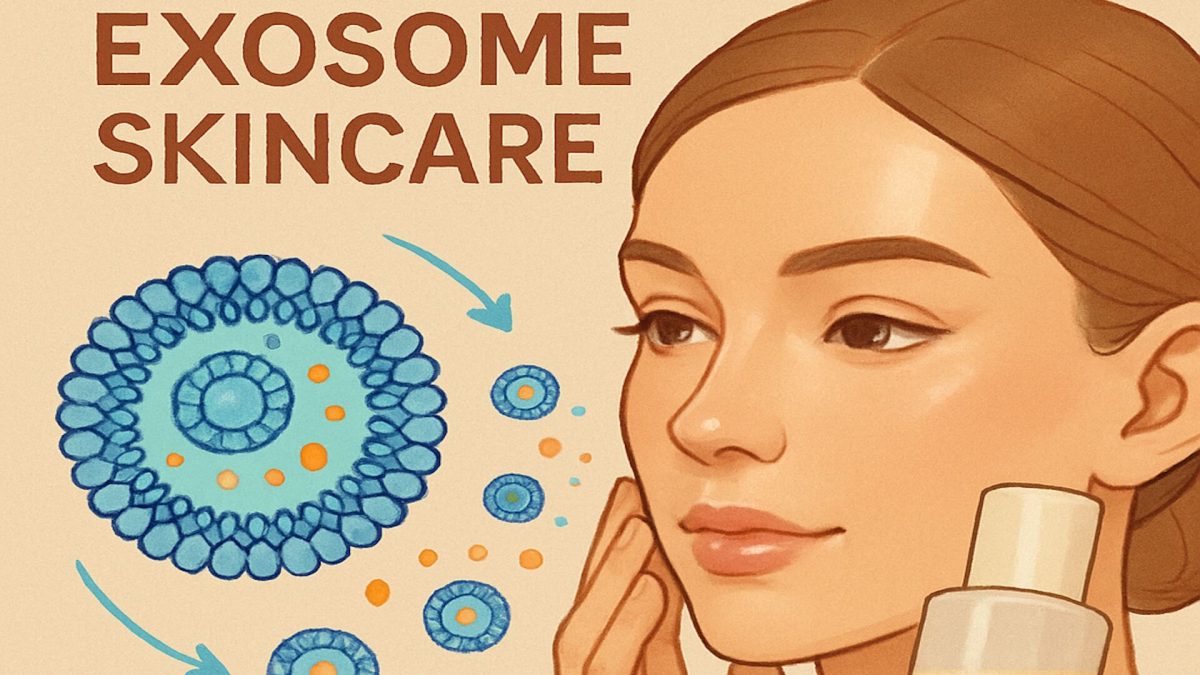
Interest in advanced ingredients continues to grow as people explore new options for skin comfort and resilience across different skin types and ages.
In this article, we outline how exosomes, PDRN, postbiotics, and adaptogens are being studied, and how these ingredients may fit into supportive skincare routines.
Understanding Exosomes
Exosomes are tiny vesicles that carry proteins and signals between cells, and early studies suggest they may support repair and surface hydration [1,2].
Researchers note potential calming effects and changes in elasticity, though evidence in cosmetic use remains limited at this stage [2].
Exosomes & Skin Features
Aspect
Description
Repair support
May influence cell activity [2]
Hydration
May improve surface comfort [2]
Table 1: Exosome related features
Understanding PDRN
PDRN is a DNA derived ingredient studied for tissue repair and wound recovery, and evidence shows activity in supporting regeneration pathways [3].
Most research focuses on impaired skin rather than healthy cosmetic skin, and findings continue to develop across different study groups [3,5,6].
PDRN & Regeneration
Aspect
Description
Tissue repair
Supports healing pathways [3]
Cellular activity
Influences fibroblasts [3]
Table 2: PDRN related features
Understanding Postbiotics
Postbiotics are non living metabolites formed during fermentation, and early research suggests they may support barrier strength and balanced hydration [4,8].
Their stability makes them suitable for daily formulations, though studies in broader groups are still developing [8].
Postbiotic Features
Aspect
Description
Barrier support
Helps maintain hydration [8]
Microbiome balance
May reduce surface stress [8]
Table 3: Postbiotic related features
Understanding Adaptogens
Adaptogens such as ginseng and ashwagandha are studied for their antioxidant and calming activity, and may support resilience to daily environmental stress [9,10].
Evidence is still emerging, and most research remains early stage or based on preclinical findings [9,10].
Adaptogen Features
Aspect
Description
Redness support
Helps calm irritation [9]
Surface balance
May aid resilience [10]
Table 4: Adaptogen related features
Using These Ingredients
These ingredients may complement routine skincare, though evidence is strongest for repair in impaired skin rather than cosmetic use [2,3,8].
Choices should be made with care, and patch testing can help assess individual comfort with new formulations.
Monderma Support For Skin Concerns
Monderma provides personalised prescription skincare for acne, ageing skin, hyperpigmentation, and rosacea, using ingredients such as tretinoin, azelaic acid, and niacinamide.
These formulations support long term skin comfort and clarity, offering a structured approach that complements general skincare trends.
Conclusion
Emerging ingredients such as exosomes, PDRN, postbiotics, and adaptogens show promise in early research, though most data remain exploratory.
Readers seeking tailored guidance can explore options through our guided skin consultation, which offers personalised care for long term skin health.
Content is for informational purposes only. Monderma treatments are prescribed following consultation. Results and timeframes can vary. Use as directed by your prescriber.
References
Lee Y, El Andaloussi S, Wood MJA. Exosomes And Microvesicles
Najafabadi AH, Yazdanpanah Z, Garousi Mokhtarzadeh D, et al. Exosomes In Skin Photoaging
Bitto A, Polito F, Altavilla D, et al. Pharmacological Activity And Clinical Use Of PDRN
Rawal S, Nath L, Kaur S, et al. Probiotics And Postbiotics
Colangelo MT, Galli C, Guizzardi S. Polydeoxyribonucleotide And Tissue Regeneration
Galeano M, Pallio G, Irrera N, et al. Polydeoxyribonucleotide In Wound Healing
Lee SH, Kim J, Sung JH, Jung J. PDRN And Skin Regeneration
Rawal S, Nath L, Kaur S, et al. Dermal Health And Postbiotics
Liu XX, Zhang JY, Xie JY, et al. Adaptogens In Dermatology
Liu XX, et al. Adaptogen Mechanisms In Skin Support
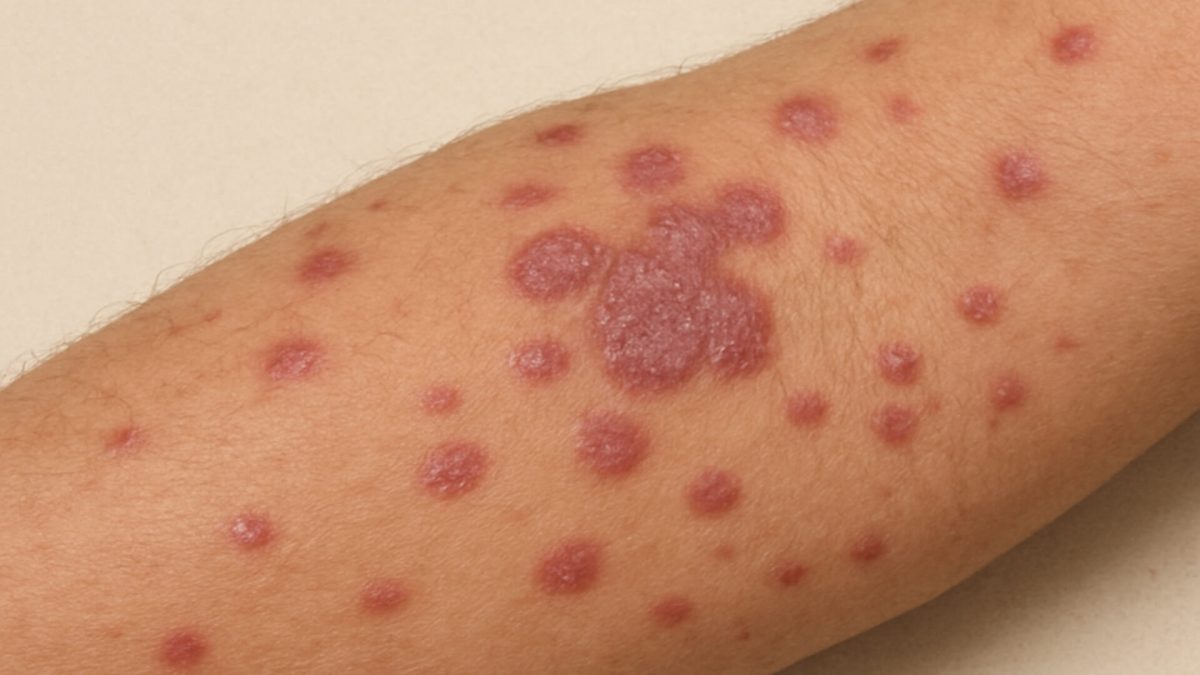
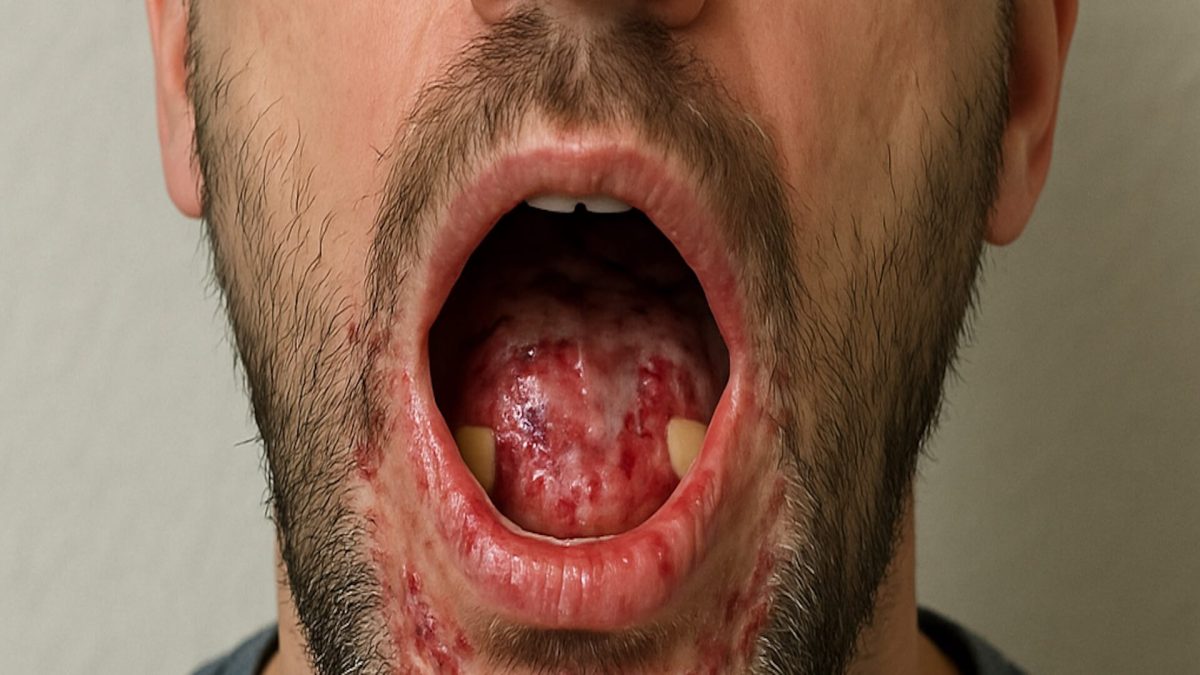
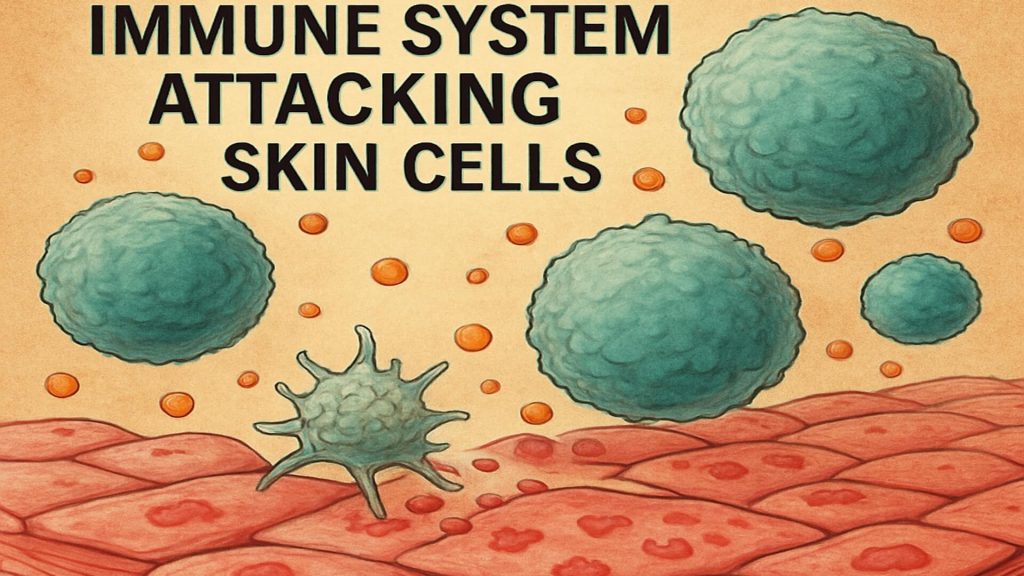
Lichen planus is an inflammatory condition that affects the skin and mucous surfaces, and many notice changes in comfort and appearance as symptoms develop [1,2,3].
In this article, we explore how lichen planus presents, how it is diagnosed, and which management strategies help support long term comfort.
Understanding Lichen Planus
Lichen planus is considered an autoimmune condition where immune activity targets skin and mucous membranes, creating persistent inflammation [1,2,3].
Rates vary worldwide, and oral lichen planus is more common in women over forty, often causing daily sensitivity in the mouth [1,3].
Skin Features & Variants
Cutaneous lichen planus appears as flat topped purple bumps on the skin, often with itching, and these can become darker in skin of colour [1,3].
Oral forms show lacy white patterns or sore areas that become sensitive to spicy or acidic foods and can affect comfort throughout the day [1,3].
Diagnosis begins with clinical examination to assess the pattern of symptoms, and biopsy can confirm characteristic lymphocyte patterns beneath the skin [2,3].
Oral forms may require close review, especially when discomfort affects eating, speaking, or daily routines [1,3].
Oral Lichen Planus
Oral lichen planus often affects the inner cheeks and gums, where lacy white lines or sore erosive areas may appear [1,3].
The erosive form is more painful and carries a low but recognised risk of long term changes in persistent sites [1,3].
Oral Lichen Planus Features
Aspect
Description
Reticular form
Lacy white patterns on mucosa
Erosive form
Painful broken areas or ulcers
Risks
Low risk of surface changes
Table 2: Oral lichen planus presentations
Management Strategies
Management focuses on reducing inflammation, maintaining comfort, and limiting flare ups, as there is currently no definitive cure [2,3].
Supportive habits such as avoiding irritants or reducing stress may also help limit symptom severity [1,3].
Topical Corticosteroids
Topical corticosteroids are first line therapy and help reduce inflammation and surface discomfort in both skin and oral forms [2,3].
Stronger preparations may be used for short periods, while milder forms offer support for ongoing symptoms [1,3].
Systemic Therapies
Systemic steroids, retinoids, or immunosuppressants may be considered for severe or widespread symptoms, often when topical treatments have limited effect [2,3].
These options require medical supervision because of potential side effects during longer use [2,3].
Phototherapy
Narrowband UVB can help reduce inflammation in skin based lichen planus, especially when symptoms are widespread or persistent [2,3].
This approach is not used for oral forms, which require topical therapies instead [1,3].
Lifestyle Support
Dietary adjustments, gentle oral care, and stress reduction may support comfort, especially for oral symptoms triggered by acidic or spicy foods [1,3].
Good oral hygiene and regular dental review may also ease daily sensitivity.
Lifestyle Approaches
Approach
Description
Oral hygiene
Helps reduce irritation
Dietary changes
Avoid acidic or spicy foods
Stress support
Calms symptom flares
Table 3: Supportive strategies for comfort
Lichen Planus Pigmentosus
Lichen planus pigmentosus affects darker skin and appears as brown or grey patches on sun exposed areas, often requiring careful sun protection [3,4].
Management focuses on reducing inflammation and preventing further pigmentation changes in these areas [3,4].
Conclusion
Lichen planus affects the skin and mucous surfaces in varied ways, and understanding these patterns helps guide effective long term management [1,2,3].
Readers seeking tailored guidance can explore options through our personal skincare review, which offers personalised support for long term skin health.
Content is for informational purposes only. Monderma treatments are prescribed following consultation. Results and timeframes can vary. Use as directed by your prescriber.
References
NHS. Lichen Planus
Arnold DL, Krishnamurthy K. Lichen Planus StatPearls
Gorouhi F, Davari P, Fazel N. Cutaneous And Mucosal Lichen Planus
Mendiratta V, Sanke S, Chander R. Lichen Planus Pigmentosus
Vitamin D forms in the skin when sunlight reaches its surface, and many notice seasonal shifts in energy, immunity, and comfort as UVB levels rise or fall throughout the year [1,2].
In this article, we explore how UVB light supports vitamin D synthesis, how this influences health, and how balanced exposure can work alongside protective skincare habits.
Understanding Vitamin D
Vitamin D helps the body absorb calcium and phosphorus, which support bone strength, mobility, and everyday resilience.
Some studies link low vitamin D to various conditions, though evidence remains observational rather than proven causal, especially in diverse UK populations [1,2].
How The Sun Enables Vitamin D Synthesis
UVB light interacts with 7 dehydrocholesterol in the skin to create vitamin D3, which then becomes active after conversion in the liver and kidneys [3].
Sun angle, time of day, and geographic region influence how much UVB light reaches the skin, with midday sunlight offering the most efficient exposure [3,4].
Factors Influencing Vitamin D Synthesis
Factor
Description
Location and season
Winter UVB levels drop in the UK [2,5]
Skin pigmentation
Darker skin forms vitamin D more slowly [6]
Age
Ageing reduces skin precursors [7]
Sunscreen and clothing
UVB is blocked and formation slows [8,12]
Table 1: Factors that affect vitamin D synthesis
Geographic Location & Season
Equatorial regions allow steady vitamin D formation, while higher latitudes experience reduced UVB, especially in winter when the UK cannot sustain production [5].
This explains seasonal patterns and why diet or supplements support levels during colder months.
Skin Pigmentation
Melanin absorbs UVB and protects the skin, but this slows vitamin D formation and increases the time required outdoors to achieve the same result [6].
People with darker skin tones may need longer exposure to support year round vitamin D balance.
Age Related Changes
Ageing reduces 7 dehydrocholesterol in the skin, which makes vitamin D formation less efficient and increases susceptibility to deficiency [7].
This may influence bone and muscle comfort, especially in older adults.
Sunscreen & Clothing
Sunscreen and clothing block UVB, which protects the skin but also reduces vitamin D formation during protected outdoor activity [8,12].
Short safe exposure followed by sunscreen use may support both vitamin D levels and long term skin protection.
Does Window Light Provide Vitamin D
UVB light does not pass through glass, so indoor sunlight does not support vitamin D formation even with prolonged exposure [11].
People who spend most time indoors may rely more on dietary vitamin D or supplements.
Health Benefits Of Vitamin D
Vitamin D supports calcium absorption and helps maintain bone strength, which reduces the likelihood of fractures over time [9].
It also regulates immune function and may help reduce inflammation, supporting broader wellbeing [11].
Vitamin D & Skin Health
Vitamin D helps regulate cell turnover and may support inflammatory skin concerns such as psoriasis, and topical forms are used clinically to manage symptoms [10].
Healthy vitamin D levels also support surface comfort and barrier stability across varying seasons.
Strategies For Healthy Vitamin D Levels
Short sunlight exposure several times weekly supports vitamin D formation, and midday offers the most effective UVB light [12].
Diet and supplementation provide reliable alternatives during winter or periods of low outdoor exposure.
Dietary Sources
Foods such as salmon, mackerel, fortified cereals, and egg yolks provide vitamin D3 and help sustain levels throughout the year [1].
These choices support steady levels when UVB availability is limited.
Supplements
The NHS recommends ten micrograms of vitamin D daily in autumn and winter to maintain general health when sunlight alone is insufficient [5].
These supplements help support consistent levels across varying seasons.
Monderma Support For Skin Health
Monderma provides personalised prescription skincare for acne, ageing skin, hyperpigmentation, and rosacea, using ingredients such as tretinoin, azelaic acid, and niacinamide.
These treatments support skin comfort and surface resilience and complement the wider benefits of balanced vitamin D levels.
Conclusion
UVB light enables vitamin D formation in the skin, and this process supports bone strength, immune balance, and overall skin comfort throughout the year.
Readers seeking tailored guidance can explore options through our personal skincare review, which supports long term skin health with personalised care.
Content is for informational purposes only. Monderma treatments are prescribed following consultation. Results and timeframes can vary. Use as directed by your prescriber.
References
Holick MF. Vitamin D Deficiency
Sutherland JP, Zhou A, Leach MJ, et al. Differences And Determinants Of Vitamin D Deficiency
Webb AR, Engelsen O. Calculated Ultraviolet Exposure Levels For A Healthy Vitamin D Status
Armstrong BK, Kricker A. The Epidemiology Of UV Induced Skin Cancer
National Health Service. Vitamin D
Clemens TL, Adams JS, Henderson SL, Holick MF. Increased Skin Pigment Reduces Capacity To Synthesise Vitamin D3
StatPearls. Vitamin D Deficiency
National Institute For Health And Care Excellence. Vitamin D Supplement Use In Specific Population Groups
Yao P, Bennett D, Mafham M, et al. Vitamin D And Calcium For The Prevention Of Fracture
Mason AR, Mason J, Cork M, et al. Topical Treatments For Chronic Plaque Psoriasis
Holick MF, Chen TC. Sunlight And Vitamin D A Global Perspective For Health
Hyaluronic acid injections are popular non surgical treatments that add volume and help the skin look smoother, and many notice improved hydration and comfort after treatment [1,2].
In this article, we explore how hyaluronic acid injections work, how they support facial rejuvenation, and what to consider when assessing benefits and risks.
What Are Hyaluronic Acid Injections?
Hyaluronic acid injections place a moisturising gel into the skin to smooth lines and restore facial volume in areas that show visible ageing.
This approach supports hydration by attracting water to the injected area, which helps increase firmness and soften fine lines over time [1].
How Hyaluronic Acid Injections Work
Hyaluronic acid can hold many times its weight in water, making it an effective hydrator that enhances the look of the skin and supports barrier comfort [1].
Studies show these injections improve hydration and radiance while also supporting collagen activity, which may help texture over time [2,3].
Applications Of Hyaluronic Acid Injections
These injections are often used to soften facial lines, add volume to areas such as the cheeks, and support a smoother profile.
Some people also use them for the neck or hands to address early signs of ageing in areas where the skin is thinner or becomes dry more quickly.
Uses Of Hyaluronic Acid
Application
Description
Facial lines
Softens lines around common areas [1,2]
Volume support
Adds fullness to cheeks or lips [1]
Neck rejuvenation
Helps smooth early ageing signs [4]
Hand rejuvenation
Supports hydration in thin skin [2]
Table 1: Common uses of hyaluronic acid injections
Benefits Of Hyaluronic Acid Injections
These injections support hydrated skin and offer immediate aesthetic improvement while maintaining a natural look.
Hydration improves as the gel attracts water, which increases suppleness and helps the skin feel more comfortable [2].
Reduced Appearance Of Wrinkles
Hyaluronic acid fillers soften lines by adding gentle volume, and studies report visible improvements in wrinkle depth within weeks [4].
This effect supports a refreshed appearance without altering natural facial features.
Quick And Convenient
Most appointments take under thirty minutes and involve minimal downtime, which helps them fit easily into daily routines [2].
People often resume normal activity the same day, making them a flexible non surgical option.
Versatile Treatment Areas
Hyaluronic acid injections offer practical support for multiple facial areas, helping address a range of age related changes in one treatment plan.
Neck and hand treatments may also support hydration when performed by experienced practitioners.
Benefits Of Hyaluronic Acid
Benefit
Description
Hydration boost
Increases moisture and radiance [2,8]
Wrinkle softening
Reduces visible lines [4,8]
Quick treatment
Short appointment time [2]
Versatility
Supports multiple facial areas [1,4]
Table 2: Benefits of hyaluronic acid injections
Efficacy & Safety
Studies show improvements in skin hydration and softness for up to several months, with some effects lasting longer when maintained with regular care [2].
Most side effects such as redness, swelling, or mild tenderness are temporary and settle within days when aftercare is followed correctly [5].
Possible Side Effects
Side effects may include redness, swelling, or bruising at the injection site, which usually resolve within a short time [5].
Rare effects such as uneven texture may require review and adjustment by a practitioner.
Allergic Reactions
Reactions are uncommon because hyaluronic acid occurs naturally in the body, which helps reduce the likelihood of sensitivity [2].
Infection Risk
Any injection carries a small infection risk, and treatments performed in clean, controlled settings by qualified professionals help reduce this [8].
Temporary Results
The effects of hyaluronic acid injections usually last between six months and one year depending on the area treated and individual skin factors [2].
Planned maintenance helps support consistent results and keeps hydration levels steady.
Safety Considerations
Consideration
Description
Temporary effects
Results last months not years [2]
Local reactions
Redness or swelling may appear [5]
Infection risk
Reduced with safe technique [8]
Aftercare needs
Care supports smoother healing [5]
Table 3: Safety considerations
Conclusion
Hyaluronic acid injections offer hydration, gentle volume support, and subtle rejuvenation while remaining non surgical and adaptable to daily life.
Content is for informational purposes only. Monderma treatments are prescribed following consultation. Results and timeframes can vary. Use as directed by your prescriber.
References
Baumann L, Kaufman G, Saghari S, Lupo M, Joseph JH, Flynn TC, et al. Perspectives In The Selection Of Hyaluronic Acid Fillers For Facial Soft Tissue Augmentation
Ghatge AS, Ghatge SB. The Effectiveness Of Injectable Hyaluronic Acid In The Improvement Of Facial Skin Quality
Landau M, Fagien S. Science Of Hyaluronic Acid Beyond Filling Fibroblasts And Their Response To The Extracellular Matrix
Rongthong A, Wanitphakdeedecha R, Maiprasert M, et al. Efficacy And Safety Of Hyaluronic Acid Filler On The Treatment Of Horizontal Neck Lines
Wang C, Luan S, Panayi AC, et al. Effectiveness And Safety Of Hyaluronic Acid Gel With Lidocaine For The Treatment Of Nasolabial Folds
Alexiades M, et al. A Randomized Multicenter Evaluator Blind Study To Evaluate The Efficacy And Safety Of VYC 12L For Skin Quality
Vitiligo creates pale patches that change the look of the skin, and many notice shifts in confidence and comfort when new areas appear or existing ones grow [1,2].
In this article, we explore vitiligo causes, vitiligo symptoms, and vitiligo treatment in a simple and supportive way for readers seeking clearer guidance.
Causes Of Vitiligo
Vitiligo develops when melanocytes stop producing pigment, which leads to pale areas that may appear gradually or quickly across different regions [1,2].
Researchers study oxidative stress, genetic influences, and immune activity to understand why these cells become vulnerable in some people.
Autoimmune Theory
Autoimmune activity may cause the immune system to target melanocytes. This pattern is seen in some people and suggests a shared link with other immune concerns [1,2].
Associations with thyroid issues support this idea, showing how overlapping immune pathways can shape symptom patterns in vitiligo [4].
Genetic Factors
Family history increases risk, and researchers have identified gene loci that explain why some people are more susceptible to pigment loss than others [2,3].
These findings support the idea that genes can influence timing and progression while interacting with environmental triggers.
Environmental Factors
Environmental triggers such as sunburn, trauma, or chemical exposure can influence onset in susceptible people by stressing already vulnerable cells [2,5].
Emotional stress may also affect the condition by disrupting immune balance, which some notice during challenging periods [4].
Summary Table: Causes Of Vitiligo
Cause
Description
Autoimmune activity
Immune changes affect melanocytes [1,2]
Genetic predisposition
Family history increases risk [2,3]
Environmental triggers
Trauma and sunburn may worsen [2,5]
Oxidative stress
Inflammatory imbalance affects pigment [1,4]
Psychological stress
Stress may aggravate symptoms [4]
Table 1: Causes of vitiligo
Vitiligo Symptoms
Vitiligo symptoms often begin with pale or white patches that develop on areas such as the face, hands, legs, and trunk [1,2].
Some people also notice early greying in hair on the scalp, lashes, or brows, which may help with early recognition and support [1,2].
Types Of Vitiligo
Generalised vitiligo affects both sides of the body. Segmental vitiligo appears on one side. Focal vitiligo presents as isolated patches that may remain stable.
These types help clinicians understand expected behaviour and guide the approach to long term management.
Summary Table: Vitiligo Symptoms
Symptom or sign
Description
Depigmented patches
Pale areas on exposed regions [1,2]
Symmetry patterns
Generalised, segmental, or focal [1,2]
Premature greying
Hair colour changes in affected areas [1,2]
Mucosal involvement
Paleness inside the mouth [2]
Variable onset
Gradual or sudden appearance [1,2]
Table 2: Symptoms of vitiligo
Vitiligo Treatment
Vitiligo does not affect physical health, but it can influence confidence, which makes supportive management helpful for long term comfort [2,6].
Understanding the type and severity helps guide care in ways that feel manageable and aligned with personal goals [6].
Topical Corticosteroids
Topical corticosteroids may help restore pigment when used early and consistently under clinical guidance [1,2].
These creams support colour return by calming immune activity and easing inflammation in affected areas.
Phototherapy
Phototherapy with narrowband UVB stimulates remaining melanocytes through controlled light exposure that encourages pigment formation [7].
Regular attendance helps improve results, and combining light treatment with topical care offers extra support.
Surgical Options
Surgery may assist stable vitiligo by placing melanocytes or small pieces of pigmented skin into pale areas to encourage new pigment [2].
These approaches require planning and are used when other treatments have not helped enough.
Emerging Therapies
JAK inhibitors are being studied for their ability to influence immune pathways linked to pigment loss and show early promise [8].
These options may support future personalised care as research progresses.
Summary Table: Vitiligo Treatment
Treatment type
Description
Topical corticosteroids
Early use supports colour return [1,2]
Calcineurin inhibitors
Useful on delicate areas [1]
Phototherapy
Narrowband UVB encourages pigment [7]
Surgical options
Grafting may help stable cases [2]
JAK therapies
Immune targeted treatments in study [8]
Psychological support
Helps with emotional wellbeing [6]
Table 3: Treatments for vitiligo
Monderma Offerings For Skin Concerns
Monderma supports concerns such as acne, ageing skin, hyperpigmentation, and rosacea through personalised prescription skincare.
Ingredients such as adapalene, azelaic acid, clindamycin, hydroquinone, ivermectin, niacinamide, and tretinoin may be selected to support individual needs.
Conclusion
Vitiligo has many influences, and treatments continue to evolve through ongoing study that aims to improve support for those living with the condition.
Readers seeking tailored guidance can explore options through our skin consultation, which provides personalised support for general long term skincare.
Content is for informational purposes only. Monderma treatments are prescribed following consultation. Results and timeframes can vary. Use as directed by your prescriber.
References
NICE Clinical Knowledge Summaries. Prevalence Background Information Vitiligo CKS
NHS. Vitiligo
Eleftheriadou V, Delattre C, Chetty Mhlanga S, et al. Burden Of Disease And Treatment Patterns In Patients With Vitiligo
Hu Z, Chen D, et al. Beyond Skin White Spots Vitiligo And Associated Comorbidities
Njoo MD, Das PK, Bos JD, Westerhof W. Association Of The Koebner Phenomenon With Disease Activity And Therapeutic Responsiveness In Vitiligo Vulgaris
Ezzedine K, Eleftheriadou V, Jones H, et al. Psychosocial Effects Of Vitiligo
Majid I, Imran S, et al. Efficacy Of Targeted Narrowband Ultraviolet B Therapy In Localised Vitiligo
Fang Y, Li Y. Advances In Vitiligo Update On Therapeutic Targets
Seasonal changes influence how the skin feels and behaves, and many notice shifts in hydration, comfort, and clarity as temperatures and humidity levels rise or fall. These patterns can affect any skin type.
This article explains how seasonal transitions shape daily care and outlines practical adjustments that support clearer, calmer, and more resilient skin through the entire year.
Winter Skin Care
Cold air and low humidity can pull moisture from the surface of the skin. Indoor heating often compounds this effect, which increases dryness and sensitivity during winter months [6,1].
Rich moisturisers help lock in hydration, and ingredients such as ceramides or hyaluronic acid support barrier strength by binding water within the skin [2].
Sun protection remains important because UV rays continue to reach the skin even during colder seasons. Consistent daily SPF helps slow visible ageing triggered by UV exposure [3].
Lip skin also loses moisture quickly in winter. Regular use of hydrating balms helps prevent soreness and protects the thin lip surface from dryness linked with low humidity [4].
Autumn Skin Care
Autumn acts as a bridge between warm months and cooler conditions, and many experience early signs of dryness as humidity drops and environmental stress accumulates.
Summer sun exposure can lead to visible dullness and pigmentation. Vitamin C supports repair by neutralising free radicals formed during seasonal sun exposure [5].
A shift to thicker moisturisers helps maintain elasticity as the weather cools, while continued SPF use protects against lingering UV intensity that reaches the skin in autumn light.
Spring Skin Care
Spring brings milder temperatures and greater outdoor activity, which often calls for lighter textures and refreshed surface hydration for improved comfort.
Lighter lotions and gels hydrate without heaviness as the skin adjusts to warmer conditions. Many include antioxidants that support balance in changing weather.
Gentle exfoliation helps remove dryness left by winter. This supports smoothness and improves absorption of daily moisturisers suited to the season.
Daily SPF remains essential as outdoor exposure increases. Regular use of SPF 50 helps protect against sun related ageing during spring months [3].
Summer Skin Care
Warm weather heightens UV exposure and can increase shine, which makes adjustments important for balanced comfort across skin types.
Sunscreen with SPF 50 should be applied throughout the day during long outdoor periods. Broad spectrum formulas protect against UVA and UVB rays [3].
Lighter, oil free hydrators maintain moisture without increasing shine. Ingredients such as glycerin help draw water into the skin without heaviness.
A gentle cleanser supports clarity by removing sweat and surface oil. Weekly masks may also help maintain freshness during prolonged heat.
Seasonal Effects On Skin
Season
Primary Need
Winter
Support hydration
Spring
Refresh surface texture
Summer
Strengthen sun protection
Autumn
Repair summer effects
Table 1: Seasonal shifts in skin needs
Monderma’s Seasonal Support
Skincare needs often change with weather, and personalised formulas can help maintain clarity and balance throughout the year.
Monderma provides prescription treatments for acne, hyperpigmentation, rosacea, and wrinkles, using active ingredients such as tretinoin, azelaic acid, and niacinamide.
Conclusion
Seasonal changes create natural shifts in hydration, texture, and comfort, and gentle adjustments help maintain healthy skin in every climate. Consistent cleansing, moisturising, and sun protection support year round resilience.
Those seeking personalised guidance can explore our expert consultation, which offers tailored advice and prescription support for long term skin health.
Content is for informational purposes only. Monderma treatments are prescribed following consultation. Results and timeframes can vary. Use as directed by your prescriber.
References
Engebretsen KA, Johansen JD, Kezic S, Linneberg A, Thyssen JP. The Effect Of Environmental Humidity And Temperature On Skin Barrier Function And Dermatitis.
Papakonstantinou E, Roth M, Karakiulakis G. Hyaluronic Acid: A Key Molecule In Skin Aging.
Flament F, Bazin R, Laquieze S, Rubert V, Simonpietri E, Piot B. Effect Of The Sun On Visible Clinical Signs Of Aging In Caucasian Skin.
Tretinoin is a well studied vitamin A derivative used to support collagen production and improve fine lines, texture, and clarity. These benefits can help the delicate eye area look smoother [1,3].
This article explains how tretinoin affects skin near the eyes and outlines safe use strategies that support comfort, clarity, and long term results while reducing the risk of irritation [5].
Why Consider Tretinoin For Eyes
The skin around the eyes is thinner than most facial areas and more vulnerable to early ageing from light exposure or dryness [2]. Tretinoin increases cell turnover and enhances collagen [1].
This may soften wrinkles and support more even texture. Some people also notice subtle changes in dark circles through improved thickness, although direct research remains limited [3].
Benefits & Precautions
Tretinoin can smooth fine lines by stimulating collagen, and improvements may be visible after twelve weeks of steady use. This supports a firmer appearance over time [4].
It also refines texture by helping shed dead skin cells. This may ease uneven tone or mild pigmentation near the outer corners of the eyes [6].
Start slowly to reduce dryness. A small amount placed around, not on, the eye area is key. This helps limit irritation while allowing gradual adaptation [5].
How To Apply Tretinoin Safely
Clean skin responds more comfortably, so begin after gentle cleansing. Allow the face to dry fully before applying any products [5].
A moisturiser placed under the eyes first provides a protective layer. This helps reduce peeling or tenderness during early stages of use [6,7].
A pea sized amount of tretinoin is enough for the full face. Gently tap a small portion onto the outer under eye area, avoiding the eyelids and the lash line [1,5].
Follow with another thin layer of moisturiser to support comfort. This combination helps maintain hydration and ease the early dryness linked with tretinoin.
Step
Purpose
Moisturiser first
Creates a protective barrier
Small amount used
Reduces irritation risk
Table 1: Supportive application steps
When & How Often To Use It
Night use is preferred because tretinoin increases sun sensitivity. This allows the product to work while minimising daytime exposure to light [5].
Begin once weekly. Increase slowly to every other night if tolerated. This rhythm supports results while preserving comfort in the thinner eye area [5,6,7].
What To Expect Over Time
Mild redness or flaking can appear in the first weeks as skin adjusts. These temporary effects usually settle with consistent moisturising [7].
As cell turnover continues, the under eye area may appear smoother and brighter. Fine lines often soften gradually with ongoing use after twelve weeks [4].
Possible Side Effects
Some users experience peeling or increased sensitivity near the eyes. These effects typically ease once tolerance develops during early treatment [7].
Seek medical advice if irritation becomes persistent. Intense swelling or pain requires professional review to ensure safe continuation.
Alternatives If Tretinoin Is Too Strong
Retinol offers a gentler option. It supports collagen with fewer reactions, though results develop more slowly compared to tretinoin [7].
Peptides can help soften fine lines without causing dryness. Hyaluronic acid adds hydration and supports smoother texture around the eyes.
Conclusion
Tretinoin can support firmness, texture, and fine line improvement near the eyes when used with care. Its effects are well supported in studies on photoaged skin [7].
Those seeking personalised guidance can explore our expert consultation, which provides tailored support for acne, hyperpigmentation, rosacea, and wrinkles.
Content is for informational purposes only. Monderma treatments are prescribed following consultation. Results and timeframes can vary. Use as directed by your prescriber.
References
Kligman AM, Grove GL, Hirose R, Leyden JJ. Topical Tretinoin For Photoaged Skin.
Farage MA, Miller KW, Elsner P, Maibach HI. Characteristics Of The Aging Skin.
Griffiths CEM, et al. Restoration Of Collagen Formation In Photodamaged Skin.
Acne affects many people and often continues into adulthood, creating concerns about texture, clarity, or comfort that influence daily confidence [1,2]. These changes prompt interest in fast fixes that seem to offer relief.
This article explains why sunbeds do not treat acne effectively and outlines safer approaches that support long term skin clarity through gentle, structured care supported by evidence [3,4,11].
Understanding Acne Development
Acne begins when excess oil mixes with dead skin cells. This buildup leads to congestion and visible spots on areas such as the face, chest, or back during flare periods [1,2].
Hormonal changes, diet, and stress may influence this process. These factors increase oil flow, which creates a surface environment where breakouts form more easily [10].
Sunbeds & Acne
Some people believe sunbeds reduce inflammation. UV rays may flatten redness briefly, and this can appear helpful after a single session. This effect is temporary and inconsistent [4,11].
Drying of the surface may create momentary smoothness, but repeated exposure increases irritation. This can heighten sensitivity and prolong existing breakouts [3].
Why Sunbeds Are Unsafe
UV radiation damages DNA inside skin cells. This type of damage increases the risk of cancer and accelerates visible ageing, even when exposure is short or infrequent [4,5,11].
This makes sunbeds unsuitable for acne or any skin concern. Long term consequences outweigh any short lived change in the appearance of inflammation [4].
Risk
Summary
Skin cancer
UV exposure increases melanoma risk
Early ageing
UV accelerates collagen loss
Table 1: Key risks of sunbeds
Limits Of Sunbeds For Acne
Sunbeds do not target the causes of acne. They cannot reduce excess oil, clear pores, or correct the buildup that leads to new lesions over time [4,11].
They also offer no support for moderate or severe acne, which requires treatment that addresses cell turnover, bacteria, or hormonal influence in a structured way [7].
Safer Options For Acne Care
Benzoyl peroxide may reduce bacteria linked with active spots and calm local inflammation during early use. This can support clearer areas gradually [6].
Salicylic acid helps loosen dead skin cells and clear blocked pores. Gentle, regular use improves surface texture when used within a balanced routine [6].
Retinoids such as adapalene or tretinoin help regulate cell turnover and support more even texture. This may benefit post acne marks or early fine lines [6].
Additional Supportive Steps
Some people find that low glycaemic choices help steady breakouts. Others notice improvement through mindful practices that reduce stress related oil flow [10].
Daily sunscreen protects against marks becoming darker over time. Non comedogenic products and steady routines help maintain ongoing comfort and clarity [6].
When Professional Care Helps
Prescription treatments may be needed when over the counter options do not provide relief. These treatments can address clogged pores, inflammation, or pigmentation [6,7].
Light based therapies that use blue wavelengths offer non UV support for acne bacteria. This approach avoids the risks associated with sunbeds [9].
Monderma Support For Acne
Monderma provides personalised skincare for acne, hyperpigmentation, rosacea, and wrinkles. Formulations may include adapalene, azelaic acid, tretinoin, or niacinamide.
GPhC registered prescribers review each case individually, ensuring treatments align with skin needs and support gentle, long term improvement.
Conclusion
Sunbeds cannot treat acne and create significant risks for skin health due to UV exposure. The temporary changes they produce do not address the underlying causes [4,5,11].
Those seeking safe and effective acne care can explore our personalised consultation, which provides tailored guidance supported by clinical assessment.
Content is for informational purposes only. Monderma treatments are prescribed following consultation. Results and timeframes can vary. Use as directed by your prescriber.
References
Kutlu Ö, Metin A. Adult Acne Versus Adolescent Acne.
Liu Y, Zeng Y, Sheng S, Shen X. Managing Adult Acne.
NHS. Vitamin D.
Boniol M, Autier P, Boyle P, Gandini S. Cutaneous Melanoma Attributable To Sunbed Use.
International Agency for Research on Cancer. Sunbeds And UV Radiation.
NICE. Acne Vulgaris Management.
Santer M, Francis NA, Lown M, et al. Effectiveness Of Spironolactone For Women With Acne.
Skindoc UK. Spironolactone Information.
Akuffo Addo E, et al. Visible Light In Acne Treatment.
Meixiong J, et al. Diet And Acne.
Cancer Research UK. How The Sun And UV Cause Cancer.
Nascimento et al. Tea Tree Oil For Inflammatory Acne.
Teen skin changes quickly during puberty, and many young people notice new concerns such as breakouts, oiliness, or dryness that affect comfort and confidence [1]. These shifts make good habits important.
This article explains how teens can understand their skin type, build a simple routine, and choose products that support clarity and long term skin health using steady, reassuring steps [1,3].
Understanding Teen Skin Types
Teen skin often produces more oil due to active sebaceous glands. This increase may lead to congestion or breakouts, which affect many young people during this stage [1].
Some teens experience dry or sensitive areas that feel tight or irritated. Others have combination skin with both oily and dry zones, which benefit from balanced care tailored to each area.
Skin Type
Supportive Choice
Oily
Light, non comedogenic cleansers
Dry
Hydrating creams with humectants
Table 1: Teen skin types
Building A Simple Routine
A gentle cleanser used twice daily removes surface oil and debris without disturbing the skin barrier. This helps prevent buildup that may contribute to clogged pores [1].
A light moisturiser supports hydration, which steadies the skin and reduces irritation. Sunscreen each morning protects against UV exposure that may darken marks over time [1,3].
Managing Teen Acne
Acne is common in teenagers and often relates to increased oil flow that mixes with dead skin cells. Gentle, steady approaches help reduce irritation while supporting clarity [1].
Salicylic acid may help reduce blocked pores, while benzoyl peroxide can reduce bacteria linked with inflamed spots. Using these consistently helps manage early breakouts [1,4].
Choosing Suitable Products
Teens benefit from fragrance free and non comedogenic products, which minimise the chance of blocked pores and irritation. This helps support ongoing barrier strength [1].
Patch testing new products on a small area helps identify sensitivity before applying them more widely. Starting with simple steps makes routines easier to maintain [1,2].
Lifestyle Habits For Teen Skin
Balanced daily habits support clearer skin. Some teens notice more breakouts with high glycaemic foods, while hydration and regular sleep help maintain overall skin comfort [7].
Post exercise cleansing helps remove sweat and debris from the surface. This steady approach reduces the chance of pore buildup after physical activity [1].
Monderma Support For Teens
Monderma provides prescription skincare for acne and hyperpigmentation. Ingredients such as adapalene, azelaic acid, and niacinamide may support clarity and barrier function.
GPhC registered prescribers review each case individually, ensuring formulations align with skin needs. This personalised support helps guide teenagers through early skin concerns.
Conclusion
Teen skin benefits from simple routines, gentle products, and habits that respect the natural barrier. Clearer skin develops gradually with consistency and supportive care [1,3].
Teens and parents seeking guidance for acne or hyperpigmentation can explore tailored care through our personalised consultation, designed to support developing skin.
Content is for informational purposes only. Monderma treatments are prescribed following consultation. Results and timeframes can vary. Use as directed by your prescriber.
References
NHS. Acne.
StatPearls. Acne Vulgaris.
NICE. Acne Vulgaris: Management.
Healthline. Salicylic Acid for Acne.
Clinikally. Niacinamide’s Role in Acne Management.
Shea butter is a natural moisturising ingredient used in many skincare products, and its rich texture often raises questions about pore clogging among those prone to breakouts [1].
This article explains how shea butter behaves on different skin types, how comedogenic ratings are interpreted, and how to use this ingredient safely alongside non-comedogenic options [1,2].
What Is Shea Butter?
Shea butter is made from the nuts of the African shea tree and contains vitamins and fatty acids that help soften dry skin while supporting the surface barrier through gentle nourishment [1].
Its creamy consistency makes it a frequent addition to moisturisers and creams. Many people use it to ease dryness, and others enjoy its ability to smooth texture across areas of roughness [1].
Benefits Of Shea Butter
Shea butter supports hydration by helping the skin retain moisture. This action improves comfort when dryness develops and helps maintain a balanced, supple surface [1].
It also contains natural antioxidants that protect against environmental stress, while its soothing properties ease visible redness that may appear with irritation [3,4].
Comedogenic Ratings
Comedogenic ratings estimate the likelihood that an ingredient may clog pores. Shea butter is often listed with a rating between zero and two, indicating a low predicted risk for most people [2].
These ratings are not based on standardised testing, so individual skin responses may differ. Patch testing and gradual introduction help determine how it behaves on specific skin types [2].
Alternatives To Reduce Congestion
Lightweight oils offer hydration with minimal pore congestion. These options support clarity while complementing shea butter in balanced formulations.
Oil
Benefit
Jojoba oil
Mimics natural sebum
Grapeseed oil
Light texture supports clarity
Table 1: Non comedogenic oils
How To Use Shea Butter Safely
Patch testing is a practical first step. Applying a small amount to a discreet area helps identify sensitivity before applying it across larger areas [2].
Choosing products where shea butter is one part of a wider formulation can offer softness without creating heaviness, particularly on oilier areas of the face [6,9].
Pairing shea butter with light oils may support hydration while reducing the chance of congestion. This combination provides balance for people sensitive to richer textures [6,7,9].
Shea Butter For Acne Prone Skin
Shea butter may help soothe the surface when irritation accompanies breakouts. Its calming properties can offer comfort around inflamed areas while supporting the skin barrier [3].
Some people with acne prone skin find that using smaller amounts helps them enjoy nourishment without creating excess richness across areas that tend to clog more easily [5].
Myths About Shea Butter
Shea butter does not directly cause acne. Breakouts develop due to multiple factors such as hormones, genetics, and surface debris. Texture based adjustments help reduce concerns [5].
Oily skin may still benefit from shea butter when used sparingly. Many individuals find that controlled use offers softness without increasing shine or heaviness [6,9].
Conclusion
Shea butter offers hydration, antioxidant support, and surface soothing, and it carries a low predicted risk of clogging pores for many people. Observing individual responses helps guide safe use [1,2].
Content is for informational purposes only. Monderma treatments are prescribed following consultation. Results and timeframes can vary. Use as directed by your prescriber.
References
Liz Earle Beauty Co. Benefits of Shea Butter as a Moisturiser.
Dr Alpana Mohta. Is Shea Butter Comedogenic.
Verma N, et al. J Complement Integr Med.
Maranz S, Wiesman Z, Garti N. Journal of Agricultural and Food Chemistry.
Contact dermatitis is a common cause of redness and irritation, and many people notice that flare ups affect comfort and daily routines. The skin reacts to substances that disturb its balance.
In this article, the different types of contact dermatitis are explained along with triggers, symptoms, and approaches that help restore comfort while supporting the skin barrier [1,2].
What Is Contact Dermatitis?
Contact dermatitis occurs when the skin becomes inflamed after touching an irritant or allergen. It often presents as redness, dryness, or small bumps that create persistent discomfort [1].
Irritant contact dermatitis is more common than allergic contact dermatitis and accounts for most reported cases. Symptoms may appear quickly or build over time with repeated contact [2].
Types Of Contact Dermatitis
Allergic contact dermatitis begins when the immune system reacts to a specific allergen such as nickel, fragrance, or certain preservatives. These reactions may appear days after exposure [3].
Irritant contact dermatitis results from repeated disruption to the skin barrier. Soaps, detergents, solvents, and harsh cleaning agents often contribute to this type of irritation [1,2].
Type
Key Feature
Allergic reaction
Immune response after exposure
Irritant response
Barrier damage from contact
Table 1: Types of contact dermatitis
Symptoms Of Contact Dermatitis
Symptoms vary based on severity but often include redness or itching. Some areas may become dry or cracked when the skin barrier weakens after repeated exposure [2].
Blisters, bumps, or swelling may appear in stronger reactions. These symptoms can feel uncomfortable and may take time to settle without supportive care [2].
Causes Of Contact Dermatitis
Allergic contact dermatitis may come from nickel in jewellery, fragrance in lotions, preservatives in cosmetics such as methylisothiazolinone, or certain topical medications [3,4].
Irritant contact dermatitis often develops after contact with soaps, detergents, solvents, or acids. These strip natural oils from the surface and weaken barrier strength [1,2].
People with atopic dermatitis may be more sensitive because their skin barrier is naturally more vulnerable to dryness and irritation [5].
Diagnosing Contact Dermatitis
Diagnosis is based on examining the skin, understanding recent exposures, and noting patterns of irritation. Patch testing may help identify allergens when reactions persist [2,3].
Healthcare professionals may also rule out other concerns such as fungal issues when symptoms do not follow a clear contact pattern [5].
Treatment Approaches
Avoiding identified triggers plays a central role in settling contact dermatitis. Gentle routines and simpler products help protect the skin barrier during recovery [2].
Topical hydrocortisone may ease redness and inflammation in mild cases. Emollients also support comfort by reinforcing the skin barrier and reducing dryness [2,6].
Short courses of oral antihistamines may help reduce itching, while oral corticosteroids may be considered for more severe cases under clinical supervision [7].
Home based approaches such as cool compresses or oatmeal baths may support comfort, although evidence is limited and results vary between individuals [2].
Preventing Contact Dermatitis
Prevention focuses on recognising triggers early and avoiding them when possible. Using gentler cleansers, fragrance free products, and regular moisturising helps maintain barrier strength.
Protective gloves can limit exposure during household or occupational tasks. Reading labels and understanding irritants reduces the chance of repeat reactions [2,3].
Monderma Support
Monderma provides personalised prescription skincare for acne, hyperpigmentation, rosacea, and wrinkles. Ingredients such as azelaic acid and niacinamide may help calm visible redness.
These formulations are designed by GPhC registered prescribers and adjusted for individual needs, supporting barrier strength and overall skin comfort with steady use.
Conclusion
Contact dermatitis can feel disruptive, but gentle care, trigger awareness, and barrier support help reduce discomfort over time. A consistent routine encourages calmer, clearer skin.
Those seeking guidance for acne, hyperpigmentation, rosacea, or wrinkles can explore tailored options through our personalised consultation, designed for supportive care.
Content is for informational purposes only. Monderma treatments are prescribed following consultation. Results and timeframes can vary. Use as directed by your prescriber.
Eco friendly cosmetics appeal to people seeking products that feel gentle on the skin while reducing unnecessary waste. These choices support comfort and clarity through simpler routines.
This article explains how eco friendly practices influence skincare, how ingredient choices support sensitive complexions, and how thoughtful packaging can reduce waste while maintaining daily ease.
Eco Friendly Ingredient Choices
Eco friendly cosmetics often use ingredients that aim to support the skin without heavy additives. Many people choose these options when they want clarity and comfort in their routine.
Natural and synthetic ingredients can both support the skin, and their environmental effect depends on how they are produced. Clear sourcing helps build trust for those wanting simplicity [1].
These choices support acne, hyperpigmentation, rosacea, or wrinkles by offering gentle textures that minimise irritation while maintaining effectiveness within a balanced routine [1].
Sourcing With Care
Skincare brands that focus on sustainable practices often choose suppliers who protect land, support communities, and maintain safer growing conditions for key natural ingredients [2].
This approach helps ensure that ingredients such as plant oils or extracts are grown and processed with care, supporting consistent texture and comfort on the skin.
Transparent sourcing helps those feel confident in their choices, especially when they value gentle support alongside evidence based routines for clearer and more even skin.
Packaging & Environmental Impact
Packaging contributes significantly to the environmental footprint of skincare. Many eco conscious consumers prefer options that limit excess material and simplify disposal [3].
Recyclable or reusable containers help reduce everyday waste, supporting routines that feel lighter and more considered. These designs often suit people who value minimal clutter.
New Approaches To Packaging
Innovative packaging solutions such as glass, metal, or plant based materials help reduce the reliance on single use plastic and support a more sustainable experience [4].
Brands that prioritise these materials often combine them with refill systems that limit waste and encourage longer term consistency in a simple routine.
Minimal Packaging Ideas
Minimal packaging focuses on using the smallest amount of material while protecting the product. This often results in designs that feel clean, modern, and easy to store [5].
These options appeal to those who prefer uncomplicated routines that support the skin while keeping everyday waste to a minimum.
Subscription Models & Waste Reduction
Subscription services can reduce waste by delivering only what is needed. This supports consistent routines without excess products that may go unused.
These services often include recyclable materials and encourage a more thoughtful approach to long term skincare habits.
Choosing Eco Friendly Skincare
Selecting eco friendly skincare begins with understanding how the product is made, which ingredients are chosen, and how the packaging supports responsible use.
Looking for responsible sourcing and clear ingredient lists helps people maintain a balanced routine that suits sensitive or breakout prone skin while supporting sustainable goals [6].
Consideration
Skin Benefit
Gentle ingredients
Support daily comfort
Recycled packaging
Reduce routine waste
Clear sourcing
Build user confidence
Table 1: Eco friendly skincare factors
Technology & Sustainability
Technology supports eco friendly skincare by creating ingredients that reduce pressure on natural resources while offering steady performance on the skin [7].
Some brands use laboratory grown alternatives for commonly used ingredients. These options help reduce land use while keeping routines simple and comfortable.
Consumer Influence
Consumer interest in sustainability encourages brands to consider long term environmental effects when designing products. Many people now prefer options with simple, low waste packaging [8].
This interest supports continued improvements that align eco friendly design with everyday skincare needs, especially for concerns related to acne, hyperpigmentation, rosacea, or wrinkles.
Conclusion
Eco friendly cosmetics help those build routines that support the skin with gentle ingredients, simpler packaging, and thoughtful sourcing. These approaches reduce waste and maintain comfort.
Those seeking personalised support for acne, hyperpigmentation, rosacea, or wrinkles can explore tailored guidance through our skincare consultation, designed to align clarity with sustainable habits.
Content is for informational purposes only. Monderma treatments are prescribed following consultation. Results and timeframes can vary. Use as directed by your prescriber.
References
Yohannes Desalegn Wirtu. Frontiers In Environmental Science.
Fairtrade Foundation. Fairtrade Cosmetics Report.
Valdamark. Global Cosmetic Packaging Industry.
The Brainy Insights. Bamboo Cosmetic Packaging Market.
YouGov. Brand Sustainability Research.
Soil Association. COSMOS Organic Certification.
Cosmetics And Toiletries. Biotechnology In Beauty.
Niacinamide is a form of vitamin B3 that supports skin health by improving texture and tone. Many women notice clearer and calmer skin when it is used during hormonal changes [1].
This article explains how niacinamide works, how it supports common concerns in pregnancy, and why its gentle profile makes it a helpful option for women seeking safe and simple care [1,2].
How Niacinamide Supports Skin
Niacinamide reduces redness by calming inflammation linked with acne and rosacea. Studies show that four percent niacinamide can match the benefits of one percent clindamycin [3].
It helps regulate oil on the skin surface, which may reduce the look of enlarged pores and support a smoother overall appearance during hormonal shifts [2].
Niacinamide also supports more even tone by reducing the formation of dark spots and melasma. It works by limiting melanin transfer, which can become more active in pregnancy [4,6].
Niacinamide strengthens the skin barrier by supporting ceramide production. This helps reduce water loss and keeps the skin hydrated when dryness appears during pregnancy [4].
Safety Of Niacinamide In Pregnancy
Niacinamide is generally considered safe in pregnancy. It has low absorption through the skin and has not been linked with effects on the developing baby [1,2].
The Cosmetic Ingredient Review supports its use at up to five percent, and these levels are well tolerated by sensitive skin. A healthcare review can offer personalised reassurance [6,7].
Why Niacinamide Suits Pregnancy
Niacinamide is gentle on the skin and rarely causes irritation. This makes it suitable for women who experience heightened sensitivity during pregnancy [2].
It helps maintain moisture by supporting barrier strength. This can provide comfort when hormonal changes cause dryness or uneven texture on the face [2].
It works well alongside other pregnancy safe options such as hyaluronic acid and azelaic acid. These combinations help improve clarity without ingredient conflict [7].
Property
Benefit
Gentle care
Supports sensitive skin
Hydrating action
Reduces water loss
Ingredient harmony
Works with safe actives
Table 1: Why niacinamide suits pregnancy
Choosing Pregnancy Safe Skincare
Pregnancy can increase acne or melasma, so skincare choices need careful attention. Avoid retinoids and higher strength salicylic acid, which are not advised during pregnancy [7].
Niacinamide, azelaic acid, and low strength salicylic acid up to two percent are generally considered suitable. Fragrance free options help reduce the chance of irritation [1,2].
A simple routine usually works best. Gentle cleansing, steady hydration, and niacinamide help maintain clarity and support calm skin without overwhelming the barrier [1,2].
Using Niacinamide In A Routine
Niacinamide is suitable in morning or evening routines. Many women prefer it in the morning to help calm redness and brighten areas of uneven tone.
A gentle cleanser supports comfort, and a moisturiser helps seal hydration. Sunscreen protects the skin from darkening and prevents melasma from becoming more noticeable [7].
In the evening, niacinamide can support overnight recovery. Azelaic acid may be added to help reduce dark spots and support clearer texture when used consistently [1,6].
Other Pregnancy Safe Ingredients
Hyaluronic acid brings hydration by attracting water to the surface layers. This helps maintain a plump and comfortable feel during pregnancy [1].
Vitamin C supports brightness and adds antioxidant protection that benefits areas where pigmentation tends to darken [1].
Aloe vera offers surface comfort and soothes areas that feel irritated during acne breakouts linked with hormonal change [1].
Azelaic acid supports tone, targets dark spots, and is considered safe at prescription strengths in pregnancy when used with guidance [1].
Additional Skin Considerations
Stretch marks may appear during pregnancy, and while niacinamide supports barrier health, it does not directly target them. Hydrating products may help improve elasticity [9,10].
Avoid strong retinoids and higher concentration benzoyl peroxide during pregnancy. Healthcare guidance ensures safe choices while supporting long term comfort [1,6].
Monderma Support During Pregnancy
Monderma offers personalised prescription skincare using pregnancy safe actives such as niacinamide and azelaic acid. These routines support acne, hyperpigmentation, rosacea, and wrinkles.
Created by GPhC registered prescribers, these formulations focus on clarity and comfort. Women can explore tailored guidance through our pregnancy safe niacinamide formulas.
Content is for informational purposes only. Monderma treatments are prescribed following consultation. Results and timeframes can vary. Use as directed by your prescriber.
References
Bozzo P, Chua Gocheco A, Einarson A. Canadian Family Physician.
Chemist 4 U. Pregnancy Safe Skincare Guidance.
Khodaeiani E, Fouladi RF, Amirnia M, Saeidi M, Karimi ER. International Journal of Dermatology.
Gehring W. Journal of Cosmetic Dermatology.
Andersen FA. International Journal of Toxicology.
Healthline. Retinol Use During Pregnancy.
D’Orazio J, Jarrett S, Amaro Ortiz A, Scott T. International Journal of Molecular Sciences.
Brennan M, Young G, Devane D. Cochrane Database of Systematic Reviews.
Korgavkar K, Wang F. British Journal of Dermatology.
Whiteheads on the nose are common and can make the skin feel uneven, especially when oil and debris sit beneath the surface. These bumps develop when pores remain sealed and become congested.
In this article, the reasons behind whitehead formation are explained, along with gentle and effective methods that help clear the nose area while supporting lasting comfort and clarity [1,3].
Whiteheads & Skin Health
Whiteheads are closed comedones formed when sebum becomes trapped inside the pore. This is most common in oily or combination skin, especially around the nose [3].
Blackheads differ because the pore stays open and the trapped material darkens when exposed to air. Understanding this helps guide treatment and prevents discomfort [1,4].
Knowing which acne type is present helps with choosing products that support pore clarity while keeping the skin comfortable, especially when breakouts sit in sensitive areas.
Why Whiteheads Form
Whiteheads appear when excess oil and dead skin accumulate beneath sealed pores. This buildup is more likely when the skin produces more sebum, especially around the nose [3].
Hormonal changes during menstrual cycles or pregnancy may increase oiliness and contribute to more visible bumps. These shifts can make whiteheads feel more persistent [2].
Inconsistent cleansing may leave residue on the skin that worsens clogging, especially after makeup or pollution exposure. Regular care helps avoid this [1,4].
Certain dietary patterns may influence acne. Lower glycaemic eating approaches show stronger support, while reduced dairy intake may help in some people [1,5,6].
Treatments For Whiteheads
Gentle cleansing removes surface buildup and keeps pores clearer. Products with salicylic acid or benzoyl peroxide support skin that feels congested on the nose [1,4].
Exfoliating with alpha hydroxy acids or beta hydroxy acids two or three times weekly helps lift dead skin. These options often feel gentler than physical scrubs [1,8].
Non comedogenic skincare removes the risk of thick or occlusive textures worsening clogged pores. These formulas suit oily or breakout prone areas [4].
Topical retinoids such as adapalene or tretinoin help renew the skin inside the pore, which improves texture and reduces repeated whitehead formation [8,10].
Professional treatments can help when breakout patterns persist. Chemical peels provide deeper exfoliation, while extractions work best when performed by trained clinicians [7].
Tea tree oil may support surface bacteria and mild inflammation, although evidence for home remedies such as honey, cinnamon, or aloe vera remains limited [9].
Clay masks absorb excess oil, while occasional pore strips can lift surface debris. These options help maintain pore comfort when used alongside a regular routine [1,4,8].
Method
Core Support
Cleansing
Removes surface buildup
Exfoliation
Clears dead skin
Retinoids
Support pore turnover
Clay masks
Absorb excess oil
Non comedogenic care
Reduce pore clogging
Table 1: Key approaches for whiteheads
Routine Planning
A consistent routine supports fewer whiteheads over time. Combining cleansing, exfoliation, and retinoids helps the skin shed buildup while maintaining clearer pores [1,8].
Comfort improves when changes are introduced gradually. Moisturiser maintains softness and supports the skin during adjustments to new products or increased exfoliation.
Prevention Tips
Lower glycaemic eating habits and reduced dairy intake have stronger evidence for acne support. Other dietary links remain uncertain and vary person to person [1,5,6].
Stress management and regular activity can support overall wellbeing, even though direct effects on acne remain limited [2].
Monderma Support
Monderma provides personalised prescription skincare for acne, hyperpigmentation, rosacea, and wrinkles. Treatments may include adapalene, azelaic acid, or clindamycin for pore support.
These formulations help improve texture and pore clarity with strengths chosen by GPhC registered prescribers to match individual needs and comfort preferences.
Conclusion
Whiteheads on the nose often improve with routines that encourage steady turnover, gentle exfoliation, and pore friendly skincare choices. These steps support clearer and more balanced skin.
Those seeking tailored support for acne can explore Monderma’s personalised approach through our skincare consultation, offering strengths that aligns with individual needs.
Content is for informational purposes only. Monderma treatments are prescribed following consultation. Results and timeframes can vary. Use as directed by your prescriber.
References
NICE. Acne Vulgaris: Management.
Elsaie ML. Clinical Cosmetic and Investigational Dermatology.
NHS. Acne Causes.
NHS. Acne Treatment.
Adebamowo CA, Spiegelman D, Danby FW, et al. J Am Acad Dermatol.
Wilcock J et al. Br J Gen Pract.
Eichenfield DZ, Sprague J, Eichenfield LF. JAMA.
Kolli SS, Pecone D, Pona A, et al. Am J Clin Dermatol.
Culture and climate influence how people care for their skin, and many long standing rituals feel familiar to women who want gentle and effective ways to support hydration and clarity.
This article explains how global traditions use natural ingredients and simple practices to improve texture, comfort, and tone, offering insight into routines that guide modern skin choices.
Moroccan Skincare Traditions
Moroccan rituals often centre on argan oil, which contains vitamin E and fatty acids that help soften the skin while supporting elasticity and moisture over time [1].
Rhassoul clay is used to cleanse the skin without stripping comfort, and when combined with rose water it helps calm the surface while leaving the skin smoother and refreshed.
Henna appears in beauty routines for colour and decoration, and reviews suggest potential antimicrobial activity that may offer general support for skin wellness and comfort [2].
Red ochre adds a natural tint that can help shield the skin from sunlight while enhancing warmth in the complexion when blended with herbs used in traditional Moroccan care.
Ayurveda For Skin Harmony
Ayurveda encourages balance through natural oils. Coconut oil for skin helps support barrier strength while easing dryness and inflammation linked with environmental stress [3].
Shea butter for skin provides deep nourishment for dry areas and aligns with Ayurvedic principles that link topical care with overall balance and comfort in daily routines.
Japanese Skincare Practices
Japanese skincare focuses on double cleansing to remove sunscreen, makeup, and daily buildup while supporting a clear and comfortable surface without disrupting the skin barrier [4].
Green tea provides antioxidant support that helps protect the skin from routine environmental exposure, and rice bran offers gentle exfoliation that brightens tone naturally.
Korean Hydration Rituals
Korean routines build moisture gradually through layered steps that include toners, essences, serums, and creams, helping maintain a smooth and hydrated appearance each day.
Sheet masks deliver concentrated hydration, and ingredients like snail mucin support elasticity and repair, contributing to the brighter and smoother look associated with Korean skincare [5].
African Beauty Approaches
African traditions often use shea butter to nourish dry areas and support long lasting moisture, helping create a softer feel that benefits textured or mature skin.
Black soap provides gentle cleansing from plant based ingredients such as cocoa pods and plantain skins, supporting clear and balanced skin without removing natural oils.
Key Ritual Insights
Many global skincare methods share a focus on hydration, gentle cleansing, and plant based nourishment that supports softness, comfort, and visible improvements in tone.
These practices show how simple and consistent routines can help maintain healthier skin, offering ideas that may sit alongside modern prescription based approaches for specific concerns.
Tradition
Core Skin Benefit
Moroccan
Hydration and surface renewal
Ayurveda
Nourishment and balance
Japanese
Gentle cleansing and clarity
Korean
Hydration and renewal
African
Moisture and comfort
Table 1: Global skincare themes
Conclusion
Global rituals offer gentle ways to support hydration, texture, and radiance through natural ingredients and simple routines that have adapted to local climates and cultural practices.
Monderma supports acne, hyperpigmentation, rosacea, and wrinkles through personalised prescription care that complements these principles, available through our skincare consultation.
Content is for informational purposes only. Monderma treatments are prescribed following consultation. Results and timeframes can vary. Use as directed by your prescriber.
References
Boucetta KQ, Charrouf Z, Aguenaou H, Derouiche A, Bensouda Y. Clinical Interventions in Aging.
Habbal OA, Al Jabri AA, El Hag AH. Biomed Research International.
Varma SR, Sivaprakasam TO, Arumugam I, Dilip N, Raghuraman M, Pavan KB. The Journal of Traditional and Complementary Medicine.
Adapalene is a topical retinoid used to manage acne by renewing surface cells, reducing inflammation, and supporting clearer skin over time [3]. Many people choose it for its balance of targeted action and tolerability.
This article explains how adapalene works, what before and after changes to expect, how long results may take, and how it supports acne, ageing, and pigmentation concerns [2,5].
How Adapalene Works
Adapalene is a third generation retinoid structurally related to vitamin A, created to support acne through gentle exfoliation and reduced inflammation [3].
It normalises cell turnover inside pores, helping prevent new lesions while improving texture and reducing buildup that can contribute to breakouts [3,4].
Core Retinoid Benefits
Adapalene is widely used for acne treatment because it supports reduced lesion formation and helps limit inflammation in active breakouts [3].
Evidence shows that adapalene gel can produce around 50% reduction in acne lesions after twelve weeks of consistent use [2].
Texture & Tone Improvement
Increased cell turnover can soften uneven texture and reduce atrophic scarring over time. A study found that adapalene 0.3% improved visible scarring after twenty four weeks [6].
Some people also notice brighter tone and more even colour due to gradual skin renewal across the treated areas.
Wider Skin Support
Adapalene may support visible signs of ageing by renewing surface layers and improving the appearance of fine lines, though collagen related findings require more research [1].
People with hyperpigmentation may find that adapalene helps fade post acne marks because of ongoing exfoliation and cell renewal.
How Monderma Uses Adapalene
Monderma provides personalised prescription skincare for acne, hyperpigmentation, rosacea, and wrinkles using active ingredients selected for individual needs.
Formulas may include adapalene, niacinamide, hyaluronic acid, tretinoin, azelaic acid, or hydroquinone, prepared by GPhC registered prescribers.
Smooths texture and supports renewal of fine lines
Hyperpigmentation
Fades dark marks through ongoing exfoliation
Table 1: Key adapalene uses
Before & After Changes
Early use may cause mild dryness or peeling while the skin adjusts. The NHS notes this often settles with moisturiser and gentle cleansing [7].
By four to eight weeks many people notice clearer texture and fewer active breakouts. At twelve weeks improvements in scarring, tone, and overall clarity are more visible [2,5].
Adding Adapalene To A Routine
Starting slowly can support comfort, especially for people new to retinoids. Applying adapalene every other night is common during the adjustment phase.
Moisturiser and sunscreen help protect the skin and reduce sensitivity because adapalene increases renewal rates and may leave the skin feeling more delicate [7].
Routine Cautions
People using adapalene should avoid harsh scrubs or physical exfoliants because these may increase irritation.
Gentle cleansers and hydrating moisturisers support comfort and help maintain results when used consistently over time.
Conclusion
Adapalene supports clearer skin by unclogging pores, reducing inflammation, and improving texture, with visible improvements often seen between four and twelve weeks [2,5].
To explore a personalised approach using adapalene with tailored strengths, you can begin our personalised skincare consultation, designed to support acne with expert care.
Content is for informational purposes only. Monderma treatments are prescribed following consultation. Results and timeframes can vary. Use as directed by your prescriber.
References
Mukherjee S, et al. Retinoids in the treatment of skin aging. Clinical Interventions in Aging.
Shalita AR, et al. Adapalene versus tretinoin for acne. Journal of the American Academy of Dermatology.
Bhatia B, Singh S, Varma N. Acne vulgaris overview. StatPearls.
Wolf JE. Anti inflammatory effects of topical retinoids. Advances in Therapy.
NICE. Acne vulgaris management. NG198.
Thiboutot D, et al. Adapalene 0.3% for acne. Journal of the American Academy of Dermatology.
Rosacea affects many adults through persistent redness, visible vessels, and periodic papules, often impacting confidence [1,5]. These symptoms can fluctuate with stress, heat, or sun, which makes management important for comfort and clarity.
This article explains how microneedling for rosacea works, how it supports collagen, how it may improve texture, and what risks to consider before treatment [1,2].
What Microneedling Involves
Microneedling uses a device fitted with fine sterile needles to create small channels across the skin surface, stimulating natural repair responses and collagen formation [1,2].
Originally used for concerns such as acne scars and wrinkles, microneedling is now explored as an option for people who experience texture changes with rosacea [1].
How Microneedling Supports Rosacea
Collagen stimulation can strengthen the skin structure, helping improve smoothness and reducing visible papules associated with rosacea [1,2,3].
A study found that fractional microneedling radiofrequency supported collagen renewal and improved redness and papules in people with rosacea [1].
Barrier Support & Hydration
Microneedling may support the skin barrier by encouraging renewal and improving moisture retention, which can help reduce sensitivity [2].
Improved absorption through microchannels can support the effect of topical treatments such as calming or hydrating creams used for rosacea management [2].
Is Microneedling Good For Rosacea
Responses vary between individuals because rosacea can be reactive. Some people notice smoother skin and reduced redness while others experience irritation [1,2].
A study in the Journal of Cosmetic Dermatology found that combining fractional microneedling radiofrequency with a pulsed dye laser improved papulopustular rosacea symptoms [4,8].
What To Expect During Sessions
A microneedling appointment usually lasts around thirty minutes. A numbing cream may be used to support comfort. Mild redness is common after treatment [1,2].
People are usually advised to avoid sun exposure and makeup for twenty four hours to protect the skin while early healing takes place [5,6].
Benefits Of Microneedling
Benefit
Summary
Texture improvement
Collagen stimulation can reduce papules and support smoother skin [1,2]
Redness support
Some people experience reduced facial redness after treatment [1,4]
Minimal downtime
Mild redness usually settles quickly [5,6]
Table 1: Benefits of microneedling
Risks & Side Effects
Risk
Summary
Irritation
Rosacea prone skin may react to microinjury depth [7]
Infection
Any skin breaking treatment requires sterile technique [5]
Redness and swelling
Temporary redness is common but usually short lived [5]
Table 2: Key risks to consider
Who Might Benefit
People with mild or moderate rosacea who want smoother texture or reduced redness may benefit from microneedling. Results often improve over several sessions [1,5].
A dermatologist can help determine suitability, especially for people who also experience acne or wrinkles, which may respond differently to treatment.
Who Should Avoid Treatment
People who are in an active rosacea flare, those with infections, or those with delayed wound healing should avoid microneedling.
Topical options recommended in the NICE rosacea management guidance may be more suitable in these situations [5].
Preparing For Treatment
Avoiding strong exfoliants, retinoids, or sun exposure helps prepare the skin. Hydration and gentle cleansing support comfort before a session [6].
After treatment, sunscreen, gentle moisturisers, and avoidance of makeup for twenty four hours support recovery and help maintain results [1,5].
Monderma Skincare Support
Monderma provides personalised prescription treatments for rosacea, acne, hyperpigmentation, and wrinkles.
Formulas may include azelaic acid or ivermectin to support redness reduction and calming effects, prepared by GPhC registered prescribers.
Conclusion
Microneedling may support rosacea through collagen renewal, texture improvement, and mild redness reduction, although sensitivity varies and professional oversight is essential [1,4].
People considering treatment can explore complementary skincare through our personalised skincare consultation, designed to support clarity and comfort with expert guidance.
Content is for informational purposes only. Monderma treatments are prescribed following consultation. Results and timeframes can vary. Use as directed by your prescriber.
References
Park SY, Kwon HH, Yoon JY, Min S, Suh DH. Clinical and histologic effects of fractional microneedling radiofrequency on rosacea. Dermatologic Surgery.
Bare N Beautiful. Microneedling for rosacea overview.
Prime Aesthetics. Is microneedling good for rosacea.
Hasan AI, Shukri D, Al Sheikh A. Fractional microneedling with isotretinoin for rosacea. Dermatology Review.
Hampton PJ, Duarte Williamson CE, Hay R, et al. British Association of Dermatologists rosacea management guidelines. British Journal of Dermatology.
NICE CKS. Rosacea management guidance.
Aşiran Serdar Z, Aktaş Karabay E. Case of microneedling induced rosacea. Journal of Cosmetic Laser Therapy.
Fashion icons influence how people view beauty, self expression, and personal style. Their choices often guide makeup and skincare interests for many adults.
This article explains how icons shape trends, how classic and modern figures influence beauty, and how personalised skincare can support confidence.
Power Of Fashion Icons
Fashion icons inspire through red carpet looks, social media, and public appearances. Their style helps set expectations for elegance, creativity, and expression.
Many adults discover new beauty products through social media, showing how icons influence decisions and inspire routine changes in daily life [1].
Influence Through Digital Culture
Influencer icons emerged through platforms where personal style, daily habits, and beauty choices are shared instantly with large audiences [2].
This visibility allows influencers to guide trends more quickly than traditional celebrities, creating strong engagement with their communities.
Classic Beauty Icons
Figures such as Audrey Hepburn and Grace Kelly shaped timeless beauty ideals. Their refined style continues to influence makeup, hair, and elegance today [3].
Designers such as Zandra Rhodes introduced bold colour and creative styling, which still inspires modern trend cycles and editorial looks [4].
Shaping Modern Beauty Trends
Fashion icons affect makeup, hair, body image, and self expression. Their confidence helps challenge fixed ideas of beauty while encouraging individuality [5].
They also introduce new techniques and tools, which influence professional artists and everyday routines across many age groups.
Makeup & Hair Influence
Twiggy popularised graphic eye makeup, a style still referenced in modern editorial looks and runway trends [6].
Rihanna introduced bold colour choices and expanded shade ranges in beauty, influencing product development and personal experimentation [7].
Male Icons & Beauty
Male icons such as David Beckham and Harry Styles expanded beauty expectations by embracing grooming, colour, and creative expression.
Their approach encouraged more inclusive attitudes and helped normalise wider style choices for all genders [8].
Aesthetic Icons & Culture
High fashion figures such as Naomi Campbell and Kate Moss shaped global aesthetics. Their imagery influenced how beauty was presented throughout the nineties and beyond [9,10].
Their collaborations with designers helped define long running trends that still influence editorial photography and fashion events today.
Personalised Skincare Support
Many icons highlight individuality, which aligns with the value of personalised skincare. Monderma supports concerns such as acne, hyperpigmentation, rosacea, and wrinkles.
Formulations may include tretinoin, hydroquinone, or niacinamide, prepared in a vegan base that supports comfort and clarity with evidence based care [11,12].
Conclusion
Fashion icons guide modern beauty trends through creativity and influence, shaping how people view makeup, hair, and personal style across generations.
Their evolving choices support individuality, while personalised skincare can help people feel more confident in their own routines. You can explore options through our personalised skincare consultation.
Content is for informational purposes only. Monderma treatments are prescribed following consultation. Results and timeframes can vary. Use as directed by your prescriber.
References
Statista. Beauty product discovery on social media.
Benzoyl peroxide and azelaic acid are well known ingredients for acne prone skin, offering support for people who want clearer and more even looking skin [1,2,3].
This article explains how each ingredient works, how they complement each other, and how to use them safely within a routine that protects comfort and clarity [1,4].
Understanding These Ingredients
Benzoyl peroxide delivers oxygen into pores, creating an environment that reduces growth of acne related bacteria while supporting exfoliation of surface build up [1].
Studies show that regular use of benzoyl peroxide can reduce inflammatory acne lesions by thirty to fifty five percent within twelve weeks of consistent routine use [1,4].
Azelaic acid supports gentle exfoliation, reduces visible redness, and helps fade post inflammatory hyperpigmentation, making it helpful for sensitive skin [2].
A clinical review found that a twenty percent azelaic acid cream can perform similarly to a five percent benzoyl peroxide preparation for mild or moderate acne [2].
Can They Be Used Together
Using benzoyl peroxide and azelaic acid together can offer wider support by combining antibacterial action with gentle exfoliation and calming effects [1,2,4].
Careful introduction helps reduce temporary dryness, which some people experience when starting active ingredients for acne prone or sensitive skin [5,6].
Starting A Safe Routine
A patch test helps ensure that both ingredients are well tolerated, especially for people with skin that becomes reactive or red when trying new skincare.
A gradual approach supports comfort, such as using a lower strength of benzoyl peroxide or applying both ingredients on alternate days early in the routine [1].
Barrier Support & Hydration
Both ingredients can cause some dryness at first, which makes moisturising an important step to maintain comfort and protect the skin barrier [5].
Using a non comedogenic moisturiser with hydrating ingredients supports routine tolerance and may reduce visible flaking as the skin adjusts [6].
Azelaic acid softens roughness and supports even tone [2]
Routine flexibility
Both work well with niacinamide for added comfort [6]
Table 1: Benefits of combined use
Body Acne Support
These ingredients can also support areas such as the back or chest, where pores may clog more easily due to sweat and friction from clothing or exercise.
Applying a thin layer after cleansing may help reduce new breakouts, especially when paired with regular moisturising to reduce dryness.
Routine Structure
A simple structure may include cleansing, hydrating toner, azelaic acid, benzoyl peroxide for targeted areas, moisturiser, and sunscreen in morning routines [7].
Using sunscreen daily supports protection, since some people may notice mild increased sensitivity with benzoyl peroxide when exposed to sunlight [7].
Potential Side Effects
Dryness or mild redness can occur when beginning these ingredients, especially in the first weeks of use, and can improve with moisturiser support [5].
If irritation persists, reducing frequency or adjusting product strength can help maintain comfort while still supporting acne reduction goals [7].
Monderma Skin Support
Monderma provides personalised prescription skincare for acne, hyperpigmentation, rosacea, and wrinkles, with formulas prepared by trained prescribers.
Ingredients such as azelaic acid and niacinamide may be included to support clarity, texture, and brightness through tailored daily application [6].
Conclusion
Benzoyl peroxide and azelaic acid offer complementary support for acne by reducing bacteria, easing clogged pores, and helping fade uneven tone [1,2].
A calm, gradual approach helps maintain comfort while building a routine that supports clearer and more even looking skin with long term consistency [4,6].
Content is for informational purposes only. Monderma treatments are prescribed following consultation. Results and timeframes can vary. Use as directed by your prescriber.
References
NICE. Acne vulgaris management. NG198.
Iraji F, Sadeghinia A, Shahmoradi Z, et al. Efficacy of topical azelaic acid. Indian J Dermatol Venereol Leprol. 2007.
Clinical Approaches in Vogue for Combination Therapies for Acne and PIH. Cosmoderma. 2025.
AAFPOGé LK, et al. Acne vulgaris diagnosis and treatment. American Family Physician. 2019.
NHS. Side effects of benzoyl peroxide.
Marques C, et al. Niacinamide in skin health. Frontiers in Pharmacology. 2024.
Typology. Is benzoyl peroxide a photosensitising substance. 2025.
Sun spots and freckles can look similar at first glance, yet their causes differ, which makes clear understanding helpful for people who want to support their skin health [1].
This article explains how sun spots form, how freckles develop, how they differ, and how evidence based care can support pigmentation concerns in daily routines [1,2].
What Are Sun Spots?
Sun spots are flat brown marks caused by cumulative ultraviolet light exposure, often seen on the face, hands, and arms in people with long term outdoor exposure [1].
They are also known as solar lentigines and are linked with higher lifetime ultraviolet exposure, especially after middle age, when pigment cells respond more strongly [1].
Guidance from NHS notes that people with several pigmented marks should check their skin regularly to monitor changes [2].
How Sun Spots Form
Sun spots develop when ultraviolet light increases melanin production in localised patches, creating darker areas that remain stable across seasons [1].
Research in The Journal of Investigative Dermatology shows that long term ultraviolet exposure is a major driver of solar lentigines, especially in adults over forty [1].
What Are Freckles?
Freckles are small light brown marks that appear in people with a genetic tendency toward uneven melanin distribution, especially in fair skin types [3].
These marks become more visible with sunlight but often fade during winter, which makes their appearance more seasonal compared to long lasting sun spots [3].
A review from StatPearls reports that freckles are linked to MC1R gene variations and are considered harmless [3].
Sun Spots & Freckles Compared
Feature
Key Notes
Cause
Sun induced pigment change from ultraviolet light [1]
Freckles fade during winter and brighten with sunlight [3]
Typical age
Sun spots common in adults over forty [1]
Table 1: Key differences between sun spots and freckles
Moles & Freckles
Moles differ from freckles because they involve clusters of pigment cells that can be flat or raised and may change gradually over time [4].
A study published in Arch Dermatol found that transformation of moles into melanoma is rare, although regular checks remain helpful for safety [4].
Preventing Sun Spots & Freckles
Daily use of broad spectrum sunscreen supports prevention of both sun spots and freckles by reducing ultraviolet exposure that drives pigmentation change [5].
Guidance from NICE advises reapplying sunscreen every two hours when outdoors for reliable protection [5].
Wearing protective clothing, seeking shade during peak sunlight, and avoiding artificial ultraviolet sources such as sun beds supports long term skin health [2,5].
Treatments For Sun Spots
Topical options include hydroquinone, tretinoin, and niacinamide, which can reduce pigment and support a more even skin tone when used consistently with guidance [6].
A study in J Dermatolog Treat reported that four percent hydroquinone reduced pigmentation within twelve weeks in controlled conditions [6].
Professional care such as chemical peels, laser treatment, or cryotherapy may also help reduce visible sun spots in appropriate settings [7].
Reviews in Clin Cosmet Investig Dermatol note improvement with laser based treatments for solar lentigines, although suitability varies by skin type [7].
Monderma & Pigmentation Support
Monderma provides personalised prescription skincare for acne, hyperpigmentation, rosacea, and wrinkles, using ingredients selected to support tone and clarity.
Formulations may include tretinoin, niacinamide, or hydroquinone, which can help address unwanted pigment when used as part of a personalised plan [6,11,12].
Assessment through a structured online review allows clinicians to recommend ingredients that align with your skin type, goals, and tolerance.
Conclusion
Sun spots arise from long term ultraviolet exposure, while freckles relate to genetic traits that become more visible in sunlight and soften during winter [1,3].
Understanding these differences supports clearer skincare choices, especially when changes in pigmentation appear gradually or feel difficult to interpret [1,2].
Evidence based ingredients can support tone and texture, and protective habits form an essential part of any long term routine for maintaining skin comfort [5,6].
People with pigmentation concerns often benefit from guidance, especially when signs are persistent or linked with past ultraviolet exposure [1,5].
Content is for informational purposes only. Monderma treatments are prescribed following consultation. Results and timeframes can vary. Use as directed by your prescriber.
References
Monestier S, Gaudy C, Gouvernet J, Richard MA, Grob JJ. Multiple senile lentigines of the face. J Invest Dermatol. 2006.
NHS. Skin cancer non melanoma guidance.
StatPearls. Melanocytic Nevi.
Tsao H, Bevona C, Goggins W, Quinn T. Transformation of moles into melanoma. Arch Dermatol. 2003.
Artists across centuries have explored beauty and light, creating work that continues to shape how people understand radiance and visual harmony [1].
This article explains how artists refined light, how beauty in art evolved across movements, and how these ideas still influence how people view radiance today [1,2].
Renaissance Beauty & Light
The Renaissance transformed artistic technique through new control of light, shadow, and perspective, allowing painters to create lifelike images that felt both calm and expressive [1].
Leonardo da Vinci used sfumato in the Mona Lisa to soften edges and create depth, giving the face a gentle radiance that helped reshape ideas of portraiture [1].
Michelangelo used vivid colour and detailed lighting in the Sistine Chapel frescoes to create emotional impact and guide the eye across each scene [2].
Sandro Botticelli portrayed beauty with flowing lines and soft forms in The Birth of Venus, using light to communicate a sense of pure and idealised presence [3].
Baroque Radiance & Drama
Baroque artists intensified the use of light through strong contrast, shaping emotion and movement with sudden shifts between illuminated and shadowed areas [4].
Caravaggio used this contrast in The Calling of Saint Matthew, where directed light draws attention to the central moment and heightens narrative effect [4].
Rembrandt used gentle direction of light to create depth and texture in portraits, giving each subject a sense of personal presence and emotional honesty [5].
Impressionist Light & Colour
Impressionist painters explored shifting light in nature, studying how colour changed across moments and how soft transitions created a sense of immediacy [6].
Claude Monet painted repeated scenes at different times to show how natural light shaped colour, form, and atmosphere in quiet and fluid ways [6].
Pierre Auguste Renoir used warm, dappled light to portray joyful scenes and highlight natural features, creating a sense of movement and human warmth [7].
Modern Art & Radiant Photography
Modern artists and photographers continued to use light as a tool for emotion, composition, and realism, often blending older methods with new technology [8].
Annie Leibovitz uses crafted lighting and digital tools to highlight features and enhance mood in portrait photography, echoing past traditions with new language [8].
Modern colour grading techniques refine light and tone, showing how historic artistic principles blend with digital tools in current visual work [9].
Light, Beauty & Skin Imagery
The way artists shaped radiance influences how people think about glow, clarity, and balance in visual representation, including modern skin imagery [8,9].
Composition, colour, and subtle light transitions continue to guide photography and portrait work, linking older methods with current approaches to visual beauty [8].
Monderma & Natural Radiance
Monderma supports skin concerns such as acne, hyperpigmentation, rosacea, and wrinkles through personalised prescription skincare reviewed by clinicians.
Ingredients such as tretinoin, niacinamide, and hydroquinone can help improve tone, clarity, and smoothness, supporting a natural look that aligns with ideas of radiance [10,11,12].
Online assessment allows clinicians to review goals, history, and skin type, helping create a formula that supports long term skin confidence and comfort.
Conclusion
Radiance has shaped artistic expression from Renaissance sfumato to modern photography, showing how light influences beauty and emotion across time [1,2,8].
Artists refined technique to express subtle glow, strong contrast, or shifting colour, each contributing to how people understand visual harmony and presence [1,4,6].
Modern portrait work still uses these principles, blending them with new tools to create images that celebrate natural features and personal expression [8,9].
Visual radiance remains a common thread linking historic art with daily life, guiding how people observe faces, light, and detail in contemporary imagery [7].
Content is for informational purposes only. Monderma treatments are prescribed following consultation. Results and timeframes can vary. Use as directed by your prescriber.
References
Sfumato. Wikipedia.
Relighting the Sistine Chapel. Architect Magazine.
The Birth of Venus. Study.com.
The Calling of Saint Matthew. Artchive.
Rembrandt Lighting. Perfect Picture Lights.
Claude Monet Water Lilies. National Gallery London.
Dance at Le Moulin de la Galette. artble.com.
Annie Leibovitz Portrait Method. DIY Photography.
History of radiant imagery. Art history overviews.
Dapsone is a long used medicine in dermatology and infectious disease, with important roles in conditions that affect both skin health and general wellbeing [1].
In this article, we explain how dapsone works, where it is used in clinical practice, how dapsone gel supports acne care, and which side effects and checks matter most [1,2,3].
What Is Dapsone
Dapsone is a synthetic sulfone that combines antibacterial and anti inflammatory actions and has become an important tool in several medical fields [1].
It remains a key part of multidrug therapy for leprosy and has long been used in dermatitis herpetiformis and related conditions in specialist care [1,6].
Dapsone also supports control of dermatitis herpetiformis, a chronic blistering skin condition, and has roles in other immune mediated diseases [1,2].
Topical dapsone gel has been developed for acne vulgaris, allowing local application to reduce inflammation in acne lesions without full body exposure [3].
Historical Context & Development
Dapsone was introduced in the early twentieth century and transformed the outlook for people living with leprosy, improving both survival and quality of life [6].
Its success in infectious disease led to wider exploration in inflammatory skin conditions, where its immune modulating effects became clinically useful [1,6].
How Dapsone Works
Dapsone has antibacterial action through inhibition of dihydropteroate synthase, which blocks folate synthesis in susceptible bacteria [1,5].
This effect limits growth of organisms such as Mycobacterium leprae and supports control of infections when used in combination regimens [1,6].
Dapsone also inhibits myeloperoxidase activity in neutrophils and can reduce tissue damage in immune driven disease [1,5].
This anti inflammatory action is valuable in dermatitis herpetiformis and other immune mediated conditions where symptom control relies on dampening excess response [1,2].
Clinical Uses Of Dapsone
Dapsone remains central to multidrug therapy for Hansen disease, where it is combined with other agents to prevent resistance and secure long term control [6].
In dermatitis herpetiformis linked with coeliac disease, dapsone helps relieve blistering and itch while gluten free diet addresses the underlying trigger [1,2].
Because of its anti inflammatory profile, dapsone may also be used off label in selected cases of lupus erythematosus and certain vasculitides in specialist care [1,5].
These systemic uses require close monitoring for side effects and are managed in secondary or tertiary care rather than in cosmetic or routine skin services [1,5].
Dapsone Gel For Acne
Dapsone gel at strengths such as 7.5% has shown benefit for moderate acne vulgaris, with pooled trials reporting marked reduction in inflammatory lesions [3].
A pooled analysis found a mean reduction in inflammatory lesion counts after twelve weeks of regular use, with most side effects mild and local [3].
Reported local effects include dryness, stinging, or irritation at the application site, which often settle with adjustment of frequency or moisturiser support [3].
Topical dapsone is one of several evidence based options for acne and may be used alongside other treatments in individualised plans guided by clinicians [3].
Dapsone Side Effects
Although many people tolerate dapsone, important side effects can occur, especially with higher doses, longer courses, or unrecognised risk factors.
Understanding these dapsone side effects is essential for safe prescribing, monitoring, and patient counselling in any setting where the drug is used [4,5].
Haematological Effects
The most serious haematological concerns are methaemoglobinaemia and haemolytic anaemia, which can become clinically significant without careful checks [4,5].
People with glucose 6 phosphate dehydrogenase deficiency have higher risk, so G6PD screening is usually recommended before systemic treatment starts [4].
Dapsone can lower haemoglobin by one to two grams per decilitre in a dose related manner, which makes regular blood counts important during therapy [5].
Skin, Nerve & Liver Effects
Skin reactions may include mild rashes as well as very rare severe reactions such as toxic epidermal necrolysis, which need urgent recognition [1,6].
Stopping the drug at the first signs of a significant skin reaction helps reduce the risk of progression to more serious cutaneous toxicity [1].
Peripheral neuropathy with weakness or sensory change can occur, particularly with long term exposure to higher systemic doses of dapsone [5].
Gastrointestinal upset, including nausea or vomiting, and rare hepatotoxicity have been described, so periodic liver function tests are usually advised [1,6].
Monitoring & Safety
Safe systemic dapsone use relies on structured monitoring, including regular blood counts, liver tests, and review of any new symptoms [4,5].
Clear patient education about signs of anaemia, breathlessness, jaundice, rash, or neurological changes supports early reporting and timely review [4,5].
Side Effect Category
Examples And Checks
Haematological
Methaemoglobinaemia, haemolytic anaemia, blood counts and G6PD screening [4,5]
Dermatological
Rash or toxic epidermal necrolysis, prompt review of skin changes [1,6]
Neurological
Peripheral neuropathy with weakness, symptom checks at follow up [5]
Gastrointestinal and hepatic
Nausea or liver injury, liver tests and symptom review [1,6]
Table 1: Dapsone side effects and monitoring
Conclusion
Dapsone combines antibacterial and anti inflammatory effects and continues to play an important role in leprosy, dermatitis herpetiformis, and selected immune diseases [1,6].
Topical dapsone gel extends its use into acne care, where targeted application can reduce local inflammation with mainly mild, local side effects for most people [3].
Systemic dapsone needs careful selection, G6PD screening, and regular laboratory tests to limit the risks of haematological and hepatic complications [4,5].
If dapsone is prescribed, shared decisions, clear information about side effects, and planned monitoring help keep treatment as safe and effective as possible [4].
For concerns such as acne, hyperpigmentation, rosacea, and wrinkles, you can explore tailored support through our personalised skincare consultation.
Content is for informational purposes only. Monderma treatments are prescribed following consultation. Results and timeframes can vary. Use as directed by your prescriber.
References
Wozel G, Blasum C. Dapsone in dermatology and beyond. Arch Dermatol Res. 2014;306(2):103 to 124.
NHS. Coeliac disease treatment.
Thiboutot DM, Kircik LH, Cook Bolden F, et al. Efficacy, safety, and dermal tolerability of dapsone gel in acne vulgaris. J Clin Aesthet Dermatol. 2016;9(10):18 to 27.
Ash Bernal R, Wise R, Wright SM. Acquired methaemoglobinaemia. Medicine. 2004;83(5):265 to 273.
Coleman MD. Dapsone modes of action, toxicity, and strategies for tolerance. Br J Dermatol. 1993;129(5):507 to 513.
World Health Organization. Guidelines for the diagnosis, treatment, and prevention of leprosy.
Psoriasis is a long term skin condition that can affect daily comfort, confidence, work, and social life, especially for adults in midlife [1,4].
This article explains how psoriasis develops, how different treatments work alongside lifestyle support, and how informed choices may improve long term skin health [1,2].
Psoriasis Symptoms
Psoriasis is an autoimmune condition where the immune system triggers skin cells to multiply several times faster than usual [1]. This leads to a build up of cells that form scales and red patches [1].
This rapid turnover can cause unpredictable flare ups, with periods of remission [1]. Symptoms may vary over time, which can feel frustrating and tiring for many people.
The most common type of psoriasis, plaque psoriasis, typically affects elbows, knees, scalp, and lower back, but it may also appear on palms, soles, or the face [2].
Variants like guttate psoriasis, pustular psoriasis, erythrodermic psoriasis, and nail psoriasis present unique challenges, often requiring tailored approaches [3].
Psoriasis symptoms include red, scaly patches, itching, and joint issues, with early recognition key to effective management [1]. Early detection allows timely intervention, potentially reducing flare up severity.
Identifying specific symptoms helps healthcare providers create personalised treatment plans, addressing physical and psychological impacts, because psoriasis is associated with increased risks of anxiety and depression [4].
Topical Psoriasis Treatments
Topical treatments are often the first choice for mild or moderate psoriasis. They are applied directly to affected areas to reduce inflammation, slow extra cell growth, and ease scaling [5].
These psoriasis creams are usually simple to use at home and can work well alone or alongside other therapies as part of a broader care plan [5].
Treatment
Key Points
Corticosteroids
Calm inflammation and redness but long use needs supervision [5]
Vitamin D analogues
Slow cell growth and often pair well with corticosteroids [6]
Retinoids
Regulate cell activity but can irritate without moisturisers [5]
Salicylic acid
Helps lift scales and can improve other product penetration [7]
Coal tar
Eases scaling and itching, often used for plaques [5]
Table 1: Common topical psoriasis treatments
Corticosteroids, recommended for plaque psoriasis on less sensitive areas, may be used for more than 12 weeks under medical supervision to balance benefit and risk [5].
Vitamin D analogues like calcipotriene are often well tolerated and may provide longer term relief, especially when combined with corticosteroids in a single plan [6].
Salicylic acid supports exfoliation of thick scale and can make other treatments more effective [7]. Following professional advice helps maximise benefit and reduce side effects [5].
Psoriasis Shampoos
Scalp psoriasis affects over half of people with psoriasis and may cause visible scaling, itching, and discomfort that impacts styling choices and self confidence [8].
Specialist psoriasis shampoos can soften scale, ease itching, and support scalp comfort while leaving hair easier to manage and style [5,7].
Shampoo Type
Key Points
Coal tar shampoo
Slows excess cell growth on the scalp and may reduce scaling [5]
Salicylic acid shampoo
Softens and lifts scale while helping other scalp treatments work better [7]
Ketoconazole shampoo
Addresses yeast related flaking and can calm itching when both conditions overlap [5]
Table 2: Shampoos for scalp psoriasis care
Regular use, as advised by a clinician, can reduce irritation and make scalp symptoms less visible [5]. People may need to test more than one formula before finding a good fit.
Light Therapy For Psoriasis
Light therapy, also known as phototherapy, uses controlled ultraviolet light to slow the speed of skin cell turnover and reduce inflammation in psoriasis plaques [9].
It is usually offered in specialist settings for moderate or severe psoriasis that has not responded well to topical treatments alone [9].
Phototherapy, such as narrowband ultraviolet B, is often recommended for plaque psoriasis and may be combined with topical treatments to increase overall response [9].
As with any ultraviolet exposure, possible risks include skin ageing and a small increase in future skin cancer risk, so careful planning and monitoring are essential [4].
Systemic Psoriasis Treatments
For moderate to severe psoriasis, or when topical methods and phototherapy do not give enough relief, systemic treatments can help by working throughout the entire body [10].
These medicines are usually reserved for psoriasis that affects a large area, involves joints, or significantly reduces quality of life [4,10].
Treatment
Key Points
Methotrexate
Reduces inflammation and slows cell growth but needs liver and blood checks [10]
Cyclosporine
Provides rapid relief but requires careful kidney and blood pressure monitoring [5]
Biologics
Target specific immune pathways and can give strong skin clearance but need infection monitoring [10]
Table 3: Systemic treatment options for psoriasis
Methotrexate is generally less effective than some biologics for skin symptoms but remains a cost effective and widely used option for many people [5,10].
Biologics, such as adalimumab and etanercept, can provide high levels of clearance for plaques but require regular follow up and infection checks [10].
Cyclosporine is often used only in the short term because of kidney and blood pressure risks, making close medical review essential [5].
Lifestyle Tips For Psoriasis
Lifestyle changes cannot cure psoriasis but may complement medical treatment and help reduce the frequency or intensity of flare ups [1,4].
Psoriasis is linked with triggers such as stress, smoking, higher body weight, and some medications, which can make symptoms worse when several are present together [4].
Regular use of moisturisers helps lock in water, soften scale, and support the skin barrier, which can make other treatments feel more comfortable on the skin [5].
Adequate fluid intake, balanced meals, and gentle movement can support general wellbeing. Some studies suggest that omega 3 rich foods may modestly reduce inflammation in psoriasis and other conditions, although more research is needed [4].
Stress reduction techniques such as breathing exercises, mindfulness, or yoga may help people feel more in control and may reduce some flare ups linked with stress [4].
These supportive steps, used together with prescribed treatment, can form a long term management plan, even though a complete cure for psoriasis is not available at present [1].
Conclusion
Psoriasis is a complex skin condition, but a clear, stepwise plan can make symptoms easier to live with and can support daily comfort and confidence [1,2].
From psoriasis cream and psoriasis shampoo to light therapy and systemic medicines, a wide range of options can be combined to match severity and lifestyle needs [1,5,9,10].
Professional guidance helps ensure that each choice is safe and appropriate, especially when psoriasis overlaps with other health conditions or emotional wellbeing concerns [4].
Content is for informational purposes only. Monderma treatments are prescribed following consultation. Results and timeframes can vary. Use as directed by your prescriber.
References
Armstrong AW, Read C. Pathophysiology, clinical presentation, and treatment of psoriasis. JAMA. 2020;323(19):1945–1960.
National Institute for Health and Care Excellence. Psoriasis: assessment and management. NICE guideline CG153. 2012, updated 2017.
Yeung H, Takeshita J, Mehta NN, et al. Psoriasis severity and the prevalence of major medical comorbidity. JAMA Dermatol. 2013;149(10):1173–1179.
Menter A, Korman NJ, Elmets CA, et al. Guidelines of care for the management of psoriasis and psoriatic arthritis: section 6. J Am Acad Dermatol. 2011;65(1):137–174.
Camarasa JM, Ortonne JP, Dubertret L. Calcitriol shows greater persistence of treatment effect than betamethasone dipropionate in topical psoriasis therapy. J Dermatolog Treat. 2003;14(1):8–13.
NHS. Psoriasis treatment. NHS. Updated 2020.
UpToDate. Psoriasis: epidemiology, clinical manifestations, and diagnosis. UpToDate. Updated 2019.
Armstrong AW, et al. Joint AAD NPF guidelines of care for the management and treatment of psoriasis with biologics. J Am Acad Dermatol. 2019;80(4):1029–1072.
Iraji F, Sadeghinia A, Siadat AH, et al. Efficacy of 15% azelaic acid in psoriasis vulgaris. J Res Med Sci. 2010;15(4):221–225.
Jean Astruc’s structured clinical work continues to influence how conditions affecting the skin are described, and his observations still align with features recognised today [1].
In this article, we explore how Astruc’s records relate to present understanding of rosacea, syphilis, and early clinical methods, highlighting how these principles guide safe practice [1].
Historical Context
Astruc documented patterns of redness, sensitivity, and surface changes that resemble current descriptions of chronic inflammatory skin conditions seen in dermatology [2].
His interest in consistent symptom review encouraged early recognition of features that support present interpretation of facial redness, papules, and ocular concerns [2,3,4].
This approach helped shape the gradual shift toward structured clinical reasoning, where detail, clarity, and careful observation form the basis of safe assessment.
Early Dermatology Observations
Astruc described persistent central redness and recurrent flushing, along with visible surface vessels and sensitivity that resemble modern definitions of rosacea [1,2].
He also noted papules, occasional pus filled bumps, warmth, and stinging sensations, which align with current diagnostic patterns and reported ocular dryness [2,3,4].
Rosacea Features
Current views show links between rosacea, genetics, environmental triggers, and immune activity, with sunlight and stress commonly associated with flares [3].
Management includes identifying triggers, selecting gentle skincare, and applying sunscreen daily to support calmness, comfort, and long term stability [2,3,4].
Contributions To Venereology
Astruc’s work on syphilis supported early recognition of disease stages and created a clearer foundation for later clinical standards in venereology [1].
Syphilis is caused by Treponema pallidum and may present with a painless sore, rashes, or systemic involvement when untreated, consistent with current guidelines [5,6].
Diagnostic Development
Modern management uses direct tests and serological methods, and intramuscular penicillin remains the primary treatment within recognised standards [6,7].
Prevention focuses on safer sexual practices and regular screening in those at higher risk, reflecting consistent public health priorities [6,7].
Methodological Influence
Astruc valued accurate record keeping, and this preference for clarity still supports modern clinical practice where reliable documentation enhances consistency [1].
His legacy appears across medical education, where structured reasoning and measured assessment remain essential for safe and effective care.
Key Features Documented By Astruc
Feature
Summary
Central facial redness
Observed repeatedly in early records
Papules and bumps
Noted similarities to modern patterns
Surface sensitivity
Documented warmth and stinging
Visible vessels
Recorded fine surface vessels
Ocular discomfort
Reported dryness in some cases
Table 1: Features noted in early clinical descriptions
Support For Skin Concerns
Personalised prescription skincare may help those with rosacea, acne, hyperpigmentation, or visible ageing, particularly when guided through professional review.
A structured consultation offers tailored advice, which can support comfort, confidence, and steady improvements in overall skin health.
Conclusion
Jean Astruc’s detailed observations helped shape early dermatology and venereology, and many of his descriptions resemble features still recognised in clinical care today [1–7].
Those wishing to explore personalised support that aligns with structured clinical guidance can begin through our Monderma skincare consultation, developed by pharmacist led care.
Content is for informational purposes only. Monderma treatments are prescribed following consultation. Results and timeframes can vary. Use as directed by your prescriber.
References
Rajagopalan S. The History of Sexually Transmitted Diseases.
Rosacea.NHS.
Rosacea.NICE Clinical Knowledge Summaries.
Barnsley NHS CCG. Rosacea Patient Information Sheet.
Syphilis.NHS.
Syphilis.NICE Clinical Knowledge Summaries.
Kingston M et al. BASHH UK Guidelines For The Management Of Syphilis 2024.Sexually Transmitted Infections Journal.
Panthenol is a gentle, versatile ingredient that supports both skin and hair health. Many people notice softer skin and smoother hair when it is used regularly in their routine.
In this article, we explore how panthenol works, how it supports hydration, barrier repair, and wound healing, and why it is often included in products for sensitive skin and hair [1–4].
What Is Panthenol
Panthenol is a provitamin of pantothenic acid, also known as vitamin B5. On the skin it converts into vitamin B5 and acts as a humectant that attracts and holds water [1,2].
As part of the vitamin B complex, vitamin B5 supports normal cell processes and helps maintain the structural integrity of the skin surface and hair fibres [1,2].
Panthenol For Skin
Panthenol for skin is commonly used in creams, serums, and lotions that aim to hydrate, soothe, and support the skin barrier. It is suitable for many skin types, including sensitive skin [1–3].
Improving Skin Elasticity
Panthenol helps improve skin elasticity mainly by enhancing hydration and supporting a healthier barrier. Hydrated skin stretches and recovers more easily, which can help it feel firmer [1,2].
Some research suggests that panthenol supports fibroblast activity, although this is considered secondary to its primary barrier and moisture benefits [1,2].
Fortifying The Skin Barrier
The skin barrier protects against irritants and water loss. Panthenol supports this barrier by promoting lipid synthesis and epidermal differentiation, which helps reduce transepidermal water loss [1,2].
This effect is especially useful for dry or sensitive skin, where maintaining the stratum corneum is important for comfort and resilience.
Accelerating Wound Healing
Panthenol can support the healing of minor wounds by modulating local inflammation and encouraging re epithelialisation [2,3]. This contributes to faster restoration of the skin surface.
Creams containing panthenol may be used on minor abrasions or mild sunburn to provide soothing hydration while the barrier recovers [2,3].
Key Skin Benefits
Key Benefit
Summary
Improves skin elasticity
Hydration support helps skin feel more resilient
Strengthens the skin barrier
Supports lipids and reduces water loss
Supports moisture retention
Humectant action keeps skin softer and plumper
Soothes irritation
Calms redness and sensitivity in many users
Aids barrier repair
Helps the outer layer recover more effectively
Table 1: Panthenol benefits for skin
Panthenol For Hair
Panthenol for hair is frequently included in conditioners, masks, and leave in products that aim to enhance shine and manageability while supporting the scalp [4].
Strengthening Hair Structure
Panthenol can penetrate the hair shaft to improve moisture retention and mechanical resilience. Laboratory work shows it supports cell growth in hair follicle cells [4].
This may help reduce breakage over time, particularly when hair is exposed to regular brushing, styling, or environmental stress.
Boosting Hair Shine & Softness
By smoothing the cuticle, panthenol helps hair reflect light more evenly, which improves visible shine. The extra moisture also helps hair feel softer and easier to manage.
These effects can be especially noticeable in dry or chemically treated hair, where gloss and smoothness are often reduced.
Supporting Scalp Health
Panthenol has soothing and hydrating properties that can help calm a dry or irritated scalp [4]. This creates a more comfortable environment for hair growth.
Regular use in scalp friendly formulas may help reduce feelings of tightness or dryness that some people notice after washing or styling.
Key Hair Benefits
Benefit
Description
Strengthening hair structure
Helps hair hold moisture and resist breakage
Boosting hair shine and softness
Smooths the cuticle for shine and comfort
Supporting scalp health
Soothes dryness and supports hydration
Table 2: Panthenol benefits for hair
How To Use Panthenol
Panthenol, provitamin B5, and dexpanthenol are common names on ingredient lists. Higher placement on the list usually means a more significant contribution to hydration.
For skin, creams or lotions containing panthenol can be used on dry, sensitive, or irritated areas to support barrier comfort and moisture balance.
For hair, conditioners or leave in products with panthenol can be applied mainly to mid lengths and ends, while scalp focused products can be used more sparingly at the roots if needed.
Monderma Support For Skin Concerns
Monderma provides personalised prescription skincare for acne, ageing skin, hyperpigmentation, and rosacea. These treatments are designed by GPhC registered prescribers using evidence based actives.
Panthenol containing products may complement prescription plans by supporting hydration and comfort alongside targeted treatments, especially in sensitive or dryness prone skin.
Conclusion
Panthenol offers well documented benefits for both skin and hair, including enhanced hydration, improved barrier function, and support for the healing of minor surface damage [1–4]. Its gentle profile makes it suitable for many people, including those with sensitive skin.
Those wishing to explore tailored treatment options that work alongside supportive ingredients like panthenol can do so through our Monderma skincare consultation, which connects individuals with pharmacist led care.
Content is for informational purposes only. Monderma treatments are prescribed following consultation. Results and timeframes can vary. Use as directed by your prescriber.
References
Camargo FB Jr, Gaspar LR, Maia Campos PMBG. Skin Moisturizing Effects Of Panthenol Based Formulations.J Cosmet Sci. 2011.
Proksch E, de Bony R, Trapp S, Boudon S. Topical Use Of Dexpanthenol.J Dermatolog Treat. 2017.
Cho YS, Kim HO, Woo SM, Lee DH. Use Of Dexpanthenol For Atopic Dermatitis.J Clin Med. 2022.
Shin JY, Kim J, Choi YH, Kang NG, Lee S. Dexpanthenol And Hair Follicle Cell Growth.Curr Issues Mol Biol. 2021.
Ear blackheads are common and often appear in folds where oil and debris collect. These small, dark bumps can affect comfort and confidence but respond well to gentle care.
This article explains why blackheads in ear areas develop, how to remove ear blackheads safely, and evidence based steps that support clearer, healthier skin.
What Are Blackheads?
Blackheads form when sebum and dead cells block hair follicles, creating open comedones that darken when exposed to air [1,2,6]. They are a mild form of acne vulgaris [3,6].
They commonly appear on the face, back, chest, and ears, especially in areas with more active oil glands. Understanding how they form helps guide safe removal and long term prevention.
Why Blackheads Form In Ears
The ear contains many folds that trap excess oil, dead skin, and environmental debris [4,7]. This creates ideal conditions for blackheads in the ear to develop.
Sebum production in the ear behaves similarly to the face. Hormonal activity, especially androgens, can increase this output and contribute to clogged follicles [3,5,6]. Consistent hygiene helps reduce buildup.
How To Remove Blackheads In The Ear
Removing ear blackheads requires gentle methods that respect the sensitivity of the area. Evidence based approaches support safe removal and reduced irritation.
Use A Warm Compress
A warm compress softens debris inside pores and makes extraction easier. Applying warmth helps loosen buildup and reduces discomfort during removal [6,7].
Apply Salicylic Acid Or Other Treatments
Salicylic acid exfoliates inside pores and breaks down material that causes blockage [2,6]. Products containing 0.5 to 2 percent can be applied carefully with a cotton swab, avoiding the ear canal.
Benzoyl peroxide reduces oils and bacteria and can support blackhead removal [9]. Glycolic acid exfoliates the surface, though it is less commonly used in ear areas [10].
Professional Comedone Extraction
Dermatologists use a comedone extractor to remove blackheads in ear folds with precision. This approach helps avoid trauma that can occur with at home attempts [10].
Self extraction is discouraged, as improper pressure or tools can harm delicate skin [6,8].
Large Blackheads In The Ear
Large or deep blackheads may require professional removal. These can form when pores remain clogged for longer periods and collect more debris [11].
Treatments such as microdermabrasion or chemical peels can support removal while maintaining skin integrity [10]. Attempting to remove large blackheads at home increases the risk of irritation and scarring.
Removal Methods
Technique
Summary
Warm compress
Softens debris for easier removal
Salicylic acid
Helps exfoliate and unclog pores
Comedone extractor
Used safely by professionals
Professional help
Recommended for larger lesions
Table 1: Ear blackhead removal methods
How To Prevent Ear Blackheads
Prevention focuses on hygiene and lifestyle habits that reduce buildup in the outer ear and follicles.
Maintain Ear Hygiene
Clean the outer ear with a gentle, non comedogenic cleanser. NHS guidance advises mild soap and water while avoiding objects inside the ear canal [6].
Limit Earbud Use
Earbuds trap sweat and oils, increasing congestion [7]. Cleaning earbuds and choosing over the ear headphones improves airflow and reduces pore blockage.
Adopt A Balanced Diet
Diet may influence acne for some people. High glycaemic foods and dairy can contribute to breakouts in certain individuals [11,12]. A varied diet supports skin health, although direct links to ear blackheads are limited.
Prevention Measures
Measure
Summary
Maintain hygiene
Cleanse outer ear gently and regularly
Limit earbuds
Reduce trapped oils and clean devices
Balanced diet
Support overall skin wellbeing
Table 2: Preventative care overview
Ear Care Tips For Healthy Skin
Good ear hygiene extends beyond preventing blackheads. Gentle habits protect delicate skin and support long term comfort.
Protect Ears From Sun Exposure
The outer ear is prone to UV damage. Sunscreen or a hat helps reduce photodamage and maintains skin health [10,13]. Reapplying sunscreen supports continued protection.
Handle Ears Gently
Use mild, non abrasive cleansers and avoid harsh scrubbing that can strip natural oils [6]. Choose non comedogenic products to maintain clear pores.
Monitor For Changes
Persistent blackheads or irritation may signal an underlying issue. NHS guidance encourages professional advice when symptoms continue or worsen [6,8].
Additional Considerations
Ear wax plays a protective role but can contribute to debris buildup when excessive. Clean only the outer ear with a damp cloth and avoid inserting objects into the canal [6,9]. Seek support for persistent wax concerns.
Conclusion
Ear blackheads are common and respond well to warm compresses, salicylic acid, gentle cleansing, and consistent hygiene. Understanding causes and using evidence based methods supports clearer, healthier skin over time.
Those wanting tailored support for ear blackheads or related concerns can explore personalised care through our expert skincare consultation, designed to provide guidance that fits individual goals.
Content is for informational purposes only. Monderma treatments are prescribed following consultation. Results and timeframes can vary. Use as directed by your prescriber.
References
Cleveland Clinic. Blackheads What They Look Like Treatment And Prevention.
Healthline. Blackheads Causes Symptoms And Treatments.
StatPearls. Acne Vulgaris.
Medical News Today. How To Get Rid Of Blackheads In The Ears.
BMJ Best Practice. Acne Vulgaris.
NHS. Acne.
Healthline. Blackheads In Ear Causes And Treatment.
Minimalist beauty offers a gentle approach to personal care by focusing on what the skin truly needs. Many adults find that reducing product layers helps support comfort, balance, and confidence.
This article explains how minimalistic styles influence skincare, makeup, fashion, and tattoos, while highlighting evidence that supports a simpler, more intentional routine [1,2].
The Essence Of Minimalist Beauty
Minimalist beauty emphasises using fewer, carefully selected products. Evidence shows that streamlined routines can reduce irritation and help maintain consistent skin balance across ages [1].
A growing number of UK consumers value eco conscious beauty, reflecting a shift toward thoughtful choices and reduced product waste. This aligns with minimalistic styles that prioritise essentials [2].
Minimalist Skincare
A minimalist skincare routine centres on cleansing, moisturising, and protecting. These steps help support clarity and maintain comfort across different skin types.
Evidence shows that broad spectrum sunscreen with SPF 30 or higher reduces photoageing and supports long term skin health when used daily [3]. This approach forms a strong base for minimalist makeup.
Monderma offers prescription skincare tailored to concerns such as acne, ageing, or hyperpigmentation through a free online consultation that matches treatment to individual goals.
Minimalist Makeup
Minimalist makeup enhances natural features with soft, subtle finishes. This trend gained popularity in 2024, reflecting a move toward refined simplicity [4].
A lightweight base supports even tone, while neutral shades enhance eyes and lips. Multi use products help reduce clutter and maintain the minimalist beauty philosophy of quality over quantity.
Minimalist Fashion
Minimalist fashion values clean lines, neutral colours, and versatile pieces that offer longevity. Capsule wardrobes have become more popular due to their sustainability benefits [5].
Many prefer well fitted basics that pair easily across outfits. This reduces decision making and supports mindful consumption in line with minimalistic styles.
Minimalist Tattoos
Minimalist fine line tattoos use delicate shapes or symbols to express personal meaning. These designs gained notable popularity in 2021 and continue to suit individuals seeking subtle expression [6].
Small motifs, such as stars or botanical lines, reflect the minimalist aesthetic while offering lasting significance.
Benefits Of Minimalist Beauty
Benefit
Summary
Reduced irritation
Fewer steps support skin comfort
Less decision fatigue
Simpler choices ease routines
Greater sustainability
Lower waste supports the planet
Time efficiency
Short routines improve daily flow
Table 1: Core minimalist beauty benefits
Personalised Skincare With Monderma
Monderma provides prescription skincare using active ingredients such as tretinoin, hydroquinone, and niacinamide to address acne, ageing skin, or hyperpigmentation. These formulations support clear, balanced skin within simple routines.
By tailoring ingredients to each individual, Monderma removes trial and error, helping people build a minimalist routine that offers clarity without unnecessary products.
Conclusion
Minimalist beauty encourages thoughtful choices that support clarity, balance, and comfort. By focusing on essential steps, individuals can enhance their natural features while reducing stress and environmental impact.
Those wishing to simplify their routine can explore tailored support through our expert skincare consultation, designed to match personalised care with minimalist principles.
Content is for informational purposes only. Monderma treatments are prescribed following consultation. Results and timeframes can vary. Use as directed by your prescriber.
References
Eclat Medical Aesthetics. Shift Towards Simplified Skincare Routines.
CleanHub. Consumer Attitudes Towards Clean Beauty.
NHS. Ten Stress Busters.
Stylist. Most Popular Make Up Look Of 2024.
Step Up Green. The Sustainability Of A Capsule Wardrobe.
Pinterest. Minimalist Tattoo Designs That Prove Less Is More.
Niacinamide and vitamin C serum supports brighter, more even skin by addressing tone, texture, and signs of ageing. Many adults notice clearer radiance when these ingredients are introduced correctly.
This article explains how vitamin C and niacinamide serum works, why they complement each other, and how evidence supports their combined role in routines that promote radiant skin [1,2].
Niacinamide & Vitamin C Synergy
Niacinamide supports calm, balanced skin, while vitamin C serum protects against environmental stress and promotes brightness. When used together, they address dark spots and support clarity [1,2].
Evidence shows that niacinamide helps reduce pigment transfer, while vitamin C serum supports reduced melanin production. Certain delivery methods have shown enhanced brightening when both are combined [1].
Understanding Niacinamide
Niacinamide is a water soluble form of vitamin B3 suitable for dry, oily, or sensitive skin. It supports moisture retention, reduces visible redness, and helps regulate sebum production [3].
Research shows that topical niacinamide supports improved texture, enhanced elasticity, and reduced fine lines, helping skin appear smoother and more radiant with consistent use [4].
Understanding Vitamin C
Vitamin C serum protects against oxidative stress linked with UV exposure and environmental factors. It supports collagen production that helps maintain firmness and elasticity [5].
Reviews indicate that vitamin C serum helps brighten the skin by reducing tyrosinase activity, encouraging improvements in dark spots and promoting a luminous appearance [2].
Reasons To Combine Both
The combined use of vitamin C and niacinamide benefits skin by offering complementary mechanisms. Vitamin C protects and brightens, while niacinamide soothes and stabilises the barrier [1,2].
A study reported enhanced lightening when both ingredients were delivered together, indicating potential synergy for pigmentation and clarity beyond individual use [1].
Key Benefits
Benefit
Summary
Enhanced skin brightening
Supports reduced pigmentation and boosts clarity
Improved skin barrier
Helps moisture retention and resilience
Anti ageing support
Helps smooth lines and improve firmness
Reduced inflammation
Helps soothe redness and irritation
Table 1: Main combined benefits
Enhanced Skin Brightening
Both ingredients support a more even tone. Niacinamide helps reduce redness and dark spots, while vitamin C serum enhances clarity. This combination can support noticeable brightness with regular use [1].
Improved Skin Barrier
Niacinamide supports ceramide production that helps the skin barrier maintain hydration. Vitamin C protects against environmental stress, making this combination suitable for maintaining resilience [3,6].
Anti Ageing Benefits
Vitamin C supports collagen synthesis that maintains firmness, while niacinamide helps smooth texture and enhances elasticity. Together they support a more youthful appearance [4,5].
Reduced Inflammation & Redness
Niacinamide supports reduced redness and calming of irritated areas. Vitamin C serum also offers mild anti inflammatory benefits. Combined use can support a smoother, more balanced complexion [3,8].
Additional Considerations
Hyaluronic acid complements this combination by supporting hydration and reducing dryness. Stable formulations help ensure comfortable use and minimise irritation for sensitive skin types [3,6,9].
Using Niacinamide & Vitamin C
A serum containing both simplifies application and helps maintain consistency. Studies support the benefits of combined formulations for clarity and texture [6].
Those preferring separate products may apply vitamin C serum first, followed by niacinamide. Stable formulations support safe layering and maximise comfort [9].
Routine Timing
Vitamin C serum is often used in the morning to help protect against daily stressors [5]. Niacinamide can be used morning or evening, supporting flexibility for sensitive or acne prone skin.
Potential Side Effects
Most people tolerate both ingredients well, though very sensitive skin may require gradual introduction. Patch testing can help ensure comfort before consistent use [9].
Personalised Skincare With Monderma
Monderma offers prescription skincare for acne, signs of ageing, pigmentation, and rosacea, using active ingredients such as tretinoin, azelaic acid, and hydroquinone. Each treatment is tailored to individual goals.
Conclusion
Niacinamide and vitamin C offer a supportive approach for brightening, calming, and reducing signs of ageing. Evidence highlights improvements in texture, clarity, and tone with consistent use [1–8].
Those seeking tailored support for their skin can explore options through our expert skincare consultation, where prescribers guide personalised care.
Content is for informational purposes only. Monderma treatments are prescribed following consultation. Results and timeframes can vary. Use as directed by your prescriber.
References
Hakozaki T, Takiwaki H, Miyamoto K, Sato Y, Arase S. Ultrasound Enhanced Skin Lightening Effect Of Vitamin C And Niacinamide.Skin Research And Technology. 2006.
Pullar JM, Carr AC, Vissers MCM. The Roles Of Vitamin C In Skin Health.Nutrients. 2017.
Gehring W. Nicotinic Acid Niacinamide And The Skin.Journal Of Cosmetic Dermatology. 2004.
Bissett DL, Oblong JE, Berge CA. Niacinamide And Ageing Skin.Dermatologic Surgery. 2005.
Farris PK. Topical Vitamin C And Photoageing.Dermatologic Surgery. 2005.
Tanno O, Ota Y, Kitamura N, Katsube T, Inoue S. Nicotinamide And Ceramide Biosynthesis.British Journal Of Dermatology. 2000.
Walocko FM, Eber AE, Keri JE, Al Harbi MA, Nouri K. Role Of Nicotinamide In Acne Treatment.Dermatologic Therapy. 2017.
Levin J, Momin SB. Cosmeceutical Ingredient Evidence.Journal Of Clinical And Aesthetic Dermatology. 2010.
Hakozaki T, Takiwaki H. Stability And Delivery Considerations.Skin Research And Technology. 2006.
Mirrors have influenced grooming and self expression for thousands of years, shaping how people view their appearance and how confidence develops through daily routines and rituals.
This article explains the origins of mirrors, their cultural impact, and how clearer reflections relate to skincare and personal wellbeing across changing periods of history.
Ancient Origins Of Mirrors
The earliest mirrors were polished obsidian used from around 6000 BCE. These volcanic glass pieces offered smooth reflections valued for grooming and symbolic use in early societies [1].
Archaeological findings show that obsidian mirrors were prized objects, often linked with status and ceremony. Their reflective quality helped shape early ideas of beauty and self awareness.
The Rise Of Metal Mirrors
By 2000 BCE, mirrors of polished copper, bronze, and silver appeared across Egypt, Mesopotamia, and China. These metals created brighter reflections and allowed detailed craftsmanship [2].
In Egypt, mirrors held cultural meaning and symbolised beauty and femininity, showing how reflection became linked with identity and ritual care in daily life [3].
The Glass Mirror Revolution
The first century CE saw the development of glass mirrors coated with metal. Renaissance artisans later refined the process to create clearer, more consistent reflections [4].
Venetian production used specialised methods to achieve superior clarity. These mirrors were luxury items admired for their precision and craftsmanship, influencing personal grooming habits [5].
Mirrors In The Modern Era
During the nineteenth century, the silvering method improved affordability and made high quality mirrors widely accessible. This shift brought mirrors into homes on a larger scale [6].
Full length mirrors and dressing mirrors became common, helping people assess their appearance more clearly and shaping modern grooming practices.
Contemporary Mirror Use
Today, mirrors support practical routines and aesthetic preferences. Illuminated designs provide clear visibility for makeup or skincare, while decorative mirrors enhance interior spaces.
Across forms and functions, mirrors continue to reflect cultural expectations and personal ideals of appearance, highlighting their lasting relevance.
Mirrors Through Time
Era
Key Development
Obsidian
Early polished surfaces
Metals
Brighter and durable reflections
Glass
Clearer and more consistent views
Silvering
Widespread household use
Table 1: Mirror evolution summary
Enhancing Reflection With Skincare
Clearer skin can enhance how people feel when viewing their reflection. Skincare that addresses acne, ageing, or pigmentation helps support comfort and confidence in daily life.
Monderma offers personalised prescription skincare prepared by prescribers and pharmacists to support concerns such as texture, tone, and clarity.
Conclusion
From polished obsidian to modern illuminated designs, mirrors have shaped beauty, culture, and personal care. They support daily routines by offering clarity, consistency, and a moment for self reflection.
Those wishing to explore care for specific skin needs can find tailored support through our expert skincare consultation, designed to connect individuals with personalised advice.
Content is for informational purposes only. Monderma treatments are prescribed following consultation. Results and timeframes can vary. Use as directed by your prescriber.
References
Mellaart J. Çatal Hüyük A Neolithic Town In Anatolia. Thames and Hudson.
Pendergrast M. Mirror Mirror A History Of The Human Love Affair With Reflection. Basic Books.
Wilkinson RH. Reading Egyptian Art. Thames and Hudson.
Melchior Bonnet S. The Mirror A History. Routledge.
Macfarlane A, Martin G. Glass A World History. University of Chicago Press.
Liebig J. On The Formation Of Mirrors.Annalen Der Chemie.
Uneven tone and dark spots are common concerns for those seeking a brighter complexion. Glycolic acid for pigmentation offers exfoliation that supports smoother, more radiant looking skin.
This article explains how glycolic acid benefits pigmentation by renewing the surface layers, improving clarity, and supporting texture through evidence described in clinical studies [1–4].
Understanding Glycolic Acid
Glycolic acid is an alpha hydroxy acid AHA derived from sugarcane. Its small size allows effective exfoliation, helping remove surface dullness and supporting a brighter, more even skin tone.
How Glycolic Acid Works
As a chemical exfoliant, glycolic acid loosens bonds between dead cells to support renewal. Clinical work reports improvement in post inflammatory hyperpigmentation with glycolic acid peels in darker skin types [1].
Key Benefits For Pigmentation
Benefit
Key Effect
Skin brightening
Enhances clarity and radiance
Fade dark spots
Supports renewal of uneven tone
Sun damage
Helps improve visible photodamage
Product support
Helps prepare skin for other care
Table 1: Core glycolic acid benefits
Skin Brightening
Glycolic acid helps brighten the skin by removing dull surface cells. Research shows that glycolic acid at pH 4 can support collagen production and renewal in human skin models [2].
Reducing Hyperpigmentation
Glycolic acid supports renewal that helps fade dark marks and uneven tone. Studies report that glycolic acid peels at higher strengths can reduce melasma and post inflammatory hyperpigmentation safely [3].
Combating Sun Damage
UV exposure contributes to dark marks and visible ageing. Glycolic acid helps improve signs of sun related changes by renewing surface layers and supporting firmness through collagen effects [4].
Enhancing Other Products
Alpha hydroxy acids AHAs clear surface cells, helping prepare the skin for moisturisers and complementary products. Renewal supports texture, although direct evidence for deeper absorption remains limited [4].
Choosing A Suitable Product
A glycolic acid serum at 5-10% strength offers targeted exfoliation for daily routines. Cleansers with alpha hydroxy acids AHAs help maintain radiance for those seeking gentle support.
Adding Glycolic Acid To A Routine
Start slowly to maintain comfort, especially for those with sensitive or acne prone skin. Evening use is often preferred, followed by hydrating care to support the skin barrier.
Avoid pairing glycolic acid with other alpha hydroxy acids AHAs or potent actives to reduce irritation risk.
Personalised Skincare Support
Monderma provides personalised prescription skincare for concerns including pigmentation, acne prone skin, and signs of ageing. Treatments include dermatologist led actives tailored to individual goals.
Comparing Exfoliating Acids
Understanding differences between acids helps match products to skin needs.
Acid
Best For
Glycolic acid
Dark spots and uneven tone
Lactic acid
Mild renewal for dry skin
Salicylic acid
Congested or oily areas
Table 2: Exfoliating acid overview
Safe Use Guidance
A gentle introduction helps maintain the skin barrier. Starting with lower strengths, applying sunscreen daily, and supporting hydration can enhance clarity while reducing sensitivity.
Conclusion
Glycolic acid, an alpha hydroxy acid AHA, supports brighter skin by promoting exfoliation and renewal. Studies highlight benefits for uneven tone, post inflammatory hyperpigmentation, and visible sun changes [1–4]. When used safely, glycolic acid products can improve clarity and texture across skin types.
Those wishing to tailor their approach can find support through our expert skincare consultation, which connects individuals with pharmacist led guidance.
Content is for informational purposes only. Monderma treatments are prescribed following consultation. Results and timeframes can vary. Use as directed by your prescriber.
Narda M, Trullas C, Brown A, Piquero Casals J, Granger C, Fabbrocini G. Glycolic Acid Adjusted To pH 4 Stimulates Collagen Production.Journal Of Cosmetic Dermatology. 2021.
Javaheri SM, Handa S, Kaur I, Kumar B. Glycolic Acid Facial Peel In Melasma.International Journal Of Dermatology. 2001.
Ditre CM, Griffin TD, Murphy GF, Sueki H, Telegan B, Johnson WC, Yu RJ, Van Scott EJ. Effects Of Alpha Hydroxy Acids On Photoaged Skin.Journal Of The American Academy Of Dermatology. 1996.
Selecting sunscreen for acne prone skin can feel challenging, especially when some products increase breakouts. Many people find that lighter formulations help maintain clarity and comfort.
This article explains how non pore clogging sunscreen ingredients support acne prone skin, protect against UV damage, and help reduce pigmentation changes linked with acne treatments [1,3].
Understanding Non Comedogenic Sunscreens
Non comedogenic sun creams are designed to avoid blocking pores, which may help prevent new blackheads or whiteheads [1]. Lightweight textures allow the skin to feel comfortable while still protected.
Choosing a broad spectrum option supports protection from UV light and reduces the risk of darkening acne marks or irritating sensitive areas during active treatment [1,2].
Why Sunscreen Matters For Acne Prone Skin
Many acne treatments increase sensitivity to sunlight, which raises the risk of redness and discomfort [2]. Unprotected exposure may worsen post inflammatory hyperpigmentation and dark spots that follow breakouts [3].
A daily sunscreen supports healing and lowers long term risks linked with repeated UV exposure, including changes that affect skin tone and overall skin health [1,9].
Key Ingredients To Look For
Ingredient
Summary
Zinc oxide
Physical filter that soothes and protects [5]
Titanium dioxide
Lightweight mineral filter [6]
Niacinamide
Calms redness, supports barrier [15]
Hyaluronic acid
Hydrates without pore clogging [8]
Aloe vera
Soothes and protects from irritation [10]
Table 1: Useful sunscreen ingredients
Zinc Oxide
Zinc oxide forms a protective layer on the skin that reflects UV rays without clogging pores [5]. Its calming qualities help reduce redness and support comfort for acne prone or sensitive skin.
Titanium Dioxide
Titanium dioxide offers broad spectrum coverage and remains on the skin surface without entering pores, helping reduce the chance of irritation or breakouts [6].
Niacinamide
Niacinamide supports oil balance and reduces redness, which may be helpful for those using sunscreen with acne prone skin [15]. It can also support the skin barrier and help reduce visible pigmentation [7].
Hyaluronic Acid
Hyaluronic acid draws moisture to the skin and helps maintain hydration without heaviness. Its gentle texture supports barrier health and can be suitable for dry or sensitive skin [8].
Aloe Vera
Aloe vera helps calm irritation and reduce visible redness, especially after sun exposure [10]. Antioxidant properties provide additional support for skin comfort and balance [11].
Ingredients To Avoid
Some ingredients may irritate acne prone skin or increase the chance of breakouts, so many readers prefer to avoid them when choosing sunscreen.
Ingredient
Summary
Oxybenzone
Chemical filter that may irritate sensitive skin
Octinoxate
UVB filter linked with irritation risk
Fragrances and dyes
May cause sensitivity or imbalance
Table 2: Ingredients to avoid
Choosing A Sunscreen For Acne Prone Skin
SPF 30 or higher helps protect against UV damage and supports healthy skin recovery [1,9]. Oil free and fragrance free formulas may reduce irritation and help maintain clarity [9].
A small patch test can help confirm compatibility, especially for those with sensitive or reactive skin.
Application Tips For Better Protection
Applying a generous layer helps ensure full coverage. Reapplying throughout the day maintains protection, especially during prolonged outdoor time [1].
A non pore clogging sunscreen works best when applied after moisturiser and before makeup, helping maintain an even protective layer [9].
Conclusion
Choosing sunscreen for acne prone skin supports clarity, comfort, and long term skin health. Ingredients such as zinc oxide, titanium dioxide, niacinamide, hyaluronic acid, and aloe vera help protect without clogging pores, while avoiding known irritants supports calmer, clearer skin.
Those wanting tailored skincare advice can explore support through our personalised skincare consultation, which connects individuals with pharmacist led guidance.
Content is for informational purposes only. Monderma treatments are prescribed following consultation. Results and timeframes can vary. Use as directed by your prescriber.
References
National Institute for Health and Care Excellence. Acne Vulgaris Management. 2021.
Establishing calm and consistent morning habits can support wellbeing, health, and daily balance. Many adults notice clearer focus and steadier mood when mornings feel structured and gentle.
This article explains how meditation, sunlight, cold exposure, mindful skincare, and nourishing rituals can enhance physical and emotional wellbeing, with supportive evidence where relevant [1,2,6].
Morning Meditation Practice
A short morning meditation helps reduce stress and supports emotional steadiness, with research showing small to moderate benefits for anxiety and low mood [1]. This practice encourages calm and clarity.
Sitting comfortably and focusing on slow breathing helps quieten intrusive thoughts. Many people find that brief morning sessions improve focus and emotional regulation [1].
Sunlight & Morning Movement
Morning sunlight helps regulate circadian rhythm and supports vitamin D production, both linked with mood and general wellbeing [2]. A gentle walk can also reduce tension and support cardiovascular health [3].
Spending time outdoors early in the day strengthens natural sleep timing and helps maintain steady energy. Regular sunscreen use protects against UV light during outdoor habits [4,5].
Cold Exposure & Ice Baths
Brief cold water exposure may support mood, stress tolerance, and recovery, with emerging evidence showing links to reduced perceived stress and improved wellbeing [6,7].
Short sessions of cold immersion or a cool shower help stimulate alertness. Controlled breathing reduces discomfort and supports safer practice, especially for those new to cold exposure [7].
Morning Skincare Routine
A simple morning skincare routine supports skin health and encourages mindful self care. Cleansing, hydrating, and applying sunscreen help protect against UV light and environmental stressors [5].
Regular sunscreen use supports long term skin vitality and reduces the risk of UV related ageing, helping maintain a healthy and resilient complexion [9].
Nourishing Morning Ritual
A balanced breakfast with whole grains, fruit, or protein supports steady energy and clearer thinking throughout the day [10]. Journaling or quiet reflection encourages emotional balance and mental clarity.
The NHS highlights the importance of balanced nutrition for long term health outcomes, noting links with reduced risk of chronic disease and better daily vitality [3].
Mindfulness In Daily Tasks
Mindful attention to simple morning tasks helps reduce stress and improve emotional regulation [11]. Engaging the senses during routine moments supports calm and present focused living.
Taking time to breathe and move slowly can uplift mood and provide a restorative start to the day.
Summary Table
Habit
Key Benefit
Meditation
Supports emotional balance [1]
Sunlight
Helps circadian rhythm [2]
Cold exposure
May aid resilience [6]
Skincare
Protects skin health [5]
Table 1: Core morning habits
Monderma Support For Skin Health
Monderma offers personalised prescription skincare for concerns such as acne, ageing skin, hyperpigmentation, and rosacea. Treatments are reviewed by prescribers and prepared to individual needs.
Conclusion
Morning habits that combine calm routines, sunlight, cold exposure, skincare, and nourishing rituals can support resilience, mood, and daily wellbeing. These practices create a gentle start to the day that encourages clarity and balance.
Those wanting tailored support for their skin can explore help through our expert skincare consultation, which connects individuals with pharmacist led care.
Content is for informational purposes only. Monderma treatments are prescribed following consultation. Results and timeframes can vary. Use as directed by your prescriber.
References
Goyal M, Singh S, Sibinga EM, et al. Meditation Programs For Psychological Stress And Wellbeing.JAMA Internal Medicine. 2014.
Mead MN. Benefits Of Sunlight.Environmental Health Perspectives. 2008.
NHS. Physical Activity Guidelines For Adults.
HSC Public Health Agency. Skin Cancer Prevention.
Sunscreens And Photoaging.Journal Of Clinical And Aesthetic Dermatology.
Singh B, et al. Effects Of Cold Water Immersion On Health And Wellbeing.PLOS ONE. 2025.
Demori I, Piccinno T, Saverino D, et al. Effects Of Winter Sea Bathing.Explore. 2021.
StatPearls. Physiology, Temperature Regulation.
Hughes MC, Williams GM, Baker P, Green AC. Sunscreen And Prevention Of Skin Ageing.JAMA Dermatology. 2013.
NHS. Eat Well.
Kabat Zinn J. Mindfulness Based Interventions.Clinical Psychology. 2003.
Bisabolol is a plant derived ingredient that supports calm and comfort in sensitive or irritated skin [1,5]. Many adults notice dryness or redness at times, making gentle ingredients feel especially relevant.
This article explains how bisabolol works, where its evidence comes from, and why it is often included in products designed for skin prone to discomfort or inflammation [1,2,5].
What Is Bisabolol?
Bisabolol is a natural sesquiterpene alcohol found in German chamomile and in the bark of the candeia tree [1,4,5]. It is valued for its soothing properties and its ability to support comfortable feeling skin.
Chemical Composition
Bisabolol is a monocyclic sesquiterpene alcohol that absorbs into the outer layers of the skin [1,5]. Researchers are studying how well it enhances the activity of other skincare ingredients.
Anti Inflammatory Effects
Bisabolol reduces inflammatory signals in preclinical models and cell studies [1,2]. These findings suggest possible benefits for skin prone to redness, sensitivity, or environmental irritation.
Mechanism Of Action
Bisabolol helps reduce irritation by limiting chemical messages that drive inflammation [1,2]. It influences internal pathways in skin cells, which lowers the production of proteins linked with redness and swelling.
Cosmetic Benefits
Bisabolol is included in skincare for its softening and soothing qualities [1,2]. Laboratory work shows mild antimicrobial activity, yet its main value lies in calming and hydrating skin rather than treating infections.
Safety & Tolerability
Bisabolol is generally well tolerated with low sensitisation rates [3]. Patch testing is sensible for those with sensitive skin or a history of allergy. Rare reactions mainly occur in people with atopic backgrounds [3].
Summary Table
Feature
Description
Main actions
Soothing and calming effects [1,2]
Evidence base
Mostly laboratory research [1,2,5]
Tolerability
Low irritation risk [3]
Common use
Sensitive or dry skin products [1,5]
Table 1: Key bisabolol features
Monderma Support For Skin Concerns
Monderma offers personalised prescription skincare for concerns such as acne, ageing skin, hyperpigmentation, and rosacea. Treatments are prepared after clinical review and adjusted to individual needs.
Conclusion
Most evidence for bisabolol comes from laboratory research, yet its soothing and hydrating qualities make it a useful ingredient for sensitive skin. In practice, many people use bisabolol for comfort, calm, and general support rather than for specific medical conditions.
Those seeking tailored help for ongoing skin needs can explore care through our expert skincare consultation, which connects individuals with pharmacist led guidance.
Content is for informational purposes only. Monderma treatments are prescribed following consultation. Results and timeframes can vary. Use as directed by your prescriber.
References
Lujain Bader Eddin, Jha NK, Goyal SN, Agrawal YO, Subramanya SB, Bastaki SMA, Ojha S. Health Benefits, Pharmacological Effects, Molecular Mechanisms, and Therapeutic Potential of Alpha Bisabolol.Nutrients. 2022.
Maurya AK, Singh M, Dubey V, Srivastava S, Luqman S, Bawankule DU. Alpha Bisabolol Reduces Pro Inflammatory Cytokine Production and Ameliorates Skin Inflammation.Current Pharmaceutical Biotechnology. 2014.
Fiume MM. Safety Assessment of Bisabolol as Used in Cosmetics. Cosmetic Ingredient Review Expert Panel. 2015.
Sah A, Naseef PP, Kuruniyan MS, Jain GK, Zakir F, Aggarwal G. A Comprehensive Study of Therapeutic Applications of Chamomile.Pharmaceuticals. 2022.
Albertti LAG, Delatte TL, de Farias KS, Boaretto AG, Verstappen F, van Houwelingen A, Cankar K, Carollo CA, Bouwmeester HJ, Beekwilder J. Identification of the Bisabolol Synthase in the Candeia Tree.Frontiers in Plant Science. 2018.
Pemphigus is a rare autoimmune blistering disease that affects the skin and mucous membranes [1,2]. It can impact comfort, appearance, and confidence for many adults.
In this article, we explain how this auto immune disease on skin develops, which symptoms to notice, and why early specialist review can support safer outcomes [1,2,3].
Types Of Pemphigus
Doctors recognise several types of pemphigus, which differ in where blisters form, how deep they are, and how severely they affect the skin or mouth [1,2,3].
Type
Key Features
Pemphigus vulgaris
Painful blisters on mouth and mucosa [1,2]
Pemphigus foliaceus
Superficial crusted plaques on skin [1,3]
Paraneoplastic pemphigus
Blisters linked with underlying cancers [3]
Table 1: Main pemphigus types
Causes Of Pemphigus
Pemphigus occurs when antibodies mistakenly target desmogleins, which help neighbouring skin cells stick together in the upper layers and mucous membranes [1,3].
Genetic background, some medicines, and rare environmental exposures can increase the chance of pemphigus developing or flaring in susceptible people [1,3].
Symptoms Of Pemphigus
Symptoms differ with disease type, but many people first notice tender blisters or erosions on the skin and in the mouth that break easily [1,2,3].
Symptom
Typical Impact
Fragile skin blisters
Open sores that may sting or bleed [1,2,3]
Mouth or throat sores
Pain when eating or drinking [1,2]
Burning or itching
Lasting discomfort on affected skin [1,3]
Table 2: Common pemphigus symptoms
Diagnosis
Diagnosis usually combines clinical examination with tests [1,2,3]. Dermatologists often take a small skin sample for biopsy to look for a pattern called acantholysis.
Direct immunofluorescence testing highlights antibodies that attach to the spaces between skin cells, which helps confirm an autoimmune blistering process [1,2,3].
Treatment Options
Treatment aims to control active blisters, reduce infection risk, and maintain remission where possible [1,2,3]. Plans are individual and adjust as symptoms change.
Oral corticosteroids are often used first to calm inflammation and limit new blisters [1,2,3]. Other medicines, including azathioprine, mycophenolate mofetil, and methotrexate, may help reduce steroid needs [1,3].
Rituximab is now widely recognised as an effective option for many people with more severe pemphigus, particularly when standard treatments are not enough [3].
Supportive care, such as wound care, pain relief, infection monitoring, and regular follow up, is also essential in day to day management [1,2].
Living With Pemphigus
Living with pemphigus can be challenging, yet education, clear plans, and timely review help many people stay engaged with treatment and notice early signs of relapse [1,2].
Good mouth care, gentle skincare, and avoiding known triggers where possible can all support skin comfort and reduce some flare risks [1,2].
Emotional And Social Support
Visible blisters and erosions may affect confidence, social comfort, and work or family life [1,2]. It is common to feel worried, low, or self conscious at times.
Many people find value in counselling, peer support groups, or patient charities, which can offer shared experience, coping ideas, and reassurance [1,2].
Monderma Support For Skin Concerns
Monderma provides personalised prescription skincare for concerns such as acne, ageing skin, hyperpigmentation, and rosacea, with formulas prepared by pharmacists after consultation.
Conclusion
Pemphigus is a serious autoimmune skin condition that benefits from early recognition, careful diagnosis, and coordinated specialist care. Understanding its causes, symptoms, and treatments can help people feel more prepared to seek support.
Those wanting guidance for persistent or complex skin issues can explore tailored advice through our personalised skincare consultation, which connects individuals with pharmacist led care.
Content is for informational purposes only. Monderma treatments are prescribed following consultation. Results and timeframes can vary. Use as directed by your prescriber.
References
British Association of Dermatologists. Pemphigus vulgaris Patient Information Leaflet. 2025.
NHS. Pemphigus vulgaris. 2022.
Malik AM, Tupchong S, Huang S, Are A, Hsu S, Motaparthi K. An Updated Review of Pemphigus Diseases.Medicina. 2021;57(10):1080.