 Monderma
- 05 May 2025
- Brightens tone through antioxidants
- Supports collagen for firmness
- Shields skin from daily stress
- Hydrates while smoothing texture
- Used alongside Monderma formulas
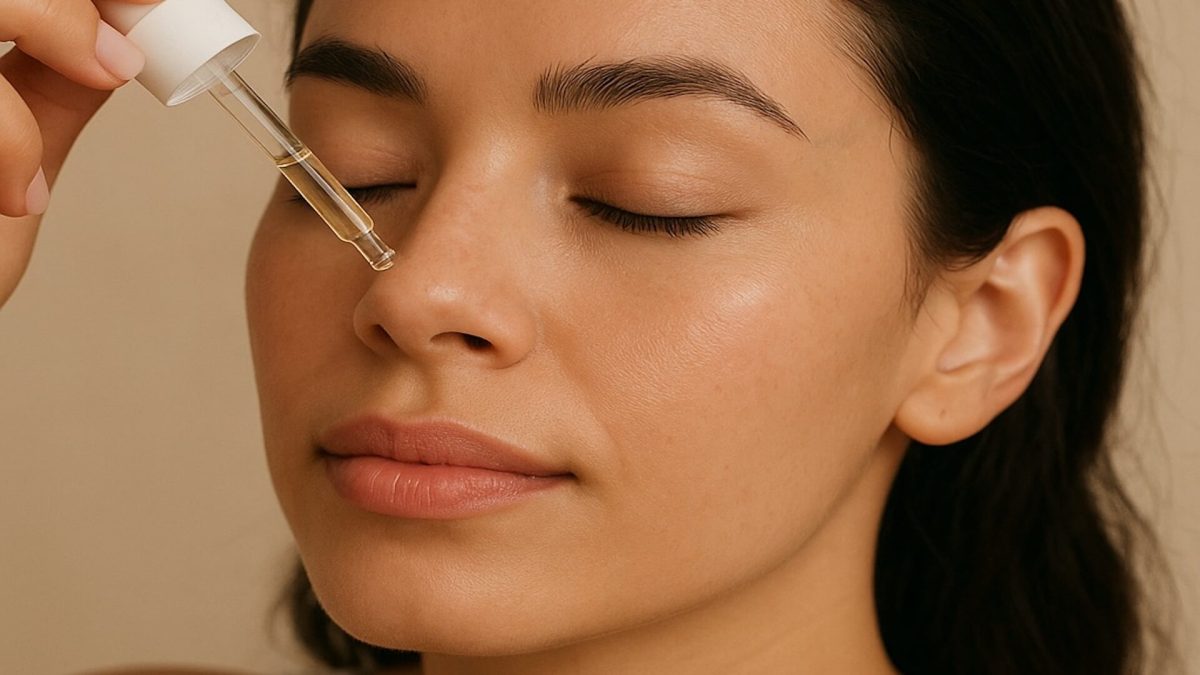
Vitamin C serum offers a gentle way to support brighter, healthier skin. Many notice improved radiance as it addresses dullness and early texture changes.
In this article you will explore how vitamin C supports skin resilience, protects against stress, and fits into a balanced routine for long term care.
Understanding Vitamin C In Skincare
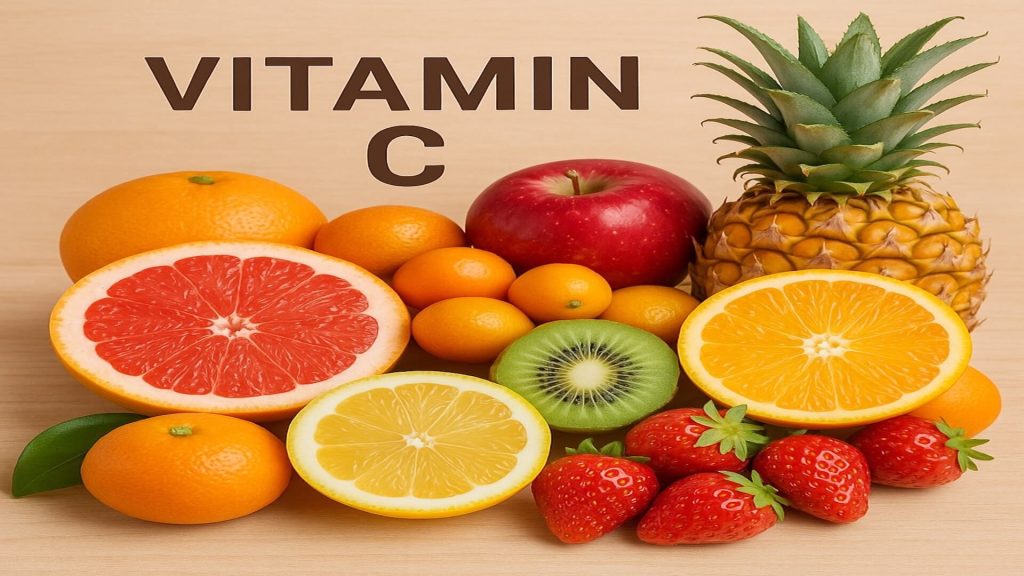
Vitamin C is a water soluble antioxidant found naturally in the skin, especially in the epidermis [1]. It helps neutralise free radicals from UV exposure and pollution [2].
Regular use supports clearer tone, smoother texture, and a more even appearance. It also assists natural wound healing and works with vitamin E to strengthen skin defences [1].
Brightening & Pigment Support
Vitamin C may reduce visible hyperpigmentation by slowing melanin production [4]. This can help soften dark marks from sun exposure or previous breakouts.
Over time skin may appear more luminous. Many use vitamin C for dullness or uneven tone due to its supportive effect on clarity and brightness [4].
Anti Ageing Benefits
Vitamin C encourages collagen production, which supports firmness as natural collagen levels decline with age [1,5]. This may reduce the look of fine lines.
Its antioxidant activity also protects against oxidative stress, helping maintain texture and resilience across different skin types [1].
Sun Protection Support
Vitamin C does not replace sunscreen. However it may reduce the impact of free radicals created by UV exposure [3]. This supports long term skin health.
Pairing vitamin C with daily sunscreen offers a broader defence, while its collagen support may help the skin recover after UV stress [1].
Hydration & Barrier Comfort
Many formulas combine vitamin C with hydrating ingredients like hyaluronic acid, helping strengthen barrier function and reduce water loss [7].
Hydrated skin looks smoother and feels more comfortable. Those with sensitive skin may prefer lower vitamin C concentrations to reduce irritation [7].
Choosing The Right Vitamin C Serum
| Consideration | Details |
|---|---|
| Form of Vitamin | L ascorbic acid offers strong activity at 10 to 20 percent for many skin types [1] |
| Complementary Ingredients | Vitamin E or ferulic acid may enhance antioxidant effects [7] |
| Packaging | Dark or opaque glass protects vitamin C from light [7] |
| Storage | Keep in a cool, dark place to slow oxidation [1] |
Table 1: Key serum considerations
How To Use Vitamin C Serum
Apply vitamin C to clean skin in the morning. Allow it to absorb before moisturiser and sunscreen to support protection during the day [7].
Introduce gradually if you have sensitive skin. Monitor for mild tingling when starting and adjust frequency if needed [2].
Combining Vitamin C With Other Ingredients
Vitamin C works well in routines that include niacinamide or zinc, although evidence for synergy remains limited [7]. Avoid using it with retinol in the same step.
A dermatologist can help tailor ingredient combinations to your unique skin needs and comfort level.
Safety & Precautions
Vitamin C is generally well tolerated, though higher concentrations may cause redness or tingling [2]. Patch testing is advised for sensitive skin.
Reduce frequency if irritation appears. Seek guidance if symptoms persist, especially when using vitamin C around active concerns.
Conclusion
Vitamin C serum can support a brighter tone, smoother texture, and improved resilience through its antioxidant and collagen supporting properties. Steady use may help maintain clarity and balance across a wide range of skin types.
If you would like personalised skincare that reflects your own needs, you can explore a tailored formula through Monderma.
Content is for informational purposes only. Monderma treatments are prescribed following consultation. Results and timeframes can vary. Use as directed by your prescriber.
References
- Pullar JM, Carr AC, Vissers MCM. Nutrients. 2017;9(8):866.
- Al Niaimi F, Chiang NYZ. J Clin Aesthet Dermatol. 2017;10(7):14 to 17.
- Lin FH, Lin JY, Gupta RD, et al. J Invest Dermatol. 2005;125(4):826 to 832.
- Telang PS. Indian Dermatol Online J. 2013;4(2):143 to 146.
- Boyera N, Galey I, Bernard BA. Int J Cosmet Sci. 1998;20(3):151 to 158.
- Monderma. Prescription skincare resources.
- Dr Sabrina. Vitamin C and skin guidance.
Join the Newsletter
Insights that make your skin feel understood
Share this article if you found it helpful



More To Explore
Latest Articles For Your Skin
-
Understanding Pityriasis Rosea: Symptoms & Treatment

-
How To Spot Fake Skincare Products Online

-
CBD Skincare For Calming Redness & Irritation

-
How Fractional Laser Can Renew Damaged Skin

-
Wearable Sensors Used For Skin Condition Tracking

-
Ectoine: Skincare & Eye Care Barrier Protection

-
Baby Acne Myths & Facts Explained

-
Niels Ryberg Finsen: Pioneer Of UV Phototherapy

-
Allantoin Uses & Benefits For Daily Skincare
-
Chapped Lips: Causes & How To Treat Them