 Monderma
- 17 May 2025
- Vaseline is non comedogenic for most
- Occlusive texture helps reduce water loss
- Clean skin prevents trapped impurities
- Suitable for many skin concerns safely
- Personalised skincare with Monderma
Vaseline is a familiar moisturising product that supports comfort, hydration, and skin protection [4,7]. Many people use it for dryness, minor wounds, or chapped lips, yet concerns about pore clogging remain common.
In this article you will find clear guidance that explains how Vaseline functions, how it influences different skin types, and how to use it safely without increasing the chance of breakouts.
Understanding Vaseline & Its Uses
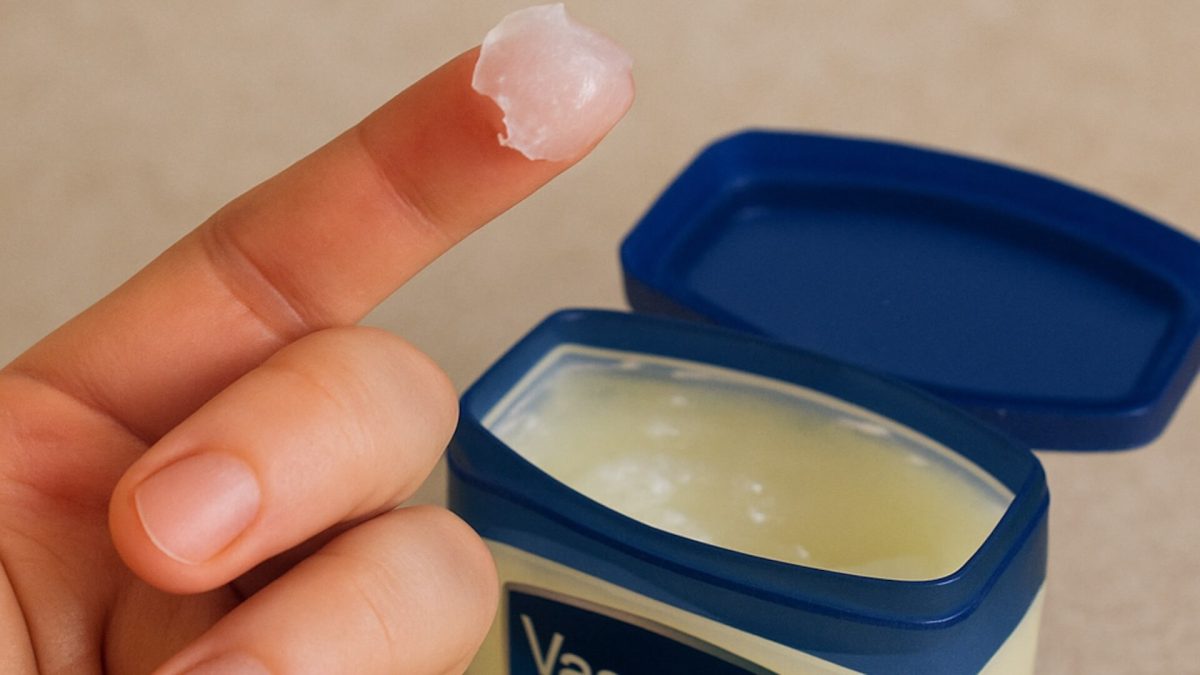
Vaseline is a semi solid blend of hydrocarbons refined to create a smooth, occlusive layer on the surface [1,7]. This protective barrier helps retain moisture and soothe dry areas, which is why it appears in both cosmetic and medical routines [4,7].
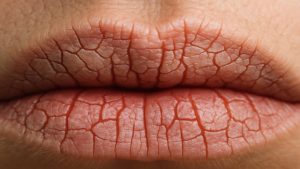
It supports uses such as easing chapped lips, reducing friction, protecting minor cuts, and comforting dry skin in colder climates [7,8]. Understanding how Vaseline works helps address concerns about its suitability for facial use.
Science Behind Vaseline
Vaseline forms an occlusive film that reduces transepidermal water loss, which helps prevent dryness and irritation [4]. This behaviour supports barrier repair and shields skin from environmental stress [6].
It sits on the surface rather than sinking deeply into pores, which lowers the chance of clogging for most people. However, applying it over unclean skin may trap impurities, especially for oily prone areas [1,3].
Does Vaseline Clog Pores
Purified petroleum jelly is widely considered low risk for causing blocked pores [1,3]. Its occlusive nature limits penetration, making it unlikely to trigger comedones, although monitoring is sensible for acne prone skin [1,3].
Dermatology sources note that thick layers applied over unwashed skin may trap debris, which may contribute to breakouts. Cleansing before use reduces this concern without limiting hydration benefits [1].
Vaseline & Facial Skin
Vaseline can support facial hydration when used on clean skin. Its occlusive barrier helps reduce dryness and protects from cold or windy environments, supporting comfort and repair [6].
Those with oilier skin types may prefer to use smaller amounts and observe how their skin responds, as the texture may feel heavier even though it is non comedogenic [1].
How Vaseline Affects Skin Types
| Skin type | Summary |
|---|---|
| Oily skin | Non comedogenic and unlikely to cause acne for most, though sparing use helps manage comfort while monitoring response [1,2,3] |
| Dry skin | Reduces flakiness and seals moisture. Recommended for eczema and dry concerns. Works best when applied to damp skin [6,7] |
| Sensitive skin | Hypoallergenic, fragrance free, and low irritation risk. Patch testing helps confirm suitability [4] |
Table 1: How Vaseline influences different skin types
Monderma Support For Skin
Monderma offers personalised prescription skincare for concerns such as acne, ageing skin, hyperpigmentation, and rosacea. Treatments may include ingredients like tretinoin, azelaic acid, and hyaluronic acid, which can complement occlusives like Vaseline to support hydration and repair [19].
You can explore tailored advice through a free consultation using Monderma’s prescription skincare service. This guidance supports individual needs and helps avoid products that may increase irritation.
Myths & Facts About Vaseline
| Myth | Truth |
|---|---|
| Vaseline causes acne | Vaseline is non comedogenic for most and does not directly clog pores, though applying it over unclean skin may trap impurities [1,2] |
| Vaseline should not be used on the face | When applied correctly, it protects sensitive facial skin, and dermatology sources endorse its use in harsh conditions [6] |
Table 2: Common myths and evidence based explanations
Benefits Of Using Vaseline
| Benefit | Summary |
|---|---|
| Moisture retention | Helps reduce skin dehydration by forming a water retaining layer that protects against dryness |
| Healing properties | Supports minor wound healing by keeping skin moist, which reduces scarring and encourages repair [6] |
| Protective barrier | Shields from pollutants and allergens by supporting barrier strength and reducing irritation [5] |
| Makeup removal | Dissolves makeup gently without stripping natural oils and is suitable for many sensitive skin areas [7] |
Table 3: Key benefits associated with Vaseline use
Conclusion
Vaseline is a reliable occlusive moisturiser that helps retain hydration, protect the skin, and support healing without clogging pores. Its simplicity and evidence supported benefits make it a useful option for many routines.
If you would like personalised skincare created around your own needs, you can explore a custom formula through Monderma.
Content is for informational purposes only. Monderma treatments are prescribed following consultation. Results and timeframes can vary. Use as directed by your prescriber.
References
- What is Petrolatum in Skincare. CeraVe.
- Benefits and Risks of Using Vaseline on Your Face. Health.
- Petrolatum, Grease, and Acne. International Academy of Cosmetic Dermatology.
- Read About Vaseline Ingredients. Vaseline.
- How to Use Petroleum Jelly to Treat Eczema. Healthline.
- Atopic Dermatitis: Self Care. American Academy of Dermatology.
- What Is Petroleum Jelly and What Is It Used For. Vaseline.
Share this article if you found it helpful



More To Explore
Latest Articles For Your Skin
-
Understanding Pityriasis Rosea: Symptoms & Treatment

-
How To Spot Fake Skincare Products Online
-
CBD Skincare For Calming Redness & Irritation
-
How Fractional Laser Can Renew Damaged Skin
-
Wearable Sensors Used For Skin Condition Tracking

-
Ectoine: Skincare & Eye Care Barrier Protection

-
Baby Acne Myths & Facts Explained

-
Niels Ryberg Finsen: Pioneer Of UV Phototherapy
-
Allantoin Uses & Benefits For Daily Skincare
-
Chapped Lips: Causes & How To Treat Them