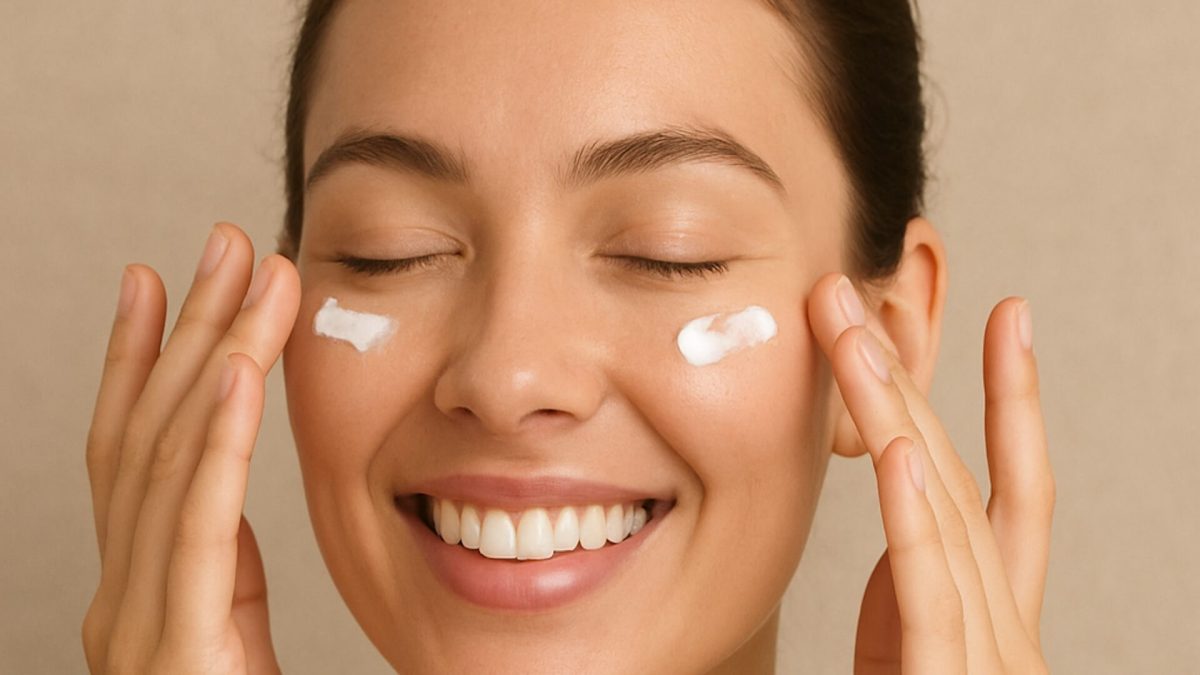
 Monderma
- 27 Mar 2025
- Tretinoin supports collagen renewal
- Fine lines improve with steady use
- Mild redness is common at first
- Moisturiser helps reduce dryness
- Personalised strengths with Monderma
Tretinoin is a well studied vitamin A derivative used to support collagen production and improve fine lines, texture, and clarity. These benefits can help the delicate eye area look smoother [1,3].
This article explains how tretinoin affects skin near the eyes and outlines safe use strategies that support comfort, clarity, and long term results while reducing the risk of irritation [5].
Why Consider Tretinoin For Eyes
The skin around the eyes is thinner than most facial areas and more vulnerable to early ageing from light exposure or dryness [2]. Tretinoin increases cell turnover and enhances collagen [1].
This may soften wrinkles and support more even texture. Some people also notice subtle changes in dark circles through improved thickness, although direct research remains limited [3].
Benefits & Precautions
Tretinoin can smooth fine lines by stimulating collagen, and improvements may be visible after twelve weeks of steady use. This supports a firmer appearance over time [4].
It also refines texture by helping shed dead skin cells. This may ease uneven tone or mild pigmentation near the outer corners of the eyes [6].
Start slowly to reduce dryness. A small amount placed around, not on, the eye area is key. This helps limit irritation while allowing gradual adaptation [5].
How To Apply Tretinoin Safely
Clean skin responds more comfortably, so begin after gentle cleansing. Allow the face to dry fully before applying any products [5].
A moisturiser placed under the eyes first provides a protective layer. This helps reduce peeling or tenderness during early stages of use [6,7].
A pea sized amount of tretinoin is enough for the full face. Gently tap a small portion onto the outer under eye area, avoiding the eyelids and the lash line [1,5].
Follow with another thin layer of moisturiser to support comfort. This combination helps maintain hydration and ease the early dryness linked with tretinoin.
| Step | Purpose |
|---|---|
| Moisturiser first | Creates a protective barrier |
| Small amount used | Reduces irritation risk |
Table 1: Supportive application steps
When & How Often To Use It
Night use is preferred because tretinoin increases sun sensitivity. This allows the product to work while minimising daytime exposure to light [5].
Begin once weekly. Increase slowly to every other night if tolerated. This rhythm supports results while preserving comfort in the thinner eye area [5,6,7].
What To Expect Over Time
Mild redness or flaking can appear in the first weeks as skin adjusts. These temporary effects usually settle with consistent moisturising [7].
As cell turnover continues, the under eye area may appear smoother and brighter. Fine lines often soften gradually with ongoing use after twelve weeks [4].
Possible Side Effects
Some users experience peeling or increased sensitivity near the eyes. These effects typically ease once tolerance develops during early treatment [7].
Seek medical advice if irritation becomes persistent. Intense swelling or pain requires professional review to ensure safe continuation.
Alternatives If Tretinoin Is Too Strong
Retinol offers a gentler option. It supports collagen with fewer reactions, though results develop more slowly compared to tretinoin [7].
Peptides can help soften fine lines without causing dryness. Hyaluronic acid adds hydration and supports smoother texture around the eyes.
Conclusion
Tretinoin can support firmness, texture, and fine line improvement near the eyes when used with care. Its effects are well supported in studies on photoaged skin [7].
Those seeking personalised guidance can explore our expert consultation, which provides tailored support for acne, hyperpigmentation, rosacea, and wrinkles.
Content is for informational purposes only. Monderma treatments are prescribed following consultation. Results and timeframes can vary. Use as directed by your prescriber.
References
- Kligman AM, Grove GL, Hirose R, Leyden JJ. Topical Tretinoin For Photoaged Skin.
- Farage MA, Miller KW, Elsner P, Maibach HI. Characteristics Of The Aging Skin.
- Griffiths CEM, et al. Restoration Of Collagen Formation In Photodamaged Skin.
- Weiss JS, Ellis CN, Headington JT, et al. Topical Tretinoin Improves Photoaged Skin.
- NICE CKS. Topical Retinoids.
- Mukherjee S, Date A, Patravale V, et al. Retinoids In The Treatment Of Skin Ageing.
- Sitohang IBS, Sutiono AB, et al. Topical Tretinoin For Treating Photoaging.
Join the Newsletter
Insights that make your skin feel understood
Share this article if you found it helpful



More To Explore
Latest Articles For Your Skin
-
Understanding Pityriasis Rosea: Symptoms & Treatment

-
How To Spot Fake Skincare Products Online

-
CBD Skincare For Calming Redness & Irritation

-
How Fractional Laser Can Renew Damaged Skin
-
Wearable Sensors Used For Skin Condition Tracking

-
Ectoine: Skincare & Eye Care Barrier Protection

-
Baby Acne Myths & Facts Explained

-
Niels Ryberg Finsen: Pioneer Of UV Phototherapy

-
Allantoin Uses & Benefits For Daily Skincare

-
Chapped Lips: Causes & How To Treat Them