 Monderma
- 27 Feb 2025
- Rare autoimmune blisters affect skin
- Cells lose adhesion causing erosions
- Biopsy and antibodies confirm disease
- Steroids with other drugs control flares
- Monderma guidance supports complex skin
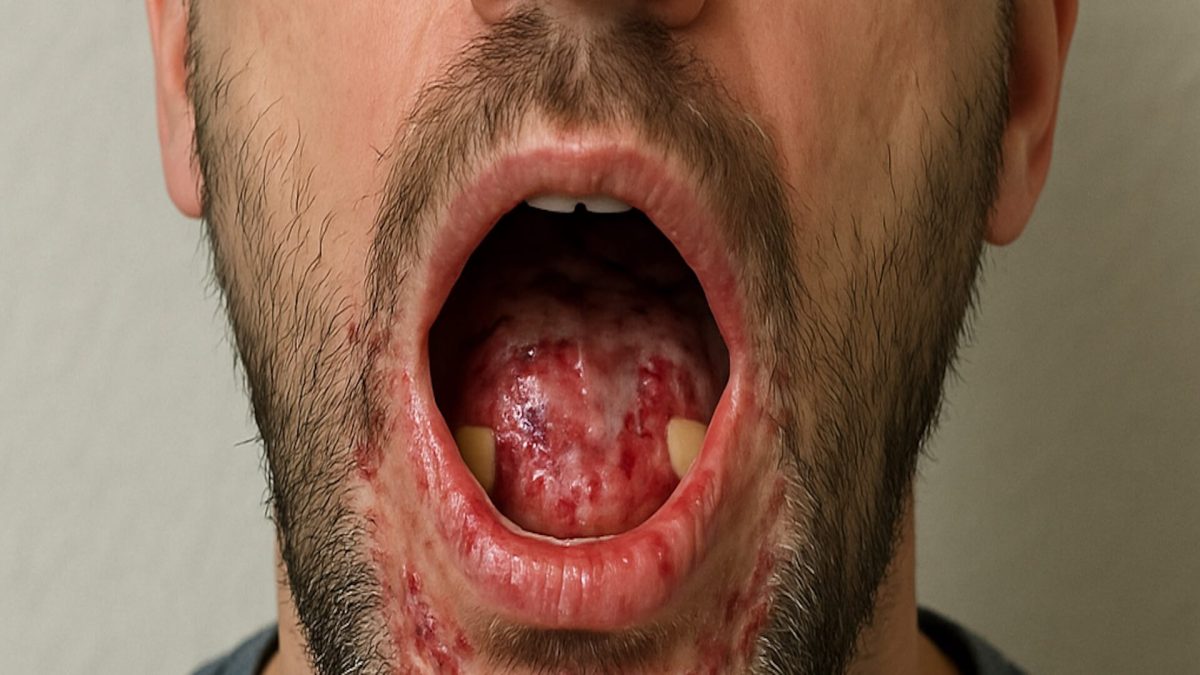
Pemphigus is a rare autoimmune blistering disease that affects the skin and mucous membranes [1,2]. It can impact comfort, appearance, and confidence for many adults.
In this article, we explain how this auto immune disease on skin develops, which symptoms to notice, and why early specialist review can support safer outcomes [1,2,3].
Types Of Pemphigus
Doctors recognise several types of pemphigus, which differ in where blisters form, how deep they are, and how severely they affect the skin or mouth [1,2,3].
| Type | Key Features |
|---|---|
| Pemphigus vulgaris | Painful blisters on mouth and mucosa [1,2] |
| Pemphigus foliaceus | Superficial crusted plaques on skin [1,3] |
| Paraneoplastic pemphigus | Blisters linked with underlying cancers [3] |
Table 1: Main pemphigus types
Causes Of Pemphigus
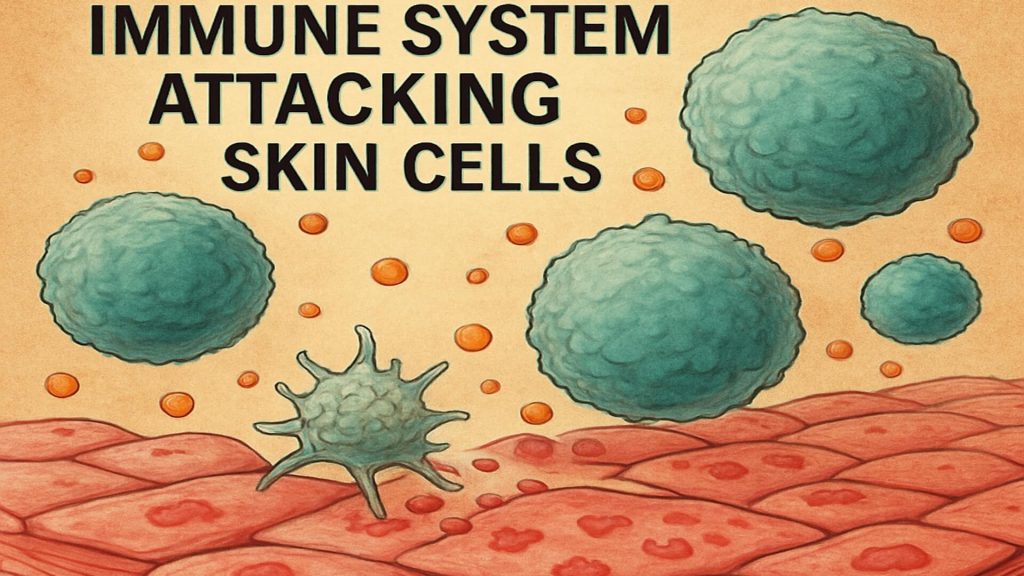
Pemphigus occurs when antibodies mistakenly target desmogleins, which help neighbouring skin cells stick together in the upper layers and mucous membranes [1,3].
Genetic background, some medicines, and rare environmental exposures can increase the chance of pemphigus developing or flaring in susceptible people [1,3].
Symptoms Of Pemphigus
Symptoms differ with disease type, but many people first notice tender blisters or erosions on the skin and in the mouth that break easily [1,2,3].
| Symptom | Typical Impact |
|---|---|
| Fragile skin blisters | Open sores that may sting or bleed [1,2,3] |
| Mouth or throat sores | Pain when eating or drinking [1,2] |
| Burning or itching | Lasting discomfort on affected skin [1,3] |
Table 2: Common pemphigus symptoms
Diagnosis
Diagnosis usually combines clinical examination with tests [1,2,3]. Dermatologists often take a small skin sample for biopsy to look for a pattern called acantholysis.
Direct immunofluorescence testing highlights antibodies that attach to the spaces between skin cells, which helps confirm an autoimmune blistering process [1,2,3].
Treatment Options
Treatment aims to control active blisters, reduce infection risk, and maintain remission where possible [1,2,3]. Plans are individual and adjust as symptoms change.
Oral corticosteroids are often used first to calm inflammation and limit new blisters [1,2,3]. Other medicines, including azathioprine, mycophenolate mofetil, and methotrexate, may help reduce steroid needs [1,3].
Rituximab is now widely recognised as an effective option for many people with more severe pemphigus, particularly when standard treatments are not enough [3].
Supportive care, such as wound care, pain relief, infection monitoring, and regular follow up, is also essential in day to day management [1,2].
Living With Pemphigus
Living with pemphigus can be challenging, yet education, clear plans, and timely review help many people stay engaged with treatment and notice early signs of relapse [1,2].
Good mouth care, gentle skincare, and avoiding known triggers where possible can all support skin comfort and reduce some flare risks [1,2].
Emotional And Social Support
Visible blisters and erosions may affect confidence, social comfort, and work or family life [1,2]. It is common to feel worried, low, or self conscious at times.
Many people find value in counselling, peer support groups, or patient charities, which can offer shared experience, coping ideas, and reassurance [1,2].
Monderma Support For Skin Concerns
Monderma provides personalised prescription skincare for concerns such as acne, ageing skin, hyperpigmentation, and rosacea, with formulas prepared by pharmacists after consultation.
Conclusion
Pemphigus is a serious autoimmune skin condition that benefits from early recognition, careful diagnosis, and coordinated specialist care. Understanding its causes, symptoms, and treatments can help people feel more prepared to seek support.
Those wanting guidance for persistent or complex skin issues can explore tailored advice through our personalised skincare consultation, which connects individuals with pharmacist led care.
Content is for informational purposes only. Monderma treatments are prescribed following consultation. Results and timeframes can vary. Use as directed by your prescriber.
References
- British Association of Dermatologists. Pemphigus vulgaris Patient Information Leaflet. 2025.
- NHS. Pemphigus vulgaris. 2022.
- Malik AM, Tupchong S, Huang S, Are A, Hsu S, Motaparthi K. An Updated Review of Pemphigus Diseases. Medicina. 2021;57(10):1080.
Join the Newsletter
Insights that make your skin feel understood
Share this article if you found it helpful



More To Explore
Latest Articles For Your Skin
-
Understanding Pityriasis Rosea: Symptoms & Treatment
-
How To Spot Fake Skincare Products Online

-
CBD Skincare For Calming Redness & Irritation

-
How Fractional Laser Can Renew Damaged Skin
-
Wearable Sensors Used For Skin Condition Tracking

-
Ectoine: Skincare & Eye Care Barrier Protection

-
Baby Acne Myths & Facts Explained

-
Niels Ryberg Finsen: Pioneer Of UV Phototherapy
-
Allantoin Uses & Benefits For Daily Skincare

-
Chapped Lips: Causes & How To Treat Them