 Monderma
- 04 Apr 2025
- Rough bumps form from keratin
- Genetics influence this condition
- Moisture levels affect flare ups
- Exfoliants can smooth the skin
- Supportive care is offered by Monderma
Keratosis pilaris is a common and harmless condition that causes rough patches and tiny bumps, often creating texture changes that many notice on their arms or thighs.
In this article, we explore what keratosis pilaris is, why it develops, and how evidence based approaches may improve comfort and skin feel over time.
What Is Keratosis Pilaris
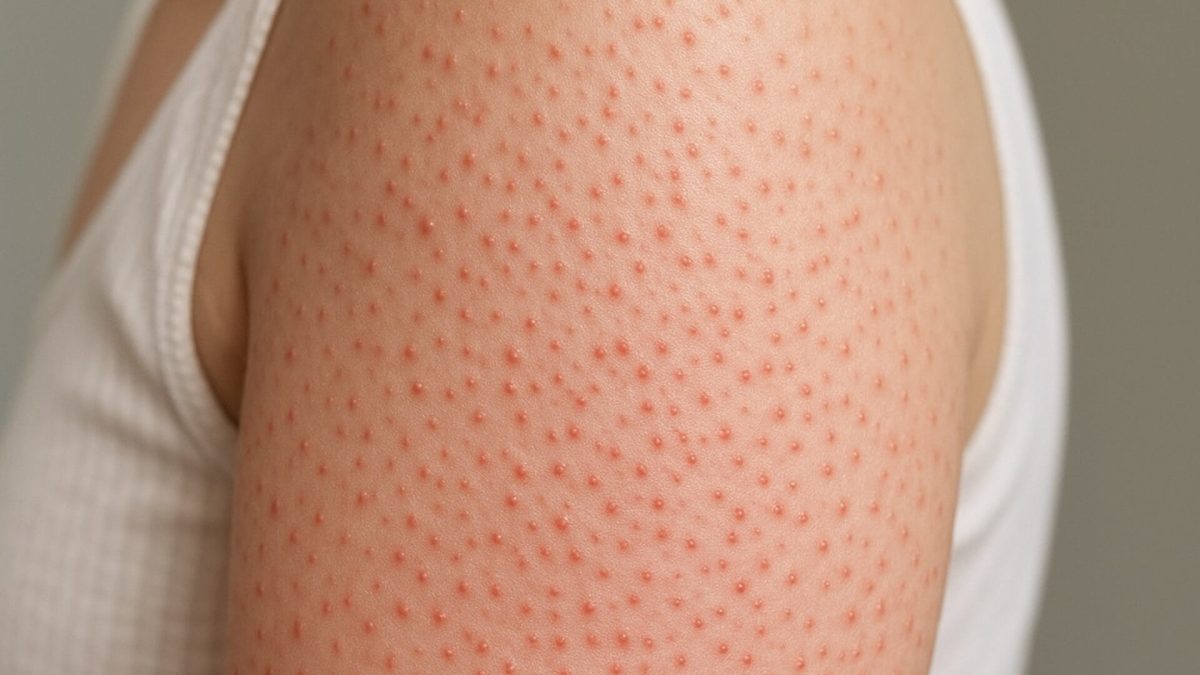
Keratosis pilaris appears as small bumps caused by keratin plugs within hair follicles, and these bumps can resemble persistent goosebumps across different body areas [1].
The skin may feel dry or rough, and the condition commonly appears on the upper arms, cheeks, thighs, or buttocks, with symptoms varying between individuals [1].
Causes & Contributing Factors
Keratosis pilaris develops when excess keratin blocks follicles, and research highlights the strong influence of genetics in many cases [3].
Dryness, seasonal shifts, and associated conditions can also influence symptoms, especially where the skin barrier is more reactive or less hydrated [1,2].
| Factor | Description |
|---|---|
| Genetics | Often runs in families [3] |
| Dry skin | Symptoms worsen with low moisture [1] |
| Seasonal change | Winter dryness may increase bumps [2] |
| Hormones | Puberty or pregnancy may influence skin [2] |
| Associations | Linked with atopic conditions [3] |
Table 1: Factors related to keratosis pilaris
Diagnosing The Condition
Diagnosis is usually made through a simple clinical assessment, since the pattern and texture of keratosis pilaris are recognisable in most cases [1].
Dermoscopy may show follicular plugs, and a biopsy is only required when other follicular conditions need to be ruled out [4].
Treatment Options & Skin Comfort
There is no cure, but keratosis pilaris can improve with consistent care, focusing on exfoliation, hydration, and gentle support for the skin barrier [5].
Mild approaches often work well, and progress is gradual, with smoother texture developing over several weeks of regular use [3,5].
Exfoliation & Smoother Texture
Chemical exfoliants such as lactic acid or salicylic acid help lift keratin and reduce bumpiness, supporting clearer follicle openings [5].
These ingredients should be used gently, since over exfoliation may irritate the skin and reduce overall comfort, especially in sensitive areas [5].
Hydration & Daily Moisturising
Hydrating creams with urea or lactic acid soften rough patches, and evidence shows noticeable improvements in hydration with regular application [6].
Daily moisturising helps reduce dryness, and mild body washes may prevent further irritation caused by harsher cleansing products [3].
Glycolic Acid & Follicle Care
Glycolic acid supports exfoliation by loosening dead skin cells, and over the counter strengths commonly range from 5 to 12 percent [7].
Higher concentrations have shown short term improvements, although ongoing use of lower strengths is often more suitable for routine comfort [5].
Prescription Approaches & Medical Care
Topical retinoids, including tretinoin and adapalene, may reduce follicular buildup, though they must be used carefully to avoid irritation [7].
Short courses of topical steroids may reduce redness but are not recommended for long term use because of barrier effects [3].
Laser Options & Redness Management
Some patients notice improvement in redness or texture after laser treatments, although long term evidence remains limited [8].
Laser therapy is usually reserved for specific cases and is not routinely recommended where simpler measures offer adequate relief [3].
Lifestyle Choices & Daily Support
Gentle changes may complement treatment, including avoiding long hot showers and choosing soft clothing to reduce friction [1,2].
Maintaining consistent moisture and reducing irritation help support the skin barrier and may reduce seasonal flare ups.
| Approach | Benefit |
|---|---|
| Humidifier use | Helps maintain moisture [1] |
| Lukewarm showers | Supports barrier oils [3] |
| Gentle cleansers | Reduces surface irritation [3] |
| Loose clothing | Limits friction on bumps [2] |
Table 2: Home care considerations
When To Seek Professional Advice
A consultation may help when bumps are persistent, uncomfortable, or difficult to distinguish from other follicular conditions [1].
A clinician can confirm the diagnosis and suggest targeted topical options, including retinoids, when keratosis pilaris is more resistant to care [1].
Monderma Support For Skin Concerns
Monderma provides personalised prescription skincare for acne, ageing skin, hyperpigmentation, and rosacea, supporting smoother and calmer skin with active ingredients such as tretinoin and azelaic acid.
These treatments complement general texture care by improving clarity, moisture balance, and long term resilience across changing skin needs.
Conclusion
Keratosis pilaris is harmless but often noticeable, and understanding its causes helps guide gentle and supportive approaches that improve the feel of the skin.
Readers seeking tailored guidance can explore options through our supportive skincare consultation, offering personalised care that adapts to long term skin needs.
Content is for informational purposes only. Monderma treatments are prescribed following consultation. Results and timeframes can vary. Use as directed by your prescriber.
References
- Pennycook KB, McCready TA. Keratosis Pilaris
- Kodali N, Patel VM, Schwartz RA. Keratosis Pilaris Update
- British Skin Foundation. Keratosis Pilaris
- Thomas M, Khopkar US. Keratosis Pilaris Revisited
- Ly S, Haidari W, Feldman SR. Treatment Of Keratosis Pilaris
- McCormick E, Nussbaum D, Friedman A, et al. Urea Cream Evaluation
- Wang JF, Orlow SJ. Keratosis Pilaris Subtypes
- Kechichian E, Jabbour S, El Hachem L, et al. Laser Approaches For Keratosis Pilaris
Share this article if you found it helpful



More To Explore
Latest Articles For Your Skin
-
Understanding Pityriasis Rosea: Symptoms & Treatment
-
How To Spot Fake Skincare Products Online

-
CBD Skincare For Calming Redness & Irritation

-
How Fractional Laser Can Renew Damaged Skin
-
Wearable Sensors Used For Skin Condition Tracking

-
Ectoine: Skincare & Eye Care Barrier Protection
-
Baby Acne Myths & Facts Explained

-
Niels Ryberg Finsen: Pioneer Of UV Phototherapy
-
Allantoin Uses & Benefits For Daily Skincare
-
Chapped Lips: Causes & How To Treat Them