 Monderma
- 23 Mar 2025
- Redness appears after skin contact
- Irritants and allergens trigger flares
- Skin barrier weakness increases risk
- Moisture loss worsens sensitivity
- Support formulas through Monderma
Contact dermatitis is a common cause of redness and irritation, and many people notice that flare ups affect comfort and daily routines. The skin reacts to substances that disturb its balance.
In this article, the different types of contact dermatitis are explained along with triggers, symptoms, and approaches that help restore comfort while supporting the skin barrier [1,2].
What Is Contact Dermatitis?
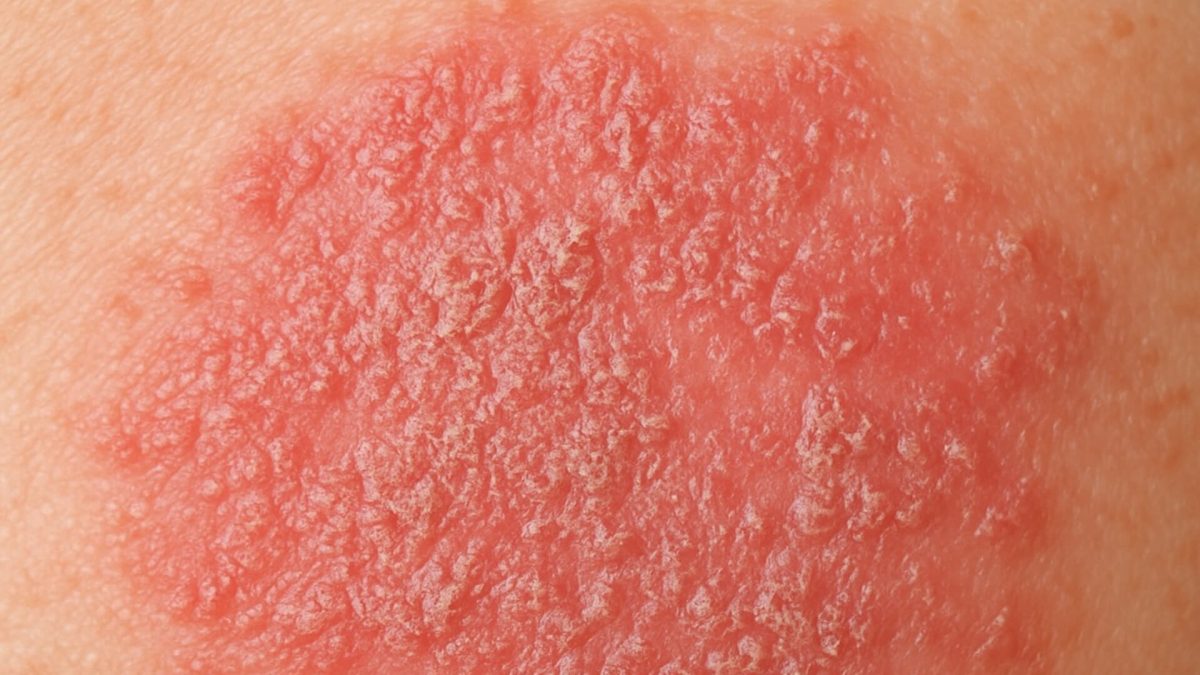
Contact dermatitis occurs when the skin becomes inflamed after touching an irritant or allergen. It often presents as redness, dryness, or small bumps that create persistent discomfort [1].
Irritant contact dermatitis is more common than allergic contact dermatitis and accounts for most reported cases. Symptoms may appear quickly or build over time with repeated contact [2].
Types Of Contact Dermatitis
Allergic contact dermatitis begins when the immune system reacts to a specific allergen such as nickel, fragrance, or certain preservatives. These reactions may appear days after exposure [3].
Irritant contact dermatitis results from repeated disruption to the skin barrier. Soaps, detergents, solvents, and harsh cleaning agents often contribute to this type of irritation [1,2].
| Type | Key Feature |
|---|---|
| Allergic reaction | Immune response after exposure |
| Irritant response | Barrier damage from contact |
Table 1: Types of contact dermatitis
Symptoms Of Contact Dermatitis
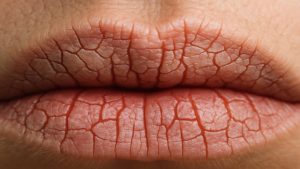
Symptoms vary based on severity but often include redness or itching. Some areas may become dry or cracked when the skin barrier weakens after repeated exposure [2].
Blisters, bumps, or swelling may appear in stronger reactions. These symptoms can feel uncomfortable and may take time to settle without supportive care [2].
Causes Of Contact Dermatitis
Allergic contact dermatitis may come from nickel in jewellery, fragrance in lotions, preservatives in cosmetics such as methylisothiazolinone, or certain topical medications [3,4].
Irritant contact dermatitis often develops after contact with soaps, detergents, solvents, or acids. These strip natural oils from the surface and weaken barrier strength [1,2].
People with atopic dermatitis may be more sensitive because their skin barrier is naturally more vulnerable to dryness and irritation [5].
Diagnosing Contact Dermatitis
Diagnosis is based on examining the skin, understanding recent exposures, and noting patterns of irritation. Patch testing may help identify allergens when reactions persist [2,3].
Healthcare professionals may also rule out other concerns such as fungal issues when symptoms do not follow a clear contact pattern [5].
Treatment Approaches
Avoiding identified triggers plays a central role in settling contact dermatitis. Gentle routines and simpler products help protect the skin barrier during recovery [2].
Topical hydrocortisone may ease redness and inflammation in mild cases. Emollients also support comfort by reinforcing the skin barrier and reducing dryness [2,6].
Short courses of oral antihistamines may help reduce itching, while oral corticosteroids may be considered for more severe cases under clinical supervision [7].
Home based approaches such as cool compresses or oatmeal baths may support comfort, although evidence is limited and results vary between individuals [2].
Preventing Contact Dermatitis
Prevention focuses on recognising triggers early and avoiding them when possible. Using gentler cleansers, fragrance free products, and regular moisturising helps maintain barrier strength.
Protective gloves can limit exposure during household or occupational tasks. Reading labels and understanding irritants reduces the chance of repeat reactions [2,3].
Monderma Support
Monderma provides personalised prescription skincare for acne, hyperpigmentation, rosacea, and wrinkles. Ingredients such as azelaic acid and niacinamide may help calm visible redness.
These formulations are designed by GPhC registered prescribers and adjusted for individual needs, supporting barrier strength and overall skin comfort with steady use.
Conclusion
Contact dermatitis can feel disruptive, but gentle care, trigger awareness, and barrier support help reduce discomfort over time. A consistent routine encourages calmer, clearer skin.
Those seeking guidance for acne, hyperpigmentation, rosacea, or wrinkles can explore tailored options through our personalised consultation, designed for supportive care.
Content is for informational purposes only. Monderma treatments are prescribed following consultation. Results and timeframes can vary. Use as directed by your prescriber.
References
- Litchman G, Nair PA, Atwater AR, Bhutta BS. StatPearls.
- NHS. Contact Dermatitis.
- Murphy PB, Atwater AR, Mueller M. StatPearls.
- DeKoven JG, Silverberg JI, Warshaw EM, et al. Dermatitis.
- Scheinman PL, Vocanson M, Thyssen JP, et al. Nat Rev Dis Primers.
- NICE. Atopic Eczema In Under 12s.
- Egeberg A, Schwarz P, Harsløf T, et al. JAMA Dermatology.
Join the Newsletter
Insights that make your skin feel understood
Share this article if you found it helpful



More To Explore
Latest Articles For Your Skin
-
Understanding Pityriasis Rosea: Symptoms & Treatment
-
How To Spot Fake Skincare Products Online

-
CBD Skincare For Calming Redness & Irritation

-
How Fractional Laser Can Renew Damaged Skin
-
Wearable Sensors Used For Skin Condition Tracking

-
Ectoine: Skincare & Eye Care Barrier Protection

-
Baby Acne Myths & Facts Explained

-
Niels Ryberg Finsen: Pioneer Of UV Phototherapy

-
Allantoin Uses & Benefits For Daily Skincare

-
Chapped Lips: Causes & How To Treat Them