 Monderma
- 05 Feb 2025
- UV light supports vitamin D & mood balance
- UVA ages skin, UVB makes vitamin D, UVC disinfects
- Safe exposure boosts energy & immune function
- Overexposure causes sunburn & skin ageing
- Protect skin with SPF & limit midday sun
UV light, a form of non-ionising electromagnetic radiation, plays a crucial role in human health. Emitted by the sun and artificial sources such as UV lamps and LEDs, it exists beyond visible light on the electromagnetic spectrum. While excessive exposure can cause harm, controlled use of UV light contributes to physical and mental well-being.
This article explores the science behind UV light, its types, and the key benefits it provides when used responsibly.
Types Of UV Light & Their Effects
| Type | Wavelength Range | Properties and Effects |
|---|---|---|
| UVA | 320–400 nm | Long-wave UV forming about 95% of UV radiation reaching Earth. Penetrates deep into the skin, affecting collagen and contributing to ageing. |
| UVB | 290–320 nm | Medium-wave UV responsible for vitamin D synthesis and sunburn. Vital for bone and immune health. |
| UVC | <290 nm | Short-wave UV absorbed by the ozone layer. Artificially produced for germicidal use in sterilisation. |
Table 1: Each UV type has distinct wavelengths and biological effects
UVA affects deeper layers of skin, UVB supports vitamin D production, and UVC is primarily used for sterilisation in controlled environments.
Sources Of UV Light
Sunlight
The main natural source, sunlight contains both UVA and UVB rays that influence mood, vitamin D levels, and skin function. Controlled exposure supports health, but prolonged exposure without protection can cause damage.
Artificial UV Sources
- UV Ray Light Bulbs: Used in tanning, plant growth, and phototherapy.
- UV LED Lights: Energy-efficient, eco-friendly, and effective for sterilising air and water.
- UV Lamps: Emit UVC light for germicidal use in hospitals and laboratories.
Short daily exposure to UVB-rich light supports wellness, but overexposure must be avoided.
Health Benefits Of UV Light
When used safely, UV light supports several essential health and wellness processes.
Vitamin D Production
UVB converts 7-dehydrocholesterol in the skin into vitamin D3, vital for bone, immune, and muscle health. NICE guidance suggests 10–30 minutes of midday sun several times weekly supports vitamin D levels, though this varies by skin tone and season [2]. Deficiency remains common in the UK, especially during winter.
Mood Enhancement & WellBeing
Sunlight exposure increases serotonin, which improves mood and focus. Bright light therapy, which mimics natural UV light, reduces symptoms of Seasonal Affective Disorder in up to 80% of patients [3]. UV exposure also helps regulate circadian rhythm, improving sleep quality.
Libido & Energy
Sunlight boosts testosterone and oestrogen, supporting energy and well-being. Controlled studies, however, show variable results regarding vitamin D supplementation and hormone levels [4].

Skin Therapy
UVB light is widely used in dermatology for psoriasis and vitiligo. Narrowband UVB phototherapy improves psoriasis in up to 70% of patients [5]. It reduces inflammation and restores pigment in vitiligo, aiding repigmentation.
Monderma’s prescription skincare complements phototherapy by addressing acne, rosacea, and pigmentation for balanced results.
Immune System Support
Moderate UV exposure increases antimicrobial peptides in skin cells [6]. These peptides strengthen the skin’s defence against bacteria while vitamin D regulates immune response.
Disinfection & Sterilisation
UVC destroys microbes by damaging their DNA. It is used in hospitals, laboratories, and air purification systems, reducing infection rates and controlling multidrug-resistant organisms [7].
| Benefit | Mechanism | Effect |
|---|---|---|
| Vitamin D Production | UVB converts skin precursors into vitamin D3 | Strengthens bones and immunity |
| Mood Enhancement | UVA and UVB increase serotonin and regulate sleep | Reduces SAD symptoms and stress |
| Libido & Energy | UV influences hormone activity | Improves vitality and mood |
| Skin Therapy | UVB suppresses inflammation and stimulates pigment | Treats psoriasis and vitiligo |
| Immune Support | UVB boosts antimicrobial peptides | Lowers infection risk |
| Disinfection | UVC destroys microbial DNA | Sterilises air, surfaces, and water |
Table 2: Controlled UV exposure promotes diverse health benefits
Potential Risks Of UV Light
Excessive UV exposure damages the skin and eyes. UVA penetrates deeply, accelerating collagen breakdown and premature ageing. UVB causes sunburn and increases long-term skin cancer risk. UVC, though germicidal, can harm tissue if handled unsafely.
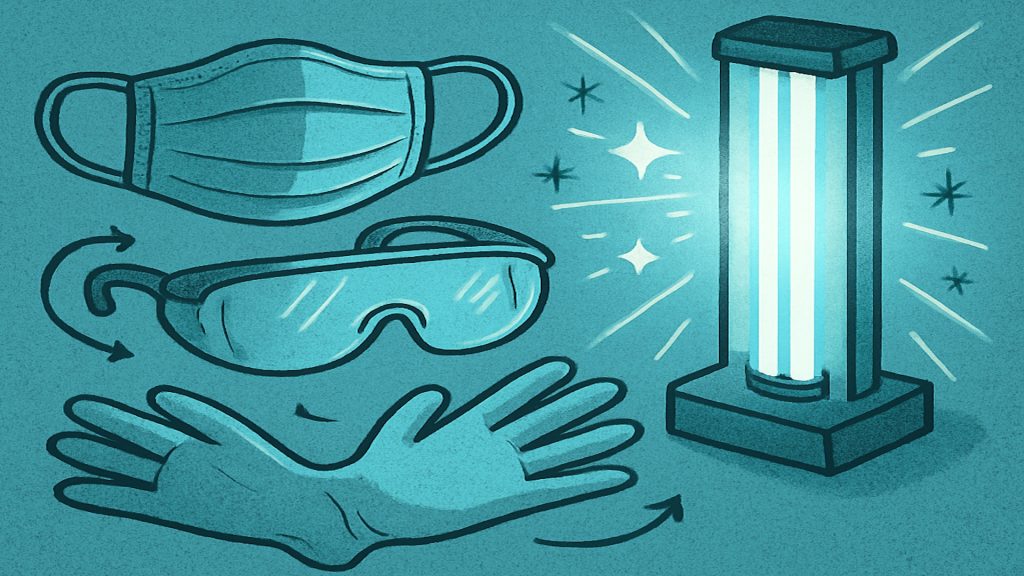
Using UV Light Safely
Limit Exposure
Avoid direct sunlight between 10 a.m. and 4 p.m. and apply SPF 30 or higher daily.
Use Protective Gear
Wear UV-protective sunglasses and cover exposed skin during extended outdoor activity.
Manage Timing
Short, consistent exposure in the morning or afternoon delivers benefits with lower risk.
Professional Supervision
For treatments such as phototherapy, always follow a dermatologist’s guidance to ensure safe dosage and technique.
| Safety Tip | Purpose |
|---|---|
| Use SPF 30+ | Prevents UV damage |
| Wear UV-protective eyewear | Shields eyes from radiation |
| Short exposure sessions | Balances benefits and safety |
| Consult a professional | Ensures correct dosage and care |
Table 3: Safe UV habits reduce harm while maintaining benefits
Choosing The Right UV Light Source
| Purpose | Recommended Source | Application |
|---|---|---|
| Vitamin D Support | Natural sunlight | Short, regular exposure |
| Disinfection | UVC lamps or LEDs | Hospitals, homes, and laboratories |
| Phototherapy | UVB lamps | Medical treatment for skin disorders |
Table 4: Each UV source serves specific health and safety needs
Monderma’s Role In Skincare
Monderma complements the benefits of responsible UV exposure with prescription skincare designed for acne, ageing, and pigmentation.
Formulas are individually prepared by GPhC-registered professionals using active ingredients such as tretinoin, azelaic acid, niacinamide, and adapalene to improve texture, tone, and clarity.
Conclusion
UV light, encompassing UVA, UVB, and UVC, plays an important role in health when managed carefully. From vitamin D production and immune support to mood regulation and skin therapy, balanced exposure offers proven benefits. Safe, limited use and proper protection ensure these advantages are achieved without harm.
Explore Monderma’s personalised skincare consultation to complement your healthy light habits and support long-term skin health.
Content is for informational purposes only. Monderma treatments are prescribed following consultation. Results and timeframes can vary. Use as directed by your prescriber.
Bibliography
- Bolland MJ, Grey A, Avenell A. Effects of vitamin D supplementation on musculoskeletal health. Lancet Diabetes Endocrinol. 2016.
- NICE. Vitamin D: Supplement use in specific population groups. PH56. 2014.
- Lam RW et al. Efficacy of bright light treatment for depression. JAMA Psychiatry. 2016.
- Lerchbaum E et al. Vitamin D and testosterone in healthy men. J Clin Endocrinol Metab. 2017.
- Menter A et al. Guidelines of care for psoriasis phototherapy. JAAD. 2010.
- Gläser R et al. UVB radiation induces antimicrobial peptides. J Invest Dermatol. 2009.
- Anderson DJ et al. Enhanced terminal room disinfection study. Infect Control Hosp Epidemiol. 2017.
Join the Newsletter
Insights that make your skin feel understood
Share this article if you found it helpful



More To Explore
Latest Articles For Your Skin
-
Understanding Pityriasis Rosea: Symptoms & Treatment

-
How To Spot Fake Skincare Products Online
-
CBD Skincare For Calming Redness & Irritation

-
How Fractional Laser Can Renew Damaged Skin
-
Wearable Sensors Used For Skin Condition Tracking

-
Ectoine: Skincare & Eye Care Barrier Protection

-
Baby Acne Myths & Facts Explained

-
Niels Ryberg Finsen: Pioneer Of UV Phototherapy
-
Allantoin Uses & Benefits For Daily Skincare

-
Chapped Lips: Causes & How To Treat Them