 Monderma
- 26 Mar 2025
- Sunbeds may reduce redness briefly
- UV light cannot treat acne causes
- DNA damage increases long term risk
- Safer treatments offer clearer results
- Guidance is available with Monderma
Acne affects many people and often continues into adulthood, creating concerns about texture, clarity, or comfort that influence daily confidence [1,2]. These changes prompt interest in fast fixes that seem to offer relief.
This article explains why sunbeds do not treat acne effectively and outlines safer approaches that support long term skin clarity through gentle, structured care supported by evidence [3,4,11].
Understanding Acne Development
Acne begins when excess oil mixes with dead skin cells. This buildup leads to congestion and visible spots on areas such as the face, chest, or back during flare periods [1,2].
Hormonal changes, diet, and stress may influence this process. These factors increase oil flow, which creates a surface environment where breakouts form more easily [10].
Sunbeds & Acne
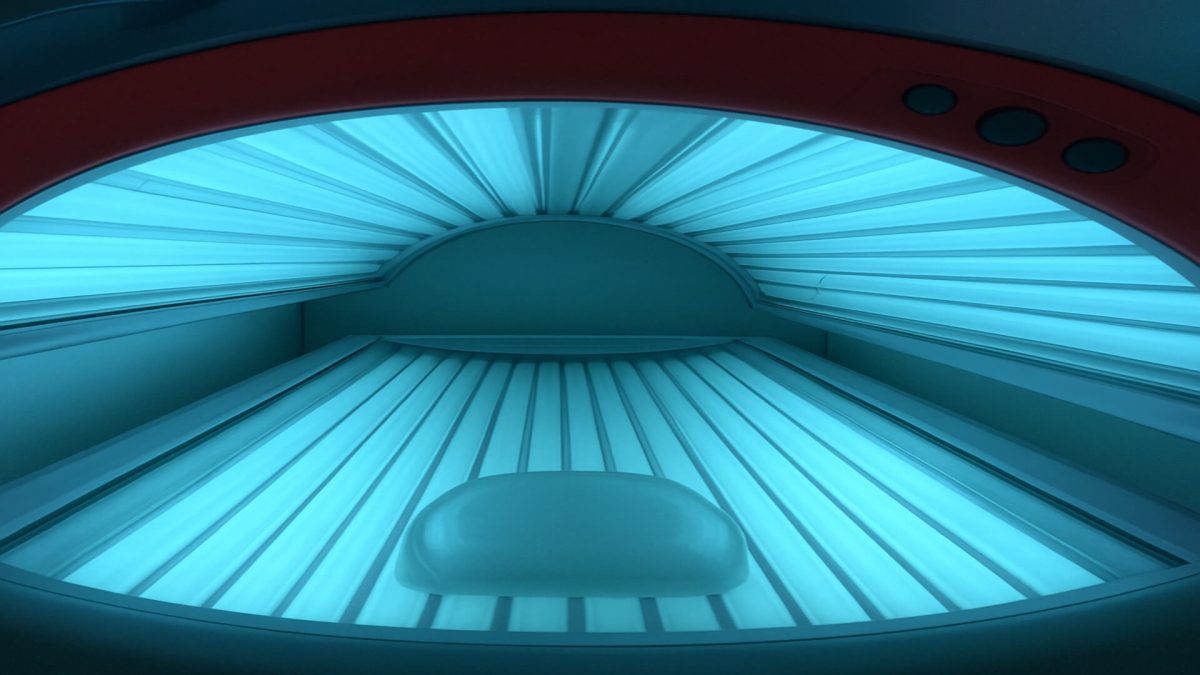
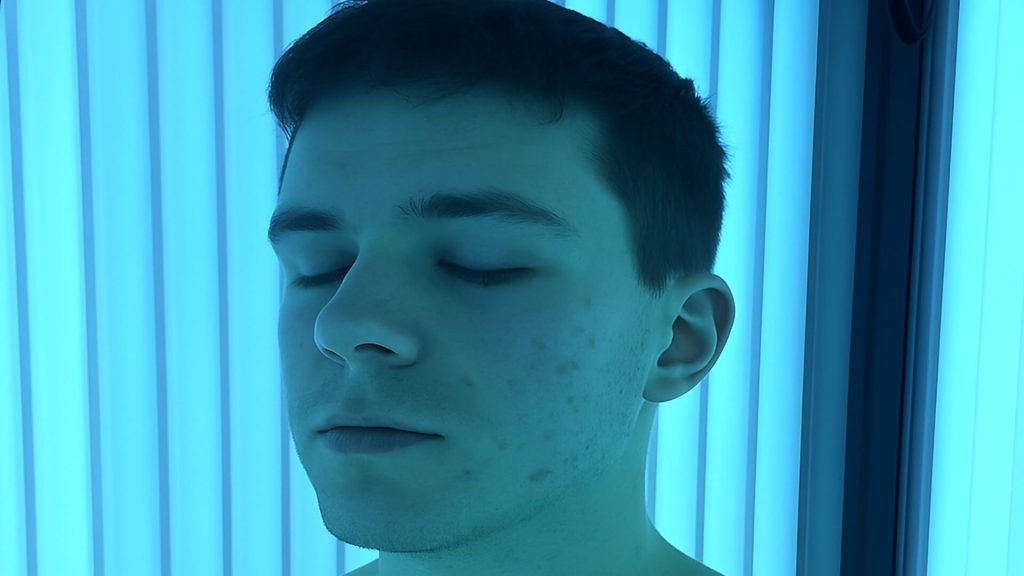
Some people believe sunbeds reduce inflammation. UV rays may flatten redness briefly, and this can appear helpful after a single session. This effect is temporary and inconsistent [4,11].
Drying of the surface may create momentary smoothness, but repeated exposure increases irritation. This can heighten sensitivity and prolong existing breakouts [3].
Why Sunbeds Are Unsafe
UV radiation damages DNA inside skin cells. This type of damage increases the risk of cancer and accelerates visible ageing, even when exposure is short or infrequent [4,5,11].
This makes sunbeds unsuitable for acne or any skin concern. Long term consequences outweigh any short lived change in the appearance of inflammation [4].
| Risk | Summary |
|---|---|
| Skin cancer | UV exposure increases melanoma risk |
| Early ageing | UV accelerates collagen loss |
Table 1: Key risks of sunbeds
Limits Of Sunbeds For Acne
Sunbeds do not target the causes of acne. They cannot reduce excess oil, clear pores, or correct the buildup that leads to new lesions over time [4,11].
They also offer no support for moderate or severe acne, which requires treatment that addresses cell turnover, bacteria, or hormonal influence in a structured way [7].
Safer Options For Acne Care
Benzoyl peroxide may reduce bacteria linked with active spots and calm local inflammation during early use. This can support clearer areas gradually [6].
Salicylic acid helps loosen dead skin cells and clear blocked pores. Gentle, regular use improves surface texture when used within a balanced routine [6].
Retinoids such as adapalene or tretinoin help regulate cell turnover and support more even texture. This may benefit post acne marks or early fine lines [6].
Additional Supportive Steps
Some people find that low glycaemic choices help steady breakouts. Others notice improvement through mindful practices that reduce stress related oil flow [10].
Daily sunscreen protects against marks becoming darker over time. Non comedogenic products and steady routines help maintain ongoing comfort and clarity [6].
When Professional Care Helps
Prescription treatments may be needed when over the counter options do not provide relief. These treatments can address clogged pores, inflammation, or pigmentation [6,7].
Light based therapies that use blue wavelengths offer non UV support for acne bacteria. This approach avoids the risks associated with sunbeds [9].
Monderma Support For Acne
Monderma provides personalised skincare for acne, hyperpigmentation, rosacea, and wrinkles. Formulations may include adapalene, azelaic acid, tretinoin, or niacinamide.
GPhC registered prescribers review each case individually, ensuring treatments align with skin needs and support gentle, long term improvement.
Conclusion
Sunbeds cannot treat acne and create significant risks for skin health due to UV exposure. The temporary changes they produce do not address the underlying causes [4,5,11].
Those seeking safe and effective acne care can explore our personalised consultation, which provides tailored guidance supported by clinical assessment.
Content is for informational purposes only. Monderma treatments are prescribed following consultation. Results and timeframes can vary. Use as directed by your prescriber.
References
- Kutlu Ö, Metin A. Adult Acne Versus Adolescent Acne.
- Liu Y, Zeng Y, Sheng S, Shen X. Managing Adult Acne.
- NHS. Vitamin D.
- Boniol M, Autier P, Boyle P, Gandini S. Cutaneous Melanoma Attributable To Sunbed Use.
- International Agency for Research on Cancer. Sunbeds And UV Radiation.
- NICE. Acne Vulgaris Management.
- Santer M, Francis NA, Lown M, et al. Effectiveness Of Spironolactone For Women With Acne.
- Skindoc UK. Spironolactone Information.
- Akuffo Addo E, et al. Visible Light In Acne Treatment.
- Meixiong J, et al. Diet And Acne.
- Cancer Research UK. How The Sun And UV Cause Cancer.
- Nascimento et al. Tea Tree Oil For Inflammatory Acne.
Join the Newsletter
Insights that make your skin feel understood
Share this article if you found it helpful



More To Explore
Latest Articles For Your Skin
-
Understanding Pityriasis Rosea: Symptoms & Treatment
-
How To Spot Fake Skincare Products Online
-
CBD Skincare For Calming Redness & Irritation

-
How Fractional Laser Can Renew Damaged Skin
-
Wearable Sensors Used For Skin Condition Tracking

-
Ectoine: Skincare & Eye Care Barrier Protection

-
Baby Acne Myths & Facts Explained

-
Niels Ryberg Finsen: Pioneer Of UV Phototherapy
-
Allantoin Uses & Benefits For Daily Skincare

-
Chapped Lips: Causes & How To Treat Them