 Monderma
- 31 Mar 2025
- UVB light enables vitamin D creation
- Season and location change levels made
- Skin tone and age affect formation
- Diet and supplements support needs
- Skin health support is offered by Monderma
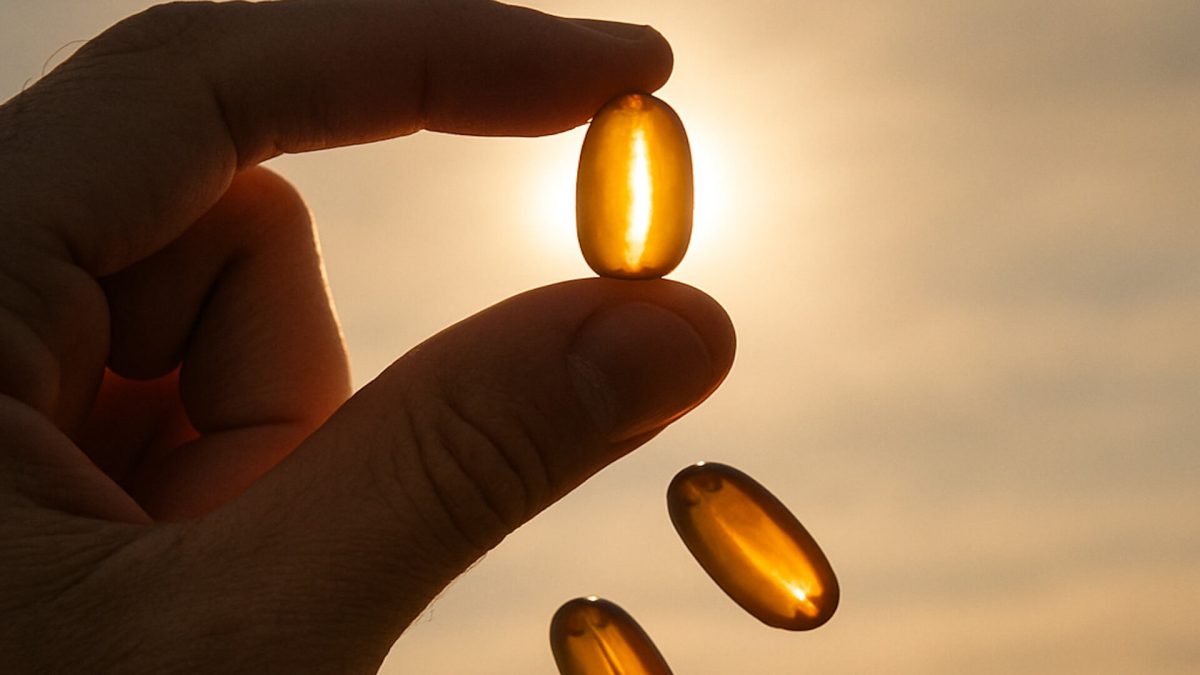
Vitamin D forms in the skin when sunlight reaches its surface, and many notice seasonal shifts in energy, immunity, and comfort as UVB levels rise or fall throughout the year [1,2].
In this article, we explore how UVB light supports vitamin D synthesis, how this influences health, and how balanced exposure can work alongside protective skincare habits.
Understanding Vitamin D
Vitamin D helps the body absorb calcium and phosphorus, which support bone strength, mobility, and everyday resilience.
Some studies link low vitamin D to various conditions, though evidence remains observational rather than proven causal, especially in diverse UK populations [1,2].
How The Sun Enables Vitamin D Synthesis
UVB light interacts with 7 dehydrocholesterol in the skin to create vitamin D3, which then becomes active after conversion in the liver and kidneys [3].
Sun angle, time of day, and geographic region influence how much UVB light reaches the skin, with midday sunlight offering the most efficient exposure [3,4].
Factors Influencing Vitamin D Synthesis
| Factor | Description |
|---|---|
| Location and season | Winter UVB levels drop in the UK [2,5] |
| Skin pigmentation | Darker skin forms vitamin D more slowly [6] |
| Age | Ageing reduces skin precursors [7] |
| Sunscreen and clothing | UVB is blocked and formation slows [8,12] |
Table 1: Factors that affect vitamin D synthesis
Geographic Location & Season
Equatorial regions allow steady vitamin D formation, while higher latitudes experience reduced UVB, especially in winter when the UK cannot sustain production [5].
This explains seasonal patterns and why diet or supplements support levels during colder months.
Skin Pigmentation
Melanin absorbs UVB and protects the skin, but this slows vitamin D formation and increases the time required outdoors to achieve the same result [6].
People with darker skin tones may need longer exposure to support year round vitamin D balance.
Age Related Changes
Ageing reduces 7 dehydrocholesterol in the skin, which makes vitamin D formation less efficient and increases susceptibility to deficiency [7].
This may influence bone and muscle comfort, especially in older adults.
Sunscreen & Clothing
Sunscreen and clothing block UVB, which protects the skin but also reduces vitamin D formation during protected outdoor activity [8,12].
Short safe exposure followed by sunscreen use may support both vitamin D levels and long term skin protection.
Does Window Light Provide Vitamin D
UVB light does not pass through glass, so indoor sunlight does not support vitamin D formation even with prolonged exposure [11].
People who spend most time indoors may rely more on dietary vitamin D or supplements.

Health Benefits Of Vitamin D
Vitamin D supports calcium absorption and helps maintain bone strength, which reduces the likelihood of fractures over time [9].
It also regulates immune function and may help reduce inflammation, supporting broader wellbeing [11].
Vitamin D & Skin Health
Vitamin D helps regulate cell turnover and may support inflammatory skin concerns such as psoriasis, and topical forms are used clinically to manage symptoms [10].
Healthy vitamin D levels also support surface comfort and barrier stability across varying seasons.
Strategies For Healthy Vitamin D Levels
Short sunlight exposure several times weekly supports vitamin D formation, and midday offers the most effective UVB light [12].
Diet and supplementation provide reliable alternatives during winter or periods of low outdoor exposure.
Dietary Sources
Foods such as salmon, mackerel, fortified cereals, and egg yolks provide vitamin D3 and help sustain levels throughout the year [1].
These choices support steady levels when UVB availability is limited.
Supplements
The NHS recommends ten micrograms of vitamin D daily in autumn and winter to maintain general health when sunlight alone is insufficient [5].
These supplements help support consistent levels across varying seasons.
Monderma Support For Skin Health
Monderma provides personalised prescription skincare for acne, ageing skin, hyperpigmentation, and rosacea, using ingredients such as tretinoin, azelaic acid, and niacinamide.
These treatments support skin comfort and surface resilience and complement the wider benefits of balanced vitamin D levels.
Conclusion
UVB light enables vitamin D formation in the skin, and this process supports bone strength, immune balance, and overall skin comfort throughout the year.
Readers seeking tailored guidance can explore options through our personal skincare review, which supports long term skin health with personalised care.
Content is for informational purposes only. Monderma treatments are prescribed following consultation. Results and timeframes can vary. Use as directed by your prescriber.
References
- Holick MF. Vitamin D Deficiency
- Sutherland JP, Zhou A, Leach MJ, et al. Differences And Determinants Of Vitamin D Deficiency
- Webb AR, Engelsen O. Calculated Ultraviolet Exposure Levels For A Healthy Vitamin D Status
- Armstrong BK, Kricker A. The Epidemiology Of UV Induced Skin Cancer
- National Health Service. Vitamin D
- Clemens TL, Adams JS, Henderson SL, Holick MF. Increased Skin Pigment Reduces Capacity To Synthesise Vitamin D3
- StatPearls. Vitamin D Deficiency
- National Institute For Health And Care Excellence. Vitamin D Supplement Use In Specific Population Groups
- Yao P, Bennett D, Mafham M, et al. Vitamin D And Calcium For The Prevention Of Fracture
- Mason AR, Mason J, Cork M, et al. Topical Treatments For Chronic Plaque Psoriasis
- Holick MF, Chen TC. Sunlight And Vitamin D A Global Perspective For Health
- NICE. Overview Of Sunlight Exposure Messages
Join the Newsletter
Insights that make your skin feel understood
Share this article if you found it helpful



More To Explore
Latest Articles For Your Skin
-
Understanding Pityriasis Rosea: Symptoms & Treatment

-
How To Spot Fake Skincare Products Online
-
CBD Skincare For Calming Redness & Irritation

-
How Fractional Laser Can Renew Damaged Skin
-
Wearable Sensors Used For Skin Condition Tracking

-
Ectoine: Skincare & Eye Care Barrier Protection

-
Baby Acne Myths & Facts Explained

-
Niels Ryberg Finsen: Pioneer Of UV Phototherapy
-
Allantoin Uses & Benefits For Daily Skincare

-
Chapped Lips: Causes & How To Treat Them