 Monderma
- 13 Jun 2025
- Hydrogenated squalene forms squalane
- Stable structure prevents oxidation
- Light texture suits many skin types
- Non comedogenic for acne prone care
- Hydration support available at Monderma
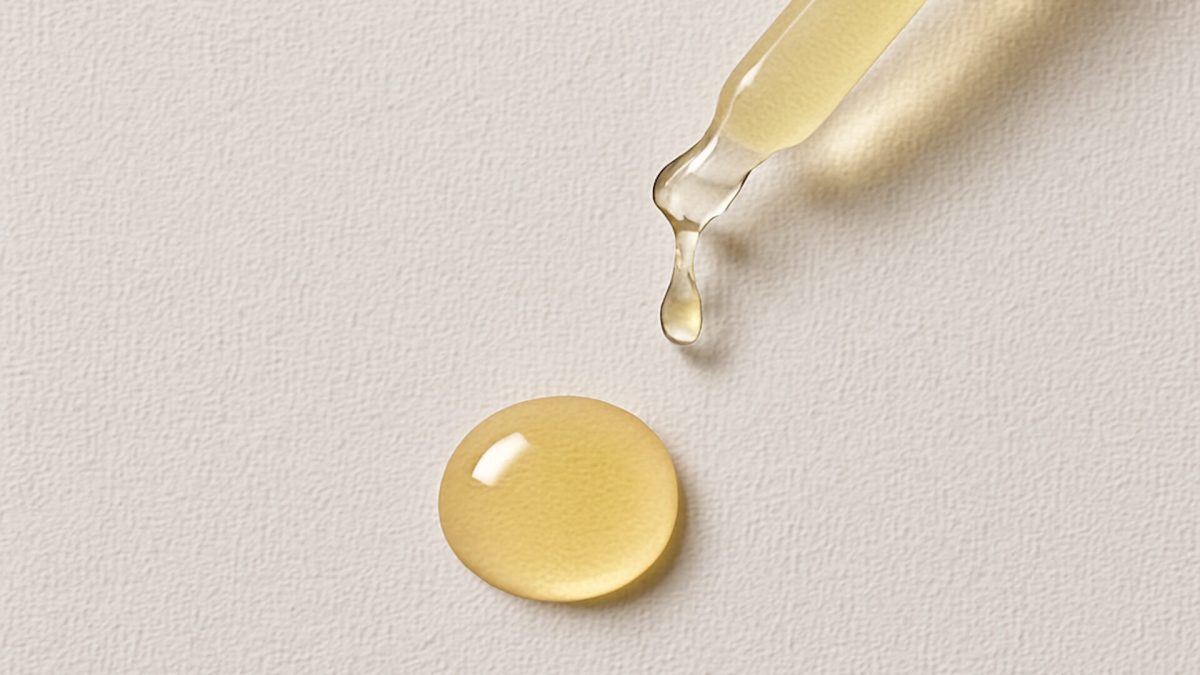
Squalane is growing in popularity, and many people recognise its gentle texture when looking for hydration that feels comfortable across changing skin needs [1].
In this article we explain how squalane differs from squalene, how it supports hydration, and why it suits concerns such as acne, dry skin, and oily skin.
Understanding Squalane & Squalene
Squalane is the hydrogenated form of squalene, a lipid that occurs naturally within human sebum and helps maintain skin moisture [1]. Squalene is vital, although it oxidises quickly [2].
Hydrogenation stabilises squalene and creates squalane, which remains shelf friendly, lightweight, and less likely to clog pores. This stability supports its role across skincare [1,3].
Squalene & Squalane Compared
| Feature | Squalene |
|---|---|
| Source | Naturally in skin, shark liver, plants |
| Stability | Unstable, oxidises quickly |
| Skincare Use | Limited due to oxidation |
| Feature | Squalane |
|---|---|
| Source | Hydrogenated from squalene |
| Stability | Stable with a long shelf life |
| Skincare Use | Used widely in oils and cleansers |
Table 1: Differences between squalene and squalane
Key Benefits Of Squalane
Squalane oil offers a light, non greasy texture that suits all skin types. It hydrates, supports barrier comfort, and remains suitable for acne prone and oily skin [4,5].
Deep Hydration & Comfort
Squalane mimics natural moisturising factors and absorbs smoothly without heaviness [4,5]. It acts as an emollient that supports hydration and comfort for dry skin or sensitive types [1,3].
Support For Acne Prone Skin
Squalane is non comedogenic, meaning it does not clog pores. Emollients can support skin barrier function without worsening acne, and squalane is generally suitable for sensitive skin [4,5].
Balancing Moisture Levels
Although direct evidence for sebum regulation is limited, squalane integrates well with skin lipids and helps maintain balanced moisture in combination or oily skin types [4,5].
Squalane Benefit Summary
| Benefit | Description |
|---|---|
| Deep Hydration | Hydrates without greasiness |
| Non Comedogenic | Supports barrier comfort without clogging pores |
| Moisture Balance | Helps maintain balanced hydration levels |
Table 2: Key squalane benefits
Versatile Uses In Skincare
Squalane can act as a daily moisturiser, a gentle cleanser, or a supportive step alongside other ingredients. Squalane cleansers lift impurities and makeup while maintaining hydration [3].
People often use squalane to reduce dryness on hair ends, add comfort beneath makeup, or blend into routines for sensitive skin. Its gentle nature makes it adaptable.
Conclusion
Squalane provides lightweight hydration while helping maintain balanced oil levels, making it suitable for dry, oily, and acne prone skin. Its gentle texture and stability support smooth, comfortable skin without clogging pores.
If you would like personalised skincare that complements the benefits of squalane for your own skin type, you can explore a tailored formula through Monderma.
References
Content is for informational purposes only. Monderma treatments are prescribed following consultation. Results and timeframes can vary. Use as directed by your prescriber.
- Adv Food Nutr Res. Biological importance of squalene and squalane
- Indian J Dermatol. Moisturisers and skin function
- Formula Botanica. Squalene and squalane
- CeraVe. Squalane oil information
- Temple Spa. Benefits of squalane
- Malezia. Squalane and acne
- Biochim Biophys Acta. Squalene oxygen quenching
Share this article if you found it helpful



More To Explore
Latest Articles For Your Skin
-
Understanding Pityriasis Rosea: Symptoms & Treatment
-
How To Spot Fake Skincare Products Online
-
CBD Skincare For Calming Redness & Irritation

-
How Fractional Laser Can Renew Damaged Skin
-
Wearable Sensors Used For Skin Condition Tracking

-
Ectoine: Skincare & Eye Care Barrier Protection
-
Baby Acne Myths & Facts Explained

-
Niels Ryberg Finsen: Pioneer Of UV Phototherapy
-
Allantoin Uses & Benefits For Daily Skincare
-
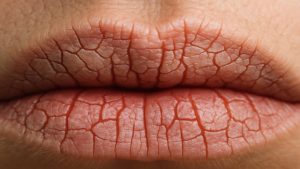
Chapped Lips: Causes & How To Treat Them