 Monderma
- 07 Jan 2025
- Affects 1.65% of UK adults, causing redness
- Four types: redness, bumps, thickening, eye issues
- Triggers include heat, sun, stress & spicy food
- Topicals with azelaic acid & ivermectin help
- Use gentle skincare, SPF 30+, & avoid triggers
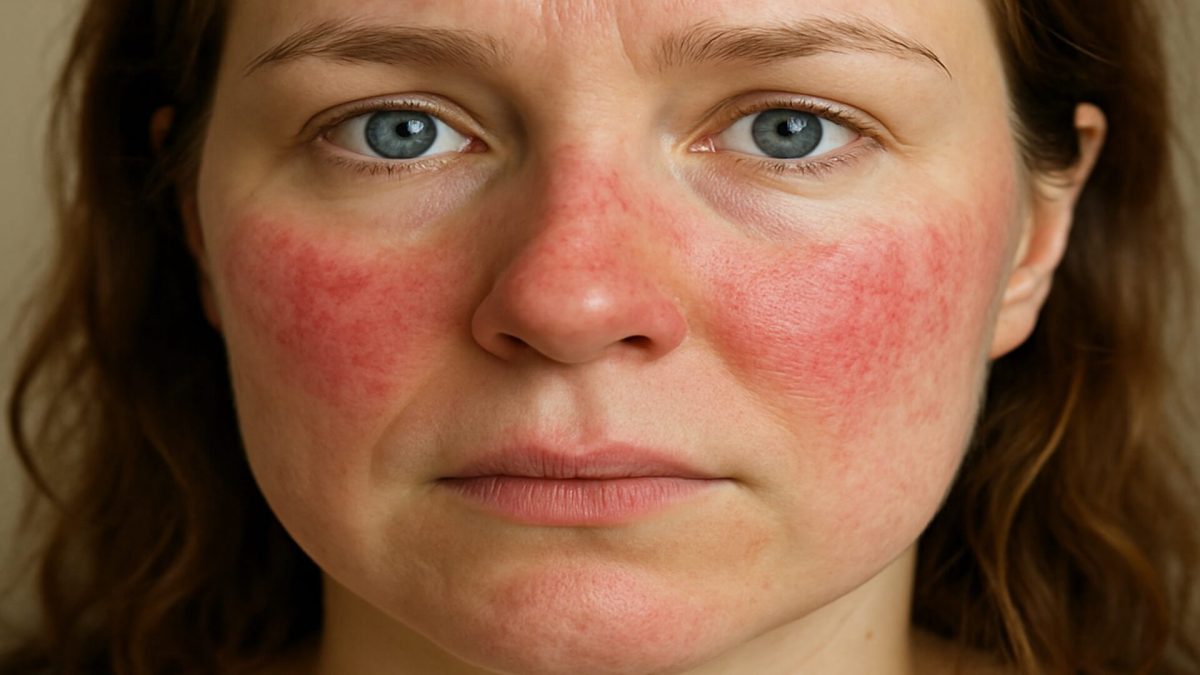
Rosacea is a chronic inflammatory skin condition affecting around 1.65% of people in the UK [1,9] and over 5% globally [4]. It commonly appears after age 30 and presents with facial redness, visible blood vessels, irritation, and sometimes acne-like bumps [2].
This guide explores rosacea symptoms, triggers, and treatments including dermatologist-supervised skincare to help manage flare-ups safely and effectively.
Understanding The Types Of Rosacea
Rosacea has four recognised subtypes, often overlapping and evolving over time [10].
| Subtype | Description & Effects | Prevalence | Common Areas |
|---|---|---|---|
| Erythematotelangiectatic | Redness, visible vessels, and burning | 57% [3] | Nose, cheeks, chin |
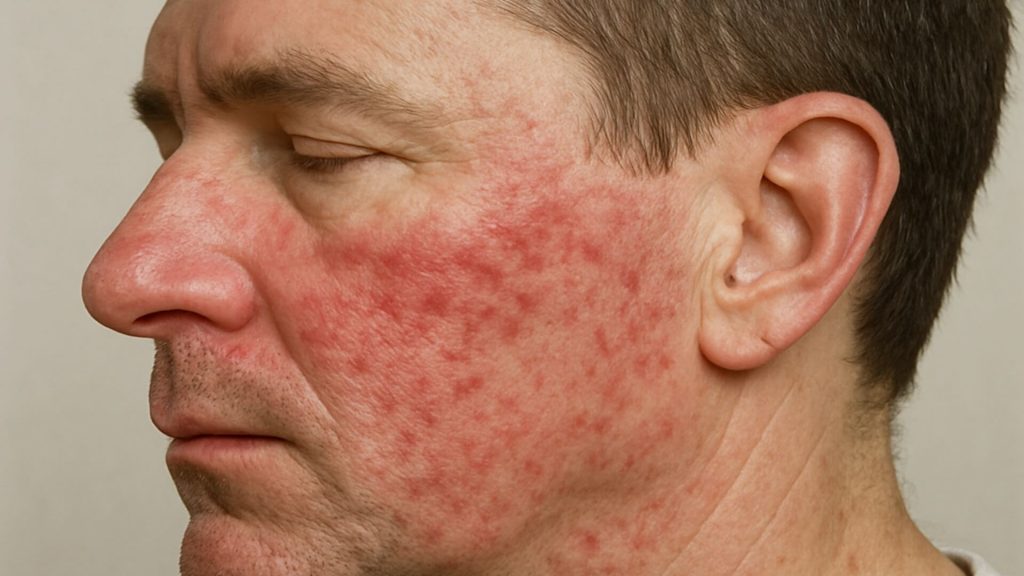
| Papulopustular | Redness with acne-like bumps (no blackheads) | 43% [3] | Forehead, cheeks, chin |
| Phymatous | Thickened, bumpy skin (often on the nose) | 7% [3] | Nose, ears |
| Ocular | Eye dryness, burning, and irritation | 11% [3] | Eyes, eyelids |
Table 1: Common rosacea subtypes and prevalence
Subtypes can co-exist or shift over time, requiring professional evaluation for tailored care.
Common Triggers Of Rosacea
Flare-ups are highly individual, but several common triggers frequently worsen redness and irritation [5,6].
| Trigger | Effect On Skin | Prevalence | Management Tip |
|---|---|---|---|
| Sun Exposure | UV rays dilate blood vessels and damage skin barrier | 81% [6] | Apply SPF 30+ mineral sunscreen daily [7] |
| Stress | Releases inflammatory neuropeptides | 79% [6] | Use mindfulness or relaxation exercises [5] |
| Extreme Weather | Heat or wind aggravates flushing | 75% hot / 46% cold [6] | Layer clothing & protect face outdoors |
| Alcohol | Expands blood vessels, increasing redness | 52% [6] | Limit red wine and strong spirits [5] |
| Exercise | Raises body temperature and facial flushing | 56% [6] | Cool skin, hydrate, apply SPF if outdoors |
| Spicy Food | Capsaicin widens vessels and triggers burning | 45% [6] | Choose mild flavours [5] |
| Hot Drinks | Heat triggers flushing | 36% [1] | Try iced versions |
| Harsh Skincare | Fragrance or alcohol increases sensitivity | 41% [6] | Use gentle, fragrance-free cleansers [5] |
Table 2: Common rosacea triggers and management strategies
Tracking triggers with a healthcare professional helps refine personalised management plans.
Diagnosing Rosacea
Diagnosis is clinical and based on visible redness, vascular changes, and inflammation in the absence of blackheads. According to NHS guidance, assessment includes evaluating severity and identifying aggravating factors [7].
Monderma’s clinicians review photographs or video consultations to confirm type and recommend suitable prescription skincare.
Effective Rosacea Treatments
Evidence-Based Ingredients
Topical therapies help calm inflammation, reduce redness, and improve barrier function.
| Ingredient | Strength | What It Is | How It Helps Rosacea |
|---|---|---|---|
| Azelaic Acid | 3–20% | Dicarboxylic acid from grains | Calms inflammation & reduces redness [7] |
| Niacinamide | 2–4% | Vitamin B3 derivative | Strengthens barrier & reduces sensitivity |
| Ivermectin | 1% | Antiparasitic compound | Targets Demodex mites linked to rosacea [13] |
Table 3: Common Prescription Actives For Rosacea Management
Combination formulas prescribed by a healthcare professional can address both inflammation and microbial imbalance.
Prescription Formulations
Monderma offers dermatologist-directed treatments containing medical-grade actives such as azelaic acid, niacinamide, and ivermectin. These ingredients target redness, strengthen skin resilience, and reduce mite-related irritation.
Managing Complications
Without management, rosacea can lead to persistent redness, thickened skin, or eye complications. Around 20% of advanced cases involve ocular symptoms such as dryness or discomfort [8,9,12].
Psychological impacts are also common, highlighting the importance of early, compassionate treatment and ongoing support.
Practical Skincare Tips For Rosacea
- Use gentle, fragrance-free cleansers twice daily.
- Apply prescribed rosacea cream as directed by your clinician.
- Always wear SPF 30+ mineral sunscreen, even on cloudy days [7].
- Avoid alcohol-based or exfoliating products [6,11].
- Keep a trigger diary to monitor food, weather, or stress patterns.
- Stay consistent and review progress regularly with a healthcare professional.
Conclusion
Rosacea management combines identifying triggers, using gentle skincare, and applying targeted prescription treatments. With consistent SPF use, avoidance of irritants, and professional guidance, most people achieve noticeable improvement in redness and comfort.
For expert-led rosacea care, complete a free consultation with Monderma today and share this article to help others better understand rosacea management.
Content is for informational purposes only. Monderma treatments are prescribed following consultation. Results and timeframes can vary. Use as directed by your prescriber.
Bibliography
- NICE. Rosacea: Prevalence. Clinical Knowledge Summaries, 2023.
- Patient.info. Rosacea. Updated May 2023.
- Barakji YA, et al. Assessment of Frequency of Rosacea Subtypes in Patients With Rosacea. JAMA Dermatol. 2022;158(6):678-686.
- Gether L, Overgaard LK, Egeberg A, et al. Prevalence and risk of rosacea: a systematic review and meta-analysis. Br J Dermatol. 2018;179(2):282-289.
- National Rosacea Society. Coping With Common Rosacea Triggers. 2018.
- National Rosacea Society. Rosacea Triggers Survey. Accessed July 2025.
- NHS. Rosacea. 2023.
- DermNet NZ. Ocular Rosacea. Accessed July 2025.
- Spoendlin J, Voegel JJ, Jick SS, Meier CR. Epidemiology of Rosacea in the U.K. Br J Dermatol. 2012;167(3):598-605.
- Tan J, Berg M, Gallo RL, Del Rosso JQ. Applying the Phenotype Approach for Rosacea. Br J Dermatol. 2018;179(3):741-746.
- Searle T, Ali FR, Carolides S, Al-Niaimi F. Rosacea and Diet: What Is New in 2021? J Clin Aesthet Dermatol. 2021;14(12):49-54.
- National Rosacea Society. Ocular Rosacea Can Threaten Sight. Rosacea Review. Winter 2004.
- NICE. Rosacea: Management. Clinical Knowledge Summaries, 2023.
Join the Newsletter
Insights that make your skin feel understood
Share this article if you found it helpful



More To Explore
Latest Articles For Your Skin
-
Understanding Pityriasis Rosea: Symptoms & Treatment
-
How To Spot Fake Skincare Products Online

-
CBD Skincare For Calming Redness & Irritation

-
How Fractional Laser Can Renew Damaged Skin
-
Wearable Sensors Used For Skin Condition Tracking

-
Ectoine: Skincare & Eye Care Barrier Protection
-
Baby Acne Myths & Facts Explained

-
Niels Ryberg Finsen: Pioneer Of UV Phototherapy
-
Allantoin Uses & Benefits For Daily Skincare

-
Chapped Lips: Causes & How To Treat Them