 Monderma
- 24 Mar 2025
- Rich plant butter hydrates skin
- Low clogging risk for most types
- Fatty acids calm irritation gently
- Texture varies between users
- Guided support available with Monderma
Shea butter is a natural moisturising ingredient used in many skincare products, and its rich texture often raises questions about pore clogging among those prone to breakouts [1].
This article explains how shea butter behaves on different skin types, how comedogenic ratings are interpreted, and how to use this ingredient safely alongside non-comedogenic options [1,2].
What Is Shea Butter?
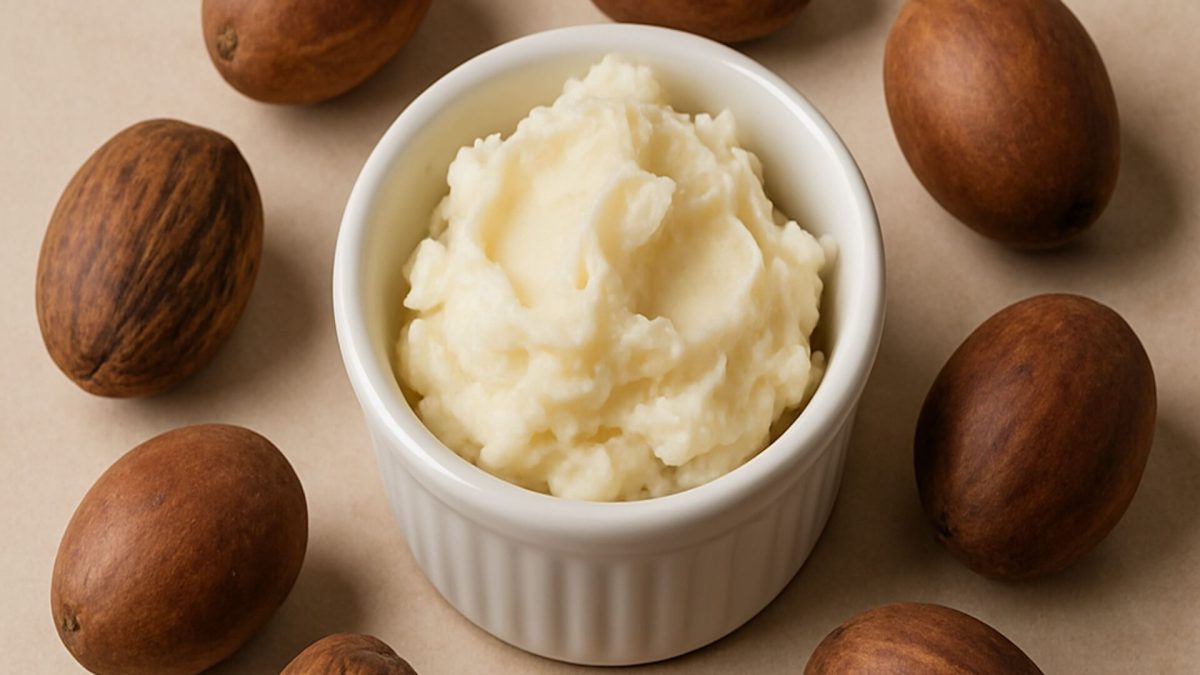
Shea butter is made from the nuts of the African shea tree and contains vitamins and fatty acids that help soften dry skin while supporting the surface barrier through gentle nourishment [1].
Its creamy consistency makes it a frequent addition to moisturisers and creams. Many people use it to ease dryness, and others enjoy its ability to smooth texture across areas of roughness [1].
Benefits Of Shea Butter
Shea butter supports hydration by helping the skin retain moisture. This action improves comfort when dryness develops and helps maintain a balanced, supple surface [1].
It also contains natural antioxidants that protect against environmental stress, while its soothing properties ease visible redness that may appear with irritation [3,4].
Comedogenic Ratings
Comedogenic ratings estimate the likelihood that an ingredient may clog pores. Shea butter is often listed with a rating between zero and two, indicating a low predicted risk for most people [2].
These ratings are not based on standardised testing, so individual skin responses may differ. Patch testing and gradual introduction help determine how it behaves on specific skin types [2].
Alternatives To Reduce Congestion
Lightweight oils offer hydration with minimal pore congestion. These options support clarity while complementing shea butter in balanced formulations.
| Oil | Benefit |
|---|---|
| Jojoba oil | Mimics natural sebum |
| Grapeseed oil | Light texture supports clarity |
Table 1: Non comedogenic oils
How To Use Shea Butter Safely
Patch testing is a practical first step. Applying a small amount to a discreet area helps identify sensitivity before applying it across larger areas [2].
Choosing products where shea butter is one part of a wider formulation can offer softness without creating heaviness, particularly on oilier areas of the face [6,9].
Pairing shea butter with light oils may support hydration while reducing the chance of congestion. This combination provides balance for people sensitive to richer textures [6,7,9].
Shea Butter For Acne Prone Skin
Shea butter may help soothe the surface when irritation accompanies breakouts. Its calming properties can offer comfort around inflamed areas while supporting the skin barrier [3].
Some people with acne prone skin find that using smaller amounts helps them enjoy nourishment without creating excess richness across areas that tend to clog more easily [5].
Myths About Shea Butter
Shea butter does not directly cause acne. Breakouts develop due to multiple factors such as hormones, genetics, and surface debris. Texture based adjustments help reduce concerns [5].
Oily skin may still benefit from shea butter when used sparingly. Many individuals find that controlled use offers softness without increasing shine or heaviness [6,9].
Conclusion
Shea butter offers hydration, antioxidant support, and surface soothing, and it carries a low predicted risk of clogging pores for many people. Observing individual responses helps guide safe use [1,2].
Those seeking personalised skincare for acne, hyperpigmentation, rosacea, or wrinkles can explore tailored options through our consultation, designed for supportive guidance.
Content is for informational purposes only. Monderma treatments are prescribed following consultation. Results and timeframes can vary. Use as directed by your prescriber.
References
- Liz Earle Beauty Co. Benefits of Shea Butter as a Moisturiser.
- Dr Alpana Mohta. Is Shea Butter Comedogenic.
- Verma N, et al. J Complement Integr Med.
- Maranz S, Wiesman Z, Garti N. Journal of Agricultural and Food Chemistry.
- NHS. Acne.
- Proven Skincare. Is Jojoba Oil Comedogenic.
- Healthline. Hemp Oil for Skin.
- Pai Skincare. Rosehip Oil Skin Benefits.
- Nikura. Benefits of Grapeseed Oil for Skin.
Join the Newsletter
Insights that make your skin feel understood
Share this article if you found it helpful



More To Explore
Latest Articles For Your Skin
-
Understanding Pityriasis Rosea: Symptoms & Treatment
-
How To Spot Fake Skincare Products Online
-
CBD Skincare For Calming Redness & Irritation
-
How Fractional Laser Can Renew Damaged Skin
-
Wearable Sensors Used For Skin Condition Tracking

-
Ectoine: Skincare & Eye Care Barrier Protection

-
Baby Acne Myths & Facts Explained

-
Niels Ryberg Finsen: Pioneer Of UV Phototherapy

-
Allantoin Uses & Benefits For Daily Skincare
-
Chapped Lips: Causes & How To Treat Them