 Monderma
- 28 May 2025
- Chronic inflammation affects oily areas
- Yeast activity influences symptoms
- Weather and stress trigger flares
- Treatments calm redness and scaling
- Personalised skincare with Monderma
Seborrhoeic dermatitis affects areas rich in oil glands and can create redness, irritation, and visible scaling that feels difficult to manage in daily life [1].
In this article we explore its symptoms, causes, and treatment options to support calm decision making and help people manage this condition with confidence.
Common Symptoms
Seborrhoeic dermatitis presents with varied symptoms that change in intensity and location, which can make recognition challenging for many individuals.
| Symptom | Description |
|---|---|
| Red patches of skin | Erythematous areas on the scalp, face, or trunk |
| Greasy or oily skin | Excess sebum creates a shiny surface |
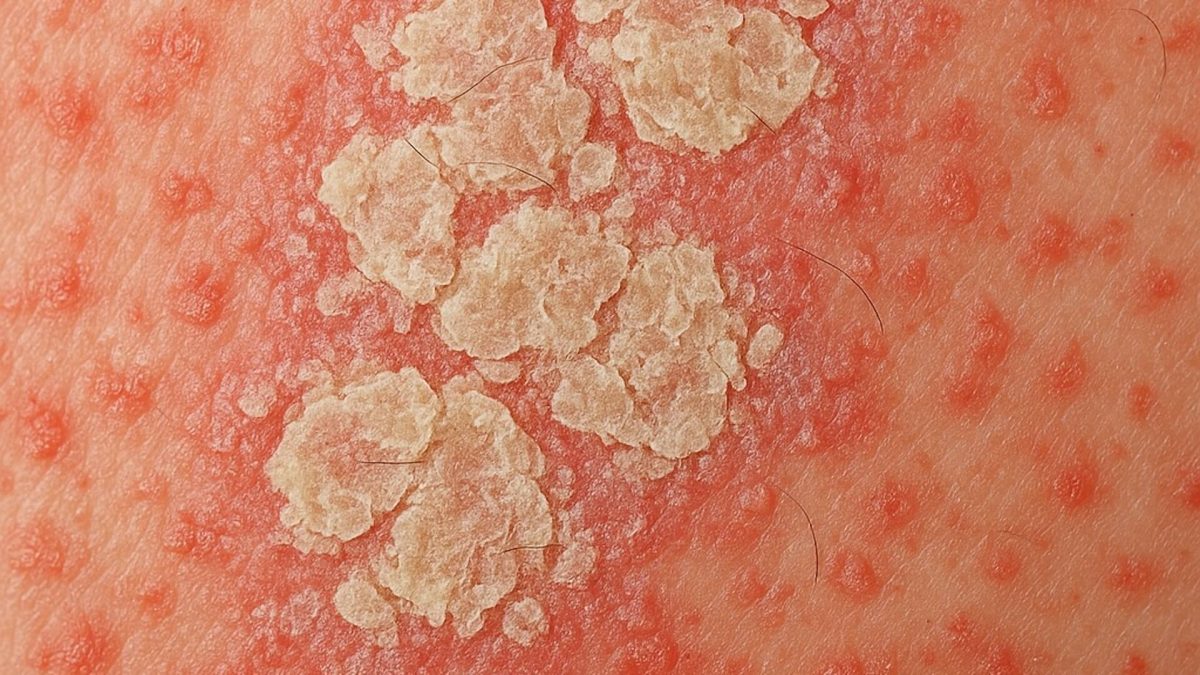
| White or yellowish crusty scales | Flakes that may be greasy or dry |
| Itching or burning sensations | Discomfort from mild to intense irritation |
Table 1: Common symptoms
Symptoms may vary from simple dandruff to thick and painful crusts. Flares often worsen with cold weather or stress, and some people notice dietary influences [2].
Infants may develop cradle cap, which appears as greasy and scaly patches on the scalp and usually settles naturally by twelve months [3].
Causes Of Seborrhoeic Dermatitis
Seborrhoeic dermatitis develops from a mix of genetic and environmental factors, along with the presence of Malassezia yeast, although its exact role remains debated [1].
Factors & Contributors
| Factor | Description |
|---|---|
| Malassezia yeast | Overgrowth relates to inflammation [1] |
| Genetic predisposition | Family history increases risk [4] |
| Weather conditions | Cold and dry climates worsen symptoms [2] |
| Stress and fatigue | Raises likelihood of flare ups [4] |
| Hormonal changes | Influences severity in infancy or adulthood [3] |
Table 2: Contributing factors
Environmental triggers, sensitivity to yeast, stress, and hormonal changes all shape the pattern of symptoms. Identifying triggers supports long term comfort [5].
How To Treat Seborrhoeic Dermatitis
Seborrhoeic dermatitis is long lasting, but with the right treatment it can be managed effectively. Approaches aim to reduce inflammation, scaling, and yeast activity.
Over The Counter Treatments
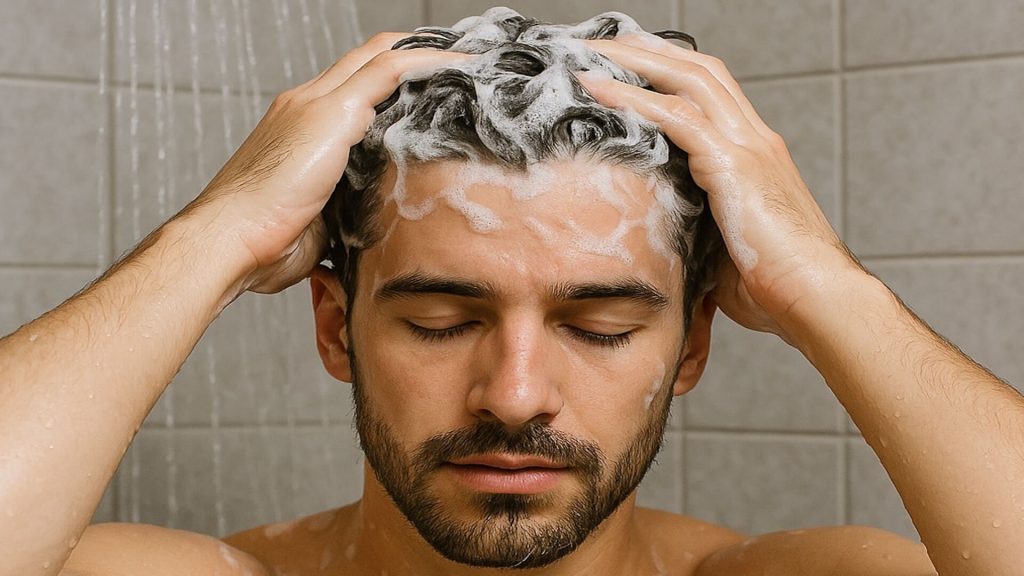
Shampoos with ketoconazole, selenium sulfide, salicylic acid, or zinc pyrithione help calm scalp irritation. Ketoconazole reduces Malassezia growth and scaling [6].
Regular use supports comfort and helps prevent flares, while ingredients such as tea tree oil may soothe the scalp, although evidence remains limited [2].
Topical Creams & Lotions
Creams with antifungals or mild corticosteroids can calm redness on non scalp areas. Coal tar products reduce scaling but are less common because of odour [1].
Olive oil may soften cradle cap in infants, though families are advised to seek guidance to ensure gentle and appropriate care [3].
Prescription Treatments
More persistent symptoms may need medical treatments tailored to severity and skin sensitivity to achieve steady improvement over time.
Topical corticosteroids calm inflammation quickly but must be used for short periods because prolonged use may thin the skin [7].
Antifungal medicines treat significant yeast imbalance. Calcineurin inhibitors such as tacrolimus may support facial care when steroid alternatives are preferred [2].
Lifestyle & Home Remedies
Lifestyle changes can support comfort and work alongside medical treatments to reduce the frequency of flares.
Regular Skincare Routine
Gentle skincare using non irritating cleansers removes excess oil and scales without stressing the skin barrier, supporting daily comfort [4].
Stress Management
Calming practices such as meditation or breathing exercises may help reduce inflammation by easing the effect of stress on the body [4].
Diet & Nutrition
Balanced nutrition supports overall skin health. Some people report that reducing sugar or yeast helps, although evidence is limited [2].
When To See A Dermatologist
Guidance is recommended when symptoms persist or worsen despite treatment, or if redness and discomfort begin to affect daily confidence or wellbeing.
Medical review is also important when there are signs of infection, such as warmth or pus. Early care supports clearer outcomes and comfort [2].
Conclusion
Seborrhoeic dermatitis can be managed with steady routines that include medicated shampoos, topical treatments, and habits that help minimise triggers. With consistent care, many people see improvements in comfort and overall skin balance.
If you would like personalised skincare designed around your own needs, you can explore a tailored formula through Monderma.
Content is for informational purposes only. Monderma treatments are prescribed following consultation. Results and timeframes can vary. Use as directed by your prescriber.
References
- Tucker D, Masood S. Seborrheic Dermatitis. StatPearls Publishing.
- American Academy of Dermatology. Seborrheic Dermatitis Treatment.
- Victoire A, Magin P, Coughlan J, van Driel ML. Interventions for Infantile Seborrhoeic Dermatitis. Cochrane Database Syst Rev.
- Borda LJ, Wikramanayake TC. Seborrheic Dermatitis and Dandruff. J Clin Investig Dermatol.
- Lin Q, Panchamukhi A, Li P, et al. Scalp Microbiome in Seborrheic Dermatitis. Bioprocess Biosyst Eng.
- Ketoconazole Shampoo for Seborrheic Dermatitis. PMC.
- Drug Office. Topical Corticosteroids.
Join the Newsletter
Insights that make your skin feel understood
Share this article if you found it helpful



More To Explore
Latest Articles For Your Skin
-
Understanding Pityriasis Rosea: Symptoms & Treatment
-
How To Spot Fake Skincare Products Online

-
CBD Skincare For Calming Redness & Irritation

-
How Fractional Laser Can Renew Damaged Skin
-
Wearable Sensors Used For Skin Condition Tracking

-
Ectoine: Skincare & Eye Care Barrier Protection

-
Baby Acne Myths & Facts Explained

-
Niels Ryberg Finsen: Pioneer Of UV Phototherapy
-
Allantoin Uses & Benefits For Daily Skincare
-
Chapped Lips: Causes & How To Treat Them