 Monderma
- 19 May 2025
- Filaments are normal pore structures
- Oil levels influence their visibility
- Blackheads differ through oxidation
- Gentle care reduces appearance safely
- Supports informed choices with Monderma
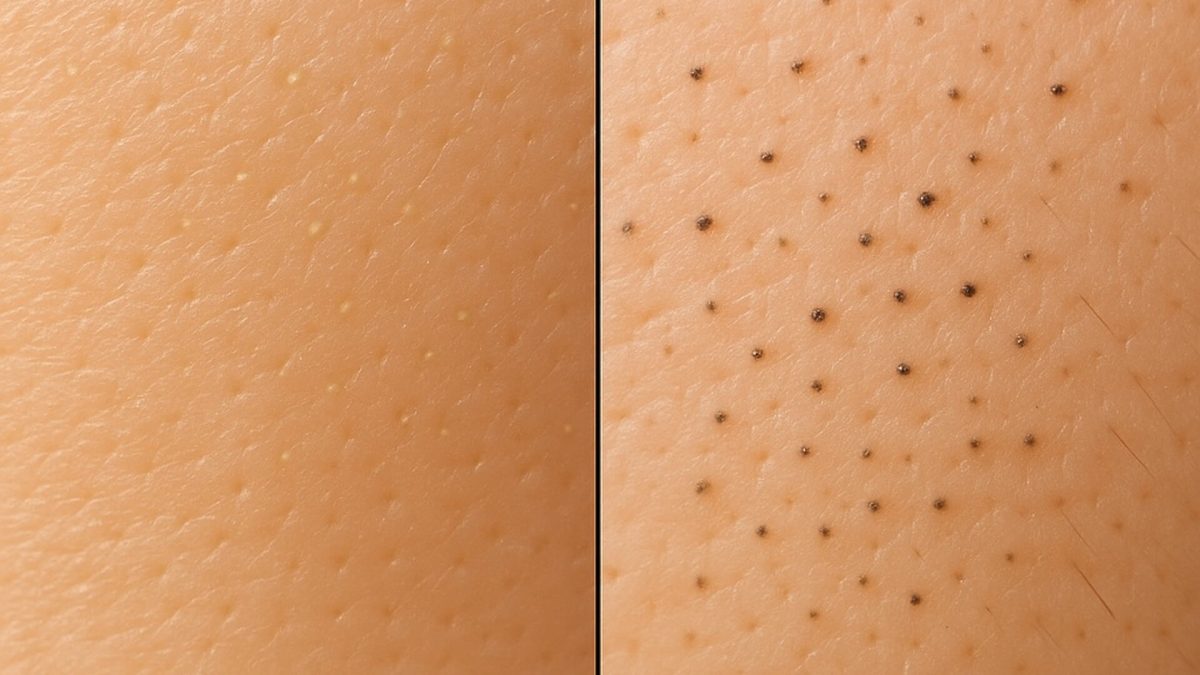
Sebaceous filaments help move natural oils to the surface and are part of normal skin behaviour. Their appearance varies with oil levels, pore size, and overall texture, often drawing attention on the nose or chin.
In this article you will find clear guidance that explains what sebaceous filaments are, how they differ from blackheads, and how to care for them without disrupting the skin barrier.
Filaments & Blackheads Compared
Recognising the difference supports suitable care and helps avoid unnecessary treatments.
| Feature | Description |
|---|---|
| Sebaceous filaments | Grey or flesh toned and subtle. Common on the nose and chin. Normal structures that support sebum flow rather than acne [1] |
| Blackheads | Dark and firm with oxidised material. Can appear on oilier areas and represent open comedones that require targeted acne care [2] |
Table 1: Key differences between filaments and blackheads
Sebaceous filaments maintain hydration, whereas blackheads involve clogged pores. Misidentifying them may lead to aggressive extraction, which can irritate the skin.
Causes Of Prominent Filaments
Several factors influence how noticeable filaments appear.
| Cause | Description |
|---|---|
| Genetics | Skin type and sebum production patterns influence visibility. Oily skin tends to show more pronounced filaments [3] |
| Hormones | Fluctuations during puberty or pregnancy increase sebum output through androgen activity [3,4] |
| Skincare routine | Insufficient cleansing allows oil and dead skin to build up, making filaments appear darker or more defined [5] |
Table 2: Factors linked with visible sebaceous filaments
Management Strategies
Filaments cannot be removed but their appearance can be softened with supportive routines.
| Strategy | Description |
|---|---|
| Regular cleansing | Gentle oil free cleansers twice daily remove excess oil and debris to reduce filament visibility [5] |
| Exfoliation | Beta hydroxy acid or glycolic acid helps dissolve oil and dead skin for smoother texture [2] |
| Clay masks | Kaolin or bentonite helps absorb surface oil and refine appearance [1] |
| Retinoids | Retinol or prescription tretinoin increases cell turnover and reduces buildup within pores over time [6] |
Table 3: Evidence based care strategies
A report in Cureus described improvement in a 16 year old patient using topical tretinoin, with reduced sebum and enhanced texture after six months [6].
Practices To Avoid
Some actions may worsen irritation or increase visibility.
| Action | Description |
|---|---|
| Squeezing | Extraction may cause inflammation, enlarged pores, or scarring through bacterial introduction [5] |
| Over exfoliation | Excess exfoliation strips oils and increases reactive sebum production, worsening the appearance [2] |
| Pore strips | Remove only surface material and may irritate sensitive skin without addressing underlying causes [5] |
Table 4: Practices that may aggravate filaments
Long Term Care
Supportive routines maintain balance and help reduce recurrent visibility.
| Practice | Description |
|---|---|
| Hydration | Non comedogenic moisturisers support barrier health and reduce reactive oil production [5] |
| Sun protection | Daily broad spectrum protection decreases UV driven oil changes and supports resilience [5] |
| Dermatologist visits | Professional support helps guide treatments such as peels for ongoing concerns [6] |
Table 5: Long term strategies for filament care
Conclusion
Sebaceous filaments are natural components of the skin, and their appearance can be softened with consistent habits such as gentle cleansing, exfoliation, and retinoid use. Supporting the skin with hydration and daily sun protection can further encourage a smoother look over time.
If you would like personalised skincare designed around your own needs, you can explore a custom formula through Monderma.
Content is for informational purposes only. Monderma treatments are prescribed following consultation. Results and timeframes can vary. Use as directed by your prescriber.
References
- Hoover E, Perry D, Burkhart CN. Physiology, Sebaceous Glands.
- Leung AKC, Barankin B, Hon KLE. Dermatology: How to Manage Acne Vulgaris.
- Okoro OE, Camera E, Flori E, Ottaviani M. Insulin and the Sebaceous Gland Function.
- Minter et al. The Impact of Female Hormones on Skin.
- NHS. Skincare Tips for Oily Skin and Acne.
- Mineroff JP, Hyde JT, Hsu S. A Case Report of Sebaceous Filaments.
- Monderma internal clinical guidance on oil regulation and texture management.
Join the Newsletter
Insights that make your skin feel understood
Share this article if you found it helpful



More To Explore
Latest Articles For Your Skin
-
Understanding Pityriasis Rosea: Symptoms & Treatment
-
How To Spot Fake Skincare Products Online

-
CBD Skincare For Calming Redness & Irritation

-
How Fractional Laser Can Renew Damaged Skin
-
Wearable Sensors Used For Skin Condition Tracking

-
Ectoine: Skincare & Eye Care Barrier Protection

-
Baby Acne Myths & Facts Explained

-
Niels Ryberg Finsen: Pioneer Of UV Phototherapy
-
Allantoin Uses & Benefits For Daily Skincare

-
Chapped Lips: Causes & How To Treat Them