 Monderma
- 15 May 2025
- Glowing skin reflects surface health
- Cell turnover supports clear radiance
- Hydration protects daily skin comfort
- Sun care helps maintain even tone
- Glow with a Monderma formula
Glowing skin reflects surface health, comfort, and balance, and many people seek this through skincare routines that support clarity and radiance. These qualities relate closely to how the skin renews, protects, and responds to its environment.
In this article you will find clear guidance that explains the science behind radiance, the role of tretinoin in skin renewal, and supportive steps that help maintain a healthy glow.
Fundamentals Of Skin Radiance
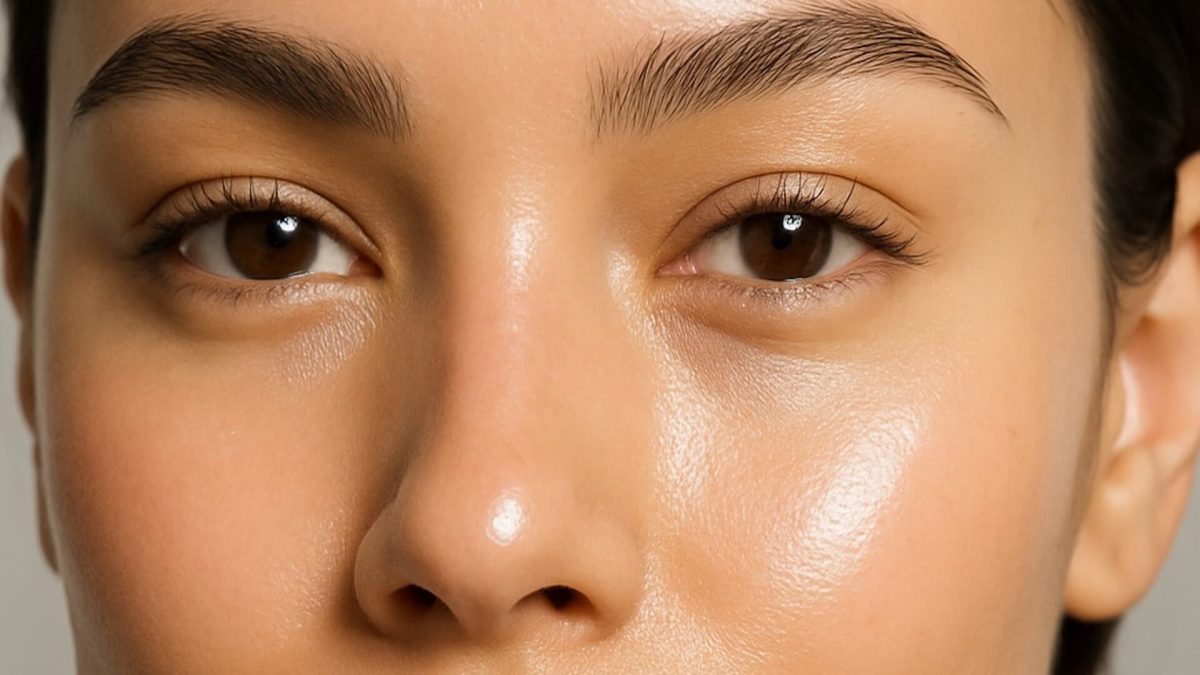
Glowing skin appears smooth with even tone and a natural sheen. A strong barrier, balanced hydration, and steady oil production help protect against external stress and support a bright surface.
Factors In Radiance
| Factor | Role in Skin Radiance |
|---|---|
| Skin barrier | Protects against stressors and retains moisture. A weaker barrier may cause dryness or dullness [1] |
| Hydration | Helps maintain plumpness and resilience. Hyaluronic acid supports this process [2] |
| Oil production | Balanced sebum helps create a natural glow without clogging pores, which may worsen acne [3] |
Table 1: Core factors linked with radiance
External Factors & Skin
UV exposure can damage collagen and elastin, which may accelerate fine lines and surface changes linked with photoaging [6]. Pollution creates free radicals that impair the barrier and reduce brightness [6].
Lifestyle habits may influence radiance through oxidative stress. Choices such as smoking or reduced nutritional intake may affect elasticity and tone [7].
Sun protection with broad spectrum SPF 30 or higher supports the skin by reducing the impact of UV exposure [8].
Importance Of Cell Turnover
Cell turnover is the process of shedding old cells and forming new ones. It slows with age, which may cause dullness, uneven tone, and buildup on the surface. Topical retinoids like tretinoin accelerate this cycle for a fresher appearance [4].
Exfoliating ingredients such as salicylic acid or glycolic acids may further support renewal by gently lifting dead skin cells [5].
Prescription Care & Tretinoin
Tretinoin is a vitamin A derivative recognised for its role in acne care and radiance. Controlled trials show it can improve photoaged skin by reducing fine lines and helping restore even tone after consistent use [4].
How Tretinoin Works
Tretinoin supports renewal by stimulating keratinocyte proliferation and promoting new cell formation. It also increases collagen production to support firmness and texture [10].
It helps inhibit matrix metalloproteinases, which degrade collagen, and it supports barrier structure [6]. These combined effects help create smoother, clearer skin that reflects light evenly [10].
Benefits Beyond Acne
Tretinoin influences many concerns that affect radiance.
Tretinoin Benefits
| Concern | Tretinoin Benefit |
|---|---|
| Hyperpigmentation | Reduces melanin and supports a more even tone [4] |
| Sun damage | Improves collagen formation in areas affected by UV exposure [10] |
| Fine lines and wrinkles | Supports smoother texture through enhanced collagen [6] |
Table 2: Core benefits linked with tretinoin
Adding Tretinoin To Routines
A pea sized amount applied every other night can support tolerance. Night use is recommended since tretinoin increases sun sensitivity [9]. Daily SPF is essential for protection.
Moisturisers containing niacinamide may help improve the appearance of ageing facial skin and may reduce dryness linked with retinoid adaptation [7].
Complementary Products For Radiance
Moisturisers with hyaluronic acid or glycerin help maintain hydration and support comfort during renewal [2]. Consistent hydration helps tretinoin perform effectively.
Exfoliants such as salicylic acid or glycolic acids may improve turnover and promote even tone [5]. Gentle use supports clarity without increasing irritation.
Antioxidants such as vitamin C serum help reduce oxidative stress caused by UV exposure or pollution [6]. Morning use may brighten the surface and complement sunscreen.
Lifestyle Choices & Glow
Balanced nutrition may support barrier health through antioxidants and omega fatty acids [9]. Hydration supports general wellness, while topical moisturisers directly maintain surface hydration [2].
Quality sleep supports nightly repair and regeneration, helping maintain a brighter appearance.
Conclusion
Achieving glowing skin often involves prescription ingredients, supportive daily products, and lifestyle habits that nourish the skin barrier and encourage steady renewal. When these elements work together, they can help maintain clarity, softness, and lasting radiance.
If you would like personalised skincare created around your own needs, you can explore a tailored formula through Monderma
Content is for informational purposes only. Monderma treatments are prescribed following consultation. Results and timeframes can vary. Use as directed by your prescriber.
References
- Chambers ES, Vukmanovic Stejic M. Skin barrier immunity and ageing.
- Draelos ZD. The science behind skin care: Moisturizers.
- Thiboutot D, Del Rosso JQ. Acne Vulgaris and the Epidermal Barrier.
- Weiss JS, Ellis CN, Headington JT, et al. Topical Tretinoin Improves Photoaged Skin.
- Kornhauser A, Coelho SG, Hearing VJ. Applications of hydroxy acids.
- Fisher GJ, Kang S, Varani J, et al. Mechanisms of Photoaging and Chronological Skin Aging.
- Bissett DL, Oblong JE, Berge CA. Niacinamide: A B vitamin that improves aging facial skin appearance.
- American Academy of Dermatology Association. Sunscreen FAQs.
- Schagen SK, Zampeli VA, Makrantonaki E, Zouboulis CC. Discovering the link between nutrition and skin aging.
- Griffiths CE, Russman AN, Majmudar G, et al. Restoration of collagen formation in photodamaged human skin by tretinoin.
Join the Newsletter
Insights that make your skin feel understood
Share this article if you found it helpful



More To Explore
Latest Articles For Your Skin
-
Understanding Pityriasis Rosea: Symptoms & Treatment
-
How To Spot Fake Skincare Products Online
-
CBD Skincare For Calming Redness & Irritation
-
How Fractional Laser Can Renew Damaged Skin
-
Wearable Sensors Used For Skin Condition Tracking

-
Ectoine: Skincare & Eye Care Barrier Protection
-
Baby Acne Myths & Facts Explained

-
Niels Ryberg Finsen: Pioneer Of UV Phototherapy
-
Allantoin Uses & Benefits For Daily Skincare
-
Chapped Lips: Causes & How To Treat Them