 Monderma
- 08 Feb 2025
-
Tanning always involves UV skin damage
-
Use SPF 15–30 and avoid peak sunlight
-
Tailor exposure to Fitzpatrick skin types
-
Try sunless tan sprays for safer results
-
Maintain colour with moisturiser and hydration
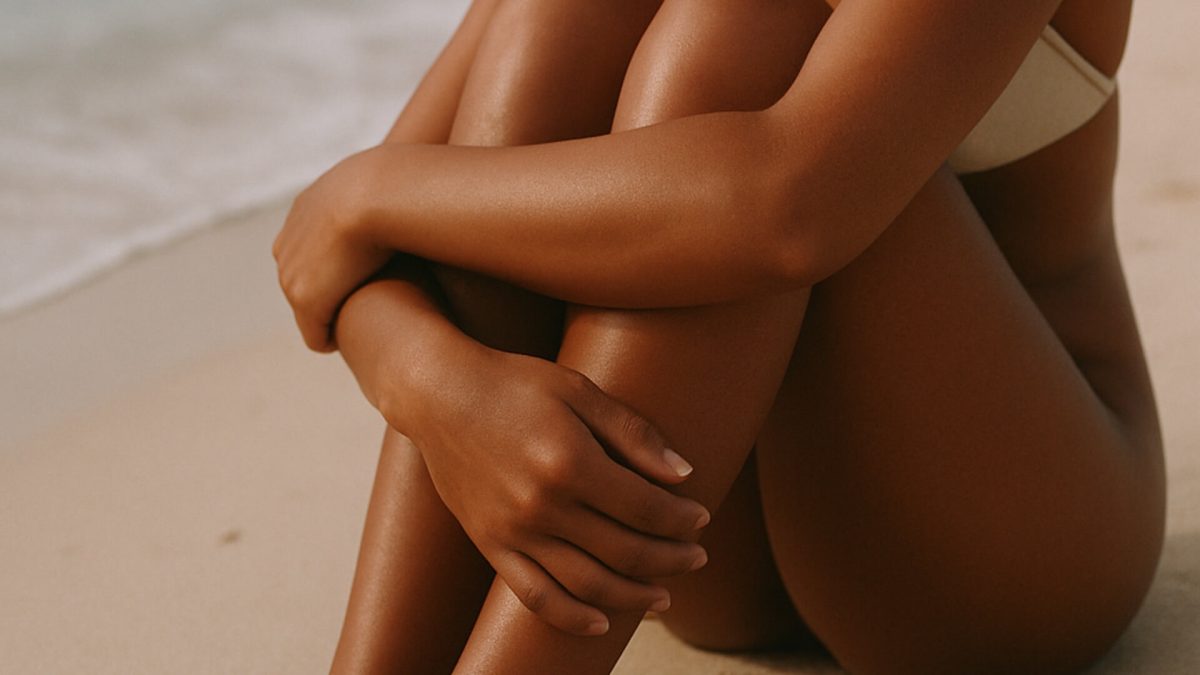
Exposure to ultraviolet (UV) rays stimulates melanin production, creating a tanned appearance. However, tanning results from DNA damage, meaning a completely safe natural tan is impossible [1]. Even limited exposure can accelerate ageing and increase risks of hyperpigmentation and skin cancer [2,4,5].
This article explains how to tan more safely, protect your skin, and achieve a golden glow through evidence-based methods and sunless alternatives.
Fitzpatrick Skin Types & Tanning Responses
The Fitzpatrick scale classifies skin based on its reaction to UV rays. Understanding your skin type supports safer tanning practices [3].
| Fitzpatrick Skin Type | Description | Burning Tendency | Tanning Response | Photoprotection Needs |
|---|---|---|---|---|
| Type I | Very fair | Always burns | Never tans | Stringent photoprotection to prevent damage |
| Type II | Fair | Burns easily | Tans minimally | High SPF and gradual exposure |
| Type III | Medium | Burns moderately | Tans gradually | Broad-spectrum sunscreen for even tone |
| Type IV | Olive | Burns minimally | Tans easily | Regular protection for long-term health |
| Type V | Brown | Rarely burns | Tans deeply | SPF to prevent hyperpigmentation |
| Type VI | Dark | Never burns | Tans profoundly | UV protection to maintain even tone |
Table 1: Fitzpatrick skin types and tanning responses
Photoprotection & Safe Tanning
Photoprotection is the foundation of safe tanning. Physical barriers and sunscreen together reduce but do not eliminate UV-related risks.
Physical Protection
Physical barriers remain the most effective form of defence.
- Avoid sun exposure between 11:00 and 15:00 when UV rays are strongest [5].
- Wear long sleeves, wide-brimmed hats, and UV-protective fabrics.
- Seek shade whenever possible during outdoor activities.
Sunscreen Use
Sunscreen protects against UVA (ageing) and UVB (burning) rays. Both reflective and absorbent types are beneficial.
- Choose a broad-spectrum SPF 15–30 containing zinc oxide or avobenzone [6].
- Apply generously 30 minutes before exposure and reapply every two hours or after swimming.
- SPF 30 offers stronger protection for daily use.
Note: Sunscreen alone does not completely prevent skin cancer. It should always be combined with protective clothing and shade [7].
Approaching Tanning With Caution
Some may still wish to achieve a sun-kissed look. While UV tanning always carries some risk, following cautious routines helps minimise harm.
Optimal Timing
Limit exposure to early morning or late afternoon. Avoid tanning between 11:00 and 15:00 when rays are most intense [5].
Gradual Exposure
Start with 5–10 minutes per session. Increase gradually while monitoring for redness or tightness. Overexposure heightens DNA damage and photoageing [1].
Hydration For Skin Health
Hydrated skin tans more evenly. Drink water regularly and use moisturisers with aloe vera or hyaluronic acid to maintain suppleness [8].
Tanning Tips For Different Skin Types
Tailoring your approach according to skin type helps reduce irritation and uneven tone.
How To Tan Pale Skin
- Begin with SPF 30 or higher, never below SPF 15 [6].
- Limit exposure to 5–10 minutes per session.
- Use wide-brimmed hats and sunglasses to protect sensitive areas.
Olive Skin Tanning
- Use SPF 15–30 with consistent reapplication.
- Hydrate with shea butter or niacinamide-rich products to preserve softness.
Bronze & Darker Skin
- Maintain SPF 15–30 to prevent hyperpigmentation.
- Aloe vera-based moisturisers enhance radiance and even tone.
Maintaining Your Tan
A tan, whether natural or sunless, requires consistent care to maintain an even glow.
- Moisturise Daily: Use nourishing ingredients such as shea butter and aloe vera.
- Use Lukewarm Water: Hot water can strip natural oils and shorten tan duration.
- Exfoliate Weekly: Gently buff away dead skin to maintain smooth, radiant colour.
Safer Alternatives: Sunless Tanning Products
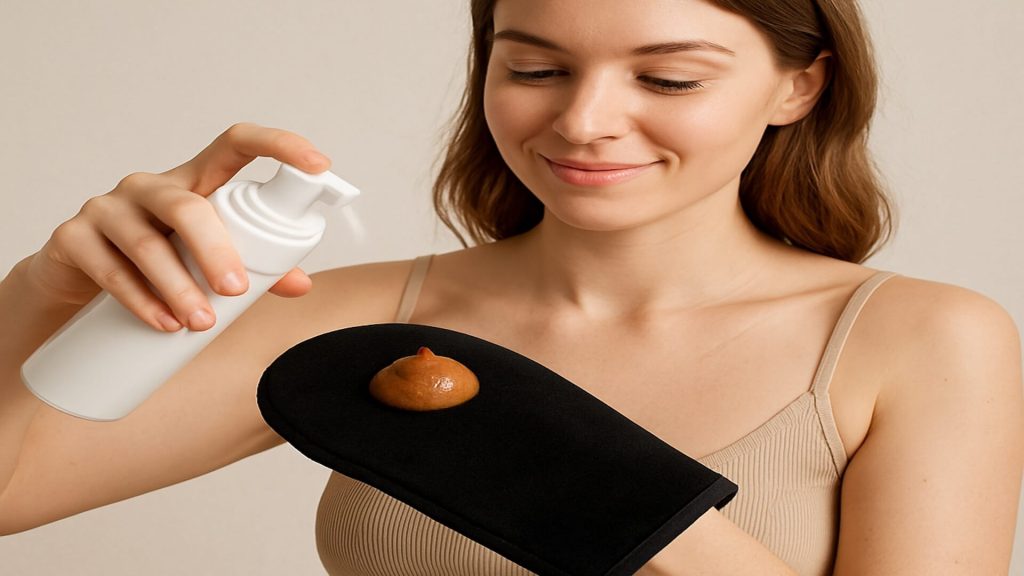
Sunless tanning products provide a golden tone without UV exposure. These include sprays, mousses, and lotions that react with skin surface proteins to create a bronzed appearance [8].
| Product Type | Benefit | Application Tip |
|---|---|---|
| Skin Tan Spray | Even, streak-free coverage | Exfoliate before use and apply with a mitt |
| Gradual Tan Lotion | Buildable colour and hydration | Apply daily until desired tone achieved |
| Tanning Mousse | Quick-drying natural glow | Blend evenly using circular motions |
Table 2: Types of sunless tanning products and benefits
For the most natural finish, select cruelty-free products with hydrating ingredients such as vitamin E and aloe vera.
Debunking Myths: Tanning & Vitamin D
A common misconception is that tanning is necessary for vitamin D. Research shows this is untrue.
- Skin stops vitamin D production after 15–20 minutes of UVB exposure [9].
- UVA rays, responsible for tanning, do not produce vitamin D [9].
- Sunscreen use does not significantly reduce vitamin D levels [10].
- Supplements offer a safe, effective way to maintain adequate vitamin D [11].
Monderma: Personalised Skincare For Sun-Exposed Skin
Monderma provides prescription-strength formulations developed by UK-registered prescribers and dispensed by a GPhC-registered pharmacy. Treatments include ingredients such as niacinamide and azelaic acid to support skin recovery from photoageing and uneven pigmentation.
Each formula is tailored following an online consultation to restore balance, clarity, and long-term skin health.
Conclusion
While natural tanning always involves UV-induced damage, combining physical protection, broad-spectrum sunscreen, and sunless tanning offers a safer path to a golden glow.
For expert skincare advice and personalised protection plans, start a free consultation with Monderma to maintain radiant, healthy-looking skin without compromising safety.
Content is for informational purposes only. Monderma treatments are prescribed following consultation. Results and timeframes can vary. Use as directed by your prescriber.
Bibliography
- AIM at Melanoma Foundation. Outdoor tanning.
- Cancer Research UK. How do sunbeds cause skin cancer?
- DermNet NZ. Skin phototype (Fitzpatrick skin type).
- NHS. Skin cancer (non-melanoma). 2023.
- Skin Cancer Foundation. UV radiation & Your Skin.
- Skin Cancer Foundation. Sunscreen.
- Institute of Cancer Research. New clues to skin cancer development show sunscreen is not enough. 2013.
- Skin Cancer Foundation. Sunless Tanning Explained.
- Wacker M, Holick MF. Sunlight and Vitamin D: A global perspective for health. Int J Environ Res Public Health. 2013.
- The Conversation. Sunscreen won’t stop you making vitamin D. 2024.
- NHS. Vitamin D. 2024.
Join The Newsletter
Skin insights, delivered to you
Share this article if you found it helpful



More To Explore
Latest Articles For Your Skin
-
Understanding Pityriasis Rosea: Symptoms & Treatment
-
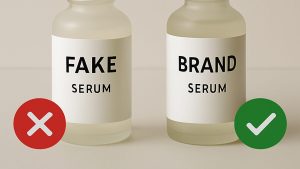
How To Spot Fake Skincare Products Online
-
CBD Skincare For Calming Redness & Irritation
-
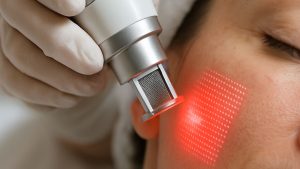
How Fractional Laser Can Renew Damaged Skin
-
Wearable Sensors Used For Skin Condition Tracking

-
Ectoine: Skincare & Eye Care Barrier Protection
-
Baby Acne Myths & Facts Explained

-
Niels Ryberg Finsen: Pioneer Of UV Phototherapy
-
Allantoin Uses & Benefits For Daily Skincare
-
Chapped Lips: Causes & How To Treat Them