 Monderma
- 07 Apr 2025
- Itching affects daily comfort
- Causes range across the body
- Reactions differ between people
- Persistent itch needs review
- Supporting skincare with Monderma
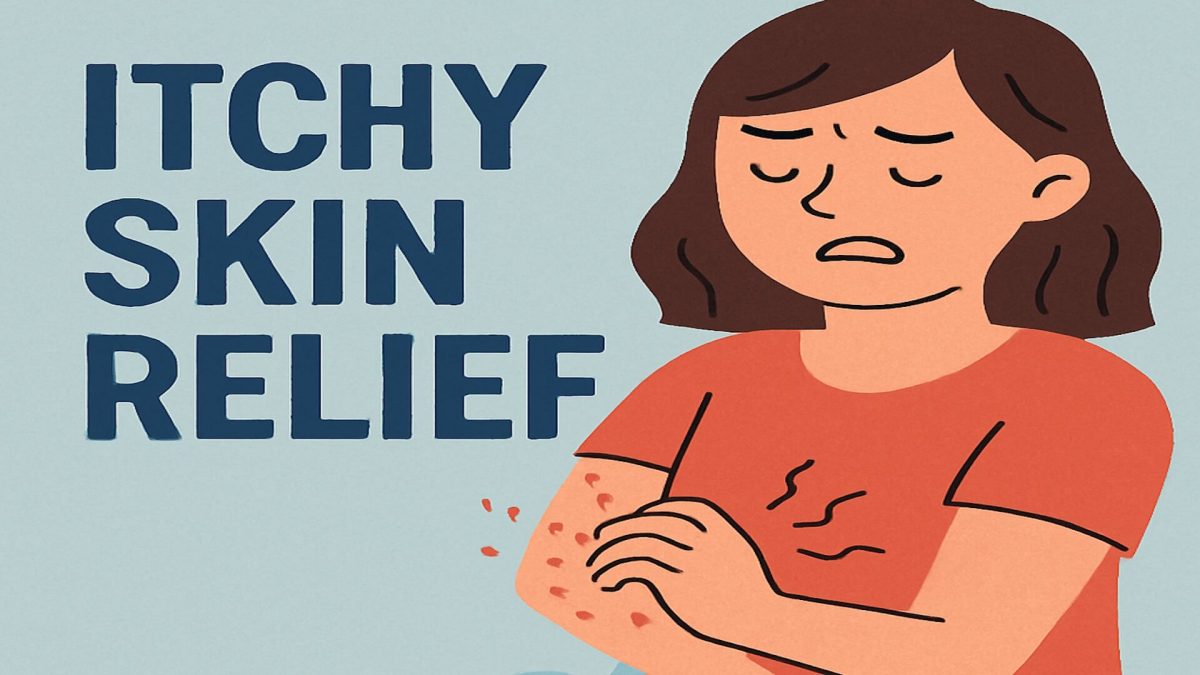
Pruritus is a common sensation that can feel distracting or intrusive, and it often becomes more noticeable as skin becomes drier or more reactive with age.
In this article, we explore what causes pruritus, how symptoms vary, and when it is important to seek medical support for safe and effective care.
Understanding Pruritus
Pruritus is a symptom rather than a condition, and it reflects activity within the nerves, skin, and immune system that creates the urge to scratch [1,2].
It can be acute or chronic, limited or widespread, and severity depends on factors such as age, skin health, and underlying medical issues [2].
Prevalence & Risk Groups
Pruritus affects people worldwide, with higher rates seen in older adults, women, and individuals who already live with skin disease [2].
Widespread or long lasting itch may indicate an underlying cause, some of which relate to dermatological, environmental, or systemic factors [1,3].
| Group | Prevalence insight |
|---|---|
| Older adults | Higher overall rates [2] |
| Women | Increased prevalence [2] |
| Skin disease | More frequent itch [2] |
Table 1: Groups with higher pruritus rates
Dermatological & Environmental Causes
Skin conditions such as eczema, psoriasis, and contact dermatitis often cause inflammation that leads to recurrent itching episodes [2,5].
Dry skin is another common cause, especially in cooler months or low humidity environments, and may worsen with soaps or hot water [1].
Systemic & Medication Related Factors
Pruritus can sometimes signal systemic conditions, including thyroid disorders, liver disease, or chronic kidney disease, each requiring medical assessment [4].
Certain medicines may also trigger itch, and symptoms may appear gradually with ongoing use rather than immediately after starting treatment.
Infections & Other External Triggers
Fungal infections, insect bites, or infestations such as scabies can cause intense, persistent itch that often requires targeted treatment [2].
Environmental irritants, fragrances, and some detergents may also exacerbate symptoms, particularly for people with reactive or sensitive skin.
Approaches To Itch Relief
Moisturising the skin regularly supports comfort and reduces dryness, which helps ease itch sensations in many cases [1].
Cool compresses, gentle cleansing, and avoiding irritating products may offer additional relief while supporting the skin barrier.
General Measures & Symptom Care
Antihistamines may help with allergic triggers, while topical steroids can support short term management of inflamed skin under supervision [5].
Lukewarm showers and mild cleansers help maintain surface hydration, limiting the itch scratch cycle that can worsen discomfort.
| Method | Description |
|---|---|
| Emollients | Help retain moisture |
| Antihistamines | Useful for allergies |
| Cool compresses | Provide short term relief |
| Mild cleansers | Reduce further irritation |
Table 2: Common approaches for symptom care
When To Seek Medical Support
Persistent or severe itching should be reviewed, particularly when symptoms do not improve with moisturisers or avoidance of known triggers [1].
Accompanying signs such as weight loss, fatigue, or jaundice may indicate systemic causes and require prompt clinical evaluation.
Diagnostic Steps & Assessment
Healthcare providers may use history, examination, blood tests, or occasionally a skin biopsy to determine the underlying cause [1,2].
Understanding the source of pruritus helps guide treatment, especially where chronic itch affects sleep, comfort, or emotional wellbeing.
Treatment Approaches
Treatment varies according to the cause and may involve dermatological therapies, systemic management, or symptom focused care [2,4].
When no clear cause is identified initially, supportive treatments such as emollients and soothing creams help maintain comfort over time.
Monderma Support For Skin Concerns
Monderma provides personalised prescription skincare for acne, ageing skin, hyperpigmentation, and rosacea, offering targeted support for clarity and comfort.
These treatments are designed to fit individual needs and provide structured guidance that complements overall skin health and wellbeing.
Conclusion
Pruritus can arise from many causes, and understanding when to seek help supports safer, more effective management of persistent or unexplained itch.
Readers looking for tailored guidance can access support through our personal skincare consultation, offering individualised care for long term skin health.
Content is for informational purposes only. Monderma treatments are prescribed following consultation. Results and timeframes can vary. Use as directed by your prescriber.
References
- Ständer S, et al. Prevalence Of Chronic Pruritus In Germany
- Yosipovitch G, et al. International Study On Prevalence Of Itch
- Chen S, et al. Risk Factors Of Senile Pruritus
- Kim D, Pollock C. CKD Associated Pruritus
- Pereira MP, et al. Psychological Morbidity In Psoriasis
Share this article if you found it helpful



More To Explore
Latest Articles For Your Skin
-
Understanding Pityriasis Rosea: Symptoms & Treatment
-
How To Spot Fake Skincare Products Online

-
CBD Skincare For Calming Redness & Irritation

-
How Fractional Laser Can Renew Damaged Skin
-
Wearable Sensors Used For Skin Condition Tracking

-
Ectoine: Skincare & Eye Care Barrier Protection

-
Baby Acne Myths & Facts Explained

-
Niels Ryberg Finsen: Pioneer Of UV Phototherapy

-
Allantoin Uses & Benefits For Daily Skincare

-
Chapped Lips: Causes & How To Treat Them