Monderma
- 08 Jun 2025
- Teens overuse strong actives
- Trends can damage young skin
- Screens fuel poor skin habits
- Simple routines work best
- Safer choices with Monderma
Teen skincare is shaped by fast moving online trends, and many routines promoted on TikTok can overwhelm developing skin. Parents often notice irritation or stress when teens follow advice not suited to young skin. Understanding these risks supports safer choices.
In this article we explore how social media influences teen skincare, summarise recent research, and outline steps that help protect skin health and confidence.
The Rise Of TikTok Skincare Culture
TikTok content shapes popular TikTok trends as creators promote serums, acids, and retinoids to achieve glass skin. Many cosmetics for teenagers are designed for mature skin, placing pressure on teens to adopt routines that may cause harm [1]. Parents benefit from understanding how these trends influence behaviour.
What The Study Found
The Paediatrics study reviewed 100 TikTok skincare videos from creators aged 7 to 18 and identified patterns that explain why teen skin is increasingly reactive [1].
| Finding | Details |
|---|---|
| Active Ingredients | Teens used an average of 11 active ingredients per routine, including retinoids, AHAs, and BHAs, which may irritate young skin. |
| Risk of Harm | These ingredients increase risks of redness, allergies, and sun sensitivity, potentially causing burns or chronic sensitivity. |
| Sunscreen Neglect | Only 26% used sunscreen despite actives heightening UV damage risks linked to premature ageing and skin cancer. |
| Age Inappropriate Products | Many products suited mature skin, not the more resilient yet delicate teen skin barrier. |
| Financial Burden | Routines cost an average of 130 pounds, and some exceeded 500 pounds, creating pressure to overspend. |
Table 1: Key findings from the Paediatrics study
Summary: These TikTok trends disrupt the skin’s natural barrier, risking long term dermatological issues and financial strain [1].
Why These Trends Are Dangerous
Teen skin continues to develop the protective barrier that maintains hydration. Overusing actives such as retinoids, designed for wrinkles, may cause peeling in teens experiencing normal hormonal changes. AHAs and BHAs thin the skin if overused and may trigger flare ups or sensitivity.
UV protection is essential because actives heighten sun sensitivity, increasing risks of sunspots or long term effects. The study confirms that young people may face greater UV impact when actives are used without consistent SPF [1].
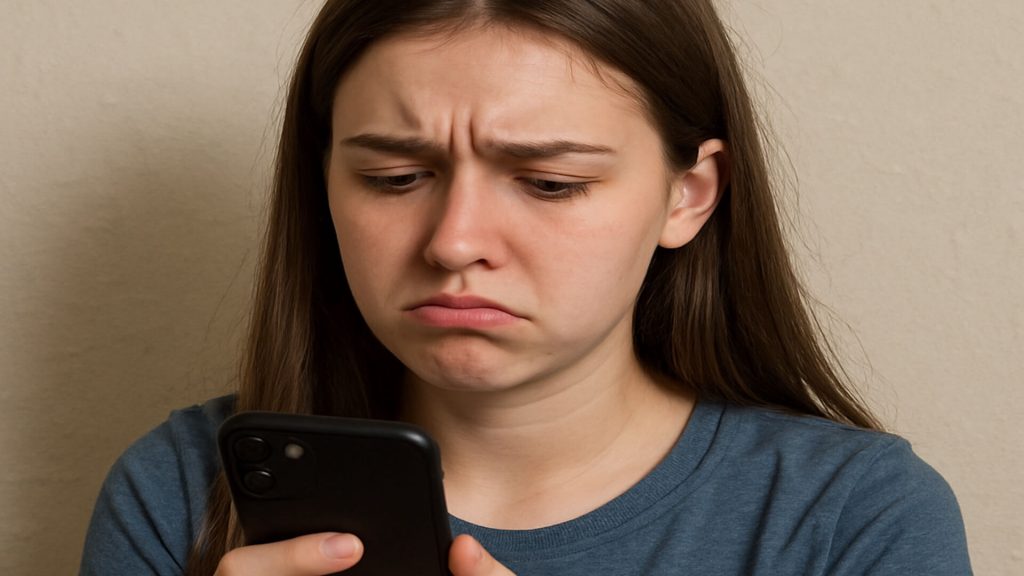
The effects of social media extend to emotional wellbeing. Teens may feel pressure to match unrealistic beauty standards, which can affect confidence. Financial pressure created by promoted routines highlights further harm [2].
Why This Matters?
Social media platforms amplify misinformation, and many TikTok users follow advice from creators without dermatology experience. The study highlights a public health concern, emphasising the need for education on simple, age appropriate skincare [1].
These disadvantages of social media also shape mental health as beauty ideals circulate quickly. Supporting young people with practical guidance encourages healthier habits [1,2].
How Parents Can Help
Parents support safer skincare by helping teens understand appropriate choices.
| Action | Guidance |
|---|---|
| Educate On Basics | Teach that teen skin benefits from a gentle cleanser, light moisturiser, and SPF 30. Actives are rarely needed before age 16 unless prescribed. |
| Review Products | Check labels for strong actives such as retinol or glycolic acid and choose gentle, fragrance free options. |
| Prioritise Sunscreen | Encourage daily SPF 30 use and reapply during sun exposure to limit UV damage. |
| Set Budgets | Discuss affordable, effective products to reduce pressure from influencer marketing. |
| Monitor Social Media | Talk about online influence and help teens assess credibility. |
| Consult A Dermatologist | Seek advice for acne or concerns to ensure safe, evidence based treatment. |
Table 2: Practical guidance for parents
A Safe Teen Skincare Routine
A dermatologist approved routine for teenage skincare keeps steps simple and consistent [1].
| Time | Step |
|---|---|
| Morning | Gentle cleanser, light moisturiser, broad spectrum SPF 30 |
| Evening | Gentle cleanser, light moisturiser |
| Optional | Low dose benzoyl peroxide prescribed for mild acne |
Table 3: Example routine for teen skin
Non comedogenic and hypoallergenic products help prevent clogged pores, and consistency supports clearer skin.
Addressing The Bigger Picture
Parents can encourage media literacy to help teens evaluate advice shared by creators and friends. Supporting brands that emphasise age appropriate care builds confidence in routines that protect skin and wellbeing [2].
Conclusion
TikTok skincare trends can strongly influence teens, yet many of these routines rely on potent ingredients or unrealistic claims that may compromise young, sensitive skin. Encouraging safer habits and simple, evidence based care helps build long term confidence.
If you would like personalised skincare created around your own needs, you can explore a custom formula through Monderma.
Content is for informational purposes only. Monderma treatments are prescribed following consultation. Results and timeframes can vary. Use as directed by your prescriber.
References
- Hales M, Lagu T, Rigali S, Paller A, Liszewski W. Pediatric Skin Care Regimens on TikTok. Pediatrics. 2025.
- CNN Health. Teen TikTok skin care craze may be harmful, study says. Published 2025.
Share this article if you found it helpful



More To Explore
Latest Articles For Your Skin
-
Understanding Pityriasis Rosea: Symptoms & Treatment
-
How To Spot Fake Skincare Products Online
-
CBD Skincare For Calming Redness & Irritation
-
How Fractional Laser Can Renew Damaged Skin
-
Wearable Sensors Used For Skin Condition Tracking

-
Ectoine: Skincare & Eye Care Barrier Protection
-
Baby Acne Myths & Facts Explained

-
Niels Ryberg Finsen: Pioneer Of UV Phototherapy
-
Allantoin Uses & Benefits For Daily Skincare
-
Chapped Lips: Causes & How To Treat Them