 Monderma
- 20 May 2025
- Oxybenzone filters UV rays effectively
- Safety concerns relate to hormone effects
- Systemic absorption has raised questions
- Environmental risks include coral impact
- Personalised skincare with Monderma
Oxybenzone is widely used in sunscreen and offers protection against UV radiation, yet concerns about its safety and environmental impact have prompted ongoing debate and regulatory review.
In this article we consider how oxybenzone works, the evidence behind endocrine concerns, and the environmental implications, helping readers choose suitable alternatives with confidence.
What Is Oxybenzone?
Oxybenzone, known as benzophenone 3, absorbs UVB and some UVA II rays, reducing the risk of sunburn and photoageing [1,2]. It does not cover the full UVA range. Its hormone activity has raised safety questions.
Role Of Oxybenzone In Sunscreens
Oxybenzone contributes partial broad spectrum protection by filtering UVB and short wave UVA rays [2]. This supports defence against UV related skin damage, although deeper UVA I exposure remains unprotected.
Hormone & Endocrine Concerns
Endocrine disruptors can interfere with hormonal systems, and oxybenzone has been examined for these effects [1,3]. Studies show measurable systemic absorption in humans [1].
Hormonal Activity & Human Health
Research suggests oxybenzone may mimic oestrogen and disturb hormonal balance [1,3]. It has been detected in urine, blood, and breast milk [1]. Plasma levels in maximal use trials exceeded FDA safety thresholds, prompting review [4]. Animal models suggest developmental effects that need further assessment [3].
Regulation & Recommendations
The European Union permits 6% in face products and 2.2% in body products [5]. The United States continues to review its safety and has not granted GRASE status [4]. Some groups advise avoiding oxybenzone for children and pregnant women [1].
Environmental Impact & Coral Reefs
Coral reefs are vulnerable to chemical stressors, and oxybenzone has been linked to bleaching, DNA injury, and deformity in laboratory conditions [6]. Real world concentrations are often lower, yet concerns remain [7].
Coral Reef Pressure
Experiments suggest oxybenzone may contribute to reef decline in high exposure zones [6,7]. This has led regions such as Hawaii and parts of the Caribbean to restrict its use [7].

Choosing Oxybenzone Free Sunscreen
Mineral based sunscreen with zinc oxide or titanium dioxide provides broad spectrum protection without the endocrine or environmental concerns noted for oxybenzone [1,5].
Ingredient Overview
| Category | Description |
|---|---|
| UV filters to avoid | Oxybenzone and similar chemical filters linked to hormone activity and coral effects |
| Safer alternatives | Zinc oxide and titanium dioxide provide broad protection with lower systemic and environmental concerns |
Table 1: Sunscreen ingredient considerations
Evaluating Broad Spectrum Protection
Selecting sunscreen labelled as broad spectrum ensures UVA and UVB coverage. Checking active ingredients and confirming independent testing supports safe and effective use [5].
Conclusion
Balancing sun protection with questions about ingredient safety and environmental impact can feel challenging. Oxybenzone remains an effective UV filter, yet concerns around absorption and ecological effects highlight the value of choosing well studied alternatives that support both skin health and environmental care.
If you would like personalised skincare shaped around your own needs, you can explore a custom formula through Monderma.
Content is for informational purposes only. Monderma treatments are prescribed following consultation. Results and timeframes can vary. Use as directed by your prescriber.
References
[a] Danovaro R et al. Environ Health Perspect.
[b] Wang SQ et al. Arch Dermatol.
[c] Matouskova K et al. Reprod Toxicol.
[d] Matta MK et al. JAMA.
[e] Official Journal of the European Union.
[f] International Coral Reef Initiative. Impacts of Sunscreens on Coral Reefs.
[g] Suh S et al. Int J Dermatol.
Join the Newsletter
Insights that make your skin feel understood
Share this article if you found it helpful



More To Explore
Latest Articles For Your Skin
-
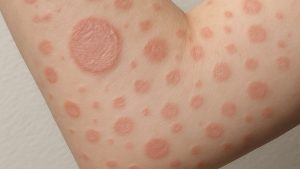
Understanding Pityriasis Rosea: Symptoms & Treatment
-
How To Spot Fake Skincare Products Online
-
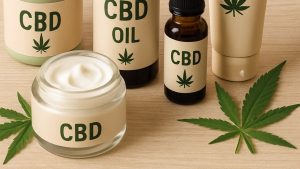
CBD Skincare For Calming Redness & Irritation
-
How Fractional Laser Can Renew Damaged Skin
-
Wearable Sensors Used For Skin Condition Tracking

-
Ectoine: Skincare & Eye Care Barrier Protection
-
Baby Acne Myths & Facts Explained

-
Niels Ryberg Finsen: Pioneer Of UV Phototherapy
-
Allantoin Uses & Benefits For Daily Skincare

-
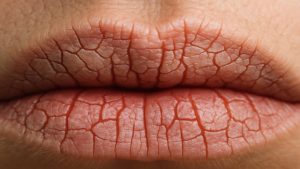
Chapped Lips: Causes & How To Treat Them