 Monderma
- 19 Feb 2025
- Mugwort contains antioxidant compounds
- Traditional use spans many cultures
- Potential digestive benefits reported
- Skin effects remain under study
- Guidance available through Monderma
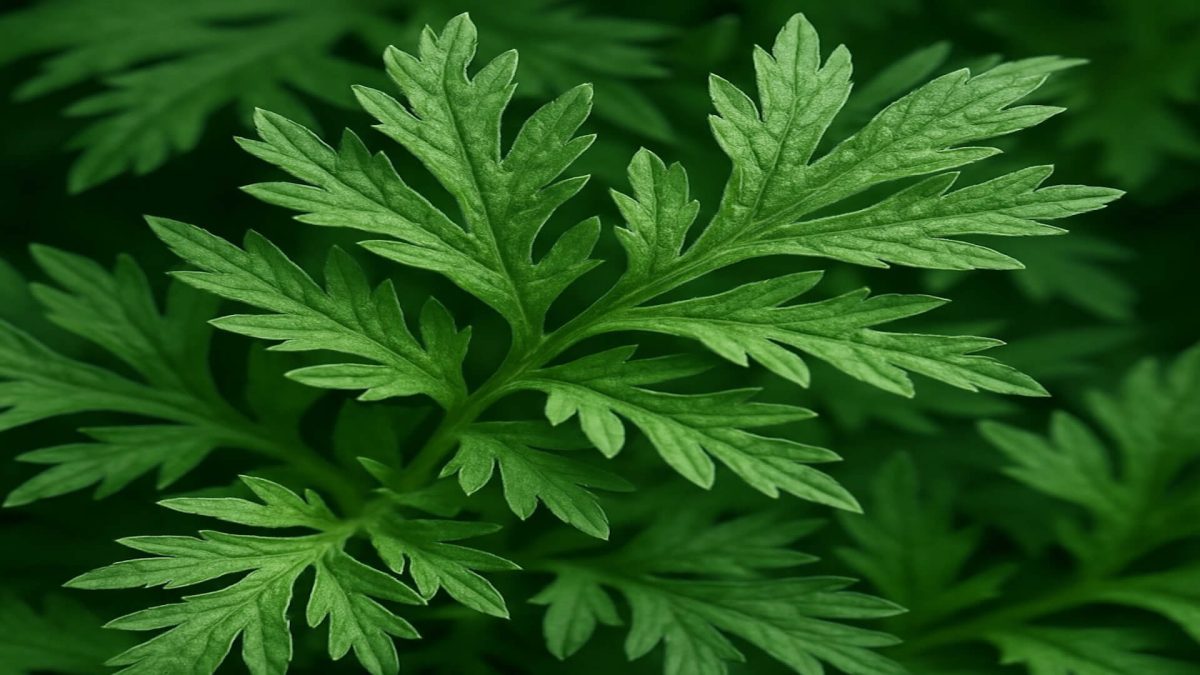
Mugwort is a perennial plant from the genus Artemisia and is recognised for its distinct aroma, fine green leaves and broad cultural history. It grows across Europe, Asia, and North America and adapts easily to varied climates [1].
In this article you will see how mugwort has been used throughout history, how it is applied in traditional practices and which areas of health it may support while noting where further research is required [1-8].
History Of Mugwort
Mugwort has longstanding cultural significance and was used by ancient communities for vitality and comfort. Historical accounts describe its use by Roman travellers who placed leaves in their footwear to ease fatigue during long journeys [1].
Traditional Chinese medicine refers to mugwort as Ai Ye and incorporates it into moxibustion where dried leaves are warmed near specific points to support comfort and energy flow [2]. Medieval texts describe it as a protective herb woven into garlands or placed near doorways to symbolise safety [3].
Digestive Health
Mugwort is traditionally linked with digestive comfort due to its bitter compounds which may stimulate digestive enzymes and bile release. A review notes that Artemisia vulgaris contains sesquiterpene lactones that may offer digestive support although research remains limited [1].
Drinking mugwort tea before meals is a common traditional practice believed to encourage appetite and support nutrient absorption. Clinical studies are still needed to confirm these effects.
Menstrual Health
Mugwort has been used historically to support menstrual comfort and regularity because it is believed to encourage pelvic circulation and ease monthly tension [5]. Traditional preparations include teas and warming applications.
A small study found that moxibustion with mugwort reduced menstrual discomfort in young women when compared with placebo treatments [6]. These findings suggest potential benefit although medical guidance is recommended before use.
Relaxation & Stress Relief
Mugwort is often associated with relaxation because it contains flavonoids that may offer mild calming effects. Traditional use includes drinking tea or using diluted essence for gentle aromatic support.
A recent study highlights the anxiolytic potential of Artemisia species although evidence is early and human studies remain limited [1]. This positions mugwort as a traditional option for mild support rather than a confirmed treatment.
Skin Health
Mugwort contains antioxidant and anti inflammatory compounds that may help soothe irritated skin. One small study tested a lotion containing mugwort and menthol and reported reduced itching in hypertrophic scars although it remains unclear whether mugwort alone contributed to the effect [7].
Mugwort essence is popular in certain skincare routines for calming visible redness and supporting comfort in sensitive skin types. Evidence is still developing and further studies are needed to understand these effects.
Dream Clarity Traditions
Mugwort is often referred to as a dream herb in folklore because it has been traditionally placed beneath pillows or consumed as tea to encourage vivid or memorable dreams. These uses remain anecdotal and currently lack confirmation from peer reviewed research.
As with all botanicals, reactions vary and those considering these practices should be aware of potential sensitivities.
How To Use Mugwort
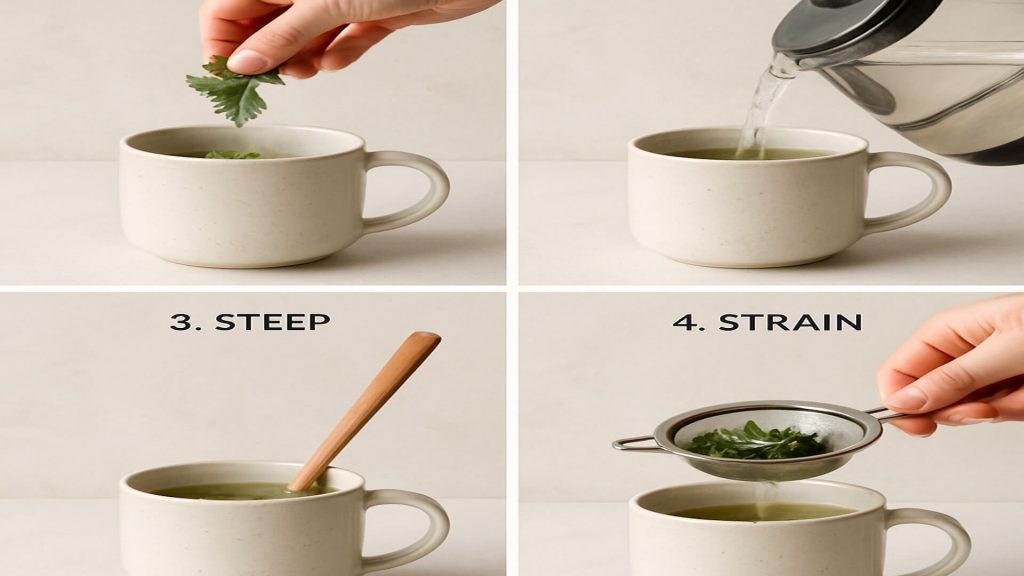
Mugwort can be used in several ways depending on personal preference. It may be prepared as tea by steeping dried leaves in hot water. It can be applied as an essence in diluted form during baths or aromatherapy.
Young leaves may be included in cooking to add a bitter herbal flavour. In moxibustion it is warmed near specific points during traditional therapy.
Precautions & Considerations
Mugwort should be used carefully because it can stimulate uterine activity which makes it unsuitable during pregnancy or breastfeeding [8]. Those with allergies to plants in the Asteraceae family such as ragweed may react to mugwort and a small patch test may be helpful [8].
Dosage guidance varies and medical advice is recommended before use especially for those with existing conditions or medication requirements to prevent unwanted effects [8].
Mugwort Methods & Uses
| Method | Description |
|---|---|
| Mugwort Tea | Steep dried leaves to support digestion and relaxation |
| Mugwort Essence | Use in diluted form for aromatic comfort |
| Culinary Use | Add leaves to soups or stews for herbal flavour |
| Moxibustion | Warm dried mugwort near specific points for traditional therapy |
Table 1: Common applications of mugwort
Conclusion
Mugwort, also known as Artemisia vulgaris, has a long history of use and may offer support for digestive comfort, menstrual ease and relaxation as evidence continues to evolve. Its antioxidant content may also contribute to gentle skin support, although research remains early and professional guidance is always recommended.
If you would like tailored help for your skin, you can explore a personalised formula through Monderma.
Content is for informational purposes only. Monderma treatments are prescribed following consultation. Results and timeframes can vary. Use as directed by your prescriber.
References
- Ekiert H et al. Significance Of Artemisia vulgaris In Medicine. Molecules.
- Chang H et al. Moxibustion In Early Chinese Medicine. Evid Based Complement Alternat Med.
- British Library. Medieval Herbal Manuscript Egerton MS 747.
- Jiao M et al. Herbal Medicines In Menstruation Disorders. Front Pharmacol.
- Gao J et al. Effect Of Moxibustion On Menstrual Pain. Complement Ther Med.
- National Center For Complementary And Integrative Health. Mugwort Usefulness And Safety.
- NHS. Herbal Medicines Guidance.
- NCCIH. Mugwort Safety Information.
Share this article if you found it helpful



More To Explore
Latest Articles For Your Skin
-
Understanding Pityriasis Rosea: Symptoms & Treatment
-
How To Spot Fake Skincare Products Online
-
CBD Skincare For Calming Redness & Irritation
-
How Fractional Laser Can Renew Damaged Skin
-
Wearable Sensors Used For Skin Condition Tracking

-
Ectoine: Skincare & Eye Care Barrier Protection
-
Baby Acne Myths & Facts Explained

-
Niels Ryberg Finsen: Pioneer Of UV Phototherapy
-
Allantoin Uses & Benefits For Daily Skincare
-
Chapped Lips: Causes & How To Treat Them