 Monderma
- 04 Mar 2025
- Obsidian mirrors shaped early beauty
- Metal mirrors refined ancient design
- Glass mirrors improved surface clarity
- Modern mirrors expanded daily use
- Monderma supports clearer skin choices
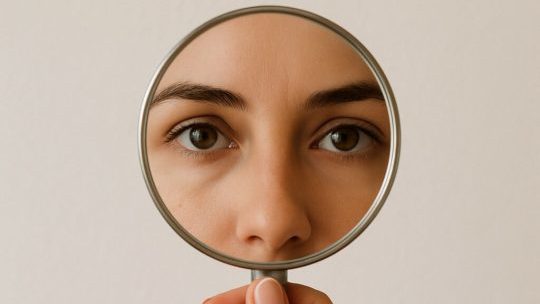
Mirrors have influenced grooming and self expression for thousands of years, shaping how people view their appearance and how confidence develops through daily routines and rituals.
This article explains the origins of mirrors, their cultural impact, and how clearer reflections relate to skincare and personal wellbeing across changing periods of history.
Ancient Origins Of Mirrors
The earliest mirrors were polished obsidian used from around 6000 BCE. These volcanic glass pieces offered smooth reflections valued for grooming and symbolic use in early societies [1].
Archaeological findings show that obsidian mirrors were prized objects, often linked with status and ceremony. Their reflective quality helped shape early ideas of beauty and self awareness.
The Rise Of Metal Mirrors
By 2000 BCE, mirrors of polished copper, bronze, and silver appeared across Egypt, Mesopotamia, and China. These metals created brighter reflections and allowed detailed craftsmanship [2].
In Egypt, mirrors held cultural meaning and symbolised beauty and femininity, showing how reflection became linked with identity and ritual care in daily life [3].
The Glass Mirror Revolution
The first century CE saw the development of glass mirrors coated with metal. Renaissance artisans later refined the process to create clearer, more consistent reflections [4].
Venetian production used specialised methods to achieve superior clarity. These mirrors were luxury items admired for their precision and craftsmanship, influencing personal grooming habits [5].
Mirrors In The Modern Era
During the nineteenth century, the silvering method improved affordability and made high quality mirrors widely accessible. This shift brought mirrors into homes on a larger scale [6].
Full length mirrors and dressing mirrors became common, helping people assess their appearance more clearly and shaping modern grooming practices.
Contemporary Mirror Use
Today, mirrors support practical routines and aesthetic preferences. Illuminated designs provide clear visibility for makeup or skincare, while decorative mirrors enhance interior spaces.
Across forms and functions, mirrors continue to reflect cultural expectations and personal ideals of appearance, highlighting their lasting relevance.
Mirrors Through Time
| Era | Key Development |
|---|---|
| Obsidian | Early polished surfaces |
| Metals | Brighter and durable reflections |
| Glass | Clearer and more consistent views |
| Silvering | Widespread household use |
Table 1: Mirror evolution summary
Enhancing Reflection With Skincare
Clearer skin can enhance how people feel when viewing their reflection. Skincare that addresses acne, ageing, or pigmentation helps support comfort and confidence in daily life.
Monderma offers personalised prescription skincare prepared by prescribers and pharmacists to support concerns such as texture, tone, and clarity.
Conclusion
From polished obsidian to modern illuminated designs, mirrors have shaped beauty, culture, and personal care. They support daily routines by offering clarity, consistency, and a moment for self reflection.
Those wishing to explore care for specific skin needs can find tailored support through our expert skincare consultation, designed to connect individuals with personalised advice.
Content is for informational purposes only. Monderma treatments are prescribed following consultation. Results and timeframes can vary. Use as directed by your prescriber.
References
- Mellaart J. Çatal Hüyük A Neolithic Town In Anatolia. Thames and Hudson.
- Pendergrast M. Mirror Mirror A History Of The Human Love Affair With Reflection. Basic Books.
- Wilkinson RH. Reading Egyptian Art. Thames and Hudson.
- Melchior Bonnet S. The Mirror A History. Routledge.
- Macfarlane A, Martin G. Glass A World History. University of Chicago Press.
- Liebig J. On The Formation Of Mirrors. Annalen Der Chemie.
Join the Newsletter
Insights that make your skin feel understood
Share this article if you found it helpful



More To Explore
Latest Articles For Your Skin
-
Understanding Pityriasis Rosea: Symptoms & Treatment

-
How To Spot Fake Skincare Products Online

-
CBD Skincare For Calming Redness & Irritation

-
How Fractional Laser Can Renew Damaged Skin
-
Wearable Sensors Used For Skin Condition Tracking

-
Ectoine: Skincare & Eye Care Barrier Protection
-
Baby Acne Myths & Facts Explained

-
Niels Ryberg Finsen: Pioneer Of UV Phototherapy
-
Allantoin Uses & Benefits For Daily Skincare

-
Chapped Lips: Causes & How To Treat Them