 Monderma
- 17 Mar 2025
- Microneedling supports collagen renewal
- It can smooth texture and ease redness
- Results depend on skin sensitivity
- Risks include irritation or infection
- Guided care is available with Monderma
Rosacea affects many adults through persistent redness, visible vessels, and periodic papules, often impacting confidence [1,5]. These symptoms can fluctuate with stress, heat, or sun, which makes management important for comfort and clarity.
This article explains how microneedling for rosacea works, how it supports collagen, how it may improve texture, and what risks to consider before treatment [1,2].
What Microneedling Involves
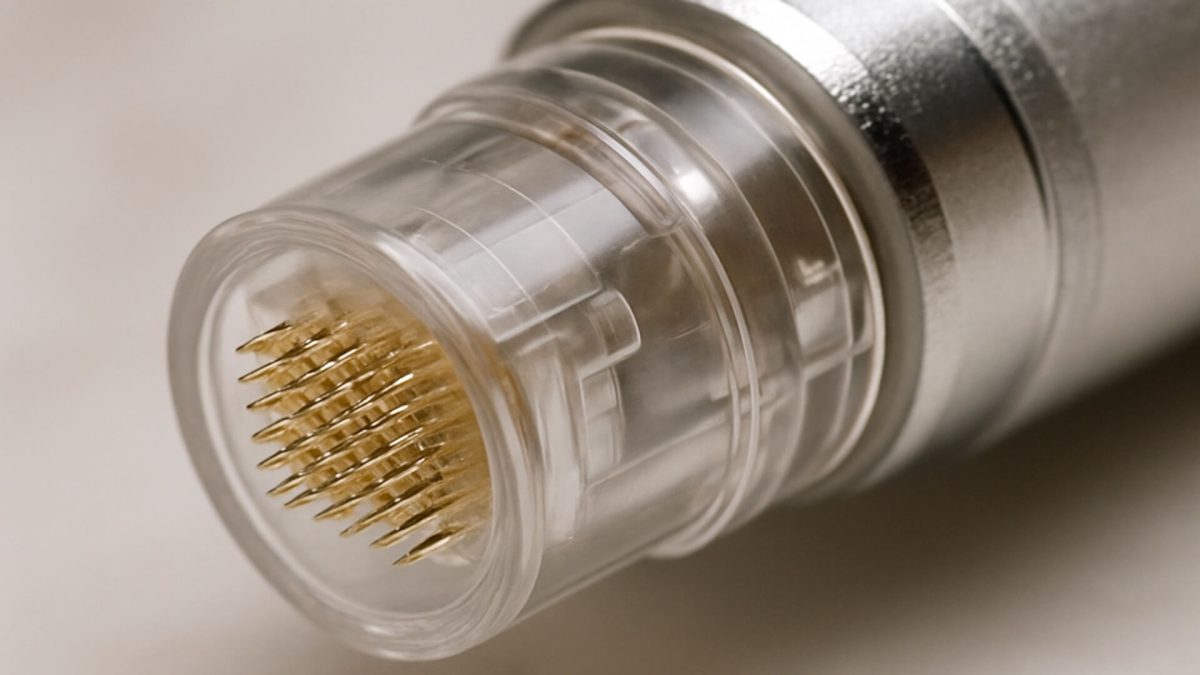
Microneedling uses a device fitted with fine sterile needles to create small channels across the skin surface, stimulating natural repair responses and collagen formation [1,2].
Originally used for concerns such as acne scars and wrinkles, microneedling is now explored as an option for people who experience texture changes with rosacea [1].
How Microneedling Supports Rosacea
Collagen stimulation can strengthen the skin structure, helping improve smoothness and reducing visible papules associated with rosacea [1,2,3].
A study found that fractional microneedling radiofrequency supported collagen renewal and improved redness and papules in people with rosacea [1].
Barrier Support & Hydration
Microneedling may support the skin barrier by encouraging renewal and improving moisture retention, which can help reduce sensitivity [2].
Improved absorption through microchannels can support the effect of topical treatments such as calming or hydrating creams used for rosacea management [2].
Is Microneedling Good For Rosacea
Responses vary between individuals because rosacea can be reactive. Some people notice smoother skin and reduced redness while others experience irritation [1,2].
A study in the Journal of Cosmetic Dermatology found that combining fractional microneedling radiofrequency with a pulsed dye laser improved papulopustular rosacea symptoms [4,8].
What To Expect During Sessions
A microneedling appointment usually lasts around thirty minutes. A numbing cream may be used to support comfort. Mild redness is common after treatment [1,2].
People are usually advised to avoid sun exposure and makeup for twenty four hours to protect the skin while early healing takes place [5,6].
Benefits Of Microneedling
| Benefit | Summary |
|---|---|
| Texture improvement | Collagen stimulation can reduce papules and support smoother skin [1,2] |
| Redness support | Some people experience reduced facial redness after treatment [1,4] |
| Minimal downtime | Mild redness usually settles quickly [5,6] |
Table 1: Benefits of microneedling
Risks & Side Effects
| Risk | Summary |
|---|---|
| Irritation | Rosacea prone skin may react to microinjury depth [7] |
| Infection | Any skin breaking treatment requires sterile technique [5] |
| Redness and swelling | Temporary redness is common but usually short lived [5] |
Table 2: Key risks to consider
Who Might Benefit
People with mild or moderate rosacea who want smoother texture or reduced redness may benefit from microneedling. Results often improve over several sessions [1,5].
A dermatologist can help determine suitability, especially for people who also experience acne or wrinkles, which may respond differently to treatment.
Who Should Avoid Treatment
People who are in an active rosacea flare, those with infections, or those with delayed wound healing should avoid microneedling.
Topical options recommended in the NICE rosacea management guidance may be more suitable in these situations [5].
Preparing For Treatment
Avoiding strong exfoliants, retinoids, or sun exposure helps prepare the skin. Hydration and gentle cleansing support comfort before a session [6].
After treatment, sunscreen, gentle moisturisers, and avoidance of makeup for twenty four hours support recovery and help maintain results [1,5].
Monderma Skincare Support
Monderma provides personalised prescription treatments for rosacea, acne, hyperpigmentation, and wrinkles.
Formulas may include azelaic acid or ivermectin to support redness reduction and calming effects, prepared by GPhC registered prescribers.
Conclusion
Microneedling may support rosacea through collagen renewal, texture improvement, and mild redness reduction, although sensitivity varies and professional oversight is essential [1,4].
People considering treatment can explore complementary skincare through our personalised skincare consultation, designed to support clarity and comfort with expert guidance.
Content is for informational purposes only. Monderma treatments are prescribed following consultation. Results and timeframes can vary. Use as directed by your prescriber.
References
- Park SY, Kwon HH, Yoon JY, Min S, Suh DH. Clinical and histologic effects of fractional microneedling radiofrequency on rosacea. Dermatologic Surgery.
- Bare N Beautiful. Microneedling for rosacea overview.
- Prime Aesthetics. Is microneedling good for rosacea.
- Hasan AI, Shukri D, Al Sheikh A. Fractional microneedling with isotretinoin for rosacea. Dermatology Review.
- Hampton PJ, Duarte Williamson CE, Hay R, et al. British Association of Dermatologists rosacea management guidelines. British Journal of Dermatology.
- NICE CKS. Rosacea management guidance.
- Aşiran Serdar Z, Aktaş Karabay E. Case of microneedling induced rosacea. Journal of Cosmetic Laser Therapy.
- Assiri A. Low dose isotretinoin for rosacea.
Join the Newsletter
Insights that make your skin feel understood
Share this article if you found it helpful



More To Explore
Latest Articles For Your Skin
-
Understanding Pityriasis Rosea: Symptoms & Treatment
-
How To Spot Fake Skincare Products Online
-
CBD Skincare For Calming Redness & Irritation

-
How Fractional Laser Can Renew Damaged Skin
-
Wearable Sensors Used For Skin Condition Tracking

-
Ectoine: Skincare & Eye Care Barrier Protection
-
Baby Acne Myths & Facts Explained

-
Niels Ryberg Finsen: Pioneer Of UV Phototherapy
-
Allantoin Uses & Benefits For Daily Skincare
-
Chapped Lips: Causes & How To Treat Them