 Monderma
- 27 May 2025
- Beauty ads shape skin ideals
- Media shifts influence choices
- Visual stories guide behaviour
- Digital ads personalise care
- Monderma supports tailored needs
Beauty advertising influences how many people view skincare, especially when seeking calm and reliable guidance. These messages shape confidence and ideas about healthy skin.
In this article we explore how print, radio, television, and social media advertising have evolved, and how these changes influence modern skincare choices.
Rise Of Print Advertising In Beauty
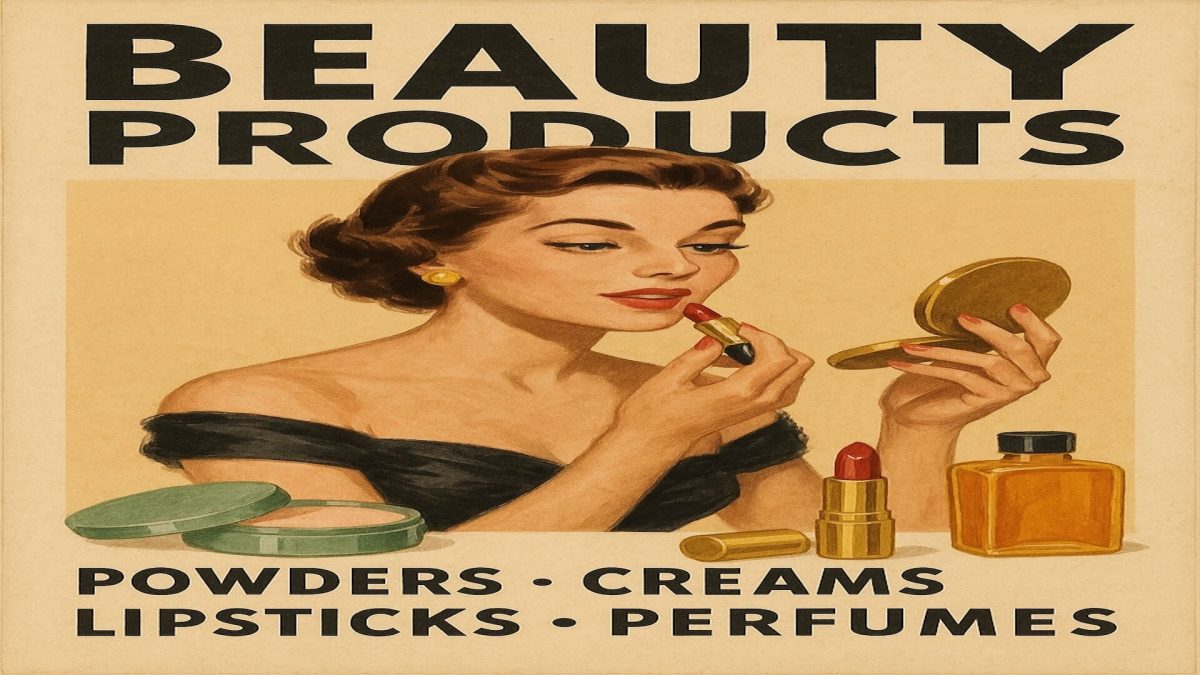
Early print advertising used magazines such as Vogue and Harpers Bazaar to present products with aspirational imagery. These pages created a personal and immersive experience.
Celebrity features added trust, while ingredients such as salicylic acid appeared in creams promoted for acne management and clearer skin tone [1].
These images shaped ideals around complexion and helped define what healthy and glamorous skin looked like for many readers [2,9].
However, early ads often lacked diversity and tended to present narrow representations of beauty, which influenced expectations and sometimes limited inclusivity.
Print messages still encouraged experimentation with new products that addressed ageing skin or acne, and they laid the foundation for future beauty innovation.
Influence Of Radio & Television Advertising
Radio advertising introduced memorable language and repetition to build recognition. The audio format helped brands reach households with steady and familiar messages.
Television later added visual storytelling. Advertisers could show how products worked, which made the experience more engaging and convincing for viewers.
Campaigns such as Because You Are Worth It used emotional appeal to connect with specific audiences and strengthen perceptions of self value.
Research shows that visual media can influence health behaviours among adolescents, which highlights the reach and impact of televised skincare messaging [4].
Television also expanded diversity in casting to reach audiences with varied skin tones and concerns, including hyperpigmentation and rosacea.
Digital Revolution & Social Media
The rise of the internet changed advertising completely. Early websites and banners offered basic information, but social platforms made beauty content interactive.
Platforms such as Instagram and YouTube allowed brands to speak directly with consumers through influencers who were seen as relatable and authentic.
Paid social media advertising uses data to show tailored messages to people searching for help with acne, ageing skin, or rosacea, improving relevance and engagement.
Social media communities share reviews and results, which adds credibility. CAP rules require clear disclosure when an influencer promotes a product [6,7].
This transparency helps build trust, especially for women seeking supportive skincare advice grounded in evidence rather than unrealistic claims.
Monderma’s Role In Modern Skincare Advertising
Monderma uses digital channels to share personalised prescription skincare designed for concerns such as acne, hyperpigmentation, rosacea, and wrinkles [8].
Guidelines recognise ingredients such as topical retinoids and azelaic acid as useful options for moderate to severe acne, which aligns with Monderma’s approach [3,5].
Monderma combines evidence based ingredients with personalised care to offer trustworthy and accessible support in an increasingly crowded digital landscape.
Readers can explore how tailored treatments may enhance comfort, confidence, and clarity through a free consultation designed to reflect individual needs.
Future Of Beauty Advertising
New technology such as augmented reality allows people to explore products virtually, creating a more interactive and reassuring experience.
Sustainability influences many modern choices, as consumers look for ethical and eco friendly practices within beauty messaging and skincare marketing.
Authenticity remains essential across print ads, television, and social media. Representation of varied skin tones and concerns helps build trust and encourages confidence.
As advertising formats grow more advanced, brands must maintain transparent communication to support informed decisions and uphold regulatory standards.
Conclusion
Beauty advertising has moved from print to digital formats, shaping how people learn about skincare and interact with brands. These changes reflect evolving expectations around skin health, product transparency, and personal relevance.
If you would like personalised skincare shaped around your own beauty needs, you can explore a tailored formula through Monderma
Content is for informational purposes only. Monderma treatments are prescribed following consultation. Results and timeframes can vary. Use as directed by your prescriber.
References
- Decker A, Graber EM. Over the Counter Acne Treatments. J Clin Aesthet Dermatol.
- Dalgard F, Gieler U, Holm JO, Bjertness E, Hauser S. Self Esteem and Body Satisfaction in Adolescents with Acne. J Am Acad Dermatol.
- Zaenglein AL, Pathy AL, Schlosser BJ, et al. Guidelines of Care for Acne Vulgaris. J Am Acad Dermatol.
- Brown JD, Witherspoon EM. Mass Media and Adolescent Health. J Adolesc Health.
- NICE. Acne Vulgaris: Management. NG198.
- Committee of Advertising Practice. The CAP Code. CAP.
- Committee of Advertising Practice. Influencer Guide for Advertising Disclosure. ASA.
- Kircik LH. Azelaic Acid for Hyperpigmentation and Acne. J Drugs Dermatol.
- Magin P, Adams J, Heading G, Pond D, Smith W. Influence of Acne on Self Esteem. Int J Womens Dermatol.
Join the Newsletter
Insights that make your skin feel understood
Share this article if you found it helpful



More To Explore
Latest Articles For Your Skin
-
Understanding Pityriasis Rosea: Symptoms & Treatment
-
How To Spot Fake Skincare Products Online
-
CBD Skincare For Calming Redness & Irritation
-
How Fractional Laser Can Renew Damaged Skin
-
Wearable Sensors Used For Skin Condition Tracking

-
Ectoine: Skincare & Eye Care Barrier Protection
-
Baby Acne Myths & Facts Explained

-
Niels Ryberg Finsen: Pioneer Of UV Phototherapy
-
Allantoin Uses & Benefits For Daily Skincare

-
Chapped Lips: Causes & How To Treat Them