 Monderma
- 08 May 2025
- Liquorice can help to calm stressed skin
- Glabridin gently fades dark marks
- Antioxidants help reduce free radicals
- Hydration support maintains skin comfort
- Liquorice works well beside Monderma
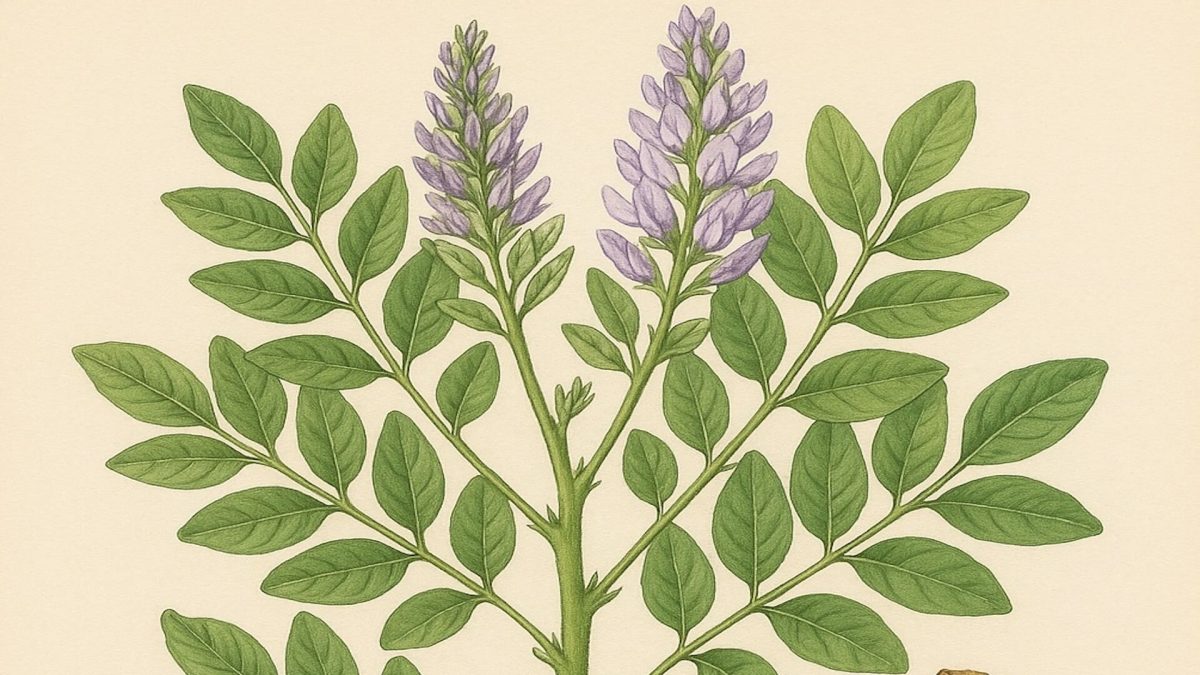
Liquorice root has become a trusted ingredient for those looking to calm skin, brighten tone, and support resilience. Its gentle nature appeals to individuals seeking effective plant based care.
In this article, we explain how liquorice compounds influence tone, redness, and oxidative stress, helping you understand where this ingredient fits in modern evidence based skincare.
Liquorice Root Benefits
Liquorice root contains glabridin, glycyrrhizin, and licochalcone A, each supporting clearer, calmer skin. These compounds influence pigment, redness, and environmental stress [1].
Its ability to target uneven tone makes it useful for those experiencing post inflammatory marks or long standing pigmentation. Gentle calming action helps support sensitive skin [2].
Liquorice also provides antioxidant activity that helps defend against daily stressors. This supports smoother texture and maintains skin comfort over time [3].
Brightening Effects
Liquorice helps reduce visible dark marks by slowing melanin activity. Glabridin influences tyrosinase and may improve tone when used consistently in routines [1].
Its gentle effect offers an option for those who prefer non irritant brightening. Regular use may support clarity while maintaining skin comfort and balance.
Anti Inflammatory Properties
Glycyrrhizin supports calmer skin by soothing irritation. This can help ease redness linked with common conditions while supporting comfort in changing climates [2].
By reducing reactivity, liquorice may aid skin that struggles with flare ups. Consistent use helps nurture a smoother, more even appearance.
Antioxidant Support
Licochalcone A and other compounds help neutralise free radicals created by pollution and sunlight. These stressors contribute to visible ageing and dullness [3].
Supporting antioxidant balance helps maintain tone and texture. It complements daily sunscreen for broader protection in varied environments.
Moisturising Benefits
Liquorice supports barrier strength by helping maintain water balance. This can ease dryness and create a smoother surface for other ingredients [4].
It pairs well with hydrating serums and creams, making it suitable for sensitive or dry skin when used within simple, consistent routines.
Summary Of Key Actions
| Benefit | Summary |
|---|---|
| Brightening | Glabridin helps reduce excess pigment [1] |
| Calming | Glycyrrhizin supports comfort and ease [2] |
| Antioxidant | Licochalcone A reduces oxidative stress [3] |
| Hydration | Helps maintain barrier moisture [4] |
Table 1: Liquorice actions in skincare
Liquorice Uses & Applications
Liquorice root appears in serums, moisturisers, and toners that aim to support clarity and comfort. Its mild nature suits many skin types.
| Product Type | Summary |
|---|---|
| Serums | Target uneven tone and support clarity |
| Moisturisers | Maintain comfort and hydration |
| Toners | Calm skin and prepare for treatment |
Table 2: Common forms of liquorice skincare
Who Benefits Most
Liquorice suits sensitive, acne prone, and dry skin because of its calming properties. It can help reduce visible marks that remain after blemishes [2].
Its antioxidant activity supports ageing concerns, making it a useful ingredient for those seeking gentle enhancement of skin brightness and comfort [3].
Conclusion
Liquorice root can brighten, soothe, and protect the skin through its naturally active compounds, and its gentle profile makes it suitable for those managing sensitivity or uneven tone. Introducing it through serums or toners may support a calmer, more balanced complexion.
If you would like personalised skincare created around your own needs, you can explore a custom formula through Monderma.
Content is for informational purposes only. Monderma treatments are prescribed following consultation. Results and timeframes can vary. Use as directed by your prescriber.
References
- Yokota T, Nishio H, Kubota Y, Mizoguchi M. Pigment Cell Research.
- Saeedi M, Morteza Semnani K, Ghoreishi MR. Journal of Dermatological Treatment.
- Pastorino G, Cornara L, Soares S, Rodrigues F, Oliveira MBPP. Phytotherapy Research.
- Glycyrrhizin and barrier function review. Journal of dermatological science.
Join the Newsletter
Insights that make your skin feel understood
Share this article if you found it helpful



More To Explore
Latest Articles For Your Skin
-
Understanding Pityriasis Rosea: Symptoms & Treatment
-
How To Spot Fake Skincare Products Online
-
CBD Skincare For Calming Redness & Irritation
-
How Fractional Laser Can Renew Damaged Skin
-
Wearable Sensors Used For Skin Condition Tracking

-
Ectoine: Skincare & Eye Care Barrier Protection
-
Baby Acne Myths & Facts Explained

-
Niels Ryberg Finsen: Pioneer Of UV Phototherapy

-
Allantoin Uses & Benefits For Daily Skincare
-
Chapped Lips: Causes & How To Treat Them