 Monderma
- 20 Jun 2025
- Skin reflects whole body health
- The epidermis renews and protects
- Lorry advanced early dermatology
- Classification shaped modern care
- Skin insights supported by Monderma
Anne Charles Lorry helped shape early dermatology and highlighted the importance of the skin in overall health. His work continues to inform how we understand this vital organ [1].
In this article we explore Lorry’s contributions, the structure of the epidermis, and the relevance of skin health within broader wellness practices.
Early Life & Medical Pursuits
Lorry trained during a period of limited medical knowledge, yet he pursued empirical study and questioned longstanding theories that shaped views on skin disease [1].
His commitment to understanding skin function encouraged a more structured approach to diagnosis and research that influenced future clinicians.
De Morbis Cutaneis & Its Influence
Published in 1777, De Morbis Cutaneis classified skin conditions into fourteen groups and offered detailed descriptions that guided understanding for generations [1].
Lorry’s emphasis on systematic observation supported a shift from speculative ideas toward evidence based dermatology.
The Epidermis As An Organ
Lorry was the first to propose the skin as an organ [1]. It covers around two square metres in adults and serves as a protective barrier while supporting temperature balance and sensation [2].
The epidermis renews itself through layers of keratinocytes that maintain structure and integrity. Its position at the surface helps guard against environmental exposure.
Layers Of The Epidermis
| Layer | Description |
|---|---|
| Stratum basale | Produces new skin cells |
| Stratum spinosum | Offers strength and flexibility |
| Stratum granulosum | Creates lipids for barrier function [2] |
| Stratum lucidum | Clear layer in thicker skin [2] |
| Stratum corneum | Protective outer layer of dead cells |
Table 1: Structure of the epidermis
Immune Surveillance In The Skin
Langerhans cells in the epidermis detect foreign substances and initiate immune responses. Their role supports the body’s defence and contributes to overall protection [3].
Epidermis & Holistic Health
The skin reflects internal and emotional wellness. Stress, sleep, hydration, and environment all influence appearance and comfort, showing how health and skin are closely linked [7].
Nutrition also contributes to barrier strength and repair. Omega 3 fatty acids help retain moisture [4], while vitamins A, C, and E support repair and resilience [5,6].
Historical & Modern Dermatology
Lorry’s structured thinking informs contemporary practice, where immunology, cell biology, and genetics guide approaches to skin disease [1].
Understanding the skin’s role in vitamin D production, immunity, and barrier health also shapes wider clinical and public health strategies [2,7].
Supporting Skin Well Being
| Focus Area | Relevance |
|---|---|
| Barrier Care | Hydration and nutrition support resilience |
| Immune Health | Helps defend against environmental stress |
| Lifestyle | Stress and sleep influence skin comfort |
Table 2: Factors supporting epidermal health
Conclusion
Monderma offers prescription skincare customised for acne, ageing skin, hyperpigmentation, and rosacea, with active ingredients selected to meet each individual’s needs. Personalised formulations ensure treatments address specific concerns while supporting overall skin health.
If you would like personalised skincare designed to maintain long term skin resilience, you can explore a tailored formula through Monderma.
Content is for informational purposes only. Monderma treatments are prescribed following consultation. Results and timeframes can vary. Use as directed by your prescriber.
References
- An Bras Dermatol. History of dermatology
- StatPearls. Anatomy of the epidermis
- Front Immunol. Langerhans cell function
- Int J Mol Sci. Omega 3 and skin
- Adv Food Nutr Res. Vitamin roles in repair
- Nutrients. Skin health supplements
- Medicina. Skin and wellbeing
Join the Newsletter
Insights that make your skin feel understood
Share this article if you found it helpful



More To Explore
Latest Articles For Your Skin
-
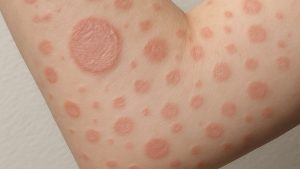
Understanding Pityriasis Rosea: Symptoms & Treatment
-
How To Spot Fake Skincare Products Online
-
CBD Skincare For Calming Redness & Irritation

-
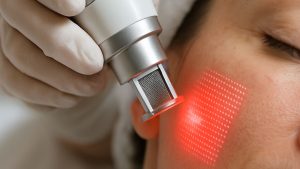
How Fractional Laser Can Renew Damaged Skin
-
Wearable Sensors Used For Skin Condition Tracking

-
Ectoine: Skincare & Eye Care Barrier Protection
-
Baby Acne Myths & Facts Explained

-
Niels Ryberg Finsen: Pioneer Of UV Phototherapy
-
Allantoin Uses & Benefits For Daily Skincare

-
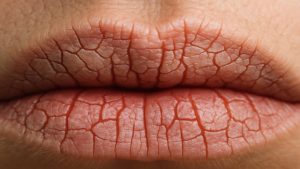
Chapped Lips: Causes & How To Treat Them