 Monderma
- 14 May 2025
- Kojic acid reduces dark marks gently
- It supports calmer and brighter skin
- Research shows benefits for tone balance
- Helps manage pigmentation concerns
- Guides choices when used with Monderma
Kojic acid appeals to many people seeking natural skincare support, especially those with pigmentation concerns [1]. Its gentle action helps maintain clarity and comfort in daily routines.
In this article you will find clear guidance that explains how kojic acid works, how it can support tone balance, and how to use it safely within your skincare routine.
What Is Kojic Acid
Kojic acid forms during fermentation in ingredients such as sake and soy sauce and is produced by fungi including Aspergillus oryzae [1]. It is often used to help lighten uneven areas.
Its natural origin supports growing interest in plant based products. Many people choose it for gentle assistance with marks linked to sun exposure or previous breakouts.
How Kojic Acid Works
Kojic acid acts as a tyrosinase inhibitor and reduces melanin production by limiting the activity of this key enzyme [2]. This approach may help lighten uneven pigmentation.
A study showed that adding 2 percent kojic acid to a gel with glycolic acid and hydroquinone improved melasma outcomes more than the same gel without kojic acid [3]. This supports its value in tone correction.
By helping limit excess pigment activity, kojic acid encourages a more uniform appearance, which supports confidence in daily skincare.
Key Kojic Acid Benefits
Kojic acid supports many concerns ranging from pigmentation to visible surface changes linked with ageing and inflammation.
Kojic Acid Benefits
| Benefit | Description |
|---|---|
| Hyperpigmentation treatment | Helps lighten melasma and marks linked with inflammation |
| Anti ageing properties | Supports tone balance and reduces the look of sun related changes |
| Antifungal benefits | May help ease fungal skin concerns |
| Antibacterial effects | May help reduce bacterial growth and lighten marks |
Table 1: Core benefits of kojic acid
Hyperpigmentation Support
Research found that 0.75 percent kojic acid reduced melasma with fewer side effects than 4 percent hydroquinone [4]. It can support sun exposed areas and post inflammatory hyperpigmentation.
Kojic acid may also pair well with tranexamic acid, as seen in a study where a combined serum improved melasma severity [5].
Anti Ageing Support
Kojic acid may help lighten sun related marks and has antioxidant activity that supports healthier tone and texture [1]. This may enhance the appearance of skin affected by environmental exposure.
Antifungal Support
Some research suggests kojic acid may help manage fungal concerns such as athlete’s foot or ringworm [1]. This adds versatility to its cosmetic role.
Antibacterial Support
Kojic acid may reduce bacterial growth on the skin and can help lighten marks left after breakouts [1]. This dual action may support people with acne prone patterns.
Common Applications In Skincare
Kojic acid appears in soaps, creams, serums, and ointments designed for pigmentation support and surface clarity.
Kojic Acid Applications
| Application | Description |
|---|---|
| Soaps | Cleansers that support lighter looking skin with daily use |
| Creams and lotions | Moisturising formulas that target uneven tone |
| Serums | Concentrated treatments for localised marks |
| Ointments | Intensive options for more stubborn areas |
Table 2: Common kojic acid applications
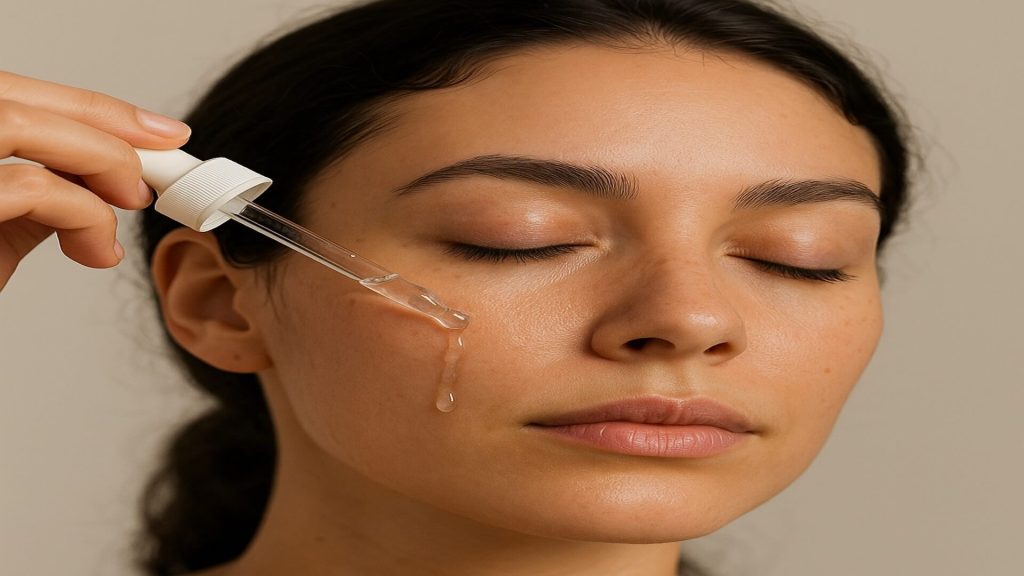
Adding Kojic Acid To Routines
A gradual introduction supports comfort. Applying kojic acid every other day can help the skin adjust to prevent dryness or irritation [2]. This approach supports long term consistency.
Patch testing a small area helps identify any reactions before full use [1]. This can reduce the risk of contact dermatitis.
Daily sunscreen with at least SPF 30 is essential since kojic acid increases sun sensitivity [2]. Sun protection helps maintain the benefits of tone correcting routines.
Pairing kojic acid with ingredients such as niacinamide or tranexamic acid may improve pigmentation outcomes [5]. Other combinations, including vitamin C or glycolic acid, also show promising results [4,6].
Possible Reactions
Some people may experience irritation when starting kojic acid, especially at higher strengths [2]. Reducing frequency can help ease discomfort.
Allergic reactions are less common but possible. Stopping use and seeking advice is recommended if hives or severe redness occur [1].
Sun sensitivity increases during use, so consistent protection is important to help prevent further pigmentation [2].
Conclusion
Kojic acid can support a brighter and more even complexion by helping reduce the appearance of dark marks and areas of uneven tone. Steady use alongside sun protection allows the ingredient to work gently and predictably within a balanced routine.
If you would like personalised skincare designed around your own needs, you can explore a custom formula through Monderma.
Content is for informational purposes only. Monderma treatments are prescribed following consultation. Results and timeframes can vary. Use as directed by your prescriber.
References
- Saeedi M, Eslamifar M, Khezri K. Kojic acid applications in cosmetic and pharmaceutical preparations.
- Burnett CL, Bergfeld WF, Belsito DV, et al. Final report of the safety assessment of kojic acid as used in cosmetics.
- Lim JT. Treatment of melasma using kojic acid in a gel containing hydroquinone and glycolic acid.
- Monteiro RC, Kishore BN, Bhat RM, et al. A comparative study of the efficacy of 4 percent hydroquinone vs 0.75 percent kojic acid cream in the treatment of facial melasma.
- Desai S, Ayres E, Bak H, et al. Effect of a tranexamic acid, kojic acid, and niacinamide containing serum on facial dyschromia.
- Garcia A, Fulton JE. The combination of glycolic acid and hydroquinone or kojic acid for the treatment of melasma and related conditions.
Join the Newsletter
Insights that make your skin feel understood
Share this article if you found it helpful



More To Explore
Latest Articles For Your Skin
-
Understanding Pityriasis Rosea: Symptoms & Treatment
-
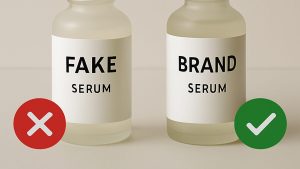
How To Spot Fake Skincare Products Online
-
CBD Skincare For Calming Redness & Irritation
-
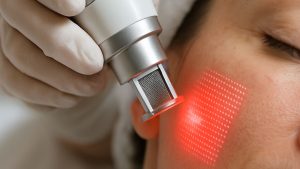
How Fractional Laser Can Renew Damaged Skin
-
Wearable Sensors Used For Skin Condition Tracking

-
Ectoine: Skincare & Eye Care Barrier Protection
-
Baby Acne Myths & Facts Explained

-
Niels Ryberg Finsen: Pioneer Of UV Phototherapy
-
Allantoin Uses & Benefits For Daily Skincare
-
Chapped Lips: Causes & How To Treat Them