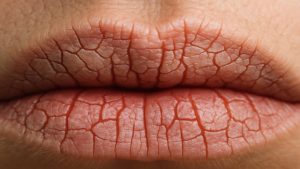
Monderma
- 03 Jun 2025
- Thickened skin forms with pressure
- Yellow soles show dead skin build up
- Friction is a key trigger
- Diagnosis guides safe care
- Personalised skincare with Monderma
Hyperkeratosis creates thickened skin that may feel rough or dry. Many people notice changes on areas that bear weight, especially the soles of the feet.
In this article we explore causes, symptoms, and diagnosis to help readers understand this common condition and recognise when support may be useful.
What Is Hyperkeratosis?
Hyperkeratosis occurs when excess keratin builds on the skin surface. This creates patches that may look rough or scaly and can appear in areas exposed to pressure [1].
It is common on the feet where hard dry skin, corns, calluses, or yellow soles may develop. These signs reflect a response to friction rather than a disease [1].
What Causes Hyperkeratosis
Hyperkeratosis often relates to everyday habits or underlying skin concerns. Awareness of these factors can support early care and prevention.
| Cause | Description |
|---|---|
| Friction and pressure | Ill fitting shoes or repeated force create corns and calluses [2] |
| Skin conditions | Eczema or psoriasis may increase keratin build up [1] |
| Genetics | Some inherited forms appear from birth [4] |
| Environment | Irritants or vitamin A deficiency may contribute [5] |
Table 1: Causes of hyperkeratosis
These factors influence how the skin thickens and help explain why the condition appears in predictable patterns such as the heels or balls of the feet.
Symptoms Of Hyperkeratosis
Hyperkeratosis often shows clear signs on the skin surface and may be easier to manage when noticed early.
| Symptom | Description |
|---|---|
| Thickened skin | Noticeable thickening in areas of pressure |
| Rough texture | Dry rough patches that may feel firm |
| Yellow discolouration | Yellow soles caused by dead skin build up |
| Corns and calluses | Hard painful spots over bony areas |
| Cracked skin | Fissures that may cause discomfort |
Table 2: Symptoms of hyperkeratosis
These signs may change as dead skin accumulates. Severe cases can alter the epidermal layering and create uneven texture on the soles [1].
Diagnosing Hyperkeratosis
Diagnosis usually involves a visual skin examination. A clinician may note thickened yellow skin or corns and calluses and discuss footwear, habits, or medical history [2].
Tests such as a skin biopsy may help rule out psoriasis or actinic keratosis. Blood tests may identify vitamin deficiencies linked to hyperkeratosis [3,5].
Treatment Options For Hyperkeratosis
Treatment aims to soften thickened skin, ease discomfort, and reduce friction on affected areas.
Topical creams containing urea or salicylic acid may soften hard dry skin and support gentle removal of dead cells on the feet [6].
Protective footwear and padded supports can reduce rubbing and prevent new corns or calluses. This is especially helpful for pressure related symptoms [2].
Lifestyle care such as regular moisturising and gentle exfoliation may support smoother skin. Keeping soles hydrated helps limit cracking [1,7].
Monderma’s Role In Skincare
Monderma offers personalised prescription skincare for concerns linked to texture, tone, and inflammation. These treatments may complement wider care for skin health.
You can explore tailored guidance through our personalised skincare review using our expert assessment to support your routine.
Minimising Hyperkeratosis
Consistent foot care may reduce recurrence. Moisturising prevents thick dead skin buildup, while supportive footwear eases pressure on the soles [1,2].
Gentle exfoliation with a foot file may maintain smooth skin and limit future hardening. This approach helps keep the feet comfortable [7].
Conclusion
Hyperkeratosis can be managed with steady care that softens thickened skin, reduces discomfort, and supports long term foot health. Understanding symptoms early and seeking appropriate treatment can help maintain comfort and prevent further build up.
If you would like personalised skincare created around your own needs, you can explore a tailored formula through Monderma.
Content is for informational purposes only. Monderma treatments are prescribed following consultation. Results and timeframes can vary. Use as directed by your prescriber.
References
- Farci F, Mahabal GD. StatPearls.
- Al Aboud AM, Yarrarapu SNS. StatPearls.
- Charifa A, Badri T, Harris BW. StatPearls.
- Peter Rout D, Nair A, Gupta A, Kumar P. Clinical Cosmetic Investigational Dermatology.
- Maronn M, Allen DM, Esterly NB. Pediatric Dermatology.
- Drugs dot com. Urea and Salicylic Acid Cream.
- NHS. Corns and Calluses.
Join the Newsletter
Insights that make your skin feel understood
Share this article if you found it helpful



More To Explore
Latest Articles For Your Skin
-
Understanding Pityriasis Rosea: Symptoms & Treatment
-
How To Spot Fake Skincare Products Online
-
CBD Skincare For Calming Redness & Irritation

-
How Fractional Laser Can Renew Damaged Skin
-
Wearable Sensors Used For Skin Condition Tracking

-
Ectoine: Skincare & Eye Care Barrier Protection
-
Baby Acne Myths & Facts Explained

-
Niels Ryberg Finsen: Pioneer Of UV Phototherapy
-
Allantoin Uses & Benefits For Daily Skincare
-
Chapped Lips: Causes & How To Treat Them