 Monderma
- 05 Jan 2025
- Reduces pigmentation by limiting melanin production
- Noticeable fading seen within 4–12 weeks
- Requires supervision to avoid irritation & ochronosis
- Now prescription-only in the UK for safety
- Combine with SPF & retinoids, limit use to 6 months
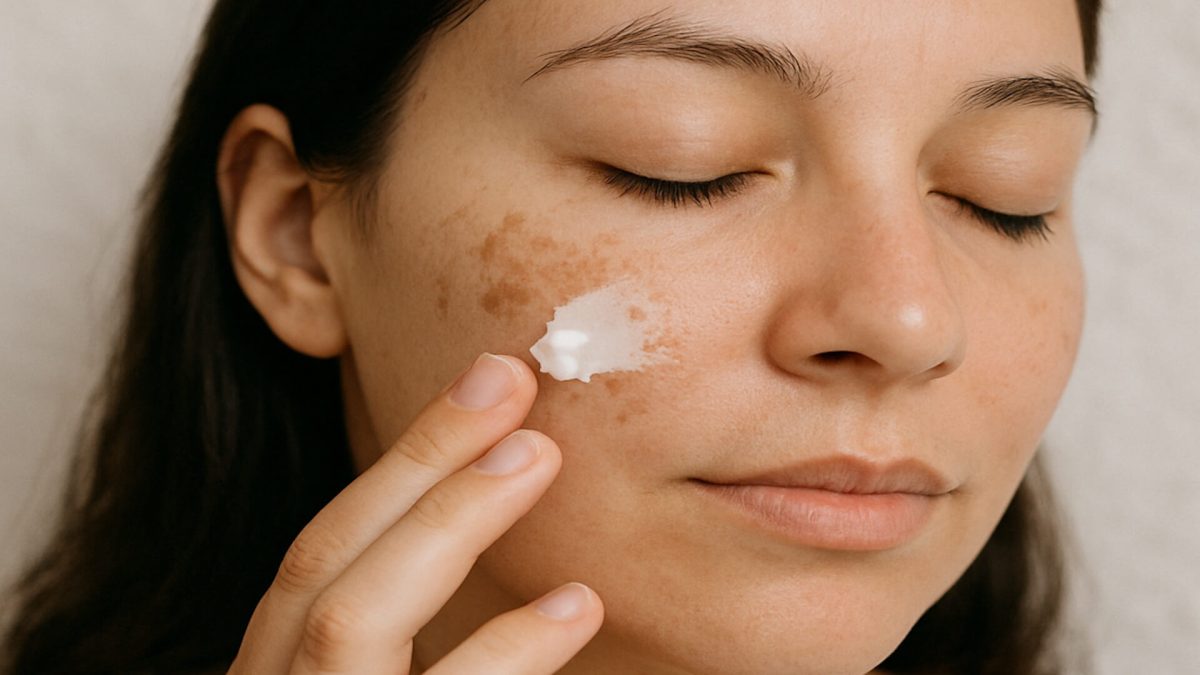
Hydroquinone is a prescription-strength topical ingredient widely used for managing hyperpigmentation, melasma, and dark spots. It works by reducing melanin formation, leading to a more even-looking skin tone.
This guide explains how hydroquinone works, its effectiveness, common side effects, safe usage guidelines, and available alternatives.
What Is Hydroquinone?
Hydroquinone is a depigmenting agent that decreases melanin production in the skin. It helps reduce the visibility of dark spots, acne marks, and uneven tone when used under medical supervision.
Clinical studies show that hydroquinone can improve melasma in approximately 70% of users within 12 weeks of regular use [1]. Because of its potency and risk profile, hydroquinone is prescription-only in the UK.
How Hydroquinone Works
Hydroquinone inhibits tyrosinase, an enzyme that converts tyrosine into melanin. By slowing this process, it helps lighten areas of hyperpigmentation.
A 4% hydroquinone formulation is considered clinically effective for post-inflammatory hyperpigmentation, typically showing visible change within 8–12 weeks [2]. Continued use beyond six months is not recommended without medical guidance [8].
Historical Context & Regulation
Hydroquinone was first used in the 19th century in photographic processing. In the 1950s, researchers identified its potential in reducing pigmentation, leading to dermatological use [4].
However, long-term safety concerns, such as ochronosis (a rare blue-black discoloration), led to restrictions in many countries. Hydroquinone is now prescription-only in the UK to ensure safe, monitored use [5].
Common Uses Of Hydroquinone
Hydroquinone targets pigment-related conditions including:
- Melasma (hormonal pigmentation)
- Post-acne marks and sun spots
- Solar lentigines and age-related pigmentation
When combined with other active ingredients such as retinoids, hydroquinone can enhance results for complex hyperpigmentation cases [6]. A healthcare professional ensures suitability and guides safe treatment.
Effectiveness Of Hydroquinone
Real-World Results
Clinical research supports hydroquinone’s efficacy for melasma and dark spot reduction. In a 2006 study, 4% hydroquinone achieved significant pigmentation improvement within 12 weeks [7].
Typical Results Timeline
| Time Frame | Expected Change |
|---|---|
| 4–6 weeks | Early fading of dark marks |
| 8–12 weeks | Noticeably more even tone |
| >12 weeks | Slower improvement, maintenance phase |
Table 1: Typical results timeline for hydroquinone
Hydroquinone should be reassessed by a healthcare professional after 3 months to determine ongoing suitability [8].
Potential Side Effects
While generally well tolerated when used correctly, hydroquinone may cause temporary irritation or redness in some users.
Common & Rare Reactions
| Side Effect | Likelihood | Management |
|---|---|---|
| Mild irritation | Common (5–10%) | Reduce frequency, use moisturiser |
| Allergic reaction | Uncommon (2–5%) | Discontinue & seek medical advice |
| Ochronosis | Rare (<1%) | Stop treatment, consult clinician |
Table 2: Common and rare side effects of hydroquinone
A 2013 comparative trial reported mild irritation in about 5% of users at 4% strength [9]. Always perform a patch test before use.
Safe Use & Practical Tips
- Clean Skin: Apply only to clean, dry skin on affected areas.
- Sun Protection: Daily SPF 30+ prevents pigmentation rebound [11].
- Short-Term Use: Limit application to 3–6 months unless directed by a clinician.
- Avoid Mixing: Do not use with peroxide-based products to reduce irritation risk.
- Follow Supervision: Always use under healthcare direction.
Personalised Treatment Considerations
Skin Type & Sensitivity
Hydroquinone may not suit highly sensitive or darker skin tones due to higher ochronosis risk [12]. A clinician can advise suitable strengths or alternatives based on your skin history.
Combination Therapy
Combining hydroquinone with tretinoin enhances cell turnover and overall tone correction [13]. Some protocols pair hydroquinone with mild chemical exfoliants or laser therapy, but these should only be done under professional supervision.
Alternatives To Hydroquinone
Those preferring gentler pigment correction may consider:
- Vitamin C: Brightens and protects against free-radical damage.
- Kojic Acid: Shown to improve pigmentation over 8 weeks [14].
These alternatives act more gradually but can be better tolerated, especially for sensitive skin.
Conclusion: Is Hydroquinone Right For You?
Hydroquinone remains one of the most studied and effective options for addressing hyperpigmentation and uneven tone. However, its strength means professional supervision is essential. When used responsibly alongside SPF and supportive skincare it can deliver visible improvement within weeks while maintaining skin safety.
For tailored care, complete a free online consultation and share this article to help others understand safe, effective hyperpigmentation treatment.
Content is for informational purposes only. Monderma treatments are prescribed following consultation. Results and timeframes can vary. Use as directed by your prescriber.
Bibliography
- McKesey J, Tovar-Garza A, Pandya AG. Melasma Treatment: An Evidence-Based Review. Am J Clin Dermatol. 2020;21(2):173–225.
- Chandra M, et al. Hydroquinone therapy for post-inflammatory hyperpigmentation secondary to acne. Acta Derm Venereol. 2012;92(3):232–5.
- Searle T, et al. Hydroquinone: Is This Toxic Beauty At Its Best? Clin Exp Dermatol. 2021.
- History of Hydroquinone. Indian J Derm Venereol Leprol. 2022.
- Charlín R, et al. Hydroquinone-induced exogenous ochronosis. Dermatol Ther. 2007;20:308–13.
- Fabian IM, et al. Topical Hydroquinone for Hyperpigmentation: A Narrative Review. Clin Cosmet Investig Dermatol. 2023.
- Rendon M, et al. Treatment of Melasma. J Am Acad Dermatol. 2006;54:S272–81.
- British Association of Dermatologists. Specials Recommended for Skin Disease. 2018.
- Monteiro RC, et al. Comparative Study of 4% Hydroquinone vs 0.75% Kojic Acid. Indian J Derm Venereol Leprol. 2013;79:701–2.
- Schwartz C, et al. Hydroquinone. StatPearls. 2023.
- Arellano I, et al. Melasma in Latin America: Therapy Options. J Eur Acad Derm Venereol. 2012;26:611–18.
- Wawrzyk-Bochenek I, et al. Kojic Acid & Hyperpigmentation Reduction Using Hyperspectral Imaging. J Clin Med. 2023;12(7):2710.
- Grimes PE, et al. Treatment of Melasma with 4% Hydroquinone + 0.05% Tretinoin. J Clin Aesthet Dermatol. 2013;6(11):32–38.
Join The Newsletter
Skin insights, delivered to you
Share this article if you found it helpful



More To Explore
Latest Articles For Your Skin
-
Understanding Pityriasis Rosea: Symptoms & Treatment

-
How To Spot Fake Skincare Products Online
-
CBD Skincare For Calming Redness & Irritation

-
How Fractional Laser Can Renew Damaged Skin
-
Wearable Sensors Used For Skin Condition Tracking

-
Ectoine: Skincare & Eye Care Barrier Protection

-
Baby Acne Myths & Facts Explained

-
Niels Ryberg Finsen: Pioneer Of UV Phototherapy

-
Allantoin Uses & Benefits For Daily Skincare
-
Chapped Lips: Causes & How To Treat Them