 Monderma
- 31 May 2025
- Histamine causes itchy welts
- Triggers vary across people
- Relief starts with awareness
- Chronic cases need review
- Personalised skincare with Monderma
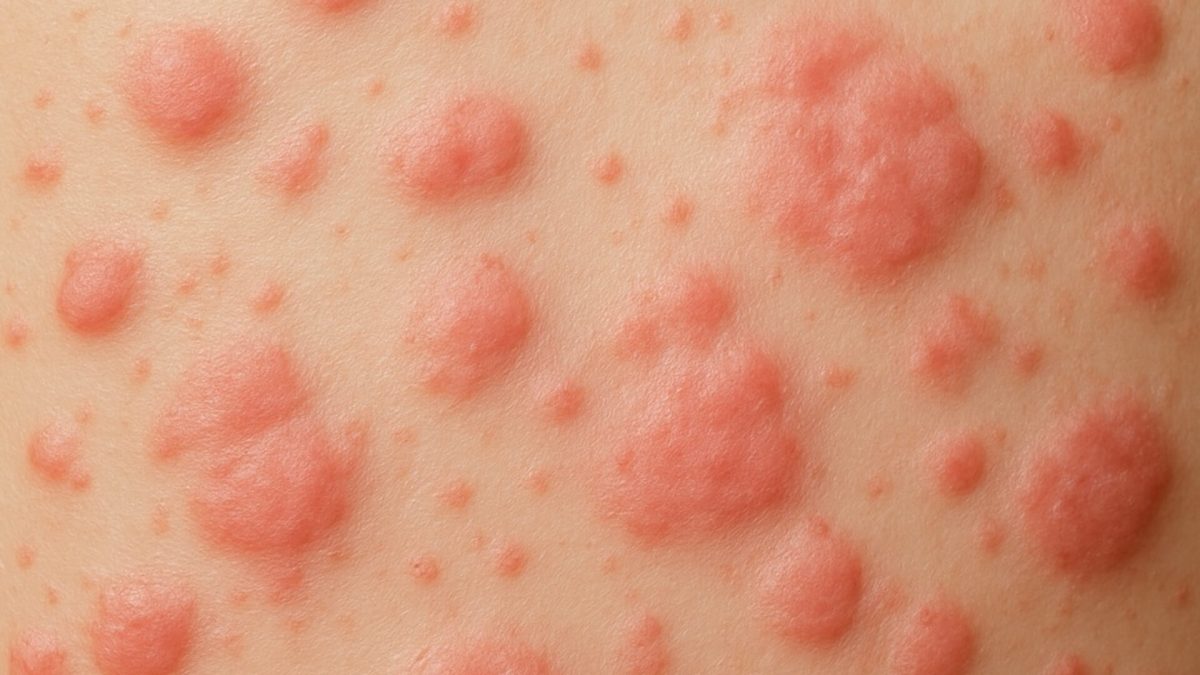
Hives create itchy raised welts that can disrupt comfort and daily ease. They appear when the immune system releases histamine, leading to swelling beneath the skin surface [1].
In this article we explore causes, symptom patterns, and ways to ease discomfort, helping readers recognise triggers and understand when to seek support.
Common Causes Of Hives
Hives arise from varied triggers that influence the immune response. Awareness of these patterns helps guide management and may reduce recurrence for many people.
| Cause | Description |
|---|---|
| Allergic reactions | Foods, medications, and stings can prompt rapid welts [2] |
| Infections | Viral or bacterial triggers often affect children [3] |
| Stress | Emotional stress may intensify symptoms for some [1] |
| Environmental factors | Cold, heat, sunlight, or pressure can provoke hives [4] |
| Chronic conditions | Long lasting symptoms may relate to autoimmune issues [5] |
Table 1: Common hives causes
Symptoms often vary with weather and individual sensitivity. Some hives resolve quickly, while others persist and require clinical review to guide treatment choices.
Types Of Hives
Different forms of hives have distinct triggers, influencing how symptoms are managed and how long they may last.
| Type | Characteristics |
|---|---|
| Acute urticaria | Short lasting welts linked to clear triggers [2] |
| Chronic urticaria | Persistent episodes often without a known cause [5] |
| Physical urticaria | Welts that appear after cold, heat, or pressure [4] |
| Dermatographism | Skin welts that form after firm stroking [1] |
Table 2: Types of hives
Understanding which type applies can help guide choices such as avoidance strategies or the use of antihistamines for symptom relief.
Soothing Relief For Hives
Cool compresses may ease swelling by gently calming the skin surface and reducing itch. This can offer short term comfort for many people [1].
Oatmeal baths may soothe irritation although evidence is limited. Moderate water temperature is recommended to avoid worsening any skin sensitivity [4].
Loose breathable clothing can support comfort by reducing friction. This is especially helpful for forms of physical urticaria that react to pressure [1].
Antihistamines remain the main form of over the counter support and may help ease itch and welts. Pharmacist guidance can ensure suitable selection [2].
Short term topical hydrocortisone may be used for select cases although caution is needed to avoid skin thinning with prolonged application [4].
When To See A Doctor Or Allergist
Severe hives with breathing difficulty, face swelling, or dizziness require immediate emergency care as they may reflect anaphylaxis. Call 999 or attend an emergency service [2].
Symptoms that last beyond six weeks may relate to chronic urticaria. An allergist can carry out tests to identify potential triggers and guide long term care [5].
Children may develop hives from infections or foods. If symptoms persist or swelling worsens, a paediatric review is recommended for safety and reassurance [3].
Conclusion
Hives can be uncomfortable, yet understanding triggers and using evidence based approaches such as antihistamines and soothing measures can help ease symptoms. When episodes are frequent or prolonged, professional input can offer clarity and support more consistent control.
If you would like personalised skincare shaped around your own needs, you can explore a custom formula through Monderma.
Content is for informational purposes only. Monderma treatments are prescribed following consultation. Results and timeframes can vary. Use as directed by your prescriber.
References
- Zuberbier T, Abdul Latiff AH, Abuzakouk M, et al. International Guideline for Urticaria. Allergy.
- Schaefer P. Acute and Chronic Urticaria. Am Fam Physician.
- Kolkhir P, Bonnekoh H, Metz M, Maurer M. Chronic Spontaneous Urticaria. JAMA.
- Bernstein JA, Lang DM, Khan DA, et al. Diagnosis and Management of Urticaria. J Allergy Clin Immunol.
- NICE. Urticaria Clinical Knowledge Summary.
Share this article if you found it helpful



More To Explore
Latest Articles For Your Skin
-
Understanding Pityriasis Rosea: Symptoms & Treatment
-
How To Spot Fake Skincare Products Online

-
CBD Skincare For Calming Redness & Irritation

-
How Fractional Laser Can Renew Damaged Skin
-
Wearable Sensors Used For Skin Condition Tracking

-
Ectoine: Skincare & Eye Care Barrier Protection

-
Baby Acne Myths & Facts Explained

-
Niels Ryberg Finsen: Pioneer Of UV Phototherapy

-
Allantoin Uses & Benefits For Daily Skincare

-
Chapped Lips: Causes & How To Treat Them