Monderma
- 17 Jun 2025
- Pageants shape beauty ideals
- Global contests influence culture
- Media amplifies changing norms
- Diversity reshapes expectations
- Confidence supported through Monderma
Beauty pageants have long influenced how people perceive beauty, and many readers recognise how these displays of culture and fashion shape identity across generations [1].
In this article we explore the origins of pageantry, its global rise, and its cultural influence, offering insight into how beauty ideals evolve within society.
Early Beginnings Of Beauty Contests
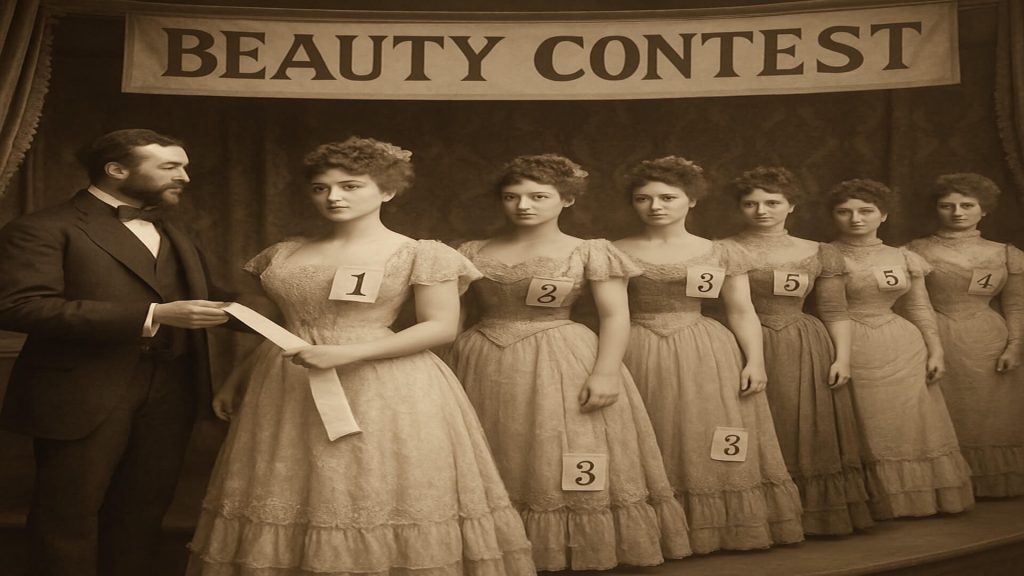
Ancient festivals often included contests focused on physical form, linking aesthetics with cultural values [1]. Later exhibitions in the nineteenth century formalised these events and widened their audience [2].
P T Barnum introduced an early American contest in 1854, reflecting interest in public displays of beauty [3]. By the 1920s, pageants such as Miss America helped build tourism while promoting elegance [4].
Rise Of International Pageantry
After the Second World War, international events such as Miss World and Miss Universe emerged as symbols of unity and cultural exchange [5,6]. Contestants represented their countries and participated in segments that assessed a wide range of qualities.
Modern competitions highlight intelligence and advocacy alongside appearance. Research shows that broader criteria influence how beauty queens act as role models and community advocates [7].
Cultural Implications Of Pageants
Pageants influence fashion, makeup, and body image. Media depictions have historically reinforced narrow beauty ideals, although representation is now widening to reflect diverse identities [8,9].
Promoting Diversity & Shifting Stereotypes
International platforms amplify voices from underrepresented communities, supporting social topics such as education and equality [10]. In some regions, pageantry has helped redefine national beauty expectations [11].
Pageantry & Social Change
Parallel contests during the civil rights era provided representation for excluded groups and promoted empowerment [12]. Beauty queens continue to highlight social causes, showing how pageantry connects with broader change [13].
Modern Pageantry Landscape
Television and social media have expanded pageantry’s reach, allowing wider engagement and participation [14]. Many competitions now value advocacy and cultural expression, helping align tradition with contemporary expectations [16].
Summary Of Pageant Influences
| Theme | Influence |
|---|---|
| Beauty Standards | Shapes trends and challenges narrow ideals [8,9]. |
| Representation | Expands visibility for diverse communities [10,11]. |
| Social Change | Connects public platforms with advocacy [12,13]. |
| Global Engagement | Media broadens cultural exchange [14]. |
Table 1: Key cultural influences of pageantry
Personalised Skincare & Confidence
Pageantry reflects shifting ideals that emphasise individuality and holistic beauty. Personalised skincare aligns with this approach by supporting skin health based on unique needs.
Monderma offers formulas that may support concerns such as acne, ageing skin, hyperpigmentation, or rosacea through evidence based prescription ingredients and tailored assessment.
Conclusion
Beauty pageants have influenced societal ideals of appearance, highlighting trends in fashion, self expression, and cultural identity. Their evolution demonstrates how perceptions of beauty adapt over time while celebrating individuality.
If you would like personalised skincare designed to support confidence and enhance your skin’s appearance, you can explore a tailored formula through Monderma.
Content is for informational purposes only. Monderma treatments are prescribed following consultation. Results and timeframes can vary. Use as directed by your prescriber.
References
- Oxford University Press. The Greeks
- University of Chicago Press. American Beauty
- Columbia University Press. P T Barnum
- McFarland & Company. Miss America history
- Blake Publishing. Miss World
- Journal of Popular Culture. Globalisation of beauty
- University of California Press. Beauty pageants and identity
- HarperCollins. Cultural views of beauty
- Asian Studies Review. Redefining beauty standards
- Oxford University Press. Beauty and race
- African Identities. Pageantry in South Africa
- University of North Carolina Press. Civil rights and beauty
- Oxford University Press. Pageants in academia
- International Journal of Communication. Media and global pageants
- HarperCollins. Beauty criticism
- Syracuse University Press. Gender and national identity
- Stanford University Press. Beauty diplomacy
Share this article if you found it helpful



More To Explore
Latest Articles For Your Skin
-
Understanding Pityriasis Rosea: Symptoms & Treatment

-
How To Spot Fake Skincare Products Online

-
CBD Skincare For Calming Redness & Irritation

-
How Fractional Laser Can Renew Damaged Skin

-
Wearable Sensors Used For Skin Condition Tracking

-
Ectoine: Skincare & Eye Care Barrier Protection
-
Baby Acne Myths & Facts Explained

-
Niels Ryberg Finsen: Pioneer Of UV Phototherapy

-
Allantoin Uses & Benefits For Daily Skincare

-
Chapped Lips: Causes & How To Treat Them