 Monderma
- 03 Mar 2025
- Glycolic acid supports brighter skin
- Helps reduce dark marks over time
- Renews surface layers for clarity
- Improves signs of sun exposure
- Monderma supports glycolic care choices
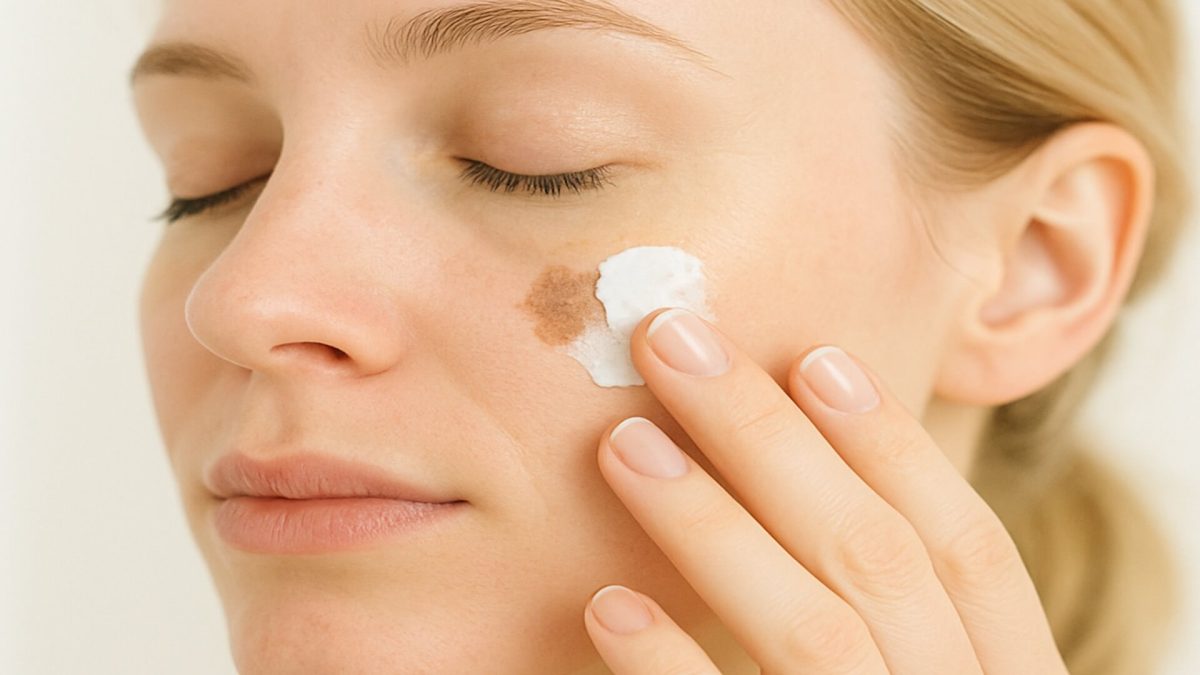
Uneven tone and dark spots are common concerns for those seeking a brighter complexion. Glycolic acid for pigmentation offers exfoliation that supports smoother, more radiant looking skin.
This article explains how glycolic acid benefits pigmentation by renewing the surface layers, improving clarity, and supporting texture through evidence described in clinical studies [1–4].
Understanding Glycolic Acid
Glycolic acid is an alpha hydroxy acid AHA derived from sugarcane. Its small size allows effective exfoliation, helping remove surface dullness and supporting a brighter, more even skin tone.
How Glycolic Acid Works
As a chemical exfoliant, glycolic acid loosens bonds between dead cells to support renewal. Clinical work reports improvement in post inflammatory hyperpigmentation with glycolic acid peels in darker skin types [1].
Key Benefits For Pigmentation
| Benefit | Key Effect |
|---|---|
| Skin brightening | Enhances clarity and radiance |
| Fade dark spots | Supports renewal of uneven tone |
| Sun damage | Helps improve visible photodamage |
| Product support | Helps prepare skin for other care |
Table 1: Core glycolic acid benefits
Skin Brightening
Glycolic acid helps brighten the skin by removing dull surface cells. Research shows that glycolic acid at pH 4 can support collagen production and renewal in human skin models [2].
Reducing Hyperpigmentation
Glycolic acid supports renewal that helps fade dark marks and uneven tone. Studies report that glycolic acid peels at higher strengths can reduce melasma and post inflammatory hyperpigmentation safely [3].
Combating Sun Damage
UV exposure contributes to dark marks and visible ageing. Glycolic acid helps improve signs of sun related changes by renewing surface layers and supporting firmness through collagen effects [4].
Enhancing Other Products
Alpha hydroxy acids AHAs clear surface cells, helping prepare the skin for moisturisers and complementary products. Renewal supports texture, although direct evidence for deeper absorption remains limited [4].
Choosing A Suitable Product
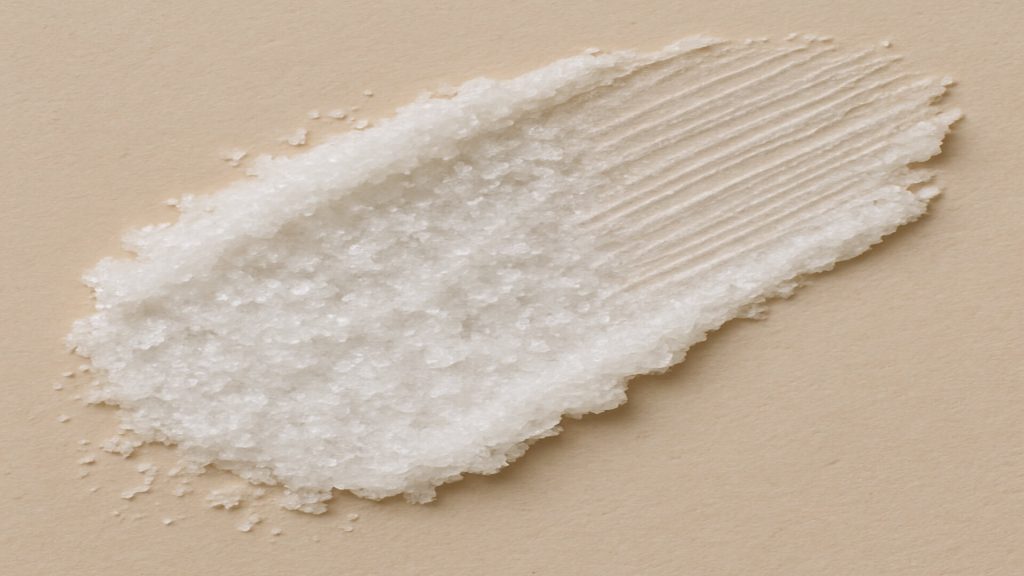
A glycolic acid serum at 5-10% strength offers targeted exfoliation for daily routines. Cleansers with alpha hydroxy acids AHAs help maintain radiance for those seeking gentle support.
Adding Glycolic Acid To A Routine
Start slowly to maintain comfort, especially for those with sensitive or acne prone skin. Evening use is often preferred, followed by hydrating care to support the skin barrier.
Avoid pairing glycolic acid with other alpha hydroxy acids AHAs or potent actives to reduce irritation risk.
Personalised Skincare Support
Monderma provides personalised prescription skincare for concerns including pigmentation, acne prone skin, and signs of ageing. Treatments include dermatologist led actives tailored to individual goals.
Comparing Exfoliating Acids
Understanding differences between acids helps match products to skin needs.
| Acid | Best For |
|---|---|
| Glycolic acid | Dark spots and uneven tone |
| Lactic acid | Mild renewal for dry skin |
| Salicylic acid | Congested or oily areas |
Table 2: Exfoliating acid overview
Safe Use Guidance
A gentle introduction helps maintain the skin barrier. Starting with lower strengths, applying sunscreen daily, and supporting hydration can enhance clarity while reducing sensitivity.
Conclusion
Glycolic acid, an alpha hydroxy acid AHA, supports brighter skin by promoting exfoliation and renewal. Studies highlight benefits for uneven tone, post inflammatory hyperpigmentation, and visible sun changes [1–4]. When used safely, glycolic acid products can improve clarity and texture across skin types.
Those wishing to tailor their approach can find support through our expert skincare consultation, which connects individuals with pharmacist led guidance.
Content is for informational purposes only. Monderma treatments are prescribed following consultation. Results and timeframes can vary. Use as directed by your prescriber.
References
- Burns RL, Prevost Blank PL, Lawry MA, Lawry TB, Faria DT, Fivenson DP. Glycolic Acid Peels For Postinflammatory Hyperpigmentation. Dermatologic Surgery. 1997.
- Narda M, Trullas C, Brown A, Piquero Casals J, Granger C, Fabbrocini G. Glycolic Acid Adjusted To pH 4 Stimulates Collagen Production. Journal Of Cosmetic Dermatology. 2021.
- Javaheri SM, Handa S, Kaur I, Kumar B. Glycolic Acid Facial Peel In Melasma. International Journal Of Dermatology. 2001.
- Ditre CM, Griffin TD, Murphy GF, Sueki H, Telegan B, Johnson WC, Yu RJ, Van Scott EJ. Effects Of Alpha Hydroxy Acids On Photoaged Skin. Journal Of The American Academy Of Dermatology. 1996.
Join the Newsletter
Insights that make your skin feel understood
Share this article if you found it helpful



More To Explore
Latest Articles For Your Skin
-
Understanding Pityriasis Rosea: Symptoms & Treatment
-
How To Spot Fake Skincare Products Online
-
CBD Skincare For Calming Redness & Irritation
-
How Fractional Laser Can Renew Damaged Skin
-
Wearable Sensors Used For Skin Condition Tracking

-
Ectoine: Skincare & Eye Care Barrier Protection
-
Baby Acne Myths & Facts Explained

-
Niels Ryberg Finsen: Pioneer Of UV Phototherapy

-
Allantoin Uses & Benefits For Daily Skincare
-
Chapped Lips: Causes & How To Treat Them