 Monderma
- 06 Jun 2025
- Freckle creams need proven actives
- No cream fades marks instantly
- Natural agents can reduce pigment
- Lasers offer faster improvements
- Monderma offers fading topicals
Freckles are common sun induced marks that many wish to soften for a more even tone, especially when they darken after sun exposure. Their behaviour often varies with season and skin type.
In this article the myths and facts surrounding freckle removal cream are explored to help clarify which methods deliver meaningful results and what individuals can expect over time.
What Are Freckles?
Freckles are small flat marks that appear on skin exposed to the sun, especially in lighter tones although all skin types can develop them. They arise from increased melanin at the surface.
Their colour ranges from red to brown and they usually deepen with sun exposure before softening again in winter. Freckles are hereditary and harmless, yet many seek pigmentation creams to support an even tone.
Myth 1: All Freckle Creams Are Alike
Not all creams contain actives proven to reduce pigmentation. Some feature hydroquinone, kojic acid, or glycolic acid which limit melanin or exfoliate layers of the skin [1]. Others are simple moisturisers with limited effect.
The best cream for pigmentation should contain validated ingredients and suitable support for the skin. The NHS advises using appropriate sun protection and seeking guidance for persistent concerns [5].
Myth 2: Freckle Creams Work Overnight
No pigmentation cream provides instant results. Evidence shows agents like retinoids or glycolic acid require eight to twelve weeks to soften marks [2]. Skin renewal follows natural cycles that need time.
Consistency is essential since missed applications slow progress. Using freckle removal cream together with methods to protect the skin from UV rays supports visible improvement.
Myth 3: Natural Ingredients Are Ineffective
Liquorice extract with liquiritin, vitamin C, and niacinamide demonstrate pigment reducing properties supported by research [3]. These ingredients soothe the skin and can be paired with glycolic acid for stronger results.
Such combinations help create pigmentation removal cream that suits sensitive or dark skin while supporting long term tolerance.
Myth 4: Creams Are The Only Option
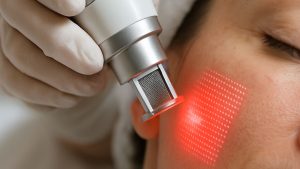
Topical creams are helpful yet other treatments exist. Laser therapy can break down melanin at speed although several sessions may be required [4]. Chemical peels containing glycolic acid or microdermabrasion also renew the layers of the skin effectively.
Combining cream with procedures often helps those asking how to get rid of freckles reach their goals faster when guided by a dermatologist.
Myth 5: Freckles Cannot Be Prevented
Genetics play a role but sun exposure strongly influences freckles. The NHS recommends SPF thirty daily to protect the skin [5]. Antioxidant serums further reduce the impact of UV exposure.
Hats and shade support long term tone maintenance across varied skin types.
Choosing The Right Freckle Cream
Selecting the best cream for pigmentation involves checking for proven actives like hydroquinone or glycolic acid supported by clinical evidence [2]. Dark or sensitive skin often requires gentler formulations.
Feedback from others can help guide choices and dermatologists can advise when creams or treatments like lasers may be appropriate. Monderma’s personalised custom formula includes hydroquinone as a core ingredient for targeted pigmentation care.
Conclusion
Freckle removal creams can help soften pigmentation when used consistently and combined with sun protection and supportive treatments such as glycolic acid or laser options. Understanding how these creams work allows for more realistic expectations and steadier progress.
If you would like personalised skincare designed around your own needs, you can explore a custom formula through Monderma.
Content is for informational purposes only. Monderma treatments are prescribed following consultation. Results and timeframes can vary. Use as directed by your prescriber.
References
- Arndt KA, Fitzpatrick TB. Topical Use of Hydroquinone as a Depigmenting Agent. JAMA. 1965.
- Sarkar R, et al. Comparative Study of Glycolic Acid and Other Peels. J Cutaneous Aesthetic Surgery. 2019.
- Kang MH, et al. Antioxidant and Anti Melanogenic Activities of Heat Treated Licorice Extract. PMC. 2021.
- Leeds Teaching Hospitals NHS Trust. Laser Treatment.
- NHS Lincolnshire ICB. Sun Safety This Summer.
Share this article if you found it helpful



More To Explore
Latest Articles For Your Skin
-
Understanding Pityriasis Rosea: Symptoms & Treatment
-
How To Spot Fake Skincare Products Online
-
CBD Skincare For Calming Redness & Irritation
-
How Fractional Laser Can Renew Damaged Skin
-
Wearable Sensors Used For Skin Condition Tracking

-
Ectoine: Skincare & Eye Care Barrier Protection
-
Baby Acne Myths & Facts Explained

-
Niels Ryberg Finsen: Pioneer Of UV Phototherapy
-
Allantoin Uses & Benefits For Daily Skincare
-
Chapped Lips: Causes & How To Treat Them