 Monderma
- 25 May 2025
- Fungal acne stems from yeast
- It differs from acne vulgaris
- Heat and sweat increase flares
- Antifungals support clearer skin
- Monderma personalises treatment
Fungal acne can feel confusing because the bumps look similar to regular acne yet behave differently. It often develops in warm areas where yeast becomes active.
In this article we explore what fungal acne is, how to recognise it, and which treatments support comfort and clarity by targeting the yeast inside follicles.
What Is Fungal Acne?
Fungal acne is an infection of hair follicles caused by Malassezia species such as Malassezia globosa and Malassezia furfur, which can multiply within follicles [1].
Unlike acne vulgaris, which forms when oil and debris block pores, fungal acne appears when yeast grows excessively and irritates the follicle lining [2].
It is often mistaken for acne vulgaris because both conditions produce similar bumps, but fungal acne needs different treatments for meaningful improvement [3].
Around 28.8% of people diagnosed with acne vulgaris may also have fungal acne or a mixed pattern, showing the importance of careful diagnosis before treatment [4].
Standard acne medicines such as antibiotics may worsen fungal acne by upsetting the skin microbiome and encouraging further yeast activity [5].
Dermatologists often confirm fungal acne through methods such as skin scraping or potassium hydroxide examination, which help guide targeted and effective care [1].
Symptoms Of Fungal Acne
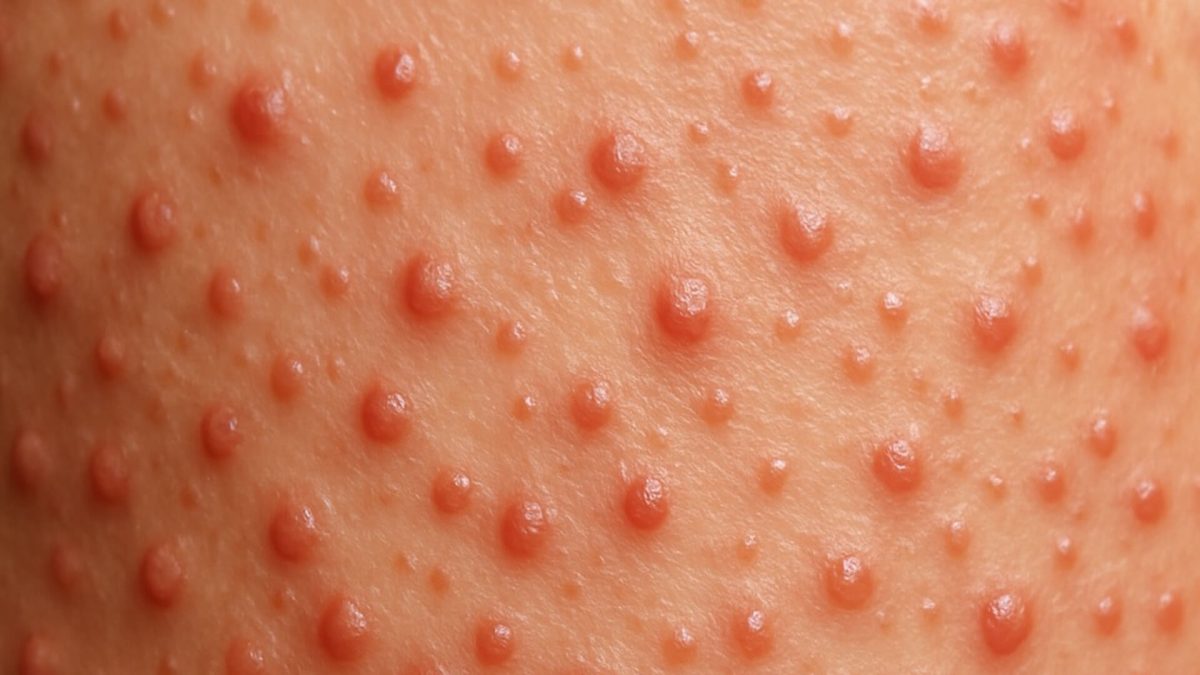
Fungal acne often appears as small, uniform, itchy bumps across the chest, back, shoulders, and sometimes the face. Warm, humid conditions usually make symptoms more noticeable [2].
Unlike acne vulgaris, fungal acne does not form comedones. The bumps are monomorphic, meaning similar in size and shape, usually between one and two millimetres [3,4].
| Characteristic | Fungal Acne |
|---|---|
| Appearance | Small, uniform, itchy papules or pustules |
| Itchiness | Common in around 65% of cases [6] |
| Location | Chest, back, shoulders, face |
| Response to Antibiotics | May worsen |
Table 1: Key features of fungal acne
| Characteristic | Acne Vulgaris |
|---|---|
| Appearance | Varied pimples including comedones and cysts |
| Itchiness | Rare |
| Location | Face, chest, back |
| Response to Antibiotics | Often improves |
Table 2: Key features of acne vulgaris
Identifying these patterns early helps direct treatment choices. If symptoms persist, a dermatologist can confirm the diagnosis with simple and reliable tests [1].
Causes Of Fungal Acne
Fungal acne develops when conditions allow yeast to grow more than usual. Heat, sweat, and friction increase risk by creating a warm and moist environment within follicles.
| Cause | Description |
|---|---|
| Humidity and Sweating | Warm, moist conditions encourage yeast growth [2] |
| Tight Clothing | Non breathable fabrics trap moisture [2] |
| Diet | Higher sugar intake may influence yeast levels, though evidence is limited [6] |
| Immunosuppression | Conditions such as diabetes increase susceptibility [1] |
| Antibiotic Use | Disrupted skin flora allows yeast to multiply [5] |
Table 3: Common causes of fungal acne
Simple steps such as lighter clothing and mindful skincare can reduce exposure to these triggers.
How To Treat Fungal Acne
Fungal acne improves with treatments that reduce yeast levels and calm inflammation. A targeted approach supports clearer and more comfortable skin.
Over The Counter Treatments
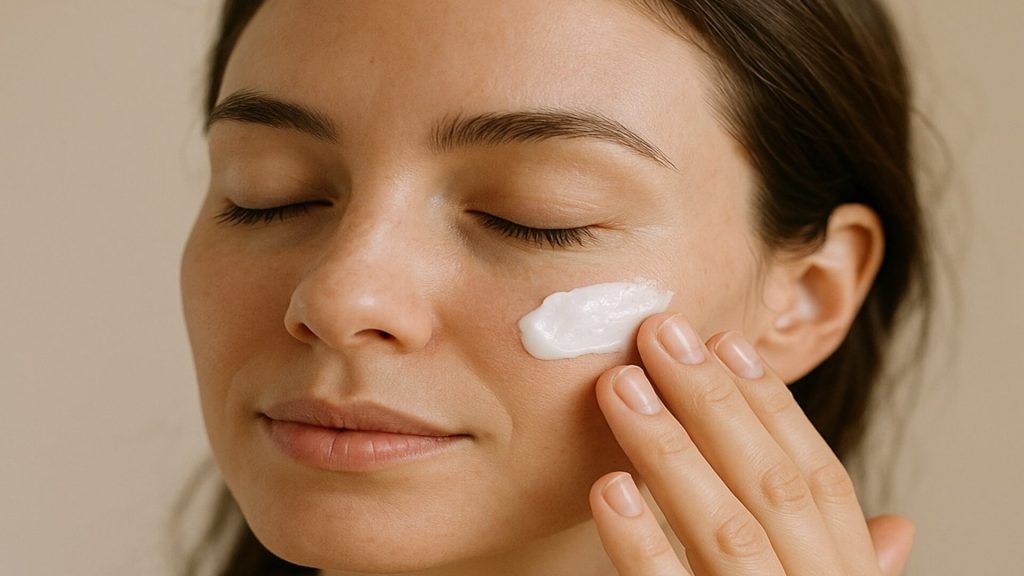
Antifungal creams containing ketoconazole, clotrimazole, or miconazole help mild fungal acne by reducing yeast activity. Ketoconazole shampoo may also support improvement [6].
Sulphur based soaps or washes may assist with calming the skin, although evidence specific to fungal acne is limited. They may still complement a wider care routine [6].
Salicylic acid helps exfoliate dead skin cells and reduce blockage within pores. While it does not treat yeast directly, it can support overall clarity [2].
Some sources advise leaving antifungal products on the skin briefly before rinsing, though this varies and depends on individual tolerance and clinical guidance [7].
Prescription Treatments
Oral antifungals such as fluconazole or itraconazole support more persistent fungal acne. Many people notice meaningful improvement after supervised short courses [6].
Itraconazole may be selected for its strong effect, while fluconazole may be preferred for those needing a gentler side effect profile [1].
Prescription strength topical antifungals help with stubborn areas that do not respond fully to over the counter approaches [2].
Oral antifungals penetrate deep into follicles and help treat widespread cases affecting large body areas, such as the back or chest [1].
Because some oral antifungals can affect liver function, medical supervision ensures safe and effective use throughout treatment [6].
Lifestyle Changes
Daily habits can reduce flare ups and help treatments work more effectively by lowering moisture, friction, and heat on the skin.
| Change | Action | Benefit |
|---|---|---|
| Breathable Fabrics | Wear cotton or moisture wicking clothing [2] | Reduces moisture that encourages yeast |
| Post Exercise Hygiene | Shower soon after sweating [6] | Prevents yeast buildup on warm skin |
| Dietary Adjustments | Reduce sugar and refined carbohydrates [6] | May help stabilise internal yeast levels |
Table 4: Helpful lifestyle changes
Small routine adjustments can strengthen overall results and reduce recurrence, especially during warmer seasons.
Minimising Fungal Acne
Daily skincare helps maintain balance and reduces the chance of recurrence. Consistency supports long term clarity.
Gentle cleansing twice daily helps maintain skin balance without stripping natural oils [2]. Oil free moisturisers reduce pore burden and support comfort [6]. Exfoliating once or twice weekly with a beta hydroxy acid helps prevent buildup that may irritate follicles [2].
Changing clothes soon after exercise reduces moisture on the skin [6]. A balanced diet may support internal steadiness. Dermatology visits offer early guidance and reassurance, especially when symptoms fluctuate [2].
Reduction Strategies
| Strategy | Key Action | Purpose |
|---|---|---|
| Skincare Routine | Gentle cleansing, oil free products, weekly exfoliation | Maintains balance and prevents buildup |
| Personal Habits | Change clothes post exercise, balanced diet, dermatologist visits | Reduces moisture, supports yeast control, ensures early review |
Table 5: Prevention strategies
When To Visit A Dermatologist?
If fungal acne persists despite early care or becomes uncomfortable, a dermatologist can assess whether fungal acne, acne vulgaris, or both are present [1].
Early confirmation helps guide suitable treatments and prevents prolonged discomfort by addressing the exact cause of the bumps [2].
Conclusion
Fungal acne can improve with treatments that target yeast overgrowth, support the skin barrier, and reduce triggers that contribute to recurrent outbreaks. Understanding its symptoms and causes helps create a clearer path toward steadier, more comfortable skin.
If you would like personalised skincare designed around your own needs, you can explore a custom formula through Monderma.
Content is for informational purposes only. Monderma treatments are prescribed following consultation. Results and timeframes can vary. Use as directed by your prescriber.
References
- Vest BE, Krauland K. Malassezia Furfur. StatPearls Publishing.
- Rubenstein RM, Malerich SA. Malassezia Folliculitis. J Clin Aesthet Dermatol.
- Prindaville B, Belazarian L, Levin NA, Wiss K. Pityrosporum Folliculitis. J Am Acad Dermatol. 2018.
- Pongprutthipan M, Pithukpakorn M, Srisuk W, et al. Malassezia Folliculitis in Patients with Acne Vulgaris. Clin Cosmet Investig Dermatol. 2022.
- Durdu M, Güran M, Ilkit M. Epidemiological Characteristics of Malassezia Folliculitis. Diagn Microbiol Infect Dis. 2013.
- Ayers K, Sweeney SM, Wiss K. Diagnosis and Management in Adolescents. Arch Pediatr Adolesc Med. 2005.
- NICE. Acne Vulgaris: Management. NG198.
- Zaenglein AL, Pathy AL, Schlosser BJ, et al. Guidelines of Care for Acne Vulgaris. J Am Acad Dermatol. 2016.
Share this article if you found it helpful



More To Explore
Latest Articles For Your Skin
-
Understanding Pityriasis Rosea: Symptoms & Treatment
-
How To Spot Fake Skincare Products Online
-
CBD Skincare For Calming Redness & Irritation

-
How Fractional Laser Can Renew Damaged Skin
-
Wearable Sensors Used For Skin Condition Tracking

-
Ectoine: Skincare & Eye Care Barrier Protection
-
Baby Acne Myths & Facts Explained

-
Niels Ryberg Finsen: Pioneer Of UV Phototherapy
-
Allantoin Uses & Benefits For Daily Skincare
-
Chapped Lips: Causes & How To Treat Them