 Monderma
- 24 Feb 2025
- Itchy bumps form around follicles
- Barrier weakness increases flare risk
- Moisturisers support daily comfort
- Steroids ease acute inflammation
- Early care improves outcomes at Monderma
Follicular eczema is a form of atopic dermatitis that creates small, itchy bumps around hair follicles. It can resemble acne, which makes early recognition helpful for clearer skin management [11].
This article explains the causes, symptoms, and treatments that support comfort, reduce flares, and help people understand how to care for their skin with calm, reassuring guidance.
What Is Follicular Eczema
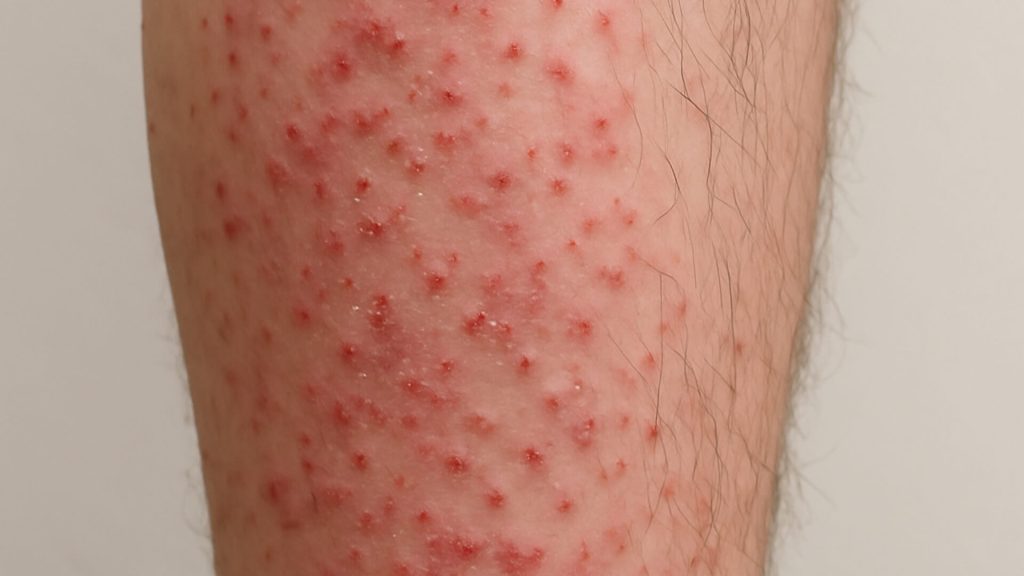
Follicular eczema affects the hair follicles and presents as small, itchy bumps that may appear on the arms, scalp, back, and legs. It is more common in darker skin tones [1,2,11].
These bumps are often confused with acne or folliculitis, although the follicular pattern and background dryness help identify this as a type of atopic dermatitis.
Symptoms Of Follicular Eczema
People with follicular eczema often notice small red or flesh coloured bumps around hair follicles. These may cluster in patches and feel particularly itchy or sensitive.
Dryness surrounds many affected follicles and may worsen without consistent moisturising. Secondary infection can lead to pus filled bumps in some cases [9,10].
| Symptom | Description |
|---|---|
| Small bumps | Clusters of red or flesh coloured bumps around follicles |
| Itching or tenderness | Persistent itching or local tenderness in affected areas |
| Dry flaky skin | Dryness and flaking around irritated follicles |
| Pus filled blisters | Blisters may appear when infection is present [9,10] |
Table 1: Common symptoms
Causes Of Follicular Eczema
Many factors contribute to follicular eczema, and understanding these triggers helps guide prevention and treatment for long term comfort.
| Cause | Summary |
|---|---|
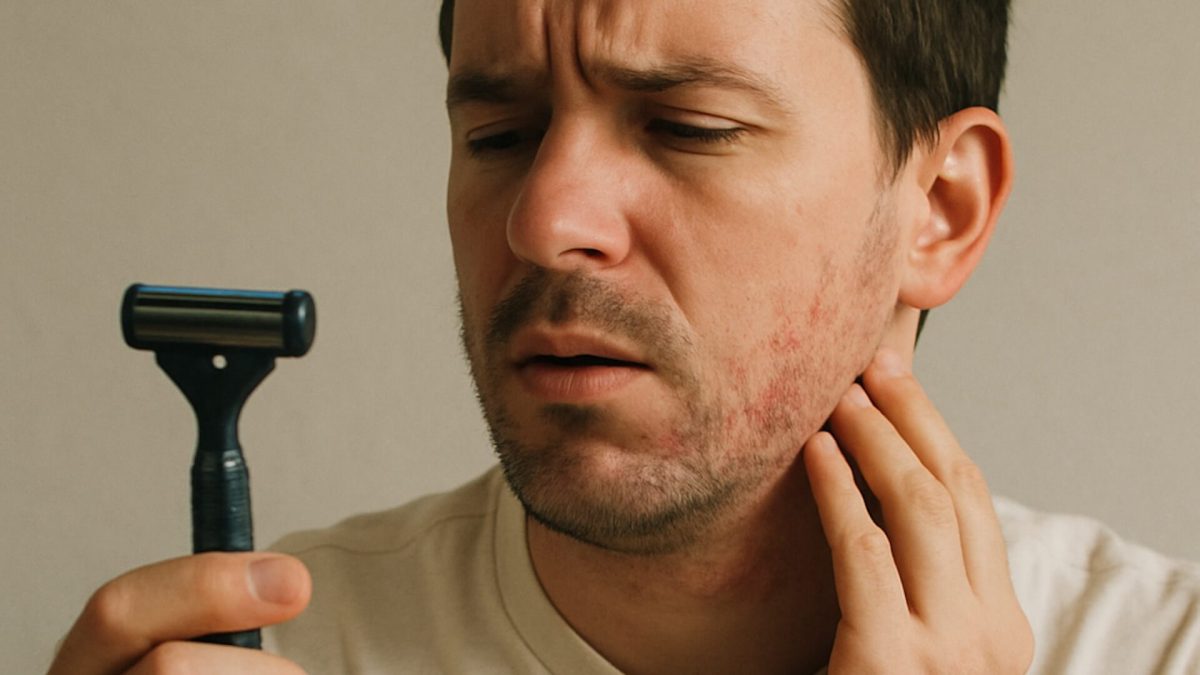
| Damaged follicles | Shaving or friction can irritate follicles [11,13] |
| Allergens or irritants | Soaps, detergents, and fragrances weaken the barrier [4,12] |
| Genetic tendency | Filaggrin mutations impair barrier strength [5,8] |
| Immune response | Overactive immune activity increases inflammation [6] |
Table 2: Main causes
How Diagnosis Is Made
A dermatologist usually diagnoses follicular eczema through a visual examination and medical history. The follicular pattern is distinct and often allows confident diagnosis.
Biopsy is rarely required, although if used it may show typical eczema features such as spongiosis, which are supportive but nonspecific [10,11].
Treatment Options
Many treatments support control of follicular eczema symptoms and help reduce the frequency of flares when used consistently.
Topical Treatments
Corticosteroid creams reduce inflammation and are used based on severity. Mild to moderate strengths are first line under guidance from clinical recommendations [7].
Moisturisers strengthen the barrier when used daily, even between flare ups. Regular use supports comfort and reduces dryness over time [6].
Antibiotic creams are helpful only when small local infections are present. They should be used short term to avoid antimicrobial resistance [9].
Oral Treatments
Antihistamines are not routinely recommended, although sedating forms may help when night time itch disrupts sleep [7,14].
Oral antibiotics are reserved for widespread bacterial infection. Immunosuppressants may be used for severe cases under specialist care [3,7].
Lifestyle Measures
Avoiding irritants supports the skin barrier. Patch testing may help identify allergens that contribute to flare ups [4,12].
Moisturising after bathing helps retain water in the skin, and wearing cotton clothing reduces friction that may irritate follicles [6,11].
Stress can influence eczema activity. Techniques such as mindfulness or cognitive therapy may help stabilise symptoms over time [14].
| Treatment Option | Summary |
|---|---|
| Topical treatments | Corticosteroids, moisturisers, and short term antibiotics |
| Oral medications | Antihistamines, antibiotics, or immunosuppressants |
| Lifestyle support | Avoid irritants, moisturise, and manage stress |
Table 3: Treatment overview
When To Seek Medical Care
Seek medical advice if symptoms do not improve with moisturisers or over the counter treatments, or if flare ups occur frequently or affect large areas.
Signs of infection such as oozing, swelling, heat, pain, or fever require prompt review. Specialist referral is recommended when symptoms persist despite correct topical care [7].
Monderma Prescription Support
Monderma provides tailored prescription skincare to help manage conditions linked with eczema and sensitivity. GPhC registered prescribers create personalised plans that support comfort and barrier strength.
Our formulations combine evidence based active ingredients in a gentle vegan base designed to support clarity, hydration, and long term skin resilience.
Conclusion
Follicular eczema is a form of atopic dermatitis that affects the hair follicles and benefits from early recognition, steady moisturising, and appropriate medical care [1,2,11]. Understanding triggers, supporting the skin barrier, and seeking guidance when symptoms persist can help maintain calm, predictable control over time.
If you would like support tailored to your own skin needs, you can explore a personalised formula through Monderma.
Content is for informational purposes only. Monderma treatments are prescribed following consultation. Results and timeframes can vary. Use as directed by your prescriber.
References
- Sangha AM. Dermatological Conditions In Skin Of Color. J Clin Aesthet Dermatol.
- Silverberg NB. Follicular Eczema And Accentuation. J Am Acad Dermatol.
- Chen M, Gao K, Ali K, et al. Dupilumab And Staphylococcus Aureus Infection. Front Med.
- National Eczema Association. Eczema Causes And Triggers. National Eczema Association.
- van den Oord RAHM, Sheikh A. Filaggrin Gene Defects. BMJ.
- NHS. Atopic Eczema Causes. NHS.
- NICE. Atopic Eczema Diagnosis And Management. NICE.
- McLean WHI. Filaggrin Failure. Br J Dermatol.
- Eczema Society UK. Skin Infections And Eczema. Eczema Society UK.
- DermNet. Complications Of Atopic Dermatitis. DermNet.
- Healthline. Follicular Eczema Overview. Healthline.
- National Eczema Association. Eczema Triggers. National Eczema Association.
- Cleveland Clinic. Atopic Dermatitis Care. Cleveland Clinic.
- National Eczema Association. Managing Eczema And Stress. National Eczema Association.
Join the Newsletter
Insights that make your skin feel understood
Share this article if you found it helpful



More To Explore
Latest Articles For Your Skin
-
Understanding Pityriasis Rosea: Symptoms & Treatment
-
How To Spot Fake Skincare Products Online
-
CBD Skincare For Calming Redness & Irritation

-
How Fractional Laser Can Renew Damaged Skin
-
Wearable Sensors Used For Skin Condition Tracking

-
Ectoine: Skincare & Eye Care Barrier Protection

-
Baby Acne Myths & Facts Explained

-
Niels Ryberg Finsen: Pioneer Of UV Phototherapy
-
Allantoin Uses & Benefits For Daily Skincare

-
Chapped Lips: Causes & How To Treat Them