 Monderma
- 02 May 2025
- Ellagic acid reduces oxidative stress
- It helps defend skin from free radicals
- It may support collagen and firmness
- It can ease inflammation in early data
- Learn how it fits with Monderma care
Ellagic acid supports skin against daily stress from environment and lifestyle, which can influence how radiant and balanced it appears. Many people explore antioxidant options to maintain skin vitality over time.
In this article, you will learn how ellagic acid works, how it may support the skin, and how to introduce it into your routine in simple, effective ways.
What Is Ellagic Acid?
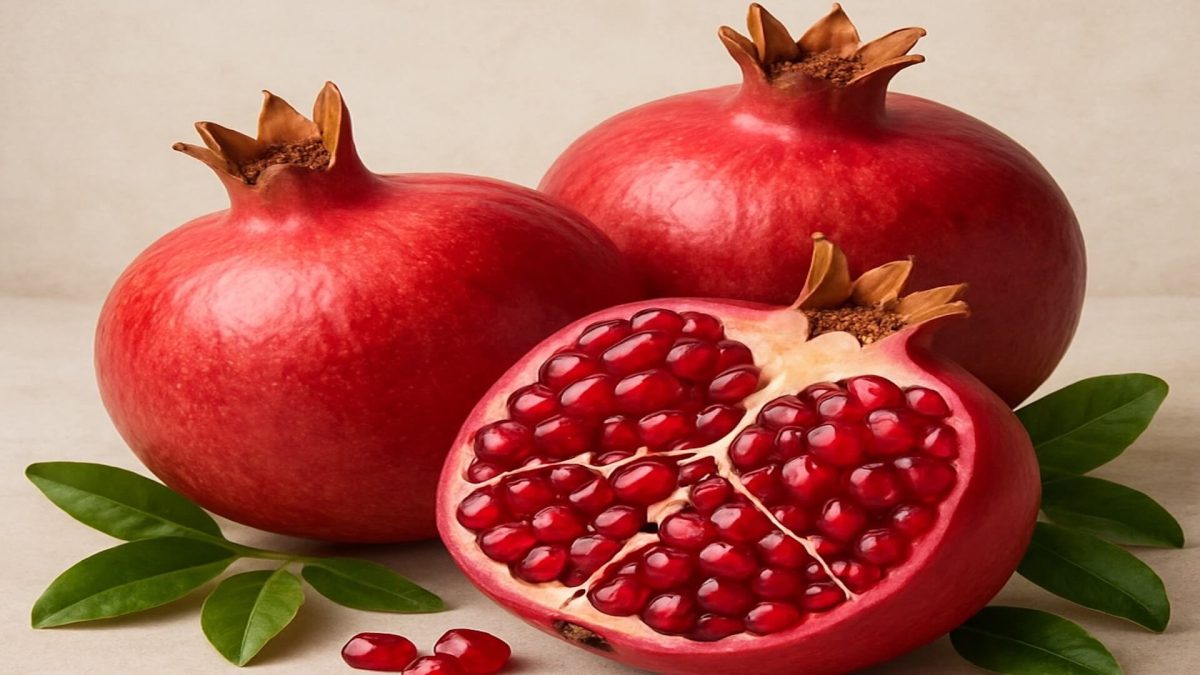
Ellagic acid is a plant based compound found in fruits, nuts, and teas. It acts as an antioxidant that supports cells against unstable molecules linked with ageing and skin dullness [1].
How Ellagic Acid Works
Ellagic acid helps neutralise free radicals that can weaken skin structure. It interacts with these molecules and supports natural defences that influence firmness, tone, and comfort [2,3].
Ellagic Acid Benefits
| Benefit | Description |
|---|---|
| Antioxidant Effects | Helps reduce oxidative stress linked with visible ageing [1,2]. |
| Skin Health | May support elasticity and ease pigmentation in early models [2,5]. |
| Anti Inflammatory Effects | Helps ease inflammatory markers in preclinical and early clinical data [3,6]. |
| Cardiovascular Health | May support vessel function in limited studies [3,4]. |
| Immune Support | Helps support defence processes through antioxidant action [1,2]. |
Table 1: Key ellagic acid benefits
Antioxidant Support
Ellagic acid supports skin by reducing oxidative stress. Research shows it slows lipid oxidation in laboratory models, which helps protect cell structure over time [4].
Skin Health Support
It may help maintain elasticity and support a smooth appearance. Early studies suggest it slows collagen breakdown and may influence pigmentation pathways in models [5].
Anti Inflammatory Properties
Early evidence suggests ellagic acid may ease inflammation markers, such as interleukin 6, which supports overall wellbeing in relevant contexts [6].
Cardiovascular Support
Some early studies indicate potential support for circulation, although human data remain limited. Including foods rich in ellagic acid may offer general wellness support [3,4].
Immune Balance
Its antioxidant activity may support the body’s natural defences. While direct evidence is still limited, studies show reduced oxidative stress can influence immune pathways [2].
Ways To Use Ellagic Acid
| Method | Details |
|---|---|
| Dietary Sources | Fruits, nuts, and teas contain natural ellagic acid [1]. |
| Supplements | Useful when dietary intake is low, with varied strengths [7]. |
| Skincare Products | Antioxidant serums may support tone and texture [5]. |
Table 2: How to include ellagic acid
Dietary Sources
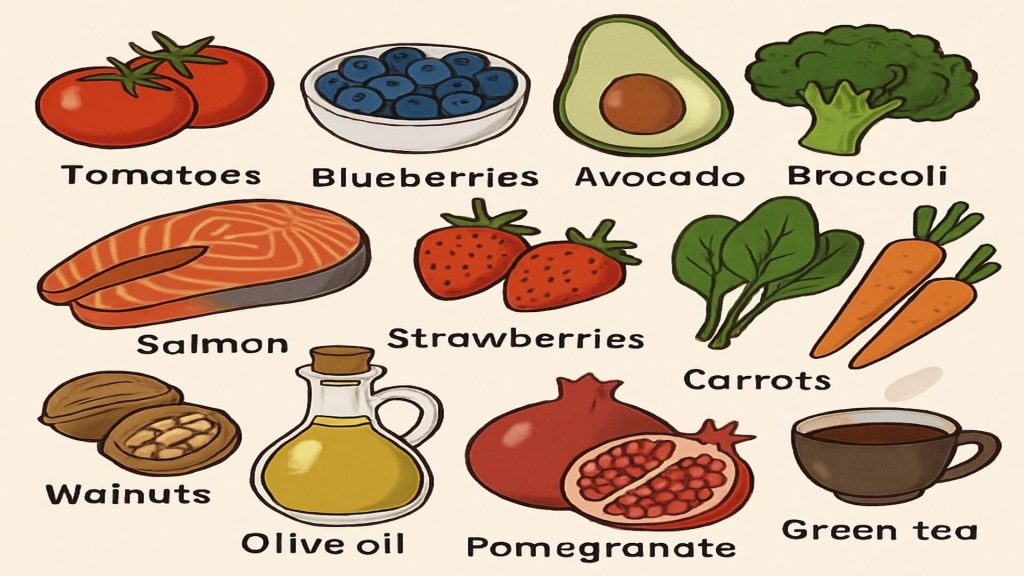
Pomegranates, berries, walnuts, and green tea offer natural ellagic acid along with other nutrients that support overall skin health [1,7].
Antioxidant Supplements
Supplements may help when intake from food is low. Strength varies between brands. It is best to seek advice before starting new supplements, particularly with health conditions [7].
Skincare Products
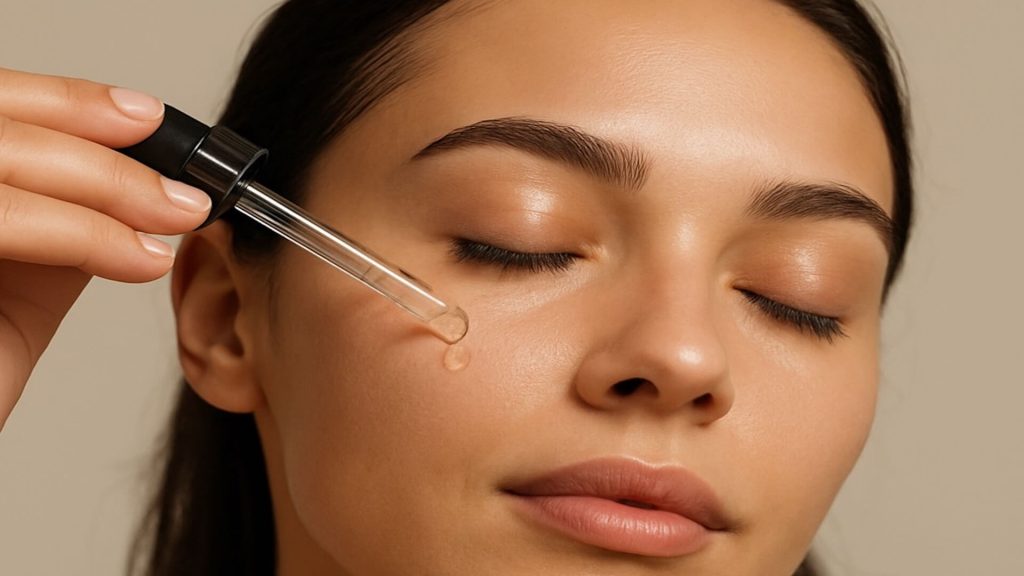
Serums or creams may help support tone and texture. Ellagic acid often appears with moisturising ingredients such as hyaluronic acid for balanced hydration [5].
Possible Side Effects & Precautions
Dietary ellagic acid is generally well tolerated, though supplements may cause mild stomach discomfort in some people. Patch testing skincare products is advisable for sensitive skin [7].
Conclusion
Ellagic acid offers antioxidant support that may help maintain skin comfort, radiance, and resilience. Including it through diet, supplements, or skincare can contribute to a smoother and more balanced appearance over time.
If you would like personalised skincare that reflects your own needs, you can explore a custom formula through Monderma.
Content is for informational purposes only. Monderma treatments are prescribed following consultation. Results and timeframes can vary. Use as directed by your prescriber.
References
- Ajmera R. Ellagic Acid: What It Is, How It Works, and Food Sources.
- Sharifi Rad J, Quispe C, Castillo CMS, et al. Ellagic Acid: Natural Sources, Chemical Stability, and Therapeutic Potential. Oxidative Medicine and Cellular Longevity. 2022.
- Marín M, Giner RM, Ríos JL, Recio MC. Intestinal Anti Inflammatory Activity of Ellagic Acid in Colitis Models. Journal of Ethnopharmacology. 2013.
- Kilic I, Yeşiloğlu Y, Bayrak Y. Spectroscopic Studies on the Antioxidant Activity of Ellagic Acid. Spectrochimica Acta Part A. 2014.
- Bae JY, Choi JS, Kang SW, et al. Ellagic Acid and Skin Wrinkle Reduction in UV Models. Experimental Dermatology. 2010.
- Ghadimi M, Foroughi F, Hashemipour S, et al. Effects of Ellagic Acid on Glycaemic and Inflammatory Factors. Phytotherapy Research. 2021.
- WebMD. Ellagic Acid: Uses and Safety.
Join the Newsletter
Insights that make your skin feel understood
Share this article if you found it helpful



More To Explore
Latest Articles For Your Skin
-
Understanding Pityriasis Rosea: Symptoms & Treatment

-
How To Spot Fake Skincare Products Online
-
CBD Skincare For Calming Redness & Irritation

-
How Fractional Laser Can Renew Damaged Skin
-
Wearable Sensors Used For Skin Condition Tracking

-
Ectoine: Skincare & Eye Care Barrier Protection

-
Baby Acne Myths & Facts Explained

-
Niels Ryberg Finsen: Pioneer Of UV Phototherapy

-
Allantoin Uses & Benefits For Daily Skincare
-
Chapped Lips: Causes & How To Treat Them