 Monderma
- 11 Mar 2025
- Red patches form from rapid turnover
- Topicals help calm mild psoriasis
- Phototherapy slows cell activity
- Systemics support severe cases
- Care supported by Monderma
Psoriasis is a long term skin condition that can affect daily comfort, confidence, work, and social life, especially for adults in midlife [1,4].
This article explains how psoriasis develops, how different treatments work alongside lifestyle support, and how informed choices may improve long term skin health [1,2].
Psoriasis Symptoms
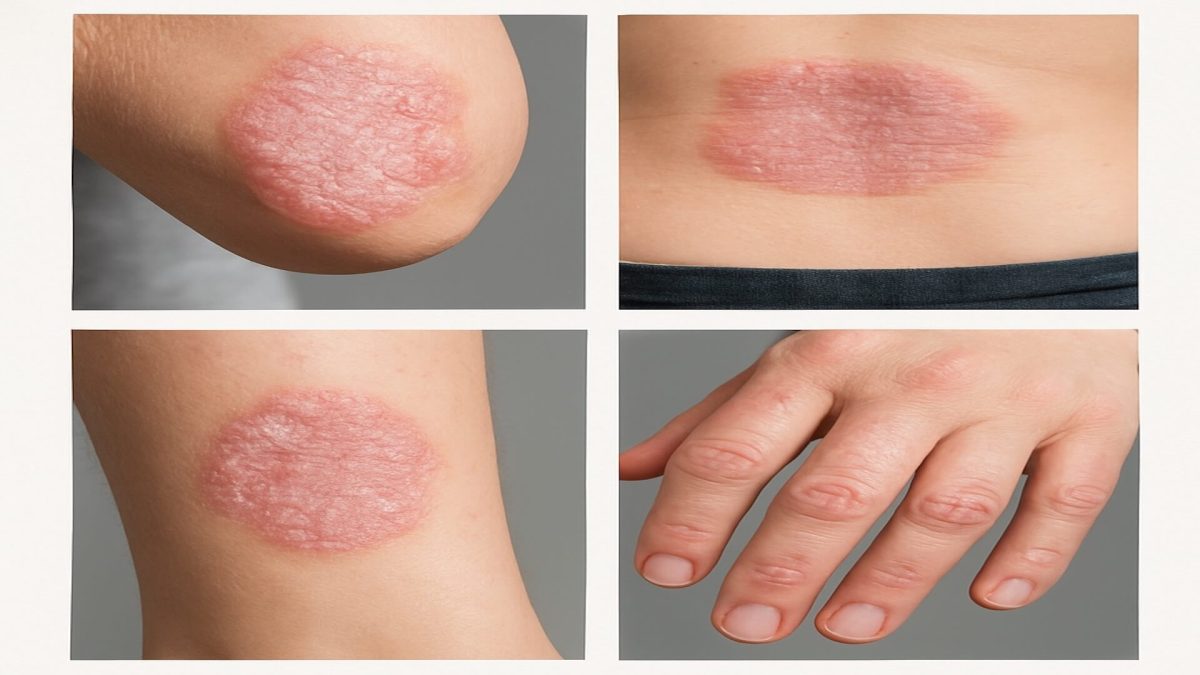
Psoriasis is an autoimmune condition where the immune system triggers skin cells to multiply several times faster than usual [1]. This leads to a build up of cells that form scales and red patches [1].
This rapid turnover can cause unpredictable flare ups, with periods of remission [1]. Symptoms may vary over time, which can feel frustrating and tiring for many people.
The most common type of psoriasis, plaque psoriasis, typically affects elbows, knees, scalp, and lower back, but it may also appear on palms, soles, or the face [2].
Variants like guttate psoriasis, pustular psoriasis, erythrodermic psoriasis, and nail psoriasis present unique challenges, often requiring tailored approaches [3].
Psoriasis symptoms include red, scaly patches, itching, and joint issues, with early recognition key to effective management [1]. Early detection allows timely intervention, potentially reducing flare up severity.
Identifying specific symptoms helps healthcare providers create personalised treatment plans, addressing physical and psychological impacts, because psoriasis is associated with increased risks of anxiety and depression [4].
Topical Psoriasis Treatments
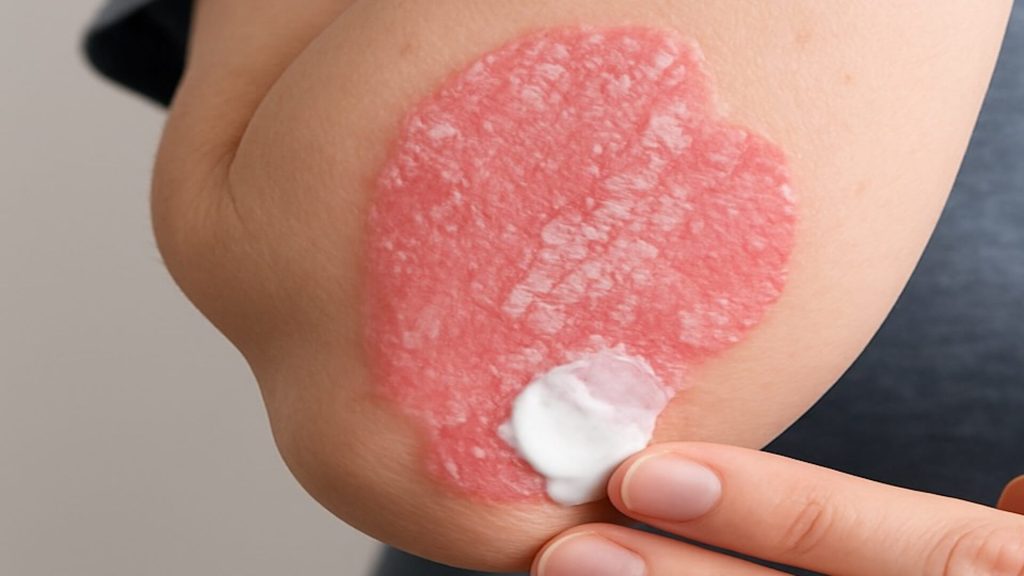
Topical treatments are often the first choice for mild or moderate psoriasis. They are applied directly to affected areas to reduce inflammation, slow extra cell growth, and ease scaling [5].
These psoriasis creams are usually simple to use at home and can work well alone or alongside other therapies as part of a broader care plan [5].
| Treatment | Key Points |
|---|---|
| Corticosteroids | Calm inflammation and redness but long use needs supervision [5] |
| Vitamin D analogues | Slow cell growth and often pair well with corticosteroids [6] |
| Retinoids | Regulate cell activity but can irritate without moisturisers [5] |
| Salicylic acid | Helps lift scales and can improve other product penetration [7] |
| Coal tar | Eases scaling and itching, often used for plaques [5] |
Table 1: Common topical psoriasis treatments
Corticosteroids, recommended for plaque psoriasis on less sensitive areas, may be used for more than 12 weeks under medical supervision to balance benefit and risk [5].
Vitamin D analogues like calcipotriene are often well tolerated and may provide longer term relief, especially when combined with corticosteroids in a single plan [6].
Salicylic acid supports exfoliation of thick scale and can make other treatments more effective [7]. Following professional advice helps maximise benefit and reduce side effects [5].
Psoriasis Shampoos
Scalp psoriasis affects over half of people with psoriasis and may cause visible scaling, itching, and discomfort that impacts styling choices and self confidence [8].
Specialist psoriasis shampoos can soften scale, ease itching, and support scalp comfort while leaving hair easier to manage and style [5,7].
| Shampoo Type | Key Points |
|---|---|
| Coal tar shampoo | Slows excess cell growth on the scalp and may reduce scaling [5] |
| Salicylic acid shampoo | Softens and lifts scale while helping other scalp treatments work better [7] |
| Ketoconazole shampoo | Addresses yeast related flaking and can calm itching when both conditions overlap [5] |
Table 2: Shampoos for scalp psoriasis care
Regular use, as advised by a clinician, can reduce irritation and make scalp symptoms less visible [5]. People may need to test more than one formula before finding a good fit.
Light Therapy For Psoriasis
Light therapy, also known as phototherapy, uses controlled ultraviolet light to slow the speed of skin cell turnover and reduce inflammation in psoriasis plaques [9].
It is usually offered in specialist settings for moderate or severe psoriasis that has not responded well to topical treatments alone [9].
Phototherapy, such as narrowband ultraviolet B, is often recommended for plaque psoriasis and may be combined with topical treatments to increase overall response [9].
As with any ultraviolet exposure, possible risks include skin ageing and a small increase in future skin cancer risk, so careful planning and monitoring are essential [4].
Systemic Psoriasis Treatments
For moderate to severe psoriasis, or when topical methods and phototherapy do not give enough relief, systemic treatments can help by working throughout the entire body [10].
These medicines are usually reserved for psoriasis that affects a large area, involves joints, or significantly reduces quality of life [4,10].
| Treatment | Key Points |
|---|---|
| Methotrexate | Reduces inflammation and slows cell growth but needs liver and blood checks [10] |
| Cyclosporine | Provides rapid relief but requires careful kidney and blood pressure monitoring [5] |
| Biologics | Target specific immune pathways and can give strong skin clearance but need infection monitoring [10] |
Table 3: Systemic treatment options for psoriasis
Methotrexate is generally less effective than some biologics for skin symptoms but remains a cost effective and widely used option for many people [5,10].
Biologics, such as adalimumab and etanercept, can provide high levels of clearance for plaques but require regular follow up and infection checks [10].
Cyclosporine is often used only in the short term because of kidney and blood pressure risks, making close medical review essential [5].
Lifestyle Tips For Psoriasis
Lifestyle changes cannot cure psoriasis but may complement medical treatment and help reduce the frequency or intensity of flare ups [1,4].
Psoriasis is linked with triggers such as stress, smoking, higher body weight, and some medications, which can make symptoms worse when several are present together [4].
Regular use of moisturisers helps lock in water, soften scale, and support the skin barrier, which can make other treatments feel more comfortable on the skin [5].
Adequate fluid intake, balanced meals, and gentle movement can support general wellbeing. Some studies suggest that omega 3 rich foods may modestly reduce inflammation in psoriasis and other conditions, although more research is needed [4].
Stress reduction techniques such as breathing exercises, mindfulness, or yoga may help people feel more in control and may reduce some flare ups linked with stress [4].
These supportive steps, used together with prescribed treatment, can form a long term management plan, even though a complete cure for psoriasis is not available at present [1].
Conclusion
Psoriasis is a complex skin condition, but a clear, stepwise plan can make symptoms easier to live with and can support daily comfort and confidence [1,2].
From psoriasis cream and psoriasis shampoo to light therapy and systemic medicines, a wide range of options can be combined to match severity and lifestyle needs [1,5,9,10].
Professional guidance helps ensure that each choice is safe and appropriate, especially when psoriasis overlaps with other health conditions or emotional wellbeing concerns [4].
You can explore tailored support for your skin through our personalised skincare consultation.
Content is for informational purposes only. Monderma treatments are prescribed following consultation. Results and timeframes can vary. Use as directed by your prescriber.
References
- Armstrong AW, Read C. Pathophysiology, clinical presentation, and treatment of psoriasis. JAMA. 2020;323(19):1945–1960.
- National Institute for Health and Care Excellence. Psoriasis: assessment and management. NICE guideline CG153. 2012, updated 2017.
- StatPearls. Psoriasis. StatPearls Publishing. Updated 2023.
- Yeung H, Takeshita J, Mehta NN, et al. Psoriasis severity and the prevalence of major medical comorbidity. JAMA Dermatol. 2013;149(10):1173–1179.
- Menter A, Korman NJ, Elmets CA, et al. Guidelines of care for the management of psoriasis and psoriatic arthritis: section 6. J Am Acad Dermatol. 2011;65(1):137–174.
- Camarasa JM, Ortonne JP, Dubertret L. Calcitriol shows greater persistence of treatment effect than betamethasone dipropionate in topical psoriasis therapy. J Dermatolog Treat. 2003;14(1):8–13.
- NHS. Psoriasis treatment. NHS. Updated 2020.
- UpToDate. Psoriasis: epidemiology, clinical manifestations, and diagnosis. UpToDate. Updated 2019.
- NHS. Psoriasis treatment phototherapy. NHS. Updated 2020.
- Armstrong AW, et al. Joint AAD NPF guidelines of care for the management and treatment of psoriasis with biologics. J Am Acad Dermatol. 2019;80(4):1029–1072.
- Iraji F, Sadeghinia A, Siadat AH, et al. Efficacy of 15% azelaic acid in psoriasis vulgaris. J Res Med Sci. 2010;15(4):221–225.
Join the Newsletter
Insights that make your skin feel understood
Share this article if you found it helpful



More To Explore
Latest Articles For Your Skin
-
Understanding Pityriasis Rosea: Symptoms & Treatment
-
How To Spot Fake Skincare Products Online

-
CBD Skincare For Calming Redness & Irritation

-
How Fractional Laser Can Renew Damaged Skin
-
Wearable Sensors Used For Skin Condition Tracking

-
Ectoine: Skincare & Eye Care Barrier Protection

-
Baby Acne Myths & Facts Explained

-
Niels Ryberg Finsen: Pioneer Of UV Phototherapy
-
Allantoin Uses & Benefits For Daily Skincare

-
Chapped Lips: Causes & How To Treat Them