 Monderma
- 12 Mar 2025
- Dapsone treats key immune skin diseases
- It blocks folate pathways in bacteria
- Systemic dapsone needs careful checks
- Topical gel can support acne care
- Monderma offers personalised skin care
Dapsone is a long used medicine in dermatology and infectious disease, with important roles in conditions that affect both skin health and general wellbeing [1].
In this article, we explain how dapsone works, where it is used in clinical practice, how dapsone gel supports acne care, and which side effects and checks matter most [1,2,3].
What Is Dapsone
Dapsone is a synthetic sulfone that combines antibacterial and anti inflammatory actions and has become an important tool in several medical fields [1].
It remains a key part of multidrug therapy for leprosy and has long been used in dermatitis herpetiformis and related conditions in specialist care [1,6].
Dapsone also supports control of dermatitis herpetiformis, a chronic blistering skin condition, and has roles in other immune mediated diseases [1,2].
Topical dapsone gel has been developed for acne vulgaris, allowing local application to reduce inflammation in acne lesions without full body exposure [3].
Historical Context & Development
Dapsone was introduced in the early twentieth century and transformed the outlook for people living with leprosy, improving both survival and quality of life [6].
Its success in infectious disease led to wider exploration in inflammatory skin conditions, where its immune modulating effects became clinically useful [1,6].
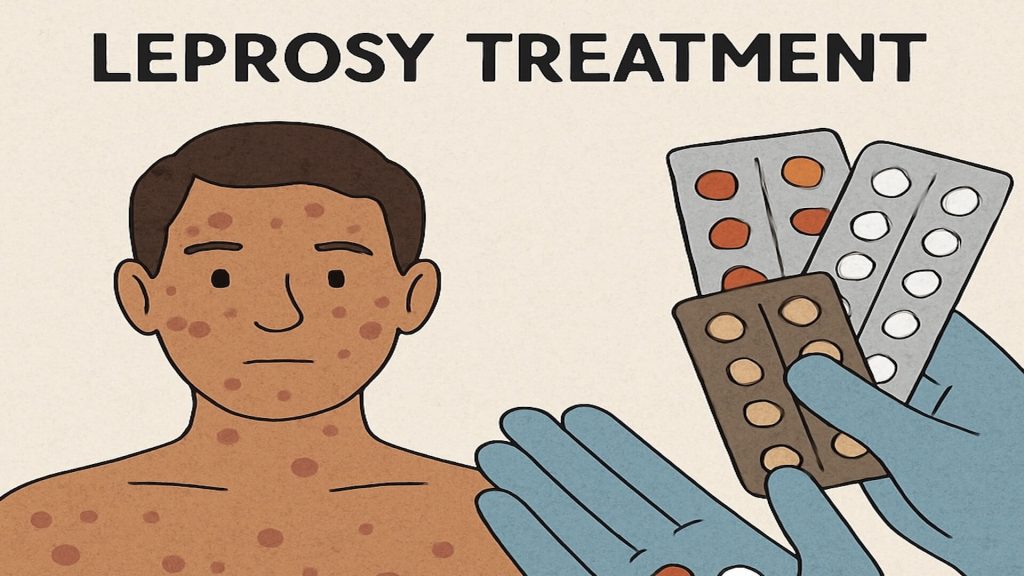
How Dapsone Works
Dapsone has antibacterial action through inhibition of dihydropteroate synthase, which blocks folate synthesis in susceptible bacteria [1,5].
This effect limits growth of organisms such as Mycobacterium leprae and supports control of infections when used in combination regimens [1,6].
Dapsone also inhibits myeloperoxidase activity in neutrophils and can reduce tissue damage in immune driven disease [1,5].
This anti inflammatory action is valuable in dermatitis herpetiformis and other immune mediated conditions where symptom control relies on dampening excess response [1,2].
Clinical Uses Of Dapsone
Dapsone remains central to multidrug therapy for Hansen disease, where it is combined with other agents to prevent resistance and secure long term control [6].
In dermatitis herpetiformis linked with coeliac disease, dapsone helps relieve blistering and itch while gluten free diet addresses the underlying trigger [1,2].
Because of its anti inflammatory profile, dapsone may also be used off label in selected cases of lupus erythematosus and certain vasculitides in specialist care [1,5].
These systemic uses require close monitoring for side effects and are managed in secondary or tertiary care rather than in cosmetic or routine skin services [1,5].
Dapsone Gel For Acne
Dapsone gel at strengths such as 7.5% has shown benefit for moderate acne vulgaris, with pooled trials reporting marked reduction in inflammatory lesions [3].
A pooled analysis found a mean reduction in inflammatory lesion counts after twelve weeks of regular use, with most side effects mild and local [3].
Reported local effects include dryness, stinging, or irritation at the application site, which often settle with adjustment of frequency or moisturiser support [3].
Topical dapsone is one of several evidence based options for acne and may be used alongside other treatments in individualised plans guided by clinicians [3].
Dapsone Side Effects
Although many people tolerate dapsone, important side effects can occur, especially with higher doses, longer courses, or unrecognised risk factors.
Understanding these dapsone side effects is essential for safe prescribing, monitoring, and patient counselling in any setting where the drug is used [4,5].
Haematological Effects
The most serious haematological concerns are methaemoglobinaemia and haemolytic anaemia, which can become clinically significant without careful checks [4,5].
People with glucose 6 phosphate dehydrogenase deficiency have higher risk, so G6PD screening is usually recommended before systemic treatment starts [4].
Dapsone can lower haemoglobin by one to two grams per decilitre in a dose related manner, which makes regular blood counts important during therapy [5].
Skin, Nerve & Liver Effects
Skin reactions may include mild rashes as well as very rare severe reactions such as toxic epidermal necrolysis, which need urgent recognition [1,6].
Stopping the drug at the first signs of a significant skin reaction helps reduce the risk of progression to more serious cutaneous toxicity [1].
Peripheral neuropathy with weakness or sensory change can occur, particularly with long term exposure to higher systemic doses of dapsone [5].
Gastrointestinal upset, including nausea or vomiting, and rare hepatotoxicity have been described, so periodic liver function tests are usually advised [1,6].
Monitoring & Safety
Safe systemic dapsone use relies on structured monitoring, including regular blood counts, liver tests, and review of any new symptoms [4,5].
Clear patient education about signs of anaemia, breathlessness, jaundice, rash, or neurological changes supports early reporting and timely review [4,5].
| Side Effect Category | Examples And Checks |
|---|---|
| Haematological | Methaemoglobinaemia, haemolytic anaemia, blood counts and G6PD screening [4,5] |
| Dermatological | Rash or toxic epidermal necrolysis, prompt review of skin changes [1,6] |
| Neurological | Peripheral neuropathy with weakness, symptom checks at follow up [5] |
| Gastrointestinal and hepatic | Nausea or liver injury, liver tests and symptom review [1,6] |
Table 1: Dapsone side effects and monitoring
Conclusion
Dapsone combines antibacterial and anti inflammatory effects and continues to play an important role in leprosy, dermatitis herpetiformis, and selected immune diseases [1,6].
Topical dapsone gel extends its use into acne care, where targeted application can reduce local inflammation with mainly mild, local side effects for most people [3].
Systemic dapsone needs careful selection, G6PD screening, and regular laboratory tests to limit the risks of haematological and hepatic complications [4,5].
If dapsone is prescribed, shared decisions, clear information about side effects, and planned monitoring help keep treatment as safe and effective as possible [4].
For concerns such as acne, hyperpigmentation, rosacea, and wrinkles, you can explore tailored support through our personalised skincare consultation.
Content is for informational purposes only. Monderma treatments are prescribed following consultation. Results and timeframes can vary. Use as directed by your prescriber.
References
- Wozel G, Blasum C. Dapsone in dermatology and beyond. Arch Dermatol Res. 2014;306(2):103 to 124.
- NHS. Coeliac disease treatment.
- Thiboutot DM, Kircik LH, Cook Bolden F, et al. Efficacy, safety, and dermal tolerability of dapsone gel in acne vulgaris. J Clin Aesthet Dermatol. 2016;9(10):18 to 27.
- Ash Bernal R, Wise R, Wright SM. Acquired methaemoglobinaemia. Medicine. 2004;83(5):265 to 273.
- Coleman MD. Dapsone modes of action, toxicity, and strategies for tolerance. Br J Dermatol. 1993;129(5):507 to 513.
- World Health Organization. Guidelines for the diagnosis, treatment, and prevention of leprosy.
Join the Newsletter
Insights that make your skin feel understood
Share this article if you found it helpful



More To Explore
Latest Articles For Your Skin
-
Understanding Pityriasis Rosea: Symptoms & Treatment
-
How To Spot Fake Skincare Products Online

-
CBD Skincare For Calming Redness & Irritation

-
How Fractional Laser Can Renew Damaged Skin
-
Wearable Sensors Used For Skin Condition Tracking

-
Ectoine: Skincare & Eye Care Barrier Protection

-
Baby Acne Myths & Facts Explained

-
Niels Ryberg Finsen: Pioneer Of UV Phototherapy

-
Allantoin Uses & Benefits For Daily Skincare

-
Chapped Lips: Causes & How To Treat Them