 Monderma
- 15 Jun 2025
- Fungi thrive in warm skin folds
- Moisture drives irritation and itch
- Creams target fungal cell membranes
- Hygiene reduces spread and relapse
- Care options explained by Monderma
Fungal skin infections are common, and many people notice irritation or itch in warm areas where moisture collects, particularly during busy daily routines [2].
In this article we outline causes, symptoms, and treatments for fungal skin infections, and we explain how antifungal creams support comfort and recovery.
Causes Of Fungal Skin Infections
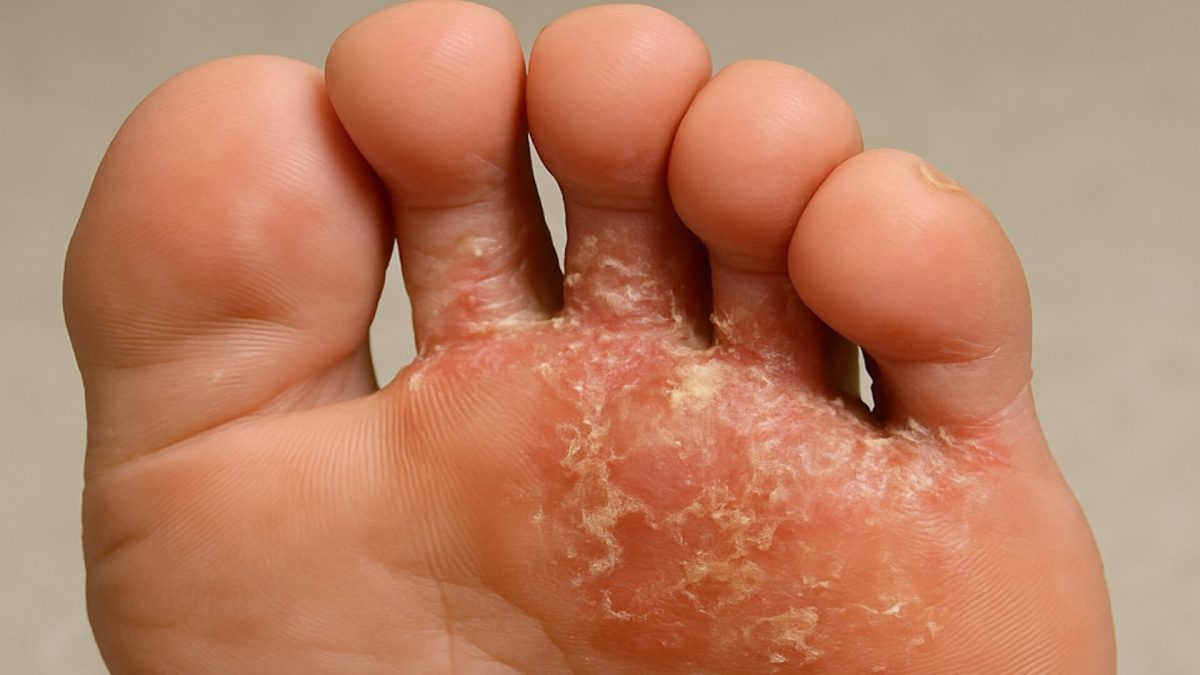
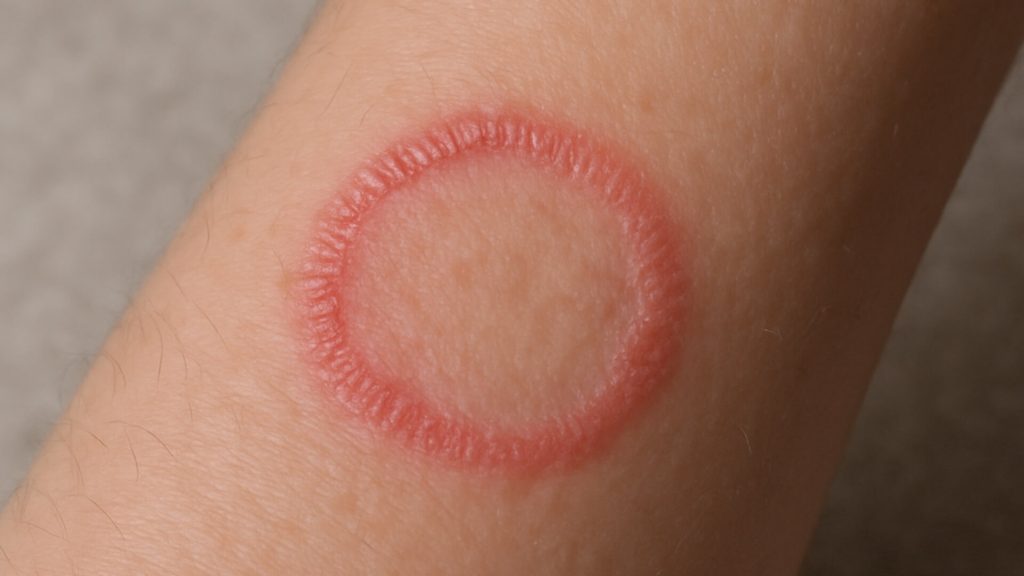
Fungi grow in warm, moist environments and often affect the feet, groin, armpits, or skin folds. Conditions include athlete’s foot, jock itch, ringworm, and yeast infections from Candida species [2].
Symptoms Of Fungal Infection
| Symptom | Description |
|---|---|
| Redness or rash | Red or pink patches with a scaly edge [2]. |
| Itching or burning | Persistent itch or discomfort in moist areas [2]. |
| Cracked or scaly skin | Peeling or dryness common in athlete’s foot [2]. |
| Blisters or pustules | Small fluid filled bumps in some cases [2]. |
| Skin discolouration | Lighter or darker patches on affected areas [2]. |
Table 1: Common symptoms
These symptoms may worsen over time, and seeking advice can help prevent spreading or irritation.
How Fungal Infections Spread
Fungi spread through close contact or shared surfaces, including shower floors or gym equipment. Items like towels, socks, or shoes can hold fungi and increase risk if hygiene is inconsistent [3].
Risk Factors For Infection
| Risk Factor | Explanation |
|---|---|
| Warm, humid climate | Heat and moisture support fungal growth [2]. |
| Excessive sweating | Damp skin encourages infection [2]. |
| Tight clothing | Restrictive garments trap moisture [2]. |
| Weakened immune system | Higher susceptibility during illness or treatment [4]. |
| Sharing personal items | Towels or clothing can carry fungi [3]. |
| Walking barefoot in public | Common source of athlete’s foot [3]. |
Table 2: Risk factors
Treatment Options In Fungal Infection
Antifungal creams treat mild fungal skin infections and work by disrupting fungal cell membranes. Terbinafine or imidazoles, including clotrimazole, are suggested first line for non extensive infections [1].
How Antifungal Creams Work
Clotrimazole and miconazole support care for athlete’s foot, jock itch, or ringworm [1]. Terbinafine may be used for more extensive dermatophyte infections, while ketoconazole helps with yeast related concerns [2,4].
Research supports clotrimazole for tinea pedis and tinea cruris with minimal side effects [5].
Selecting An Antifungal Cream
Choice depends on the type and severity of infection. Mild cases may respond to over the counter creams, while persistent infection may need professional guidance or prescription strength options [1].
Applying Antifungal Cream
Clean and dry skin before applying a thin layer that extends beyond the visible rash. Wash hands after use, apply as directed for the full course, and maintain consistency to reduce recurrence [1,3].
Preventing Fungal Skin Infections
Prevention focuses on keeping skin clean and dry, wearing loose clothing, and changing out of damp items promptly. Antifungal powders may help prevent athlete’s foot, and avoiding shared items reduces transmission [3].
When To Seek Medical Care
If symptoms persist, worsen, or appear severe, clinical review is important. Referral may be needed when diagnosis is uncertain or when infection affects children or extensive areas [1].
Monderma’s Role In Skin Support
Monderma does not treat fungal infections directly. However, personalised prescription skincare may help with redness or irritation that sometimes accompanies skin concerns. Ingredients like azelaic acid or niacinamide can support skin comfort and barrier resilience.
Conclusion
Fungal skin infections can be managed effectively with proper hygiene, targeted antifungal treatments, and awareness of triggers. Early recognition and consistent care help reduce discomfort and promote clearer, healthier skin.
If you would like personalised skincare designed to complement antifungal care and support overall skin health, you can explore a tailored formula through Monderma.
Content is for informational purposes only. Monderma treatments are prescribed following consultation. Results and timeframes can vary. Use as directed by your prescriber.
References
- NICE CKS. Fungal skin infection
- Medical News Today. Fungal infections
- NHS. Antifungal medicines
- StatPearls Publishing. Antifungal antibiotics
- IP Indian J Clin Exp Dermatol. Clotrimazole and fungal infection
Share this article if you found it helpful



More To Explore
Latest Articles For Your Skin
-
Understanding Pityriasis Rosea: Symptoms & Treatment
-
How To Spot Fake Skincare Products Online

-
CBD Skincare For Calming Redness & Irritation

-
How Fractional Laser Can Renew Damaged Skin
-
Wearable Sensors Used For Skin Condition Tracking

-
Ectoine: Skincare & Eye Care Barrier Protection

-
Baby Acne Myths & Facts Explained

-
Niels Ryberg Finsen: Pioneer Of UV Phototherapy

-
Allantoin Uses & Benefits For Daily Skincare
-
Chapped Lips: Causes & How To Treat Them