Monderma
- 02 Jun 2025
- Tattoos reflect deep cultural roots
- Ancient markings held meaning
- Techniques evolved across eras
- Symbolism shaped identity
- Skin health supported by Monderma
Tattoos have long reflected identity and meaning, connecting people across time through shared patterns of expression and storytelling that remain relevant today.
In this article we explore their origins, cultural symbolism, and evolution. The journey from early markings to modern artistry reveals a rich global history.
Origins Of Tattooing
Tattooing dates back over five thousand years. Ötzi the Iceman carried simple line tattoos near joints, thought to ease pain or support early therapeutic practices [1].
These markings highlight the long presence of tattooing in ancient societies and show how early humans linked body art with wellbeing and spiritual protection.
Tattoos In Ancient Cultures
Tattooing shaped identity across many civilisations. Designs held cultural value and reflected beliefs about status, spirituality, and community roles.
Tattooing In Ancient Egypt
Women often carried tattoos linked to fertility and protection. Mummies such as Amunet show geometric designs on areas associated with childbirth and care [2].
These patterns suggest symbolic value and show how tattooing supported rituals that aligned with spiritual, social, and maternal roles in ancient life.
Tattoos In Ancient Greece & Rome
In Greece and Rome, tattoos often served punitive roles. Markings identified slaves, prisoners, or spies which contrasted with the symbolic uses seen in Egypt [3].
This shift shows how tattooing adapted to cultural needs, carrying different meanings while still acting as a form of visible social communication.
Tattoos & Polynesian Culture
Polynesian tatau represents a sacred art form linked to ancestry and achievement. Designs created with bone combs remain central to identity and social standing [4].
These tattoos reflect honour, heritage, and resilience and they remain a defining symbol of cultural pride across Polynesian communities.
| Culture | Tattoo Purpose |
|---|---|
| Ancient Egypt | Fertility, protection, spiritual meaning [2] |
| Greece or Rome | Marking of slaves, criminals, spies [3] |
| Polynesia | Status, ancestry, achievement [4] |
Table 1: Cultural roles of tattoos
Symbolism & Meaning Of Traditional Tattoos
For many groups tattoos hold symbolic weight, capturing stories that link personal identity with wider cultural traditions passed across generations.
Tattoos As Symbols Of Identity & Status
Māori ta moko captures lineage and achievement. Each design is unique and reflects a personal story that strengthens cultural belonging and heritage [5].
Tattoos For Protection & Spirituality
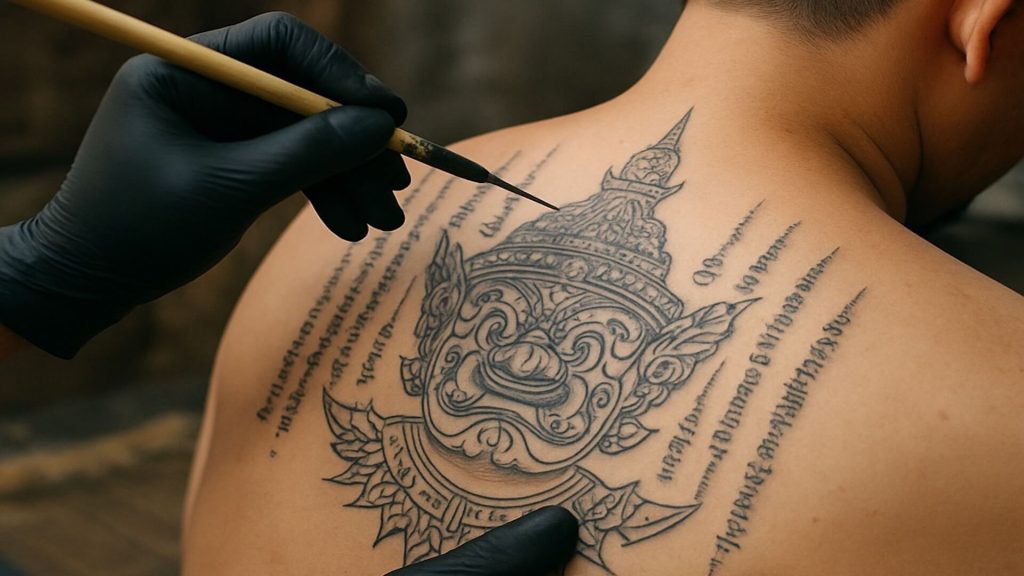
Sak Yant tattoos in Southeast Asia blend sacred scripts with protective intentions. These designs connect spiritual belief with artistic expression [6].
Tattoos & Prison Culture
Prison tattoos often express resilience or experience. Symbols such as teardrops may represent loss or time served and reflect personal history [7].
Development Of Tattooing Techniques
Tattooing methods evolved alongside human creativity. Tools, pigments, and approaches shifted as cultures exchanged ideas and technology advanced.
Traditional Hand Poked Tattoos
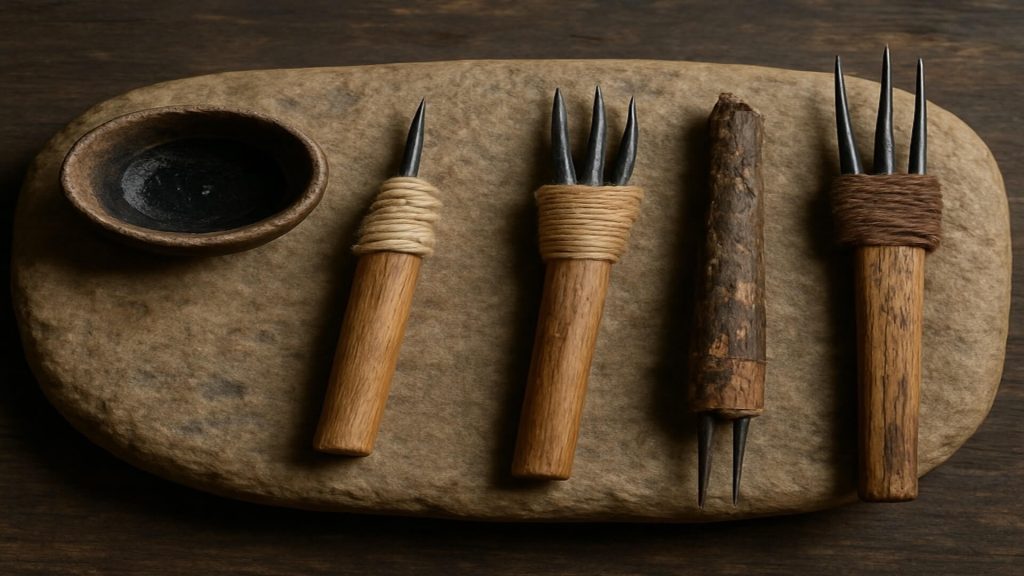
Early tattoos were hand poked using bone or metal tools. This meticulous method appears in Polynesian tatau and Japanese irezumi which emerged later [8].
Invention Of The Electric Tattoo Machine
The electric tattoo machine, patented by Samuel O Reilly in 1891, enabled faster and more intricate work and expanded access to tattoo artistry worldwide [9].
Tattoos In Modern Society
Modern tattoo culture embraces self expression and creativity. Designs now range from fine line art to hyper realistic portraits created through collaboration.
The Rise Of Tattoo Culture
By 2019 around thirty percent of adults in the United States had at least one tattoo which reflects the rising acceptance across generations [10].
Tattoos As A Form Of Art
Studios today function as creative spaces where clients and artists work together. Each tattoo becomes a unique piece shaped by personal meaning.
Monderma’s Role In Skin Health
Tattoos can sometimes lead to irritation or hyperpigmentation. Monderma offers prescription skincare for concerns such as redness or uneven tone.
If you would like tailored support, you can explore personalised guidance through our free consultation using our expert skincare assessment.
Conclusion
The long history of tattooing reflects how people across many cultures have used body art for protection, storytelling, and self expression. Its evolution into a modern creative practice highlights the enduring connection between skin, identity, and personal meaning.
If you would like personalised skincare shaped around your own needs, you can explore a custom formula through Monderma
Content is for informational purposes only. Monderma treatments are prescribed following consultation. Results and timeframes can vary. Use as directed by your prescriber.
References
- Zink A, Samadelli M, Gostner P, Piombino Mascali D. Lancet.
- Tassie GJ. Papers from the Institute of Archaeology.
- Jones CP. Journal of Roman Studies.
- Ellis A. Tattooing the World.
- Robley H. Moko or Maori Tattooing.
- Cummings W. Journal of Burma Studies.
- DeMello M. Inked.
- McCallum D. Arts Asia.
- Gilbert S. Tattoo History.
- Kluger N. Current Problems in Dermatology.
Share this article if you found it helpful



More To Explore
Latest Articles For Your Skin
-
Understanding Pityriasis Rosea: Symptoms & Treatment

-
How To Spot Fake Skincare Products Online

-
CBD Skincare For Calming Redness & Irritation

-
How Fractional Laser Can Renew Damaged Skin

-
Wearable Sensors Used For Skin Condition Tracking

-
Ectoine: Skincare & Eye Care Barrier Protection

-
Baby Acne Myths & Facts Explained

-
Niels Ryberg Finsen: Pioneer Of UV Phototherapy

-
Allantoin Uses & Benefits For Daily Skincare

-
Chapped Lips: Causes & How To Treat Them