 Monderma
- 05 Apr 2025
- Skin types guide product choice
- Ingredients influence hydration
- Formulas vary in texture
- Routine steps affect results
- Supporting actives offered by Monderma
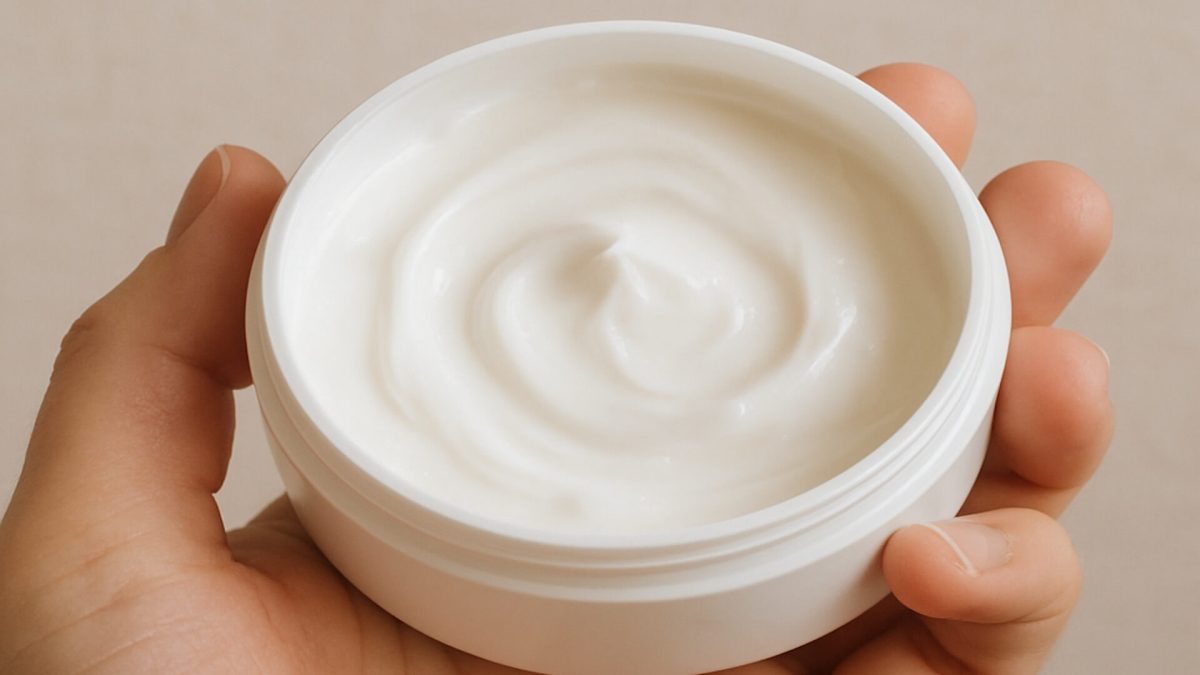
A well chosen moisturiser helps maintain hydration and supports a smoother, more comfortable complexion, especially as skin needs change with age or environment.
In this article, we outline how skin type, texture preferences, and ingredient choices work together to help you select a moisturiser that suits your needs.
Understanding Skin Types
Identifying your skin type helps narrow choices, since each type responds differently to moisture levels and ingredient combinations [1].
Oily skin often prefers light textures, while dry skin benefits from richer creams. Sensitive, combination, and normal skin each have varying comfort needs [1,2,3].
Skin Types & Their Needs
| Skin type | Ideal moisturiser |
|---|---|
| Oily | Light gel textures |
| Dry | Rich hydrating creams |
| Combination | Balanced lotions |
| Sensitive | Gentle fragrance free creams |
| Normal | Lightweight daily creams |
Table 1: Moisturiser choices by skin type
Key Ingredients & Their Benefits
Hyaluronic acid attracts water and supports hydration in dry or combination skin, helping maintain softness and flexibility [4].
Salicylic acid supports clearer pores in oily or blemish prone skin, while niacinamide helps regulate oil and improve surface balance [5].
Soothing Ingredients & Barrier Care
Aloe vera and chamomile offer gentle calming support for people prone to redness, providing lighter comfort for sensitive areas [3].
Peptides and retinol support surface renewal in ageing skin, though retinol should be introduced gradually to maintain tolerance [6].
Moisturiser Formulations & Texture
Creams suit dry skin because they hold more moisture, while lotions provide lighter hydration suited to mixed or normal skin types.
Gels offer oil free hydration preferred by oily skin, supporting comfort without adding heaviness or residue.
Application Technique & Routine Flow
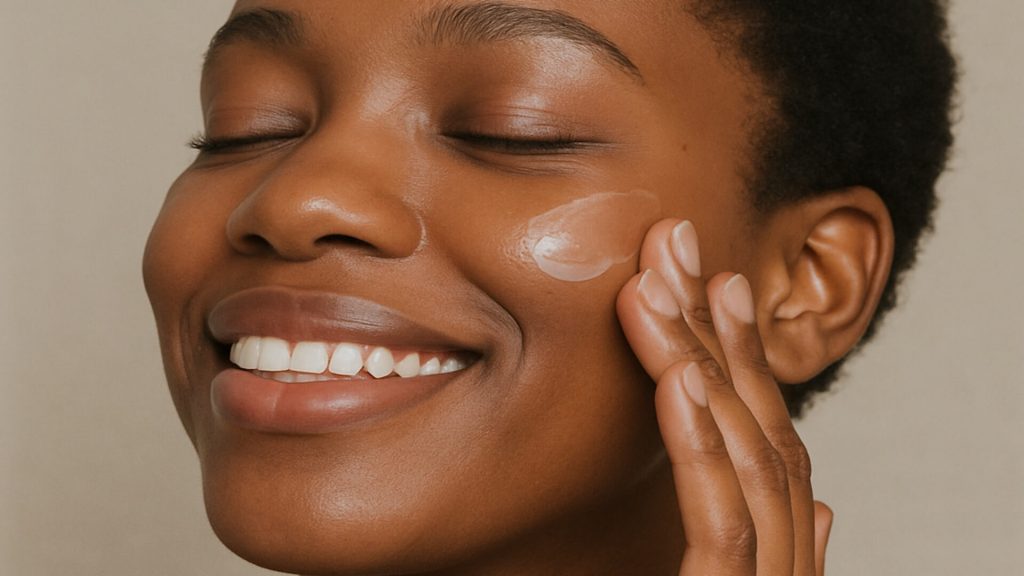
Applying moisturiser after cleansing helps lock in hydration, and massaging upward can support even absorption across the face and neck.
Allowing a moment for the product to settle helps maintain comfort and improves the layered feel of your routine.
Tips For Choosing A Moisturiser
Patch testing can be helpful for sensitive skin, especially when adding new active ingredients to your routine [3].
SPF is important for daytime skin protection, and guidance recommends regular daily use to limit UV related concerns [7].
Monderma Support For Skin Concerns
Monderma creates personalised prescription skincare for acne, ageing skin, hyperpigmentation, and rosacea, using ingredients such as tretinoin, azelaic acid, and niacinamide.
These formulations provide structured support for clarity, texture, and resilience, offering targeted benefits that enhance the results of daily moisturising.
Conclusion
Choosing the right moisturiser means understanding your skin type, selecting ingredients that align with your needs, and applying them consistently for long term comfort.
Readers seeking tailored guidance can receive support through our personal skincare consultation, offering personalised advice for ongoing skin health.
Content is for informational purposes only. Monderma treatments are prescribed following consultation. Results and timeframes can vary. Use as directed by your prescriber.
References
- Zaenglein AL, et al. Guidelines Of Care For Acne Vulgaris
- NHS. Mild Dry Skin
- Ferreira MS, et al. Sensitive Skin
- Papakonstantinou E, Roth M, Karakiulakis G. Hyaluronic Acid
- Zheng Y, et al. Salicylic Acid Cream Evidence
- Varani J, et al. Vitamin A And Ageing Skin
- NICE. Sun Exposure Guidance
Join the Newsletter
Insights that make your skin feel understood
Share this article if you found it helpful



More To Explore
Latest Articles For Your Skin
-
Understanding Pityriasis Rosea: Symptoms & Treatment
-
How To Spot Fake Skincare Products Online
-
CBD Skincare For Calming Redness & Irritation

-
How Fractional Laser Can Renew Damaged Skin
-
Wearable Sensors Used For Skin Condition Tracking

-
Ectoine: Skincare & Eye Care Barrier Protection

-
Baby Acne Myths & Facts Explained

-
Niels Ryberg Finsen: Pioneer Of UV Phototherapy

-
Allantoin Uses & Benefits For Daily Skincare
-
Chapped Lips: Causes & How To Treat Them