 Monderma
- 29 Apr 2025
- Castor oil rarely clogs pores
- Ricinoleic acid may calm skin
- Some skin types still break out
- Lighter oils can hydrate safely
- Personalised skincare with Monderma
Pores release oil and sweat, yet they can clog when sebum and dead cells build up. This often shows as bumps or shine, which can feel more noticeable from the mid thirties onward.
In this article we look at castor oil, how comedogenic ratings work, how different oils sit on the skin surface, and how to choose textures that feel comfortable for your pores.
What Are Clogged Pores
Clogged pores form when oil, dead cells, and bacteria collect inside follicles, which can encourage blemishes over time [1].
Hormones, diet, and product choice all influence how often pores clog, so routines that feel balanced at one stage of life may need gentle changes later [1,2].
Castor Oil & Skin
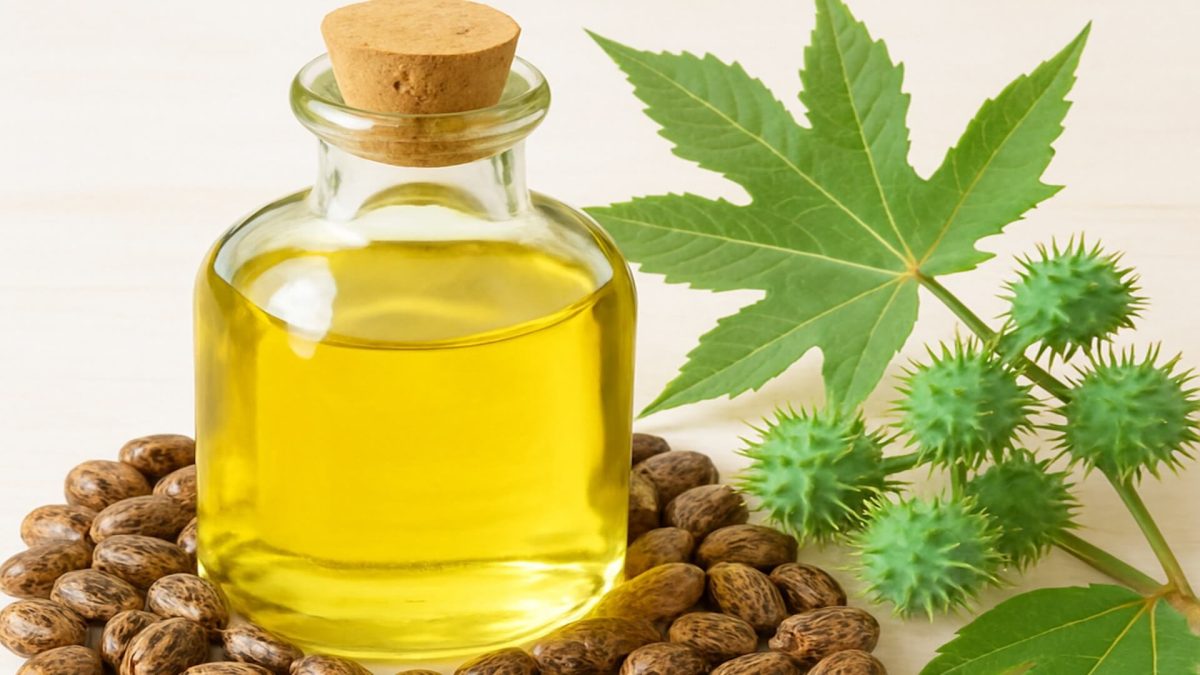
Castor oil is a plant oil rich in ricinoleic acid, which has anti inflammatory properties in laboratory models and may soothe stressed skin [3,4,6].
It also behaves as a humectant, drawing water toward the surface, so it can help dry skin feel softer when used carefully in small amounts [4,6].
Castor Oil & Acne
Castor oil for acne is discussed because ricinoleic acid shows antimicrobial activity against P acnes in laboratory studies, which may support blemish control [5].
Responses still vary, especially in acne prone skin, so patch testing is sensible before using castor oil on larger areas of the face.
Comedogenic Ratings & Oils
Comedogenic ratings estimate how likely an ingredient is to clog pores when tested under set conditions. They range from zero to five [7].
Castor oil usually scores one on this scale, which suggests a low chance of clogging pores for many people when used in moderation.
| Rating | Typical meaning |
|---|---|
| 0 to 1 | Very low clogging tendency |
| 2 to 3 | Moderate clogging tendency |
| 4 to 5 | High clogging tendency |
Table 1: Comedogenic rating guide
Even so, some people still break out with low rating oils, which is why texture, amount used, and cleansing habits all remain important [7].
Using Castor Oil Safely
Patch test first by applying a small amount along the jawline, then watch for redness or bumps over the next day [1,2].
Use only a few drops and avoid layering over heavy creams, since thick stacks of products make buildup in pores more likely.
Blending castor oil with lighter oils, such as grapeseed or jojoba, can reduce thickness on the skin and make removal with a gentle cleanser easier [6].
Non Pore Clogging Oils
Several plant oils offer hydration with a low tendency to clog pores, which suits people who prefer oil based routines but want lighter textures [6,8,9,10].
Argan, grapeseed, and sunflower oils are often used in non pore clogging products because they absorb more quickly and feel less greasy on the skin.
| Oil | Main features |
|---|---|
| Argan oil | Supports barrier comfort with vitamin E [9,11] |
| Grapeseed oil | High in linoleic acid for light feel [6,10,12] |
| Sunflower oil | Emollient, non pore clogging texture [6,8] |
Table 2: Examples of lighter cosmetic oils
Conclusion
Castor oil can support hydration and calm the skin through its antimicrobial and anti inflammatory properties, although individual responses differ. Those prone to blocked pores may prefer lighter non comedogenic oils such as argan, grapeseed, or sunflower oil.
If you would like personalised skincare shaped around your own needs, you can explore a custom formula through Monderma.
Content is for informational purposes only. Monderma treatments are prescribed following consultation. Results and timeframes can vary. Use as directed by your prescriber.
References
- National Institute for Health and Care Excellence. Acne Vulgaris: Management. NG198.
- NHS Inform. Acne.
- Vieira C, Evangelista S, Cirillo R, et al. Mediators of Inflammation.
- Marwat SK, Rehman F, Khan EA, et al. Pakistan Journal of Pharmaceutical Sciences.
- Universitas Indonesia. Oxidised Ricinoleic Acid Esters as Antimicrobial Compounds.
- Lin TK, Zhong L, Santiago JL. International Journal of Molecular Sciences.
- eOil. Comedogenic Index for Carrier Oils.
- Flaws to Blooms. Sunflower Seed Oil and Acne Friendly Care.
- Exposed Skin Care. Argan Oil and Acne.
- Bath House. Grapeseed Oil Overview.
- Sustainable Botanicals. Argan and Rosehip Oil Comparison.
- Healthline. Grapeseed Oil for Acne.
Share this article if you found it helpful



More To Explore
Latest Articles For Your Skin
-
Understanding Pityriasis Rosea: Symptoms & Treatment
-
How To Spot Fake Skincare Products Online
-
CBD Skincare For Calming Redness & Irritation

-
How Fractional Laser Can Renew Damaged Skin
-
Wearable Sensors Used For Skin Condition Tracking

-
Ectoine: Skincare & Eye Care Barrier Protection

-
Baby Acne Myths & Facts Explained

-
Niels Ryberg Finsen: Pioneer Of UV Phototherapy

-
Allantoin Uses & Benefits For Daily Skincare
-
Chapped Lips: Causes & How To Treat Them