 Monderma
- 13 Mar 2025
- Light shaped how artists showed beauty
- Renaissance artists refined soft glow
- Baroque light created strong impact
- Modern images build on past methods
- Radiance stays central with Monderma
Artists across centuries have explored beauty and light, creating work that continues to shape how people understand radiance and visual harmony [1].
This article explains how artists refined light, how beauty in art evolved across movements, and how these ideas still influence how people view radiance today [1,2].
Renaissance Beauty & Light
The Renaissance transformed artistic technique through new control of light, shadow, and perspective, allowing painters to create lifelike images that felt both calm and expressive [1].
Leonardo da Vinci used sfumato in the Mona Lisa to soften edges and create depth, giving the face a gentle radiance that helped reshape ideas of portraiture [1].
Michelangelo used vivid colour and detailed lighting in the Sistine Chapel frescoes to create emotional impact and guide the eye across each scene [2].
Sandro Botticelli portrayed beauty with flowing lines and soft forms in The Birth of Venus, using light to communicate a sense of pure and idealised presence [3].
Baroque Radiance & Drama
Baroque artists intensified the use of light through strong contrast, shaping emotion and movement with sudden shifts between illuminated and shadowed areas [4].
Caravaggio used this contrast in The Calling of Saint Matthew, where directed light draws attention to the central moment and heightens narrative effect [4].
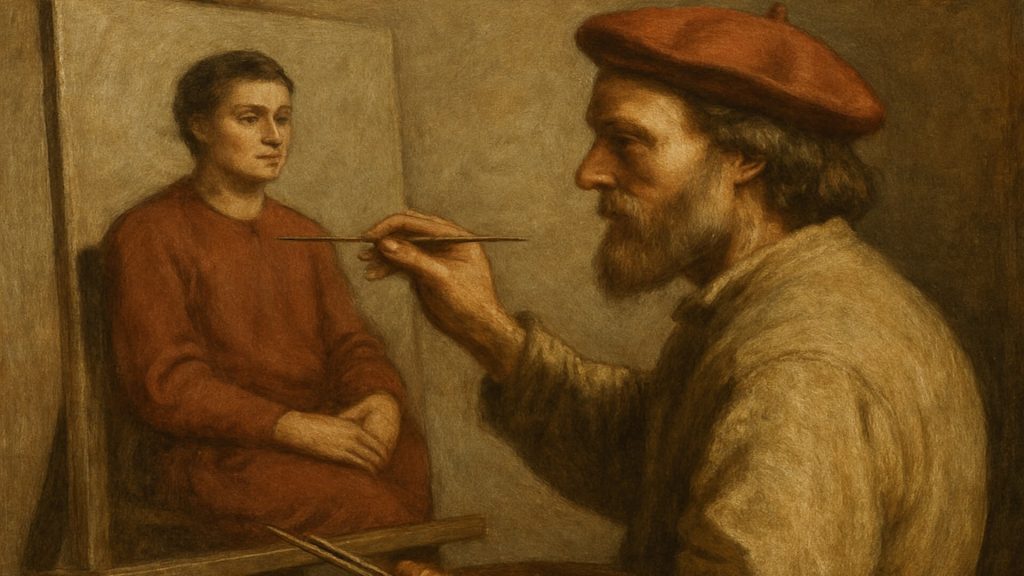
Rembrandt used gentle direction of light to create depth and texture in portraits, giving each subject a sense of personal presence and emotional honesty [5].
Impressionist Light & Colour
Impressionist painters explored shifting light in nature, studying how colour changed across moments and how soft transitions created a sense of immediacy [6].
Claude Monet painted repeated scenes at different times to show how natural light shaped colour, form, and atmosphere in quiet and fluid ways [6].
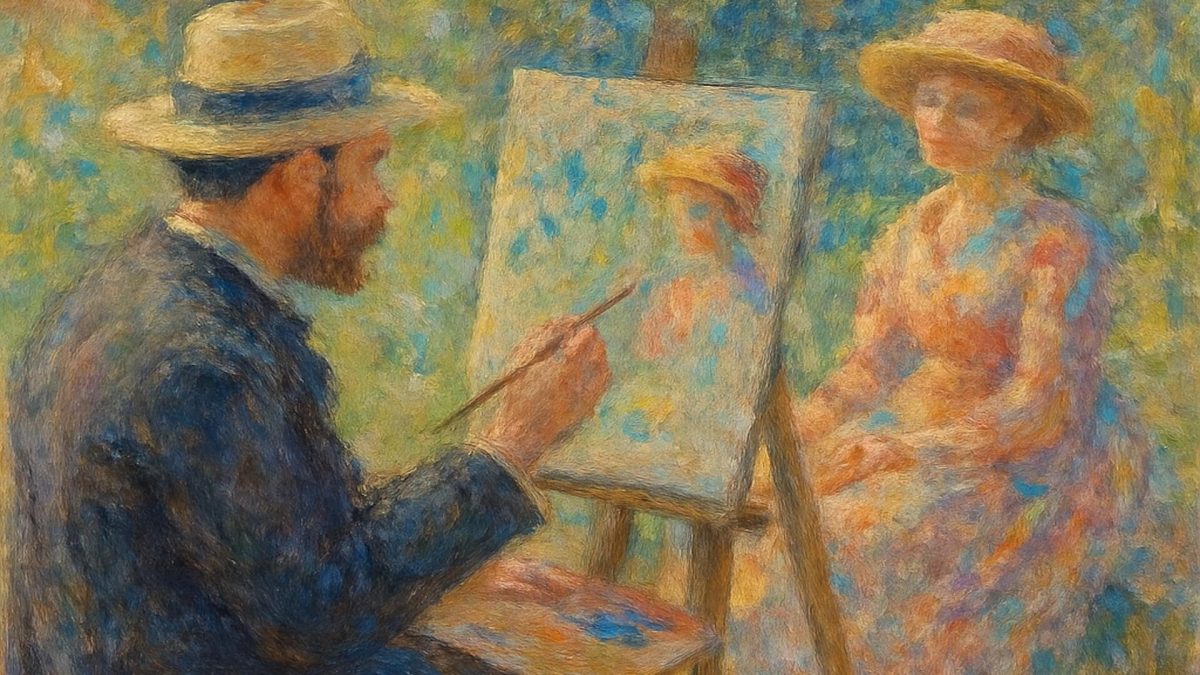
Pierre Auguste Renoir used warm, dappled light to portray joyful scenes and highlight natural features, creating a sense of movement and human warmth [7].
Modern Art & Radiant Photography
Modern artists and photographers continued to use light as a tool for emotion, composition, and realism, often blending older methods with new technology [8].
Annie Leibovitz uses crafted lighting and digital tools to highlight features and enhance mood in portrait photography, echoing past traditions with new language [8].
Modern colour grading techniques refine light and tone, showing how historic artistic principles blend with digital tools in current visual work [9].
Light, Beauty & Skin Imagery
The way artists shaped radiance influences how people think about glow, clarity, and balance in visual representation, including modern skin imagery [8,9].
Composition, colour, and subtle light transitions continue to guide photography and portrait work, linking older methods with current approaches to visual beauty [8].
Monderma & Natural Radiance
Monderma supports skin concerns such as acne, hyperpigmentation, rosacea, and wrinkles through personalised prescription skincare reviewed by clinicians.
Ingredients such as tretinoin, niacinamide, and hydroquinone can help improve tone, clarity, and smoothness, supporting a natural look that aligns with ideas of radiance [10,11,12].
Online assessment allows clinicians to review goals, history, and skin type, helping create a formula that supports long term skin confidence and comfort.
Conclusion
Radiance has shaped artistic expression from Renaissance sfumato to modern photography, showing how light influences beauty and emotion across time [1,2,8].
Artists refined technique to express subtle glow, strong contrast, or shifting colour, each contributing to how people understand visual harmony and presence [1,4,6].
Modern portrait work still uses these principles, blending them with new tools to create images that celebrate natural features and personal expression [8,9].
Visual radiance remains a common thread linking historic art with daily life, guiding how people observe faces, light, and detail in contemporary imagery [7].
To explore how tailored care may support your natural radiance, you can begin with our personalised skincare consultation.
Content is for informational purposes only. Monderma treatments are prescribed following consultation. Results and timeframes can vary. Use as directed by your prescriber.
References
- Sfumato. Wikipedia.
- Relighting the Sistine Chapel. Architect Magazine.
- The Birth of Venus. Study.com.
- The Calling of Saint Matthew. Artchive.
- Rembrandt Lighting. Perfect Picture Lights.
- Claude Monet Water Lilies. National Gallery London.
- Dance at Le Moulin de la Galette. artble.com.
- Annie Leibovitz Portrait Method. DIY Photography.
- History of radiant imagery. Art history overviews.
- Healthline. Tretinoin for Acne.
- Hakozaki T et al. Niacinamide and pigmentation.
- Healthline. Hydroquinone uses and safety.
Join the Newsletter
Insights that make your skin feel understood
Share this article if you found it helpful



More To Explore
Latest Articles For Your Skin
-
Understanding Pityriasis Rosea: Symptoms & Treatment

-
How To Spot Fake Skincare Products Online

-
CBD Skincare For Calming Redness & Irritation

-
How Fractional Laser Can Renew Damaged Skin
-
Wearable Sensors Used For Skin Condition Tracking

-
Ectoine: Skincare & Eye Care Barrier Protection

-
Baby Acne Myths & Facts Explained

-
Niels Ryberg Finsen: Pioneer Of UV Phototherapy

-
Allantoin Uses & Benefits For Daily Skincare
-
Chapped Lips: Causes & How To Treat Them