 Monderma
- 02 Mar 2025
- Mineral filters help prevent breakouts
- Zinc oxide protects without clogging
- Niacinamide calms and balances skin
- Hyaluronic acid supports hydration
- Expert sunscreen guidance Monderma
Selecting sunscreen for acne prone skin can feel challenging, especially when some products increase breakouts. Many people find that lighter formulations help maintain clarity and comfort.
This article explains how non pore clogging sunscreen ingredients support acne prone skin, protect against UV damage, and help reduce pigmentation changes linked with acne treatments [1,3].
Understanding Non Comedogenic Sunscreens
Non comedogenic sun creams are designed to avoid blocking pores, which may help prevent new blackheads or whiteheads [1]. Lightweight textures allow the skin to feel comfortable while still protected.
Choosing a broad spectrum option supports protection from UV light and reduces the risk of darkening acne marks or irritating sensitive areas during active treatment [1,2].
Why Sunscreen Matters For Acne Prone Skin
Many acne treatments increase sensitivity to sunlight, which raises the risk of redness and discomfort [2]. Unprotected exposure may worsen post inflammatory hyperpigmentation and dark spots that follow breakouts [3].
A daily sunscreen supports healing and lowers long term risks linked with repeated UV exposure, including changes that affect skin tone and overall skin health [1,9].
Key Ingredients To Look For
| Ingredient | Summary |
|---|---|
| Zinc oxide | Physical filter that soothes and protects [5] |
| Titanium dioxide | Lightweight mineral filter [6] |
| Niacinamide | Calms redness, supports barrier [15] |
| Hyaluronic acid | Hydrates without pore clogging [8] |
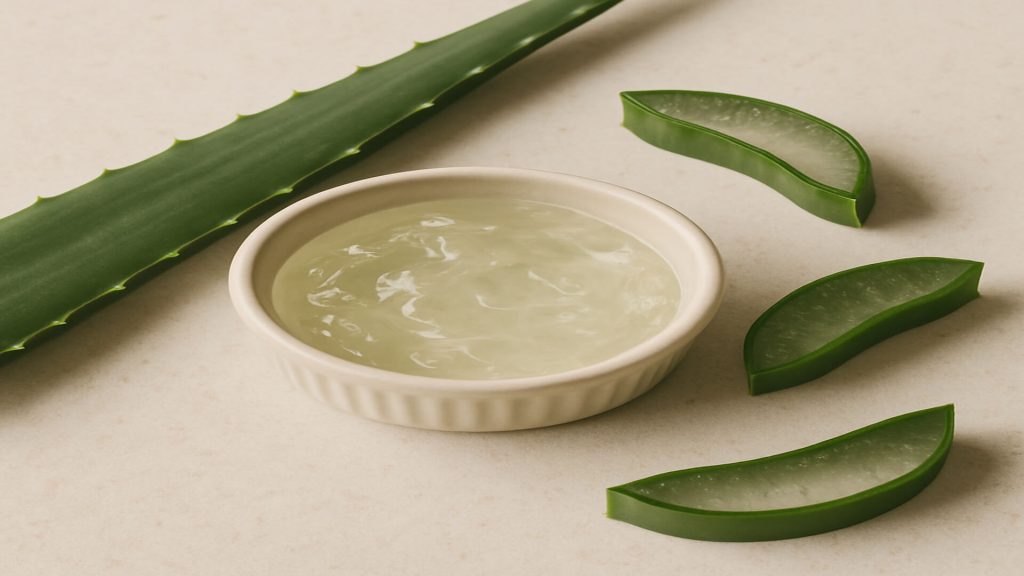
| Aloe vera | Soothes and protects from irritation [10] |
Table 1: Useful sunscreen ingredients
Zinc Oxide
Zinc oxide forms a protective layer on the skin that reflects UV rays without clogging pores [5]. Its calming qualities help reduce redness and support comfort for acne prone or sensitive skin.
Titanium Dioxide
Titanium dioxide offers broad spectrum coverage and remains on the skin surface without entering pores, helping reduce the chance of irritation or breakouts [6].
Niacinamide
Niacinamide supports oil balance and reduces redness, which may be helpful for those using sunscreen with acne prone skin [15]. It can also support the skin barrier and help reduce visible pigmentation [7].
Hyaluronic Acid
Hyaluronic acid draws moisture to the skin and helps maintain hydration without heaviness. Its gentle texture supports barrier health and can be suitable for dry or sensitive skin [8].
Aloe Vera
Aloe vera helps calm irritation and reduce visible redness, especially after sun exposure [10]. Antioxidant properties provide additional support for skin comfort and balance [11].
Ingredients To Avoid
Some ingredients may irritate acne prone skin or increase the chance of breakouts, so many readers prefer to avoid them when choosing sunscreen.
| Ingredient | Summary |
|---|---|
| Oxybenzone | Chemical filter that may irritate sensitive skin |
| Octinoxate | UVB filter linked with irritation risk |
| Fragrances and dyes | May cause sensitivity or imbalance |
Table 2: Ingredients to avoid
Choosing A Sunscreen For Acne Prone Skin
SPF 30 or higher helps protect against UV damage and supports healthy skin recovery [1,9]. Oil free and fragrance free formulas may reduce irritation and help maintain clarity [9].
A small patch test can help confirm compatibility, especially for those with sensitive or reactive skin.
Application Tips For Better Protection
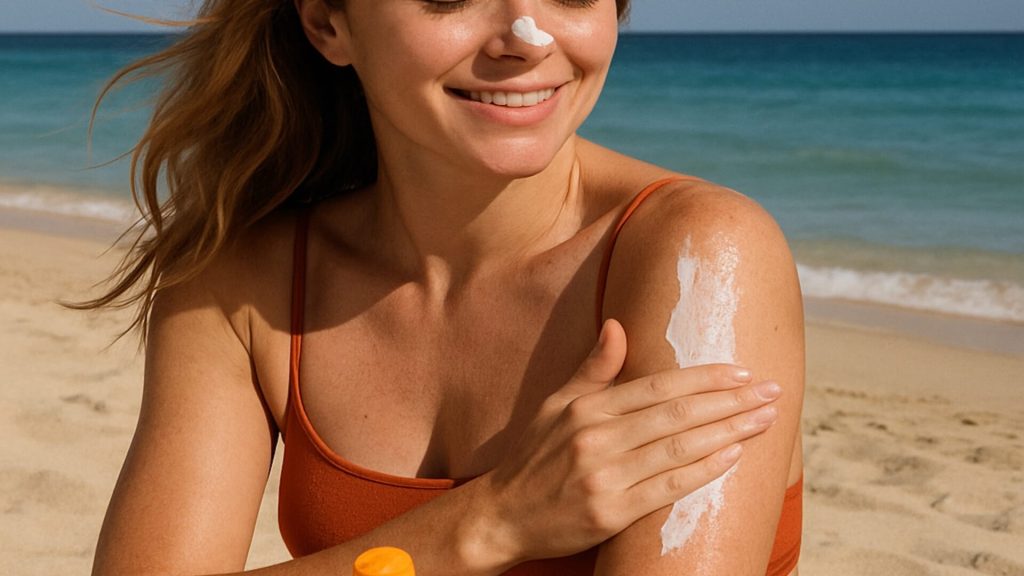
Applying a generous layer helps ensure full coverage. Reapplying throughout the day maintains protection, especially during prolonged outdoor time [1].
A non pore clogging sunscreen works best when applied after moisturiser and before makeup, helping maintain an even protective layer [9].
Conclusion
Choosing sunscreen for acne prone skin supports clarity, comfort, and long term skin health. Ingredients such as zinc oxide, titanium dioxide, niacinamide, hyaluronic acid, and aloe vera help protect without clogging pores, while avoiding known irritants supports calmer, clearer skin.
Those wanting tailored skincare advice can explore support through our personalised skincare consultation, which connects individuals with pharmacist led guidance.
Content is for informational purposes only. Monderma treatments are prescribed following consultation. Results and timeframes can vary. Use as directed by your prescriber.
References
- National Institute for Health and Care Excellence. Acne Vulgaris Management. 2021.
- StatPearls. Acne Vulgaris. 2023.
- Eichenfield DZ, Sprague J, Eichenfield LF. Management Of Acne Vulgaris. JAMA. 2021.
- Halder RM, Richards GM. Topical Agents For Hyperpigmentation. Skin Therapy Letters. 2004.
- Gupta M, Mahajan VK, Mehta KS, Chauhan PS. Zinc Therapy In Dermatology. Dermatology Research And Practice. 2014.
- CitySkinClinic. Titanium Dioxide Skincare And Its Benefits. 2024.
- OneSkin. Does Niacinamide Help With Acne And Scarring. 2024.
- Jegasothy SM, Zabolotniaia V, Bielfeldt S. Topical Nano Hyaluronic Acid. Journal Of Clinical And Aesthetic Dermatology. 2014.
- ELLE UK. Best Face SPFs For Acne Prone Skin. 2025.
- Aloe Vera Australia. Aloe Vera And Sun Protection.
- Cetaphil India. Benefits Of Aloe Vera In Sunscreens.
- Hitech Formulations. Oxybenzone In Sunscreens.
- Dermasport. Why Chemical Sunscreens Break Me Out. 2023.
- Johansen JD. Fragrance Contact Allergy. American Journal Of Clinical Dermatology. 2003.
- KINS Clinic. How To Use Niacinamide For Acne Scars.
Join the Newsletter
Insights that make your skin feel understood
Share this article if you found it helpful



More To Explore
Latest Articles For Your Skin
-
Understanding Pityriasis Rosea: Symptoms & Treatment
-
How To Spot Fake Skincare Products Online
-
CBD Skincare For Calming Redness & Irritation
-
How Fractional Laser Can Renew Damaged Skin
-
Wearable Sensors Used For Skin Condition Tracking

-
Ectoine: Skincare & Eye Care Barrier Protection

-
Baby Acne Myths & Facts Explained

-
Niels Ryberg Finsen: Pioneer Of UV Phototherapy
-
Allantoin Uses & Benefits For Daily Skincare
-
Chapped Lips: Causes & How To Treat Them