 Monderma
- 25 Apr 2025
- Breathable textures help comfort
- Gentle formulas ease redness
- Light coverage supports clarity
- Finish choice guides confidence
- Support available through Monderma
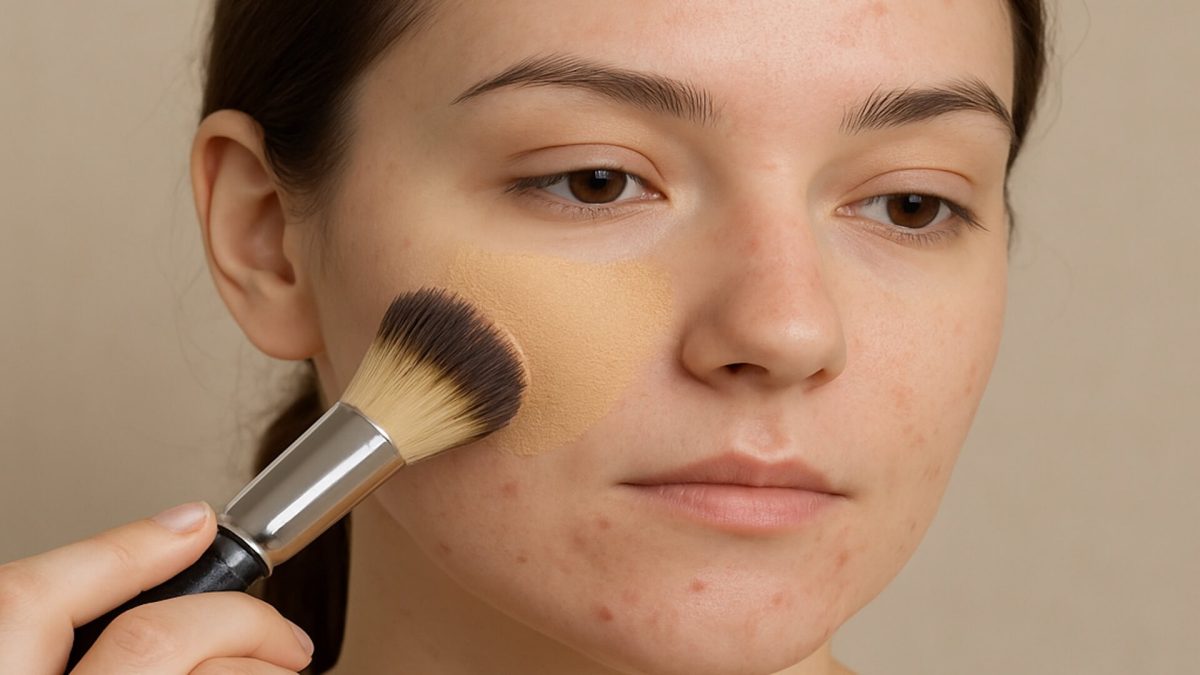
Makeup can feel challenging when skin is prone to congestion or sensitivity. Gentle foundations may support a smoother look without overwhelming the skin surface.
In this article, we explore cosmetic ingredients that help maintain comfort, discuss foundation finishes, and highlight ways to achieve an even appearance with less irritation.
Understanding Acne Prone Skin
Acne prone skin may produce more oil, leading to visible congestion, blackheads, or pimples. Stress, hormones, and lifestyle patterns can add to these changes, especially in oilier areas.
NICE notes acne affects a large proportion of people aged eleven to thirty, underscoring how common these concerns are [1]. Breathable foundations can complement skincare by offering light coverage.
Ingredients That Support Comfort
Some cosmetic ingredients help maintain balance on acne prone skin. They do not treat acne but support a more comfortable surface when used within foundation textures.
Key Cosmetic Ingredients
| Ingredient | Summary |
|---|---|
| Salicylic acid | Used in some cosmetics to support smoother texture without heavy buildup [2] |
| Niacinamide | Helps maintain calm skin and refine visible pores [3] |
| Hyaluronic acid | Hydrates without weight, supporting comfort in oilier areas [4] |
| Tea tree oil | Provides a refreshing feel in cosmetic products [5] |
| Dimethicone | Creates a smooth finish without blocking pores [6] |
Table 1: Cosmetic ingredients for comfort
Foundation Finishes & Skin Feel
Finish plays a central role in appearance and comfort. Matte finishes help reduce visible shine, making them popular for oilier complexions. Powder textures offer lightness and ease of wear.
Dewy finishes may suit balanced skin yet feel heavier on oilier areas. Choosing a finish that aligns with natural skin behaviour supports confidence throughout the day.
Finish Options
| Finish | Summary |
|---|---|
| Matte | Helps reduce shine for a balanced look |
| Powder | Light application that feels breathable |
| Satin | Offers soft radiance without heaviness |
Table 2: Foundation finish types
Types Of Foundations For Acne Prone Skin
Foundations differ in how they sit on the skin. Oil free and non comedogenic options support clarity by avoiding heavy occlusion. Mineral foundations offer light, breathable coverage.
Mattifying formulas help reduce surface shine, promoting a smoother appearance. These textures suit people who prefer foundations that sit lightly without feeling greasy.
Foundation Types
| Type | Summary |
|---|---|
| Oil free | Lightweight feel without adding shine |
| Non comedogenic | Designed not to clog pores [7] |
| Mineral | Gentle coverage that suits sensitivity |
| Mattifying | Helps maintain a shine free finish |
Table 3: Foundation types and benefits
Applying Foundation With Care
Preparation helps foundation apply smoothly. Gentle cleansing and a light moisturiser can create a balanced base. Primers may support longer wear without heaviness.
Applying thin layers allows custom coverage that avoids cakiness. Using clean brushes or sponges reduces transfer to the skin surface and supports clarity.
Application Tips
| Tip | Summary |
|---|---|
| Prep skin | Cleanse and lightly hydrate for smoothness |
| Light layers | Build coverage slowly for a natural look |
| Clean tools | Helps maintain comfort and hygiene |
Table 4: Application guidance
Conclusion
Selecting the best foundation for acne prone skin involves choosing formulas with ingredients such as salicylic acid, niacinamide, and hyaluronic acid to support clarity and balance. Non comedogenic, oil free options help provide coverage without disrupting skin health.
If you would like personalised skincare that reflects your own needs, you can explore an acne formula through Monderma.
Content is for informational purposes only. Monderma treatments are prescribed following consultation. Results and timeframes can vary. Use as directed by your prescriber.
References
- National Institute for Health and Care Excellence. Acne vulgaris guideline.
- Arif T. Clinical Cosmetic Investigational Dermatology.
- Kaymak Y, Akdeniz N, Ilter N, et al. J Turk Acad Dermatol.
- Curology. Hyaluronic acid for oily skin.
- Bassett IB, Pannowitz DL, Barnetson RS. Med J Aust.
- GetLabTest. Dimethicone in skincare.
- Mills OH, Kligman AM. Arch Dermatol.
Join the Newsletter
Insights that make your skin feel understood
Share this article if you found it helpful



More To Explore
Latest Articles For Your Skin
-
Understanding Pityriasis Rosea: Symptoms & Treatment
-
How To Spot Fake Skincare Products Online
-
CBD Skincare For Calming Redness & Irritation

-
How Fractional Laser Can Renew Damaged Skin
-
Wearable Sensors Used For Skin Condition Tracking

-
Ectoine: Skincare & Eye Care Barrier Protection

-
Baby Acne Myths & Facts Explained

-
Niels Ryberg Finsen: Pioneer Of UV Phototherapy
-
Allantoin Uses & Benefits For Daily Skincare
-
Chapped Lips: Causes & How To Treat Them