 Monderma
- 13 Feb 2025
- Gently reduces pigmentation and dark spots
- Safe for long-term, consistent use
- Suitable for sensitive and mature skin
- Brightens tone without irritation
- Supports even complexion with SPF use
Alpha arbutin is a naturally derived skincare ingredient recognised for its ability to improve uneven skin tone and reduce the appearance of dark spots. Its gentle action makes it suitable for most skin types, including sensitive skin, offering a safer approach to achieving a brighter complexion.
This article explains how alpha arbutin works, its benefits compared with other brightening ingredients, and how it can form part of a professional skincare plan.
Understanding Alpha Arbutin
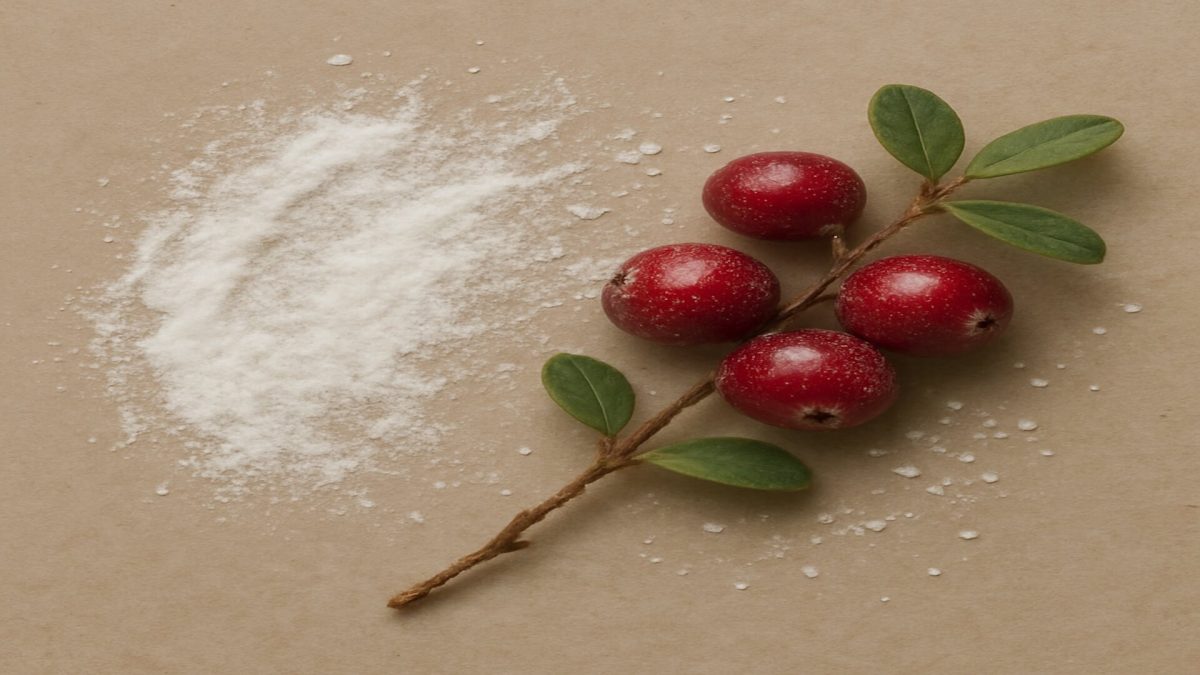
Alpha arbutin is a natural glycoside found in plants such as bearberry, cranberry, and blueberry. It combines glucose with a hydroquinone molecule but differs from hydroquinone in its gentler, non-irritating action.
It works by inhibiting tyrosinase, the enzyme responsible for melanin production. By reducing tyrosinase activity, alpha arbutin helps prevent the overproduction of pigment that causes dark spots and uneven tone.
Research in Biological & Pharmaceutical Bulletin found that alpha arbutin at concentrations between 0.1 and 1.0 mM reduced tyrosinase activity in human melanocytes without toxicity, outperforming kojic acid and vitamin C at equivalent doses [2].
How Alpha Arbutin Works
Melanin determines skin colour and is produced by melanocytes through a process controlled by tyrosinase. When this enzyme is overly active due to sun exposure, hormonal changes, or inflammation, hyperpigmentation develops.
Alpha arbutin selectively slows down tyrosinase, which helps reduce excessive pigment formation. Studies in Archives of Pharmacal Research confirmed that alpha arbutin lowered melanin production in laboratory models of stimulated pigmentation [4].
Benefits Of Alpha Arbutin
| Benefit | Description |
|---|---|
| Reduces hyperpigmentation | Helps fade dark spots and marks caused by sun exposure, acne, or hormonal imbalance when used consistently over several weeks [5]. |
| Evens skin tone | Encourages a balanced, radiant complexion. |
| Gentle for all skin types | Well tolerated and suitable even for sensitive skin. |
| Minimal side effects | Rarely causes irritation or photosensitivity when used as directed. |
Table 1: Benefits of alpha arbutin for skin tone and pigmentation balance
Alpha arbutin provides a well-rounded brightening approach that targets uneven tone while maintaining comfort and barrier health.
Comparing Alpha Arbutin To Other Skin Brighteners
Alpha Arbutin & Hydroquinone
Hydroquinone is a potent prescription skin lightening agent but may cause irritation or pigment rebound with long-term use. Alpha arbutin, a glycosylated derivative of hydroquinone, gently inhibits tyrosinase without cytotoxic effects, making it suitable for prolonged use [6].
Alpha Arbutin & Kojic Acid
Kojic acid is a fungal metabolite often used in brightening formulations but can trigger redness or irritation. Alpha arbutin generally offers better tolerance and has demonstrated greater effectiveness at lower concentrations in controlled studies [2].
Choosing The Right Alpha Arbutin Product
When selecting products, focus on concentration, formulation, and quality:
| Factor | Recommendation |
|---|---|
| Concentration | 1–2% alpha arbutin offers an effective balance of efficacy and safety [3]. |
| Formulation | Lightweight serums allow better skin absorption. |
| Brand quality | Choose brands with pharmacist or clinician oversight for assured safety. |
Table 2: Key product considerations when choosing alpha arbutin skincare
Daily use of sunscreen alongside alpha arbutin enhances results and prevents further pigmentation.
Monderma’s Custom Approach To Skin Brightening
Monderma offers personalised prescription skincare created by UK-registered prescribers and dispensed by a GPhC-registered pharmacy. Treatments are developed to address conditions such as hyperpigmentation, acne scarring, and uneven skin tone.
| Ingredient | Strength Range | Role In Brightening |
|---|---|---|
| Alpha Arbutin | 1–2% | Gently reduces melanin formation |
| Hydroquinone | 2–4% | Prescription-only, inhibits pigment production |
| Azelaic Acid | 3–20% | Balances tone and reduces inflammation |
| Tretinoin | 0.01–0.1% | Promotes renewal for smoother, even texture |
| Niacinamide | 2–4% | Supports barrier and reduces pigment transfer |
Table 3: Active ingredients used in prescription brightening treatments
Each formula is assessed individually to ensure suitability for skin type, medical history, and treatment goals.
No independent clinical trials have been published on Monderma’s formulations.
Conclusion
Alpha arbutin offers a clinically supported, gentle way to brighten the skin and address pigmentation concerns. By inhibiting tyrosinase and limiting melanin overproduction, it can help create a more radiant, even complexion with regular use. Incorporating alpha arbutin with sun protection and consistent care supports visible improvement over time.
You can complete a free online consultation reviewed by a GPhC-registered prescriber to explore whether a prescription-strength formula could complement your skincare goals.
Content is for informational purposes only. Monderma treatments are prescribed following consultation. Results and timeframes can vary. Use as directed by your prescriber.
Bibliography
- Boo, Y.C. Arbutin as a skin depigmenting agent with antimelanogenic and antioxidant properties. Antioxidants (Basel), 2021; 10(7):1129.
- Sugimoto, K., et al. Inhibitory effects of alpha-arbutin on melanin synthesis in cultured human melanoma cells and a three-dimensional human skin model. Biological & Pharmaceutical Bulletin, 2004; 27(4):510–514.
- Sarkar, R., Arora, P., Garg, K.V. Cosmeceuticals for hyperpigmentation: what is available? Journal of Cutaneous and Aesthetic Surgery, 2013; 6(1):4–11.
- Lim, Y.J., et al. Inhibitory effects of arbutin on melanin biosynthesis of alpha-melanocyte stimulating hormone-induced hyperpigmentation in cultured guinea pig skin tissues. Archives of Pharmacal Research, 2009; 32(3):367–373.
- Schwartz, C., Jan, A., Zito, P.M. Hydroquinone. StatPearls, 2024.
Join The Newsletter
Skin insights, delivered to you
Share this article if you found it helpful



More To Explore
Latest Articles For Your Skin
-
Understanding Pityriasis Rosea: Symptoms & Treatment
-
How To Spot Fake Skincare Products Online
-
CBD Skincare For Calming Redness & Irritation
-
How Fractional Laser Can Renew Damaged Skin
-
Wearable Sensors Used For Skin Condition Tracking

-
Ectoine: Skincare & Eye Care Barrier Protection

-
Baby Acne Myths & Facts Explained

-
Niels Ryberg Finsen: Pioneer Of UV Phototherapy
-
Allantoin Uses & Benefits For Daily Skincare
-
Chapped Lips: Causes & How To Treat Them