 Monderma
- 10 Apr 2025
- Alopecia areata causes patchy hair loss
- Genetic, and environmental factors play roles
- Stress and infections may trigger flare-ups
- Diagnosis is clinical, treatments aid regrowth
- Monderma offers supporting skincare
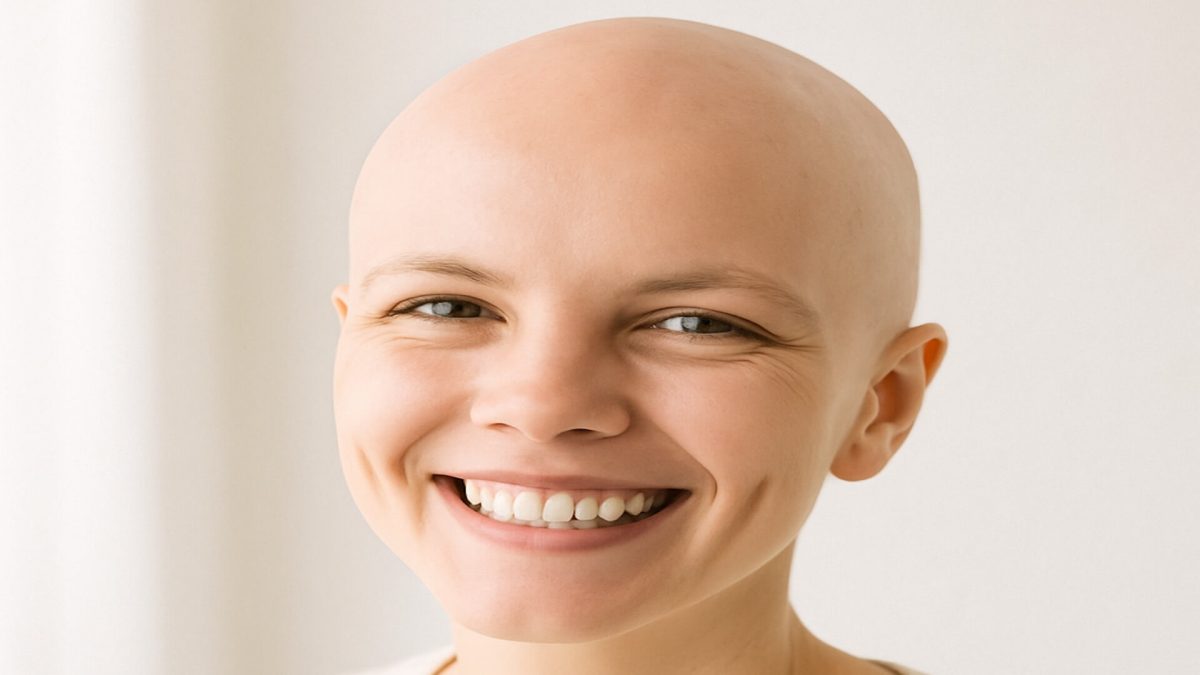
Alopecia areata is an autoimmune disease that leads to patchy hair loss. It affects people of all ages and ethnicities and can be emotionally challenging. Understanding its causes and treatment options is essential for managing this condition.
In this article, we explore the genetic, immune, and environmental factors behind alopecia areata, its symptoms, and available treatments to promote hair regrowth.
Causes Of Alopecia Areata
Genetic Factors
Alopecia areata has a significant genetic component, with a higher prevalence in those with a family history of autoimmune diseases. Ongoing research is uncovering more hereditary aspects of the condition [2,5].
Immune System Involvement
Alopecia areata occurs when the immune system attacks hair follicles. T-lymphocytes and cytokines disrupt the hair growth cycle, and understanding these immune pathways has led to emerging therapies like JAK inhibitors [3,6].
Environmental Triggers
Stress and viral infections can trigger or exacerbate alopecia areata. While lifestyle factors help manage symptoms, the evidence for specific environmental triggers is still limited [2,3,4].
Symptoms Of Alopecia Areata
The main symptom is sudden, round or oval patches of hair loss, commonly on the scalp. It can also affect the beard, eyebrows, and eyelashes. In severe cases, complete baldness or body-wide hair loss may occur. Nail pitting and changes in texture often accompany hair loss [2,3,7].
Diagnosis Of Alopecia Areata
Diagnosis is based on clinical examination, with scalp biopsies or blood tests sometimes used to rule out other conditions. Early diagnosis helps ensure effective treatment and better outcomes [3].
Treatment Options For Alopecia Areata
There is no cure for alopecia areata, but several treatments can promote hair regrowth. These include topical corticosteroids, immunotherapy, minoxidil, and emerging options such as JAK inhibitors. While JAK inhibitors show promise, long-term safety remains uncertain [6].
Treatment Options Overview
| Treatment | Description & Use | Benefits | Key Considerations |
|---|---|---|---|
| Topical corticosteroids | Potent steroids for patchy AA | Speeds recovery in patchy AA | Not effective for extensive AA, folliculitis [3] |
| Intralesional steroids | Injection into affected patches | Local regrowth | Multiple injections, skin atrophy [3] |
| Systemic corticosteroids | Oral/IV for severe AA | Rapid regrowth in some cases | Relapse common, side effects [3] |
| Topical immunotherapy | DPCP/SADBE for resistant AA | Moderate regrowth | 20–30% success rate, dermatitis [3] |
| Minoxidil | Topical adjunct | Limited benefit | Not first-line, evidence limited [3] |
| JAK inhibitors | Immune pathway therapy | Some regrowth in trials | Research phase, safety unproven [5,6,7] |
Table 1: Key Treatment Options for Alopecia Areata
Living With Alopecia Areata
Remission is possible in up to half of cases, especially with limited patchy scalp loss. However, relapses are common. Long-term monitoring and psychological support are essential for quality of life [1,3,4].
Prevalence & Burden Of Alopecia Areata
Alopecia areata affects around 2% of the global population. The condition is linked to higher rates of depression and anxiety, making psychosocial support crucial for managing its impact [1,4].
Conclusion
Alopecia areata remains a challenging autoimmune disease, but modern treatments address immune mechanisms and provide hope for regrowth. Psychological support is vital for coping with the emotional impact, and ongoing research and patient education are essential for improving outcomes.
Explore how Monderma’s personalised treatments may support your overall skincare needs through our free online consultation.
Content is for informational purposes only. Monderma treatments are prescribed following consultation. Results and timeframes can vary. Use as directed by your prescriber.
References
- Harries M, Macbeth AE, Holmes S, et al. The epidemiology of alopecia areata: a population-based cohort study in UK primary care. Br J Dermatol. 2022;186(2):257-265.
- Alopecia areata – Symptoms, diagnosis and treatment. BMJ Best Practice. Updated September 22, 2022.
- Pratt CH, King LE Jr, Messenger AG, Christiano AM, Sundberg JP. Alopecia areata. Nat Rev Dis Primers. 2017 Mar 16;3:17011.
- Eicken K, Ruge IF, Lindeblom A, Halling A, Egeberg A, Thyssen JP. Patient characteristics and disease burden of alopecia areata in the Danish Skin Cohort. BMJ Open 2022;12:e053137.
- Familial patterns of alopecia areata: A systematic review and meta-analysis. J Dermatol Sci. 2023;112(3):215-222.
- Janus Kinase Inhibitors for Alopecia Areata: A Systematic Review and Meta-analysis. JAMA Netw Open. 2023;6(5):e236264.
- Baricitinib for treating severe alopecia areata. NICE. 2023.
Join the Newsletter
Insights that make your skin feel understood
Share this article if you found it helpful



More To Explore
Latest Articles For Your Skin
-
Understanding Pityriasis Rosea: Symptoms & Treatment
-
How To Spot Fake Skincare Products Online

-
CBD Skincare For Calming Redness & Irritation

-
How Fractional Laser Can Renew Damaged Skin
-
Wearable Sensors Used For Skin Condition Tracking

-
Ectoine: Skincare & Eye Care Barrier Protection
-
Baby Acne Myths & Facts Explained

-
Niels Ryberg Finsen: Pioneer Of UV Phototherapy
-
Allantoin Uses & Benefits For Daily Skincare

-
Chapped Lips: Causes & How To Treat Them