 Monderma
- 27 Apr 2025
- Air pollution increases skin stress
- Particles can dull tone and texture
- Antioxidants support surface defence
- Routine care aids skin resilience
- Personalised skincare with Monderma
Living in a busy city can leave skin feeling dull, tight, or more reactive over time. Many people notice these changes even when the rest of their lifestyle feels steady.
In this article we explore how air pollution and skin interact, how antioxidants may support surface resilience, and which small daily habits can help skin look calmer and more even.
Pollution & Skin Health
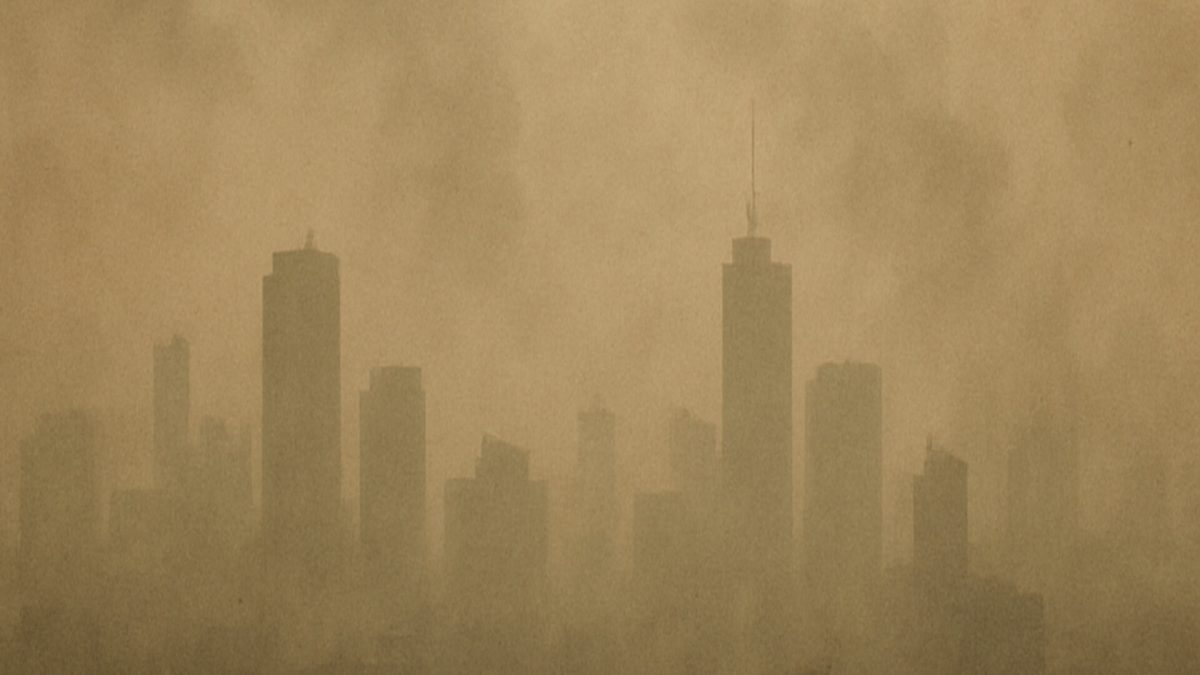
Air pollution is a mix of gases and tiny particles from traffic, industry, and home activities. These particles can settle on the skin surface and affect how it looks and feels [1].
Fine particles such as PM2.5 may lodge around pores and hair follicles, increasing oxidative stress and visible irritation over time [1,2]. This can leave skin looking tired or uneven.
Consistent exposure may weaken the barrier, which can make skin feel drier or more sensitive. Some studies link polluted air with earlier signs of extrinsic skin ageing [1,5].
| Effect | Description |
|---|---|
| Oxidative stress | Free radicals may influence skin tone and texture [3] |
| Inflammation | Exposure may increase visible redness or discomfort [4] |
| Dehydration | Surface dryness can rise as natural oils are disrupted |
| Ageing signs | Long term exposure may affect collagen appearance [5] |
Table 1: Possible effects of pollution on skin appearance
Oxidative Stress & Skin Changes
Oxidative stress appears when free radicals outnumber available antioxidants. This imbalance may damage lipids and proteins at the skin surface, changing texture and radiance [1,3].
PM2.5 has been shown to trigger oxidative stress in keratinocytes and to disrupt the barrier in experimental models, which may contribute to visible dryness or roughness [1,4].
Ozone exposure can reduce natural skin antioxidants such as vitamin C and vitamin E, which may increase the impact of daily pollutants on the skin surface [3,6].
Antioxidants & Skin Support
Antioxidants help neutralise free radicals and support a smoother, more radiant appearance. They are widely used in anti pollution skincare to complement cleansing and sun protection.
Using antioxidant products does not remove the need for sunscreen or shade. Instead, they sit alongside other protective steps to support a more even tone and calm looking skin [7].
| Antioxidant | Benefits |
|---|---|
| Vitamin C | Supports brightness, promotes a more even looking tone, and helps collagen support [7] |
| Vitamin E | Helps maintain moisture and surface comfort [7] |
| Niacinamide | Supports barrier function and reduces visible redness [8] |
| Green tea extract | May help counter some surface stress from UV and pollution [9] |
Table 2: Common antioxidants used in skincare
Building An Anti Pollution Routine
A simple routine can still offer meaningful support. Gentle cleansing removes surface pollutants and excess oil without stripping skin, which helps prepare it for antioxidants [9].
Serums or creams containing vitamin C or niacinamide can then be applied to clean skin. These products help support brightness, clarity, and overall texture in urban environments [7,8].
Moisturisers with antioxidants and hydrating ingredients such as hyaluronic acid help lock in comfort. A broad spectrum sunscreen completes the routine, as UV light amplifies pollution stress [10].
At night, richer products containing vitamin E or retinoids can support visible renewal. Night time is when many repair processes naturally take place, so gentle support can be helpful [7].
Key Anti Pollution Ingredients
Certain ingredients appear often in anti pollution skincare and may be useful when building a routine that fits your lifestyle and skin type. Labels can guide your choices.
Charcoal is used in some cleansers and masks to help lift surface impurities and excess oil. Algae extract appears in creams that aim to limit moisture loss and support comfort.
Hyaluronic acid attracts water and supports a plump, hydrated look even when air feels dry or polluted [10]. These textures suit many skin types when layered under sunscreen.
| Ingredient | Role |
|---|---|
| Charcoal | Helps draw out surface impurities and excess oil |
| Algae extract | Supports moisture retention and comfort in stressed skin |
| Hyaluronic acid | Hydrates and gives a plumper, smoother appearance [10] |
Table 3: Supportive anti pollution skincare ingredients
Lifestyle Habits & Skin Resilience
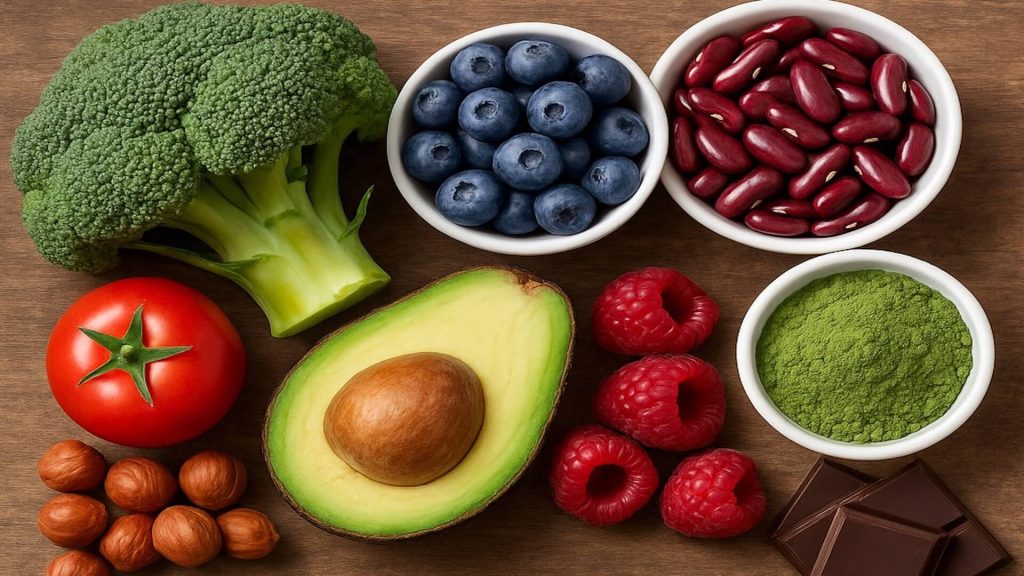
Diet can complement topical care. Foods rich in vitamin C and other antioxidants, such as berries and leafy greens, support the body’s own defences and overall skin health [7].
Regular water intake helps maintain the appearance of plump, comfortable skin. Avoiding smoking reduces additional free radical exposure, which can otherwise speed visible ageing [5].
Gentle exercise improves circulation and can support a brighter complexion over time. These habits sit alongside skincare, forming a calm, sustainable approach to city living.
Monderma & Skin Concerns
Monderma provides personalised prescription treatments for acne, skin ageing, hyperpigmentation, and rosacea, all of which may appear more noticeable when air pollution is high [1].
Formulations may include niacinamide, adapalene, or azelaic acid to support barrier health, reduce visible redness, and refine texture, alongside antioxidant rich skincare and sun protection.
Conclusion
Air pollution can contribute to skin damage, yet steady use of antioxidants such as vitamin C and niacinamide may help reduce oxidative stress and support a healthier, more resilient complexion. Consistent routines and simple lifestyle habits can further enhance protection over time.
If you would like personalised skincare that reflects your own needs, you can explore a custom formula through Monderma.
Content is for informational purposes only. Monderma treatments are prescribed following consultation. Results and timeframes can vary. Use as directed by your prescriber.
References
- Han HS, Seok J, Park KY. Air Pollution and Skin Diseases. Ann Dermatol. 2025;37(2):53 to 67.
- Piao MJ, Kang KA, Zhen AX, et al. PM2.5 and Cutaneous Cellular Injury. Antioxidants. 2019;8(9):383.
- Thiele JJ, Podda M, Packer L. Tropospheric Ozone as a Skin Stressor. Biol Chem. 1997;378(11):1299 to 1305.
- Jin SP, Li Z, Choi EK, et al. Urban Particulate Matter and Cutaneous Inflammation. J Dermatol Sci. 2018;91(2):175 to 183.
- Vierkötter A, Schikowski T, Ranft U, et al. Airborne Particle Exposure and Extrinsic Skin Ageing. J Invest Dermatol. 2010;130(12):2719 to 2726.
- Xu F, Yan S, Wu M, et al. Ambient Ozone Pollution as a Risk Factor for Skin Disorders. Br J Dermatol. 2011;165(2):224 to 225.
- Pullar JM, Carr AC, Vissers MCM. Roles of Vitamin C in Skin Health. Nutrients. 2017;9(8):866.
- Wohlrab J, Kreft D. Niacinamide Mechanisms of Action and Topical Use. Skin Pharmacol Physiol. 2014;27(6):311 to 315.
- Katiyar SK, Elmets CA. Green Tea Polyphenols and Skin Photoprotection. Int J Oncol. 2001;18(6):1307 to 1313.
- NHS. Sunscreen and Sun Safety.
Join the Newsletter
Insights that make your skin feel understood
Share this article if you found it helpful



More To Explore
Latest Articles For Your Skin
-
Understanding Pityriasis Rosea: Symptoms & Treatment
-
How To Spot Fake Skincare Products Online
-
CBD Skincare For Calming Redness & Irritation
-
How Fractional Laser Can Renew Damaged Skin
-
Wearable Sensors Used For Skin Condition Tracking

-
Ectoine: Skincare & Eye Care Barrier Protection

-
Baby Acne Myths & Facts Explained

-
Niels Ryberg Finsen: Pioneer Of UV Phototherapy
-
Allantoin Uses & Benefits For Daily Skincare
-
Chapped Lips: Causes & How To Treat Them