 Monderma
- 18 Mar 2025
- Adapalene supports clearer skin
- It reduces inflammation and clogging
- Texture can improve over time
- Early dryness is common and settles
- Personalised strengths with Monderma
Adapalene is a topical retinoid used to manage acne by renewing surface cells, reducing inflammation, and supporting clearer skin over time [3]. Many people choose it for its balance of targeted action and tolerability.
This article explains how adapalene works, what before and after changes to expect, how long results may take, and how it supports acne, ageing, and pigmentation concerns [2,5].
How Adapalene Works
Adapalene is a third generation retinoid structurally related to vitamin A, created to support acne through gentle exfoliation and reduced inflammation [3].
It normalises cell turnover inside pores, helping prevent new lesions while improving texture and reducing buildup that can contribute to breakouts [3,4].
Core Retinoid Benefits
Adapalene is widely used for acne treatment because it supports reduced lesion formation and helps limit inflammation in active breakouts [3].
Evidence shows that adapalene gel can produce around 50% reduction in acne lesions after twelve weeks of consistent use [2].
Texture & Tone Improvement
Increased cell turnover can soften uneven texture and reduce atrophic scarring over time. A study found that adapalene 0.3% improved visible scarring after twenty four weeks [6].
Some people also notice brighter tone and more even colour due to gradual skin renewal across the treated areas.
Wider Skin Support
Adapalene may support visible signs of ageing by renewing surface layers and improving the appearance of fine lines, though collagen related findings require more research [1].
People with hyperpigmentation may find that adapalene helps fade post acne marks because of ongoing exfoliation and cell renewal.
How Monderma Uses Adapalene
Monderma provides personalised prescription skincare for acne, hyperpigmentation, rosacea, and wrinkles using active ingredients selected for individual needs.
Formulas may include adapalene, niacinamide, hyaluronic acid, tretinoin, azelaic acid, or hydroquinone, prepared by GPhC registered prescribers.
How Adapalene Helps Different Concerns
| Condition | How Adapalene Helps |
|---|---|
| Acne | Unclogs pores, reduces inflammation, supports cell turnover |
| Ageing skin | Smooths texture and supports renewal of fine lines |
| Hyperpigmentation | Fades dark marks through ongoing exfoliation |
Table 1: Key adapalene uses
Before & After Changes
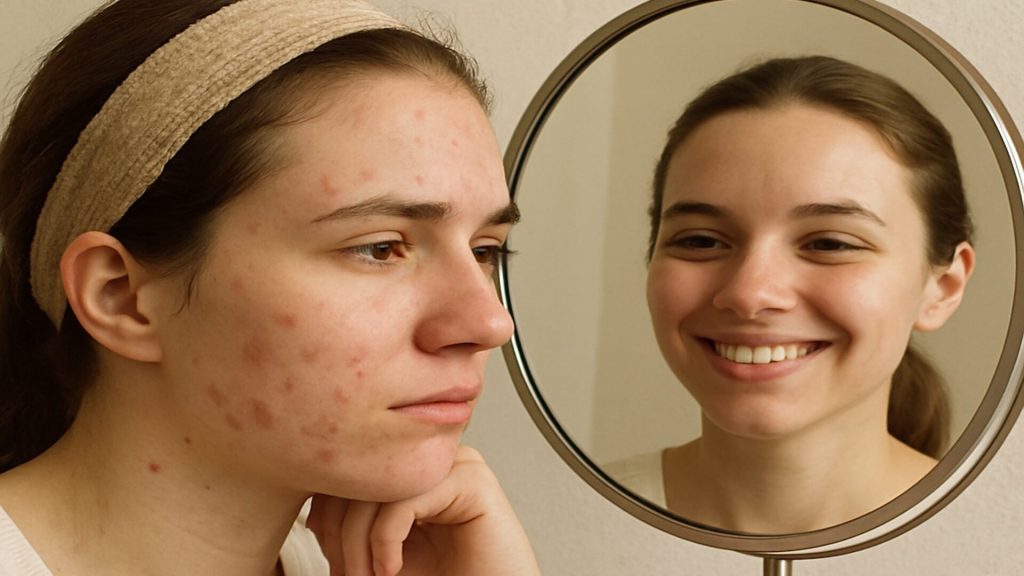
Early use may cause mild dryness or peeling while the skin adjusts. The NHS notes this often settles with moisturiser and gentle cleansing [7].
By four to eight weeks many people notice clearer texture and fewer active breakouts. At twelve weeks improvements in scarring, tone, and overall clarity are more visible [2,5].
Adding Adapalene To A Routine
Starting slowly can support comfort, especially for people new to retinoids. Applying adapalene every other night is common during the adjustment phase.
Moisturiser and sunscreen help protect the skin and reduce sensitivity because adapalene increases renewal rates and may leave the skin feeling more delicate [7].
Routine Cautions
People using adapalene should avoid harsh scrubs or physical exfoliants because these may increase irritation.
Gentle cleansers and hydrating moisturisers support comfort and help maintain results when used consistently over time.
Conclusion
Adapalene supports clearer skin by unclogging pores, reducing inflammation, and improving texture, with visible improvements often seen between four and twelve weeks [2,5].
To explore a personalised approach using adapalene with tailored strengths, you can begin our personalised skincare consultation, designed to support acne with expert care.
Content is for informational purposes only. Monderma treatments are prescribed following consultation. Results and timeframes can vary. Use as directed by your prescriber.
References
- Mukherjee S, et al. Retinoids in the treatment of skin aging. Clinical Interventions in Aging.
- Shalita AR, et al. Adapalene versus tretinoin for acne. Journal of the American Academy of Dermatology.
- Bhatia B, Singh S, Varma N. Acne vulgaris overview. StatPearls.
- Wolf JE. Anti inflammatory effects of topical retinoids. Advances in Therapy.
- NICE. Acne vulgaris management. NG198.
- Thiboutot D, et al. Adapalene 0.3% for acne. Journal of the American Academy of Dermatology.
- NHS. Acne treatment guidance.
Share this article if you found it helpful



More To Explore
Latest Articles For Your Skin
-
Understanding Pityriasis Rosea: Symptoms & Treatment
-
How To Spot Fake Skincare Products Online
-
CBD Skincare For Calming Redness & Irritation

-
How Fractional Laser Can Renew Damaged Skin
-
Wearable Sensors Used For Skin Condition Tracking

-
Ectoine: Skincare & Eye Care Barrier Protection

-
Baby Acne Myths & Facts Explained

-
Niels Ryberg Finsen: Pioneer Of UV Phototherapy

-
Allantoin Uses & Benefits For Daily Skincare

-
Chapped Lips: Causes & How To Treat Them