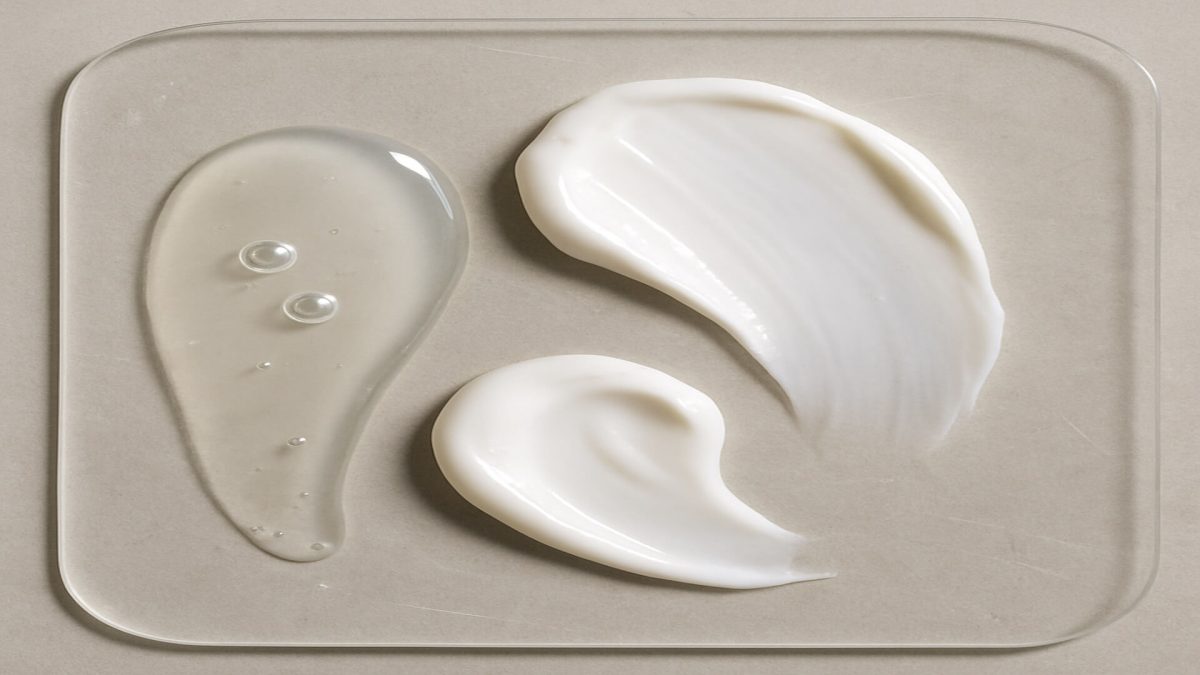
 Monderma
- 12 Jan 2025
- Dry sensitive skin needs fragrance-free hydration
- Hyaluronic acid, glycerin, and ceramides restore moisture
- Cleanse, tone, apply serum, moisturise, and use SPF 30
- Avoid fragrance to prevent irritation and dehydration
- Patch test, use lukewarm water, and stay hydrated
Dry and sensitive skin often feels tight, flaky, or irritated. Choosing the right skincare products for dry and sensitive skin is essential to restore comfort, hydration, and skin barrier strength.
This guide explains how to care for this skin type using dermatologically supported ingredients and practical steps. A consistent skincare routine for sensitive skin can improve hydration, reduce discomfort, and enhance overall resilience. Understanding which ingredients to use and which to avoid makes all the difference.
Understanding Dry & Sensitive Skin
Dry sensitive skin is characterised by reduced natural oils and increased reactivity to environmental stressors. This can lead to redness, flaking, and discomfort. Sensitive skin often overlaps with dry skin, and studies suggest a strong correlation between the two [1].
Maintaining the skin barrier is vital. When compromised, it allows moisture loss and irritant penetration, which causes inflammation and tightness. Selecting gentle, fragrance-free, and hydrating products helps repair and protect this barrier.
Key Ingredients To Look For
The best skincare products for sensitive skin combine moisture-retaining ingredients with soothing agents.
| Ingredient | Benefit |
|---|---|
| Hyaluronic Acid | Holds up to 1000 times its weight in water, providing deep hydration [2]. |
| Glycerin | Attracts moisture to the skin, supporting hydration and comfort [3]. |
| Ceramides | Strengthen the skin barrier and prevent water loss [3]. |
| Aloe Vera | Calms redness and soothes irritation [4]. |
| Colloidal Oatmeal | Protects, softens, and enhances moisturisers for sensitive skin [5]. |
Table 1: Key hydrating and soothing ingredients for sensitive skin
These ingredients form the foundation of effective skincare for dry and sensitive skin by hydrating, protecting, and reducing reactivity.
Best Skincare Routine For Dry Sensitive Skin
A gentle and consistent skincare routine helps manage dryness while supporting long-term hydration.
Step 1: Gentle Cleansing
Choose a fragrance-free cleanser with glycerin or ceramides. It removes impurities without stripping natural oils, supporting hydration and comfort [3].
Step 2: Hydrating Toner
Apply a mild, alcohol-free toner with rosewater or hyaluronic acid to refresh and prepare the skin for serums. It helps rebalance pH and increases moisture absorption [2].
Step 3: Nourishing Serum
Use a serum containing hyaluronic acid to replenish water levels. This step reinforces hydration for smoother, more supple skin [2].
Hyaluronic acid also features in Monderma’s personalised custom formulas for improving dryness and sensitivity.
Step 4: Moisturisation
Seal in moisture with a cream rich in ceramides and glycerin. These ingredients strengthen the skin barrier and prevent trans-epidermal water loss [3].
Step 5: Sun Protection
Finish your morning routine with a broad-spectrum, mineral-based SPF 30 or higher. Zinc oxide and titanium dioxide are gentle options suitable for sensitive skin [3].

Why Fragrance-Free Matters
Fragrance-free skincare is crucial for sensitive skin. Added scents, whether natural or synthetic, can trigger irritation, redness, and dryness. NHS dermatology guidance recommends avoiding fragrance in cleansers, serums, and moisturisers to reduce flare-ups and preserve hydration.
Additional Tips For Managing Dry Sensitive Skin
- Patch Test New Products: Always test products on a small area before full use to ensure compatibility [6].
- Avoid Hot Water: Use lukewarm water when cleansing to prevent further dryness [3].
- Stay Hydrated: Drinking enough water supports skin moisture balance from within [3].
- Use a Humidifier: Adding moisture to your environment helps relieve dryness, especially during colder months [3].
These simple steps can significantly improve comfort and hydration for sensitive skin.
Conclusion
The best skincare for sensitive skin focuses on hydration, gentle cleansing, and barrier support. Prioritise ingredients such as ceramides, glycerin, and hyaluronic acid, and avoid fragrance or harsh actives that may increase irritation.
For professional guidance, Monderma offers free online consultations with healthcare professionals who can tailor hydrating formulas to your skin’s needs. Explore your personalised options and share this guide to help others care for their sensitive skin.
Content is for informational purposes only. Monderma treatments are prescribed following consultation. Results and timeframes can vary. Use as directed by your prescriber.
Bibliography
- Duarte I, et al. Sensitive skin: review of an ascending concept. An Bras Dermatol. 2017;92(4):521–525.
- Pavicic T, et al. Efficacy of cream-based formulations of hyaluronic acid of different molecular weights in anti-wrinkle treatment. J Drugs Dermatol. 2011;10(9):990–1000.
- Lodén M. The clinical benefit of moisturizers. J Eur Acad Dermatol Venereol. 2005;19(6):672–688.
- Raw V. Is aloe vera good for your skin? Patient.info. 2024.
- Wartenberg L. What Is Colloidal Oatmeal? Benefits, Uses, and Safety. Healthline. 2020.
- NHS. Allergies: Diagnosis.
Join The Newsletter
Skin insights, delivered to you
Share this article if you found it helpful



More To Explore
Latest Articles For Your Skin
-
Understanding Pityriasis Rosea: Symptoms & Treatment

-
How To Spot Fake Skincare Products Online
-
CBD Skincare For Calming Redness & Irritation

-
How Fractional Laser Can Renew Damaged Skin

-
Wearable Sensors Used For Skin Condition Tracking

-
Ectoine: Skincare & Eye Care Barrier Protection

-
Baby Acne Myths & Facts Explained

-
Niels Ryberg Finsen: Pioneer Of UV Phototherapy

-
Allantoin Uses & Benefits For Daily Skincare
-
Chapped Lips: Causes & How To Treat Them